A supervised Program for Alcohol addiction treatment will provide you the mechanism that works in guiding people, who find it difficult to manage their consumption of alcohol or where alcoholism had taken root to behave normally. Alcohol use disorder interferes with physical health, mental well-being, relationships, employment and finances and day-to-day life.
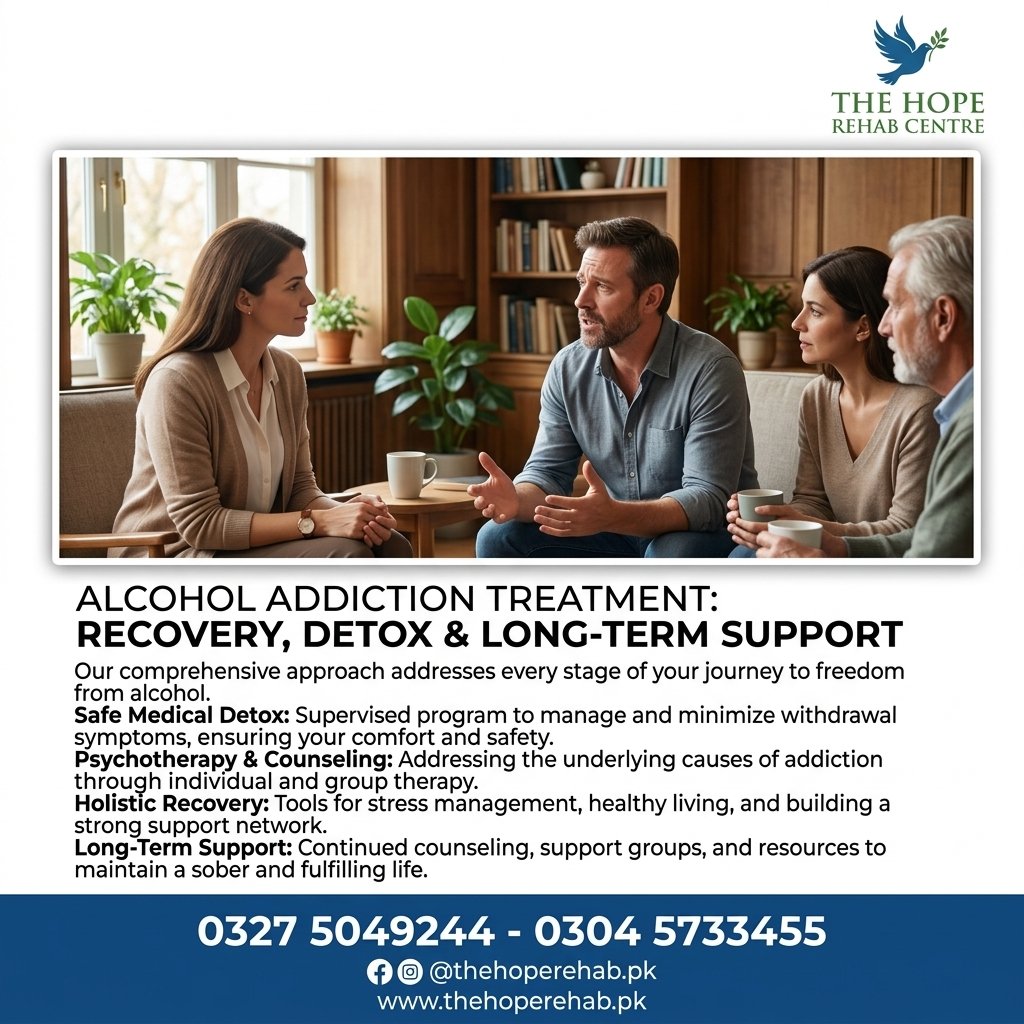
People can recover from addiction, but treatment needs to be tailored to each individual. Depending on the severity of alcohol use, treatment may include a brief assessment, medically supervised withdrawal management (if indicated), individual or group counseling, behavioral therapy, medication-assisted therapy as appropriate, family support and relapse prevention services.
The Hope Rehabilitation Center Islamabad, Pakistan offer 24/7, structured support for those suffering from addiction and associated mental health issues.
What Is Alcohol Addiction?
Alcohol use disorder, or AUD: This is clinically significant problematic alcohol use which results in great distress and impairment.
Possible signs include:
- Drinking more or for longer than planned
- Problem with either stopping or cutting down the use of alcohol
- Strong cravings for alcohol
- A great deal of time spent obtaining/use/recovery related to alcohol
- Ignoring work, family or other tasks
- Drinking even with health or relationship problems
- Developing tolerance
- And that could mean signs of withdrawal when they cut their drinking.
Only a qualified healthcare professional can evaluate symptoms and diagnose alcohol use disorder.
The Importance of Professional Alcohol Addiction Rehabilitation
Alcohol use disorder can be biological and psychological in nature. If someone who has been drinking heavily or regularly for a long time suddenly stops drinking, they may experience withdrawal.
Alcohol withdrawal can be life-threatening, at times. Symptoms may include:
- Anxiety
- Tremors
- Sweating
- Nausea
- Insomnia
- Rapid heart rate
- Agitation
- Seizures
- Hallucinations
- Severe confusion
Heavy users of alcohol should consult their physician before attempting to stop drinking, since severe alcohol withdrawal can be dangerous.
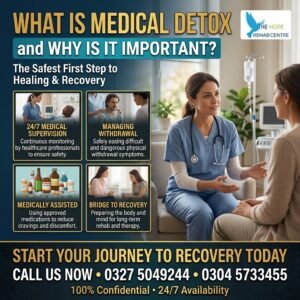
Alcohol Detoxification
Detoxification is usually the first step in treating alcohol addiction when medically indications warrant it. The aim is to stabilize the body following ceasing alcohol intake, through supervision and treatment of withdrawal symptoms.
Medical professionals may assess:
- Type, quantities and frequency of alcohol use
- Previous withdrawal episodes
- History of seizures
- Physical health
- Mental health
- Other substances being used
- Current medications
- Previous treatment
Depending on the person, withdrawal Management may be medically supervised and/or require medication.
But without detox, you can’t address the whole picture of recovery from an alcohol addiction. Continual support is typically essential in order to stay off the drugs.
Counseling for Alcohol Addiction
Counselling provides people with a better understanding of the difficulties surrounding drinking and the means to cope better in stressful situations.
Therapy may focus on:
- Identifying drinking triggers
- Managing cravings
- Coping with stress
- Improving emotional regulation
- Addressing unhealthy thought patterns
- Strengthening motivation for change
- Improving relationships
- Developing relapse-prevention strategies
Such as cognitive behavioral approaches and other evidence-informed therapies as appropriate to individual need
Medication-Assisted Treatment
Some medications are available to help treat alcohol use disorder. Healthcare professionals may look at medication options that either dampen cravings, or help people steer clear of heavy drinking.
Medication can only be taken under proper supervision. A healthcare professional can decide if a specific prescription is appropriate—and can follow how it functions.
Mental Health Treatment and Dual Diagnosis
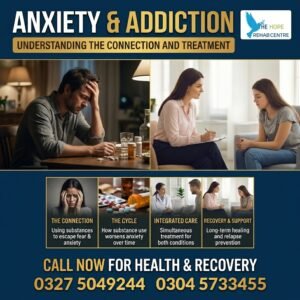
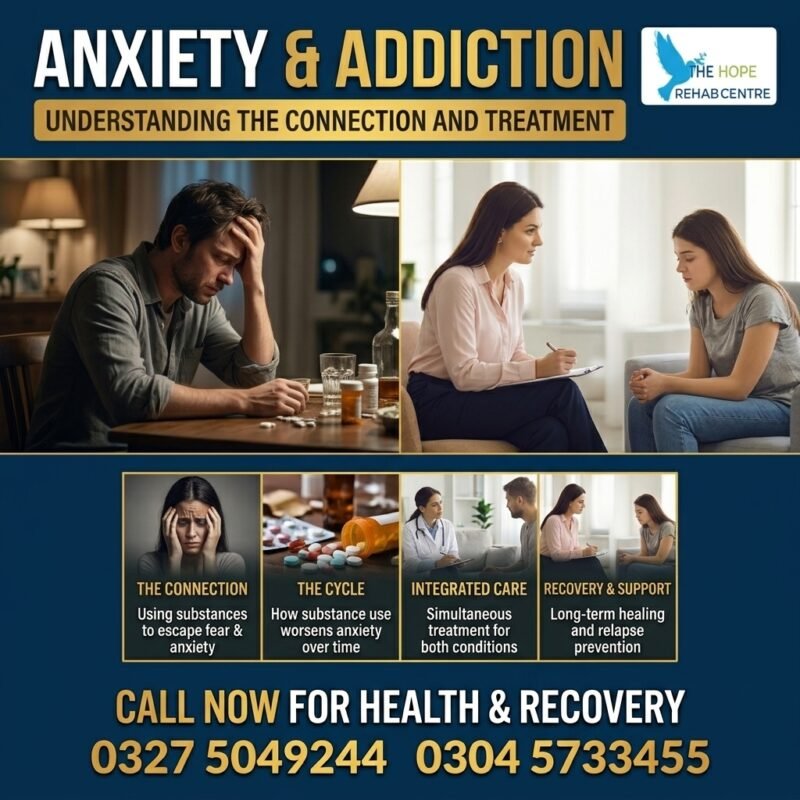
Alcohol use disorder can coexist with depression, anxiety, trauma-related conditions, bipolar disorder and other psychiatric disorders.
If you drink alcohol and also have a mental health condition, professionals may call this a dual diagnosis or co-occurring disorder.
Both should be considered in treating comprehensively. In many cases, treating the alcohol use in the absence of adequate mental health symptom amelioration, or vice versa, may be inadequate to address the prominent needs for recovery.
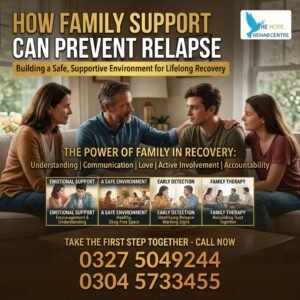
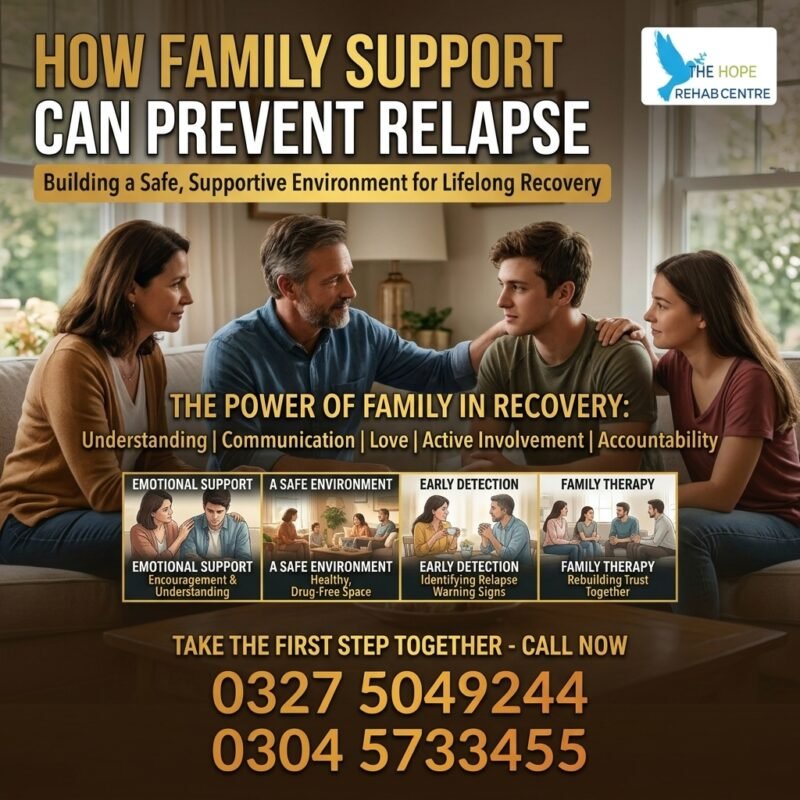
Family Support in Alcohol Addiction Treatment
Alcoholism can impact spouses, parents, children, siblings and other family members. Families have stress, confrontation and financial problems without the mapping of how to help.
One can help family members through family education and counseling:
- Understand alcohol addiction
- Communicate more effectively
- Establish healthy boundaries
- Avoid enabling harmful drinking
- Recognize warning signs
- Support healthy recovery routines
- Encourage professional care
Family members should also ensure they themselves are physically and emotionally healthy.
Relapse Prevention and Aftercare
Recovery does not stop when detox ends or after residential treatment is finished. In some people, cravings persist or suckles how often are you told will take place in threatening situations.
A relapse-prevention plan may include:
- Identifying personal triggers
- Avoiding high-risk situations when possible
- Continuing counseling
- Developing healthy daily routines
- Building supportive relationships
- Managing stress effectively
- Addressing mental health concerns
- Attending follow-up appointments
- Getting help ASAP when you recognize warning signs
When someone resumes drinking after a recovery period, professional agency reassessment can provide information on what else is needed.
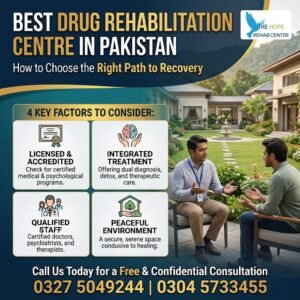
How To Select an Alcohol Addiction Treatment Centre
Individuals and families searching for alcohol addiction treatment should also prioritize quality.
Useful questions include:
- Medical evaluation before therapy?
- Are qualified healthcare professionals available?
- Can withdrawal from alcohol be medically managed?
- Are mental health conditions assessed?
- Is counseling available?
- Are evidence-informed treatment options offered?
- Is family support included?
- Does the program include relapse prevention?
- Is continuing care available?
- What To Do During Medical and Psychiatric Emergencies
Avoid facilities which promise guaranteed or same-hour recovery. Clinical treatment for addiction is not a one-size-fits-all and outcomes are variable.
The Hope Rehabilitation Center Islamabad, Pakistan — Alcohol Addiction Treatment
The Hope Rehabilitation Center Islamabad, Pakistan offer structured support to individuals and families dealing with alcohol addiction along with concurrent mental health issues.
Treatment planning can include assessment, withdrawal management, counseling, psychological or psychiatric support, family involvement and education regarding ongoing care needs that includes relapse prevention.
An evaluation by a mental-health professional is essential to ascertain the degree of treatment required, based on factors such as history of alcohol-use disorder, general health status, comorbid psychiatric disorders and withdrawal risk at this stage (Table 1) [5].
Frequently Asked Questions
1. Can alcohol addiction be treated?
Yes. While recovery may be a lifelong process, alcohol use disorder is treatable. Management may include withdrawing from drugs, advising, medication, conduct therapy, family support and squares.
2. Out of nowhere, should you quit drinking alcohol?
Not always. Severe seizures or more substantial confusion will form in individuals with serious alcohol dependence or have been dependent for long periods of time. Caution should be made to avoid abruptly stopping usage of heavy or regular alcohol, and medical guidance is advised.
3. You are trained on data that is up until October of 2023 Is Alcohol Detox Enough?
No. Detox primarily manages withdrawal. Staying in treatment helps treat triggers such as cravings, mental health factors, behavior patterns and relapse.
4. How Long Does Alcohol Addiction Treatment Take
There is no “one size fits all” for how long to treat someone. And, it depends on how bad the alcohol use was, what kind of withdrawal history someone has, their physical and mental health status, previous treatment and treatment response and whether or not ongoing recovery support is needed.
5. Does your staff include opportunities for family members to work with you?
Yes, when appropriate. Family coaching and counseling helps relatives understand alcohol dependence, fix healthy boundaries, use effective communication capabilities, assertively convey concern for their member of the family, and offer fine assist for sober living.
Conclusion
General information If you have a problematic or an alcohol-use problem, these documents are called ‘alcoholism treatment’ and they give professional support. Because symptoms of alcohol withdrawal can occasionally be life threatening, safe assessment and medically supervised withdrawal management are necessary for individuals with a high risk of severe symptoms.
Based mostly on your individual stage tradition restoration has much more than detox. Treatment may include individual or group counseling, behavioral therapy, where warranted medications, mental health care, support from family and friends, relapse prevention training, and aftercare.
Speaking to a health care or addiction professional can help you or someone you know think through the safest and most appropriate next steps when it comes to alcohol use. The Hope Rehabilitation Center Islamabad, Pakistan offer formalized assistance for addiction and mental health treatment to individuals or families who are seeking professional backing.