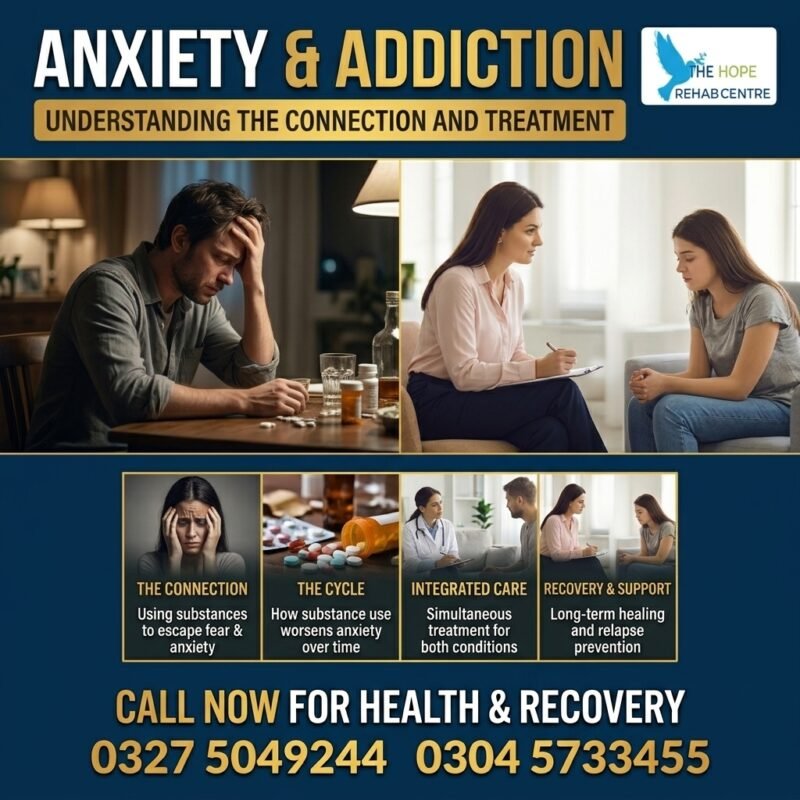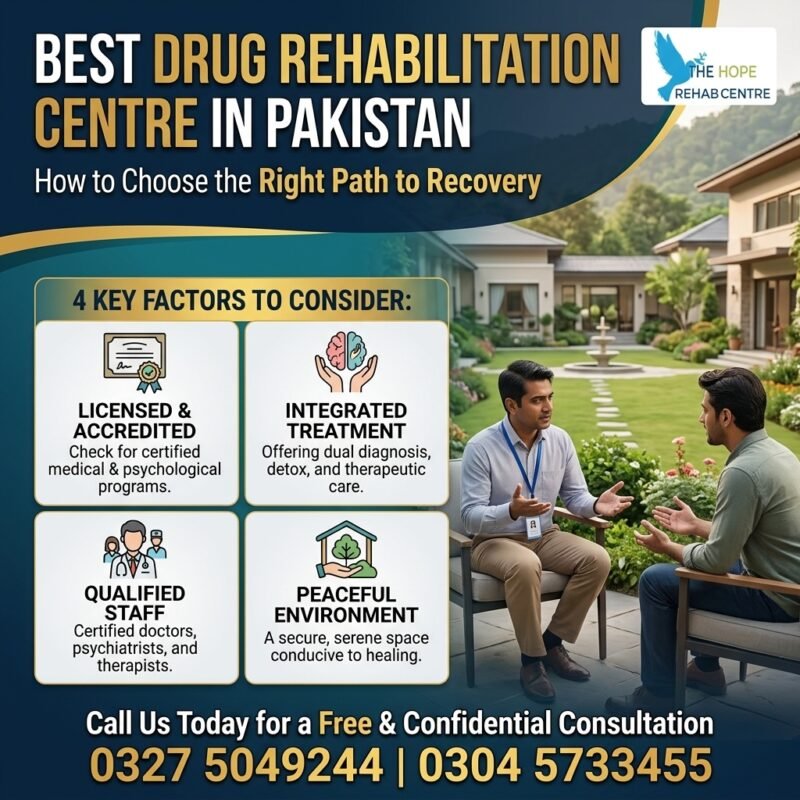
Addiction is a complex health condition that affects the brain, behavior, and overall well-being. It can impact individuals of all ages and backgrounds, influencing physical health, emotional stability, relationships, and daily responsibilities. While addiction can feel overwhelming, recovery is possible with the right treatment, professional guidance, and ongoing support.
Effective addiction treatment programs are designed to address both the physical and psychological aspects of substance use disorders. Rather than focusing only on stopping substance use, comprehensive treatment helps individuals understand the underlying causes of addiction, develop healthier coping strategies, and build the skills needed for lasting recovery.
At The Hope Rehabilitation Center Islamabad, Pakistan, personalized addiction treatment programs provide compassionate, evidence-based care tailored to each individual’s unique needs and recovery goals.
What Are Addiction Treatment Programs?
Addiction treatment programs are structured plans that combine medical care, counseling, behavioral therapies, and recovery support to help individuals overcome substance use disorders. Every person’s experience with addiction is different, which is why treatment plans should be individualized rather than using a one-size-fits-all approach.
Comprehensive programs often include:
- Medical assessment
- Detoxification when appropriate
- Individual counseling
- Behavioral therapy
- Group therapy
- Family support
- Relapse prevention planning
- Aftercare services
These services work together to support both immediate recovery and long-term wellness.
Who Can Benefit from Addiction Treatment?
Professional treatment may benefit individuals experiencing dependence on substances such as:
- Alcohol
- Heroin
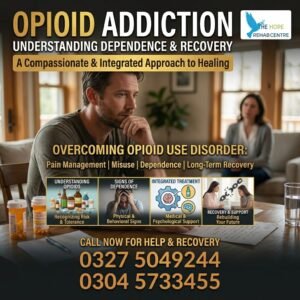
- Prescription opioids
- Methamphetamine
- Cocaine
- Cannabis (marijuana)
- Benzodiazepines
- Nicotine and tobacco products
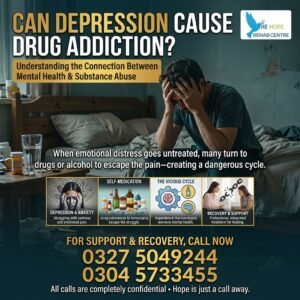
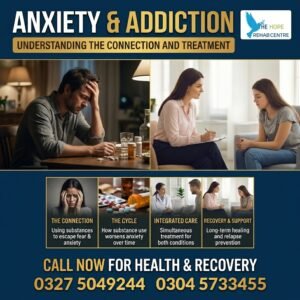
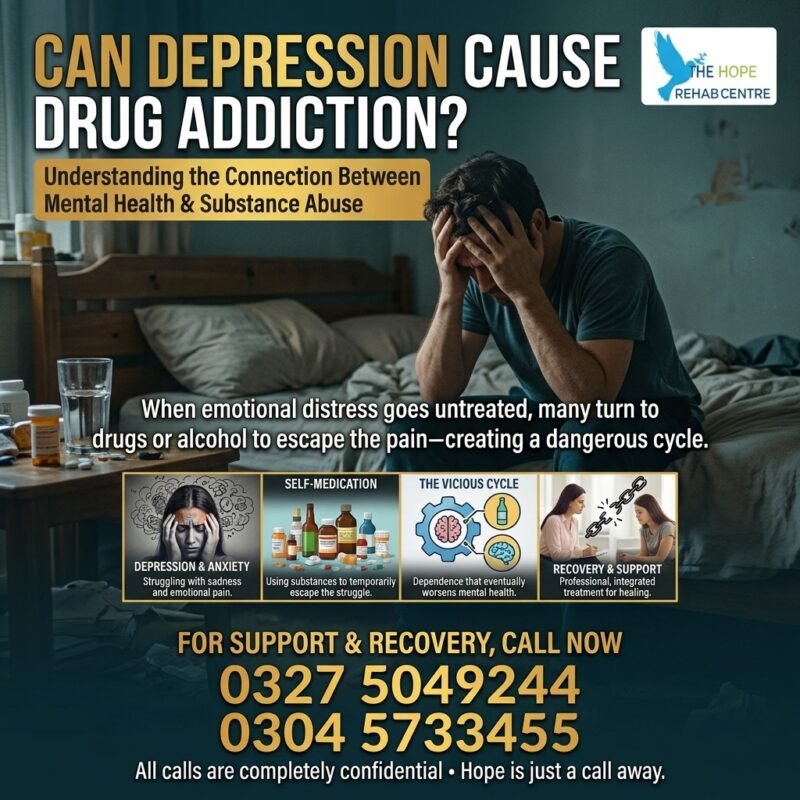
Treatment can also support individuals living with co-occurring mental health conditions such as anxiety, depression, or trauma-related disorders.
The Importance of Early Intervention
Seeking treatment early can reduce the impact addiction has on physical health, mental well-being, and personal relationships. Early intervention may also help individuals avoid more serious medical, legal, or social consequences.
Professional support provides individuals with practical tools to begin recovery before addiction becomes more severe.
Key Components of Addiction Treatment Programs
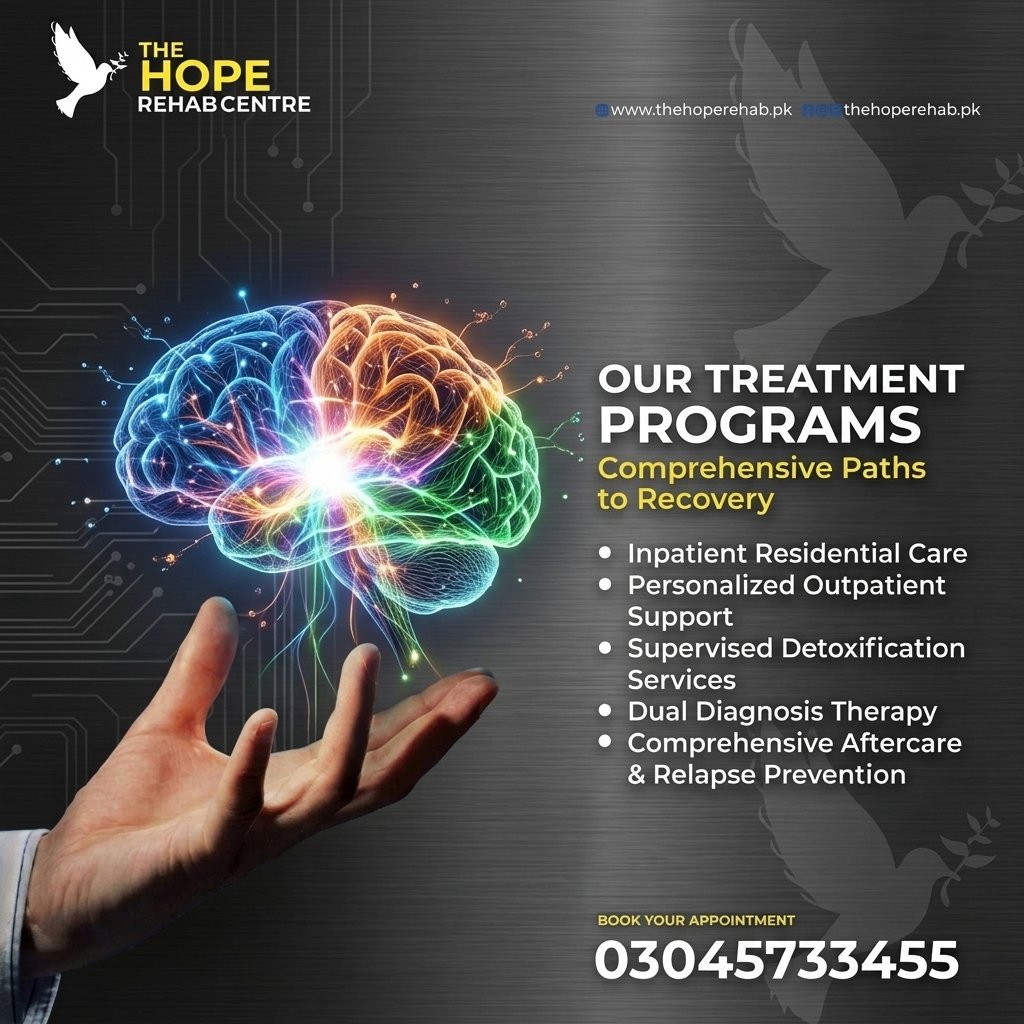
Comprehensive Assessment
Recovery begins with a detailed evaluation of physical health, mental health, substance use history, and personal recovery goals. This assessment helps healthcare professionals develop an individualized treatment plan.
Medical Detoxification
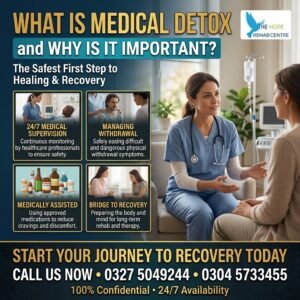
For some individuals, medically supervised detoxification may be recommended to manage withdrawal symptoms safely. Medical supervision helps ensure patient safety while preparing for the next stages of treatment.
Individual Counseling
One-on-one counseling allows individuals to explore personal challenges, emotional triggers, and behaviors associated with addiction. Counseling also helps build healthy coping skills and strengthen motivation for recovery.
Behavioral Therapy
Evidence-based therapies, including Cognitive Behavioral Therapy (CBT), help individuals recognize unhealthy thought patterns, manage cravings, improve emotional regulation, and reduce the risk of relapse.
Group Therapy
Group counseling creates opportunities for peer support, shared experiences, and personal growth. Many individuals find encouragement and motivation by learning from others facing similar challenges.
The Role of Family in Recovery
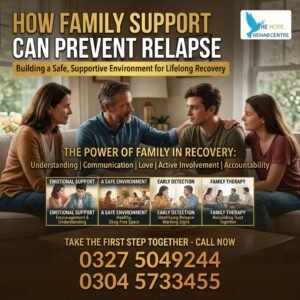
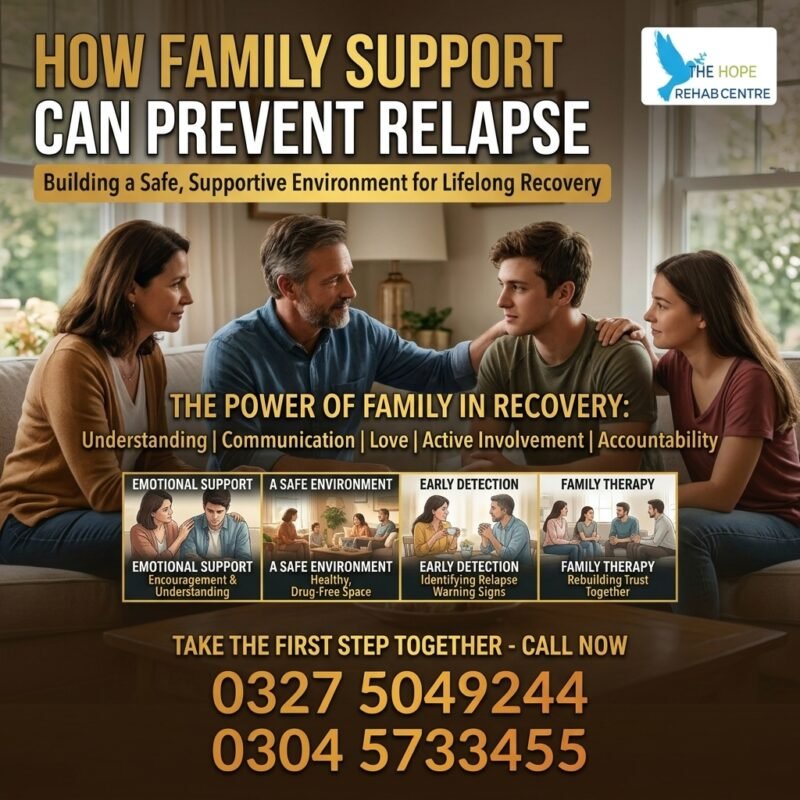
Addiction often affects the entire family, not just the individual receiving treatment. Family involvement can improve communication, rebuild trust, and strengthen long-term recovery.
Family support programs may include:
- Family counseling
- Education about addiction
- Communication skills training
- Healthy boundary setting
- Emotional support strategies
At The Hope Rehabilitation Center Islamabad, Pakistan, family participation is encouraged whenever it supports the individual’s recovery journey.
Relapse Prevention
Recovery continues after formal treatment is completed. Relapse prevention focuses on helping individuals recognize potential challenges and develop practical strategies for maintaining progress.
Relapse prevention plans may include:
- Identifying personal triggers
- Developing healthy routines
- Managing stress effectively
- Continuing therapy when needed
- Participating in support groups
- Building positive social connections
Long-term recovery is strengthened through consistent follow-up care and continued personal growth.
Benefits of Professional Addiction Treatment Programs
Comprehensive addiction treatment programs offer numerous benefits, including:
- Personalized treatment planning
- Professional medical supervision
- Evidence-based therapies
- Mental health support
- Improved emotional well-being
- Stronger family relationships
- Enhanced coping skills
- Long-term recovery support
These services help individuals address the physical, emotional, and behavioral aspects of addiction while improving overall quality of life.
Why Choose Professional Care?
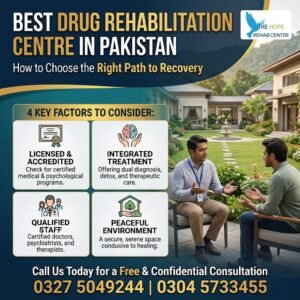
Recovery is often more successful when guided by experienced healthcare professionals who understand the complexities of addiction. Professional treatment provides a safe, structured environment where individuals can focus on healing while receiving compassionate support.
At The Hope Rehabilitation Center Islamabad, Pakistan, addiction treatment programs are designed to meet each person’s unique needs through individualized care, clinical expertise, and a commitment to long-term recovery.
Frequently Asked Questions (FAQs)
1. What are addiction treatment programs?
Addiction treatment programs are structured services that combine medical care, counseling, behavioral therapies, and recovery planning to help individuals overcome substance use disorders.
2. Is detoxification included in every treatment program?
Not always. Detoxification is recommended only when clinically appropriate, depending on the type of substance used, level of dependence, and individual health needs.
3. Can addiction treatment help with mental health conditions?
Yes. Many comprehensive programs address both addiction and co-occurring mental health conditions, providing integrated and individualized care.
4. Why is family involvement important during recovery?
Family support can improve communication, strengthen relationships, encourage treatment participation, and provide emotional encouragement throughout recovery.
5. Can people achieve long-term recovery after treatment?
Yes. Many individuals achieve lasting recovery through professional treatment, continued counseling, relapse prevention planning, healthy lifestyle changes, and ongoing support.
Conclusion
Addiction is a treatable health condition, and recovery is possible with comprehensive, evidence-based care. Effective addiction treatment programs address not only substance use but also the emotional, behavioral, and social factors that contribute to addiction.
At The Hope Rehabilitation Center Islamabad, Pakistan, personalized addiction treatment programs combine medical assessment, counseling, behavioral therapies, family support, relapse prevention, and aftercare planning to help individuals build healthier, more fulfilling lives. With compassionate care and ongoing support, every step toward recovery becomes an opportunity for lasting positive change.