Alcohol addiction is a serious health condition that can affect a person’s physical health, emotional well-being, relationships, work, and daily life. What may begin as occasional drinking can become difficult to control for some people. Over time, repeated alcohol use may lead to dependence, cravings, and continued drinking despite negative consequences.
Understanding alcohol addiction is an important first step toward seeking appropriate help. Recovery is possible, but treatment needs to be based on the person’s health, drinking history, mental health, and individual circumstances.
At The Hope Rehabilitation Center Islamabad, Pakistan, people and families can explore appropriate rehabilitation and recovery support based on professional assessment and individual needs.
What Is Alcohol Addiction?
Alcohol addiction, commonly referred to clinically as alcohol use disorder, involves difficulty controlling alcohol use despite harmful consequences. It can range from mild to severe, and symptoms can vary between individuals.
Some possible signs include:
- Strong urges to drink
- Drinking more or for longer than intended
- Repeated attempts to reduce or stop drinking without success
- Spending significant time obtaining, drinking, or recovering from alcohol
- Neglecting work, education, family, or social responsibilities
- Continuing to drink despite physical or emotional problems
- Developing tolerance to alcohol
- Experiencing withdrawal symptoms when alcohol use is reduced or stopped
Having one or more signs doesn’t automatically establish a diagnosis. A qualified healthcare professional can conduct an appropriate assessment.
Why Alcohol Addiction Develops
There is no single cause of alcohol addiction. Several factors can contribute to problematic alcohol use.
Biological Factors
Genetics, brain chemistry, and individual differences in how the body responds to alcohol may influence vulnerability to dependence.
Mental Health
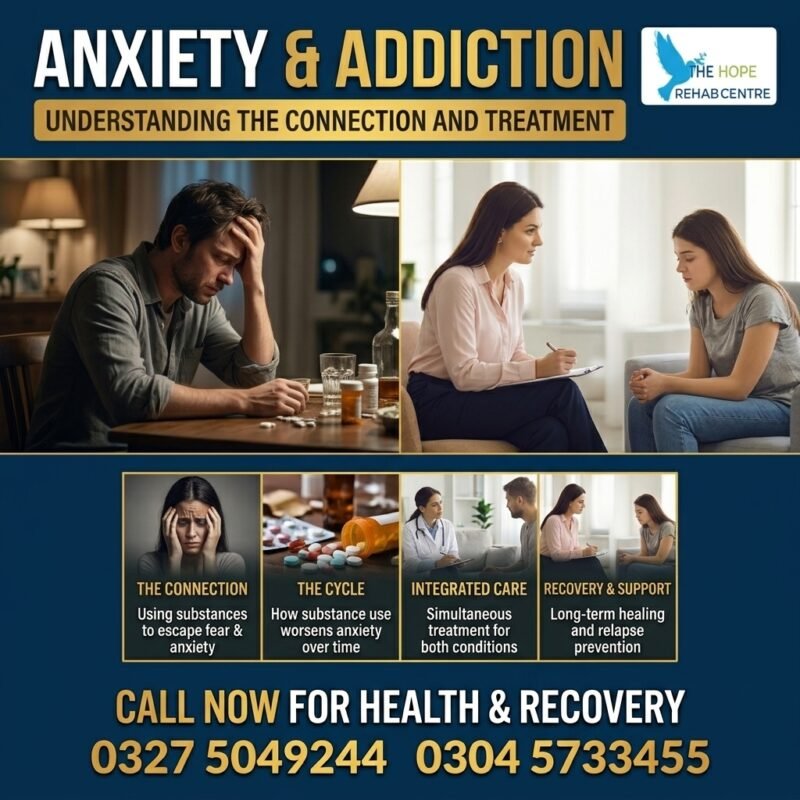
Depression, anxiety, trauma, chronic stress, and other mental health difficulties may occur alongside problematic drinking. Some individuals may use alcohol in an attempt to cope with difficult emotions, although alcohol can ultimately make these problems harder to manage.
Social and Environmental Factors
Family circumstances, peer influence, social norms, stressful environments, and easy access to alcohol can also affect drinking patterns.
Understanding these factors can help treatment professionals develop a more complete recovery plan.
Health Effects of Long-Term Alcohol Misuse
Heavy or prolonged alcohol consumption can affect many parts of the body.
Potential health concerns include:
- Liver disease
- High blood pressure
- Cardiovascular problems
- Digestive difficulties
- Sleep disruption
- Weakened immune function
- Memory and concentration problems
- Nutritional deficiencies
- Increased risk of certain cancers
Alcohol can also affect mental health and may contribute to depression, anxiety, relationship difficulties, and problems with decision-making.
The effects vary depending on drinking patterns, individual health, and other factors.
Alcohol Withdrawal Can Require Medical Attention
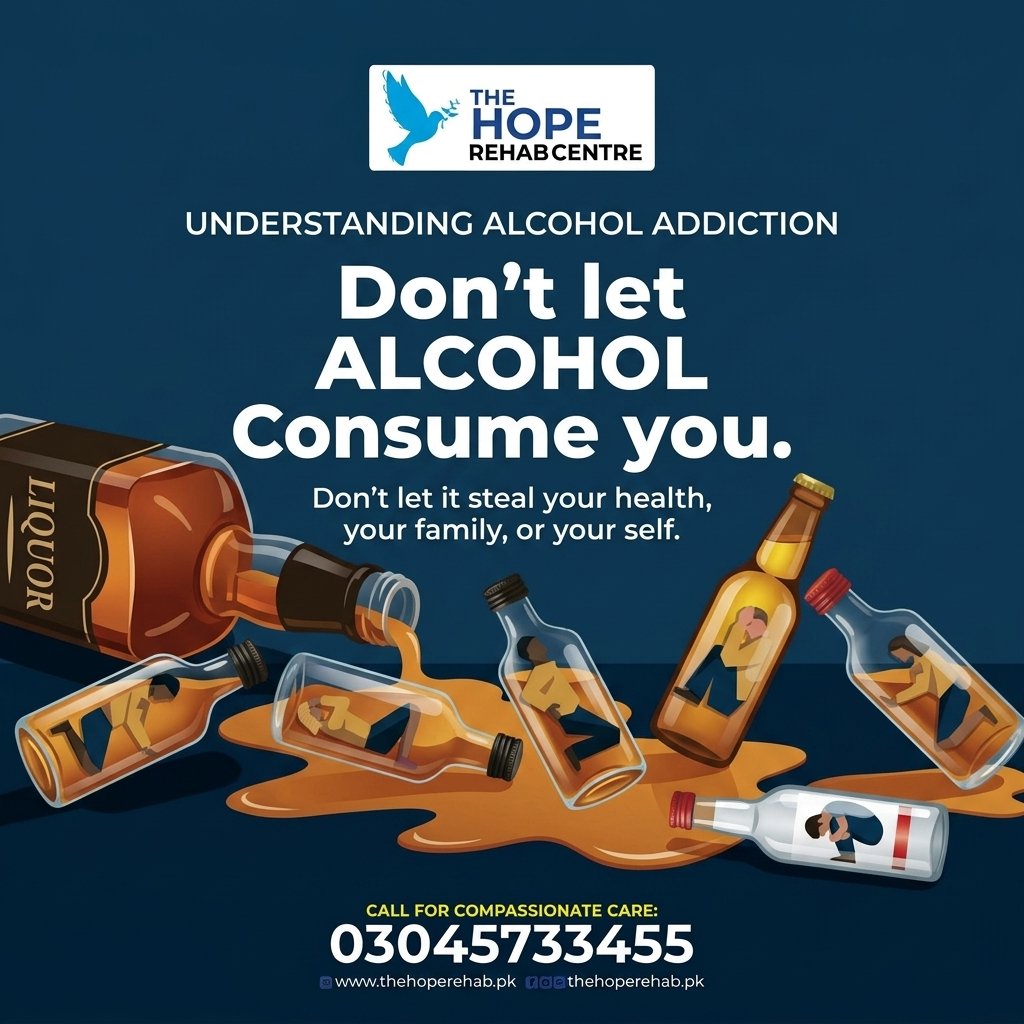
One of the most important considerations in alcohol addiction treatment is withdrawal.
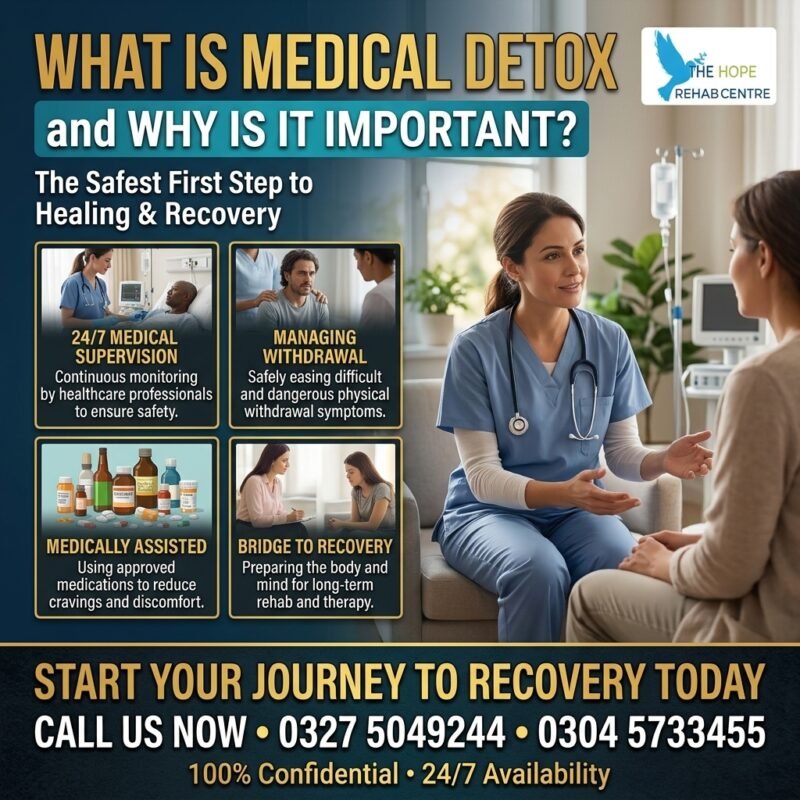
A person who has developed physical dependence may experience symptoms after reducing or stopping alcohol. These can include shaking, sweating, anxiety, nausea, insomnia, and an elevated heart rate.
In severe cases, alcohol withdrawal can cause seizures, hallucinations, severe confusion, or delirium tremens. These complications can be life-threatening.
For this reason, someone who drinks heavily or regularly should not assume that suddenly stopping alcohol is always safe. Medical assessment can help determine the appropriate approach.
Emergency medical care should be sought for severe confusion, seizures, hallucinations, difficulty breathing, loss of consciousness, or other serious symptoms.
Alcohol Addiction Treatment
Treatment should be individualized rather than based on a single method. Depending on a person’s needs, treatment may involve several stages.
Assessment
A healthcare professional may review alcohol use, physical health, mental health, medications, previous treatment, and withdrawal history.
Detoxification
For individuals who require it, medically supervised withdrawal management can help address alcohol withdrawal safely. Detox is not the same as complete addiction treatment.
Counseling and Behavioral Therapy
Therapy can help individuals understand patterns of drinking, identify triggers, develop coping skills, and work toward healthier behaviors.
Mental Health Treatment
When depression, anxiety, trauma, or another psychiatric condition occurs alongside alcohol addiction, both concerns may need attention.
Aftercare and Relapse Prevention
Continuing care can help individuals manage cravings, recognize warning signs, maintain healthy routines, and seek assistance when difficulties arise.
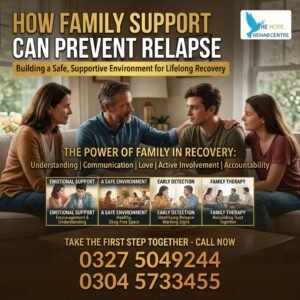
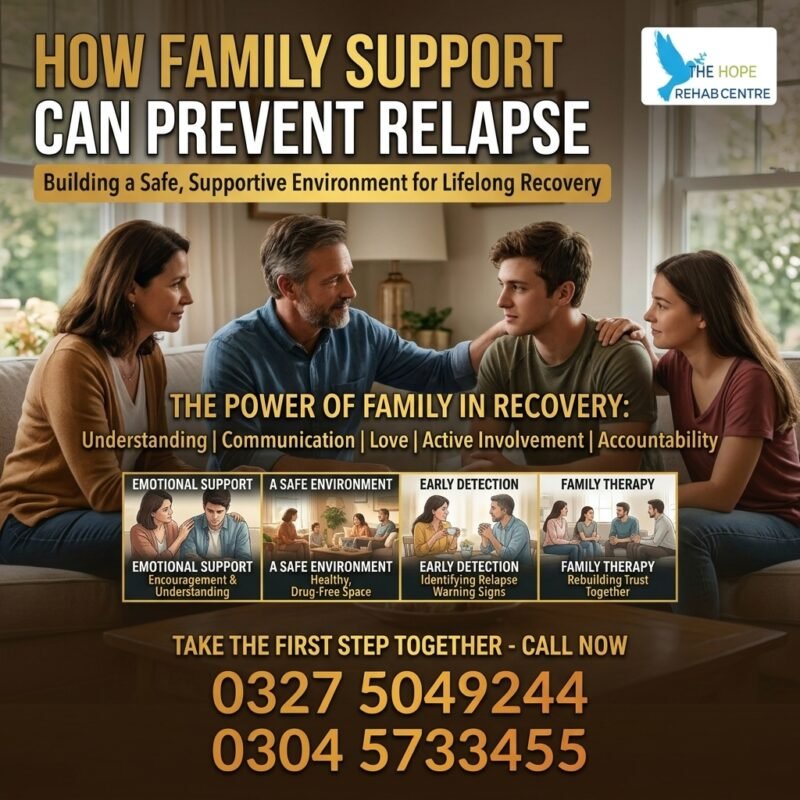
The Role of Family Support
Alcohol addiction can place considerable strain on families. Relatives may experience worry, frustration, anger, or uncertainty about how to respond.
Family support can include education about addiction, counseling, improved communication, and healthy boundaries.
Being supportive doesn’t mean ignoring harmful behavior. Families can encourage treatment while protecting their own emotional and physical well-being.
Recovery Is More Than Stopping Alcohol
Stopping alcohol use is an important milestone, but long-term recovery often involves broader changes.
These may include:
- Developing healthier coping strategies
- Improving sleep and daily routines
- Building supportive relationships
- Addressing mental health concerns
- Avoiding high-risk situations
- Participating in counseling
- Developing a relapse-prevention plan
- Maintaining appropriate follow-up care
Recovery looks different for each person. Some people need intensive treatment, while others may benefit from less intensive outpatient support.
How The Hope Rehabilitation Center Can Help
The Hope Rehabilitation Center Islamabad, Pakistan takes a rehabilitation-focused perspective in which treatment needs should be considered individually. Appropriate care may involve assessment, counseling, family involvement, relapse-prevention planning, and continuing support.
No responsible healthcare provider can guarantee a particular outcome. Recovery can involve progress, challenges, and changes to the treatment plan over time.
The most appropriate level of care depends on the individual’s medical condition, alcohol use pattern, mental health, support system, and professional assessment.
Frequently Asked Questions
1. What are the common signs of alcohol addiction?
Signs may include difficulty controlling drinking, strong cravings, increased tolerance, neglect of responsibilities, repeated unsuccessful attempts to stop, and continued drinking despite harmful consequences.
2. Is alcohol withdrawal dangerous?
It can be. Severe alcohol withdrawal may involve seizures, hallucinations, severe confusion, or delirium tremens. People with significant alcohol dependence should seek medical advice before stopping suddenly.
3. Is detox enough to treat alcohol addiction?
No. Detox primarily addresses the physical effects of withdrawal. Long-term recovery may also require counseling, behavioral therapy, mental health care, family support, and relapse-prevention strategies.
4. Can alcohol addiction occur alongside depression or anxiety?
Yes. Alcohol use disorder and mental health conditions can occur together. Professional assessment can help determine whether both require treatment.
5. How can family members support someone with alcohol addiction?
Families can encourage professional treatment, learn about addiction, communicate respectfully, maintain appropriate boundaries, and support healthy recovery routines without enabling harmful drinking.
Conclusion
Alcohol addiction is a complex health condition that can affect nearly every area of life. Recognizing the signs and seeking appropriate professional assessment can help individuals understand their treatment options.
Recovery may involve medically appropriate withdrawal management, counseling, behavioral therapy, mental health care, family support, and continuing aftercare. At The Hope Rehabilitation Center Islamabad, Pakistan, treatment can be approached with dignity, compassion, realistic expectations, and attention to each individual’s circumstances.