Mental health is an essential part of overall health and well-being. It affects how people think, feel, behave, and respond to life’s challenges. Just as physical health requires care and attention, mental health also needs support, balance, and awareness.
Good mental health allows individuals to manage stress, build healthy relationships, make decisions, and cope with daily responsibilities. When mental health is neglected, it can affect every part of life, including emotional stability, physical health, work, family life, and personal growth.
At The Hope Rehabilitation Center Islamabad, Pakistan, mental health support is treated as a vital part of recovery and long-term wellness, offering structured care for individuals facing emotional and psychological challenges.
What Is Mental Health?
Mental health refers to a person’s emotional, psychological, and social well-being. It influences how people handle stress, relate to others, and make choices.
Mental health is not just the absence of illness. It also includes:
- Emotional balance
- Healthy coping skills
- Positive relationships
- Self-awareness
- The ability to manage life’s challenges
Strong mental health supports a person’s ability to live a stable and productive life.
Common Mental Health Challenges
Mental health conditions can affect anyone, regardless of age, gender, or background. Some common challenges include:
Depression
A condition marked by persistent sadness, loss of interest, low energy, and emotional distress.
Anxiety Disorders
Excessive worry, fear, or nervousness that can affect daily life.
Stress-Related Conditions
Long-term stress can affect both emotional and physical health.
Trauma and PTSD
Past traumatic experiences can continue to impact emotional stability and behavior.
Substance Use Disorders
Addiction often has a strong connection with mental health, making dual treatment important.
At The Hope Rehabilitation Center Islamabad, Pakistan, mental health programs focus on addressing these conditions through therapy, counseling, and emotional support.
Signs That Mental Health May Need Attention
Recognizing emotional struggles early can help prevent more serious problems later. Some warning signs include:
- Persistent sadness or irritability
- Difficulty concentrating
- Sleep disturbances
- Social withdrawal
- Sudden mood changes
- Feeling overwhelmed or hopeless
- Loss of interest in daily activities
If these symptoms continue over time, professional support may be helpful.
Factors That Affect Mental Health
Mental health can be influenced by many factors, including:
- Family history
- Emotional trauma
- Financial stress
- Relationship problems
- Chronic illness
- Substance abuse
- Social isolation
Understanding these factors can help individuals take preventive steps and seek support when needed.
Importance of Mental Health Treatment
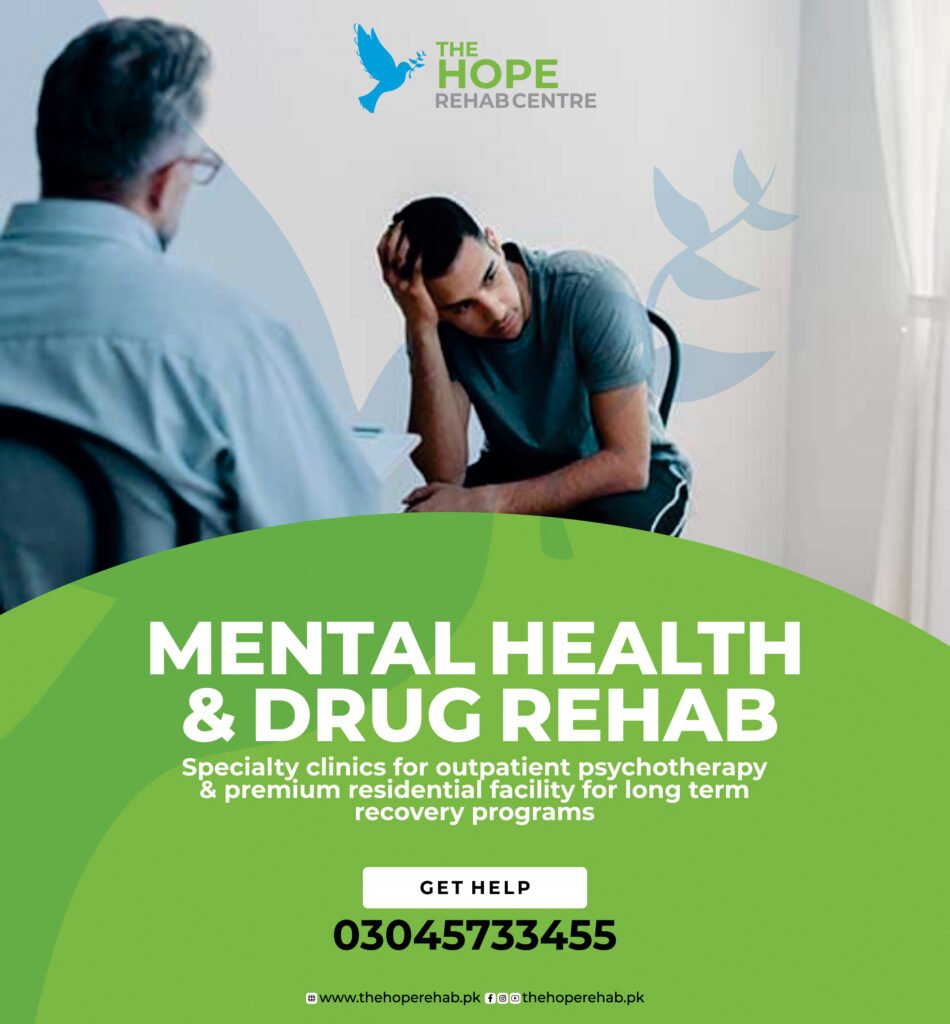
Seeking support for mental health is a sign of strength, not weakness. Professional care can help individuals better understand their emotions and develop healthier ways to cope with life’s difficulties.
Treatment options may include:
Therapy and Counseling
Talking to a mental health professional can provide emotional relief, guidance, and practical coping strategies.
Behavioral Therapy
Approaches like Cognitive Behavioral Therapy (CBT) help individuals change harmful thought patterns.
Stress Management
Learning relaxation techniques and healthy routines can improve emotional resilience.
At The Hope Rehabilitation Center Islamabad, Pakistan, mental health treatment is personalized to each individual’s needs, focusing on long-term emotional stability.
Ways to Improve Mental Health
Mental health can be strengthened through simple but consistent habits:
- Get enough sleep
- Stay physically active
- Maintain healthy eating habits
- Build strong social connections
- Practice mindfulness or meditation
- Limit substance use
- Seek help when needed
These habits can improve emotional balance and support overall well-being.
The Connection Between Mental Health and Addiction
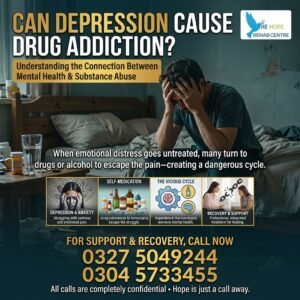
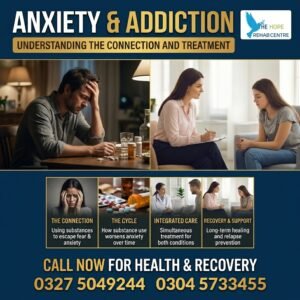
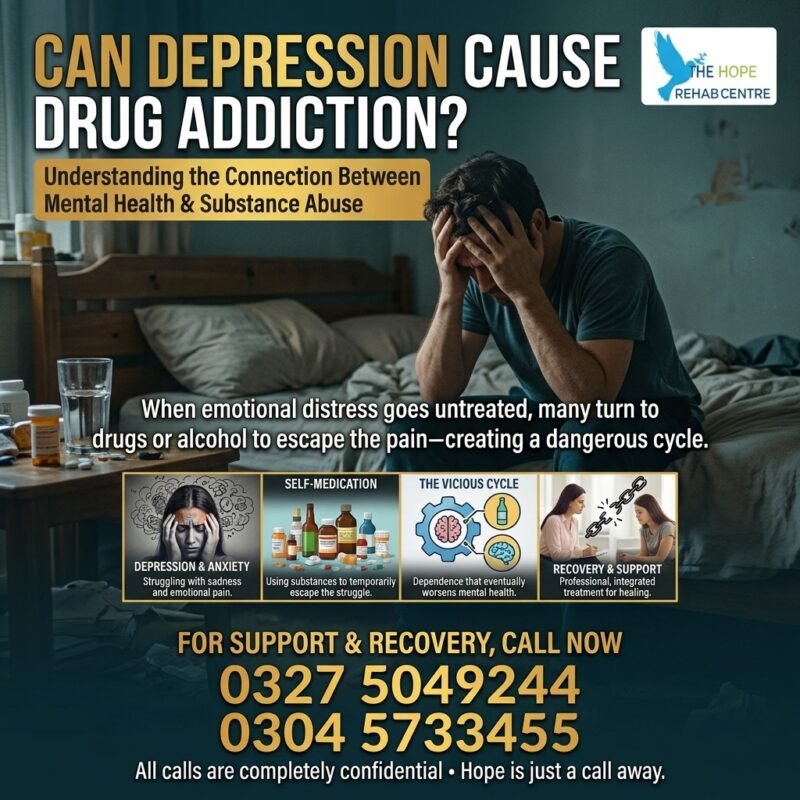
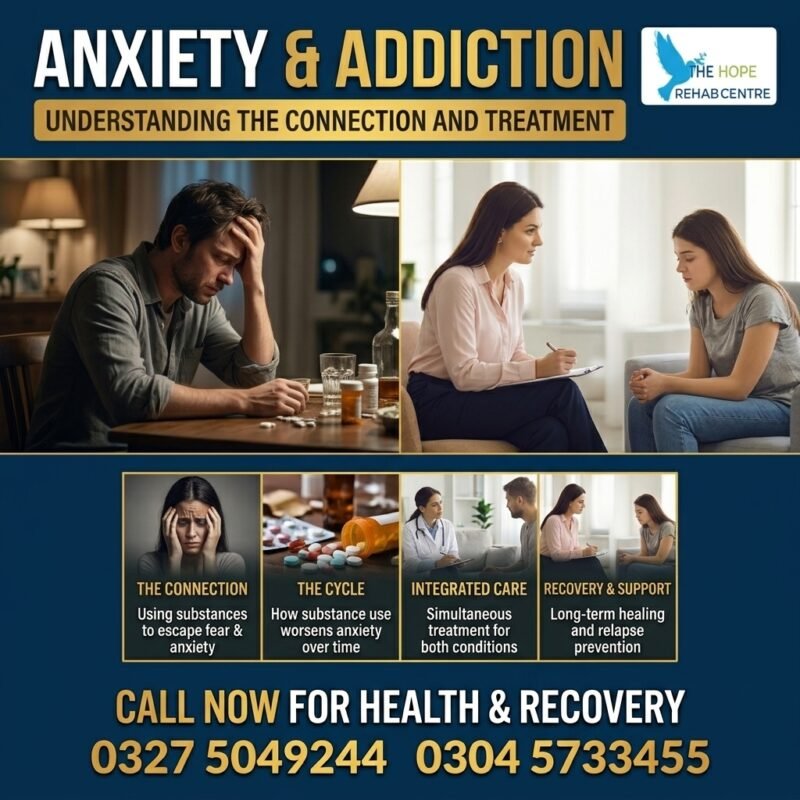
Mental health and addiction often go hand in hand. Many individuals struggling with substance use may also experience depression, anxiety, or trauma.
This is why integrated treatment is important.
At The Hope Rehabilitation Center Islamabad, Pakistan, treatment programs address both addiction and mental health together, helping individuals achieve more balanced recovery.
Frequently Asked Questions (FAQs)
1. Why is mental health important?
Mental health affects thoughts, emotions, behavior, relationships, and the ability to cope with life.
2. Can mental health affect physical health?
Yes. Poor mental health can contribute to fatigue, sleep issues, headaches, and other physical symptoms.
3. Is stress a mental health issue?
Stress itself is normal, but long-term unmanaged stress can lead to mental health challenges.
4. Can therapy help improve mental health?
Therapy can help individuals understand emotions, manage stress, and develop healthier coping strategies.
5. When should someone seek mental health support?
Support should be considered when emotional struggles begin affecting daily life, relationships, or personal well-being.
Conclusion
Mental health is a vital part of living a balanced and healthy life. It shapes how individuals think, feel, and respond to challenges. Understanding mental health and recognizing when support is needed can make a significant difference in long-term well-being.
At The Hope Rehabilitation Center Islamabad, Pakistan, mental health care focuses on compassion, structure, and individualized support. Through therapy, counseling, and emotional guidance, individuals can work toward greater stability, resilience, and a healthier future.