A Drug Addiction Treatment Centre can provide structured professional support for people experiencing problems with substance use. Drug addiction can affect physical health, mental well-being, family relationships, education, employment, and financial stability. For many people, recovery requires more than simply deciding to stop using drugs.
Addiction is a complex health condition influenced by biological, psychological, and social factors. Appropriate treatment can help individuals understand their substance use, manage cravings, address underlying concerns, and develop healthier coping strategies. The Hope Rehabilitation Center Islamabad, Pakistan takes a compassionate and individualized approach to addiction recovery.
Understanding Drug Addiction
Drug addiction, also known as a substance use disorder, can involve difficulty controlling drug use despite harmful consequences. Repeated exposure to certain substances can lead to tolerance, cravings, and physical or psychological dependence.
Different drugs affect the body in different ways. Heroin and other opioids, methamphetamine, cannabis, sedatives, and prescription medicines can each create different health and withdrawal risks.
Because addiction varies from person to person, treatment should begin with an appropriate professional assessment.
When Treatment May Be Needed
Professional support may be appropriate when drug use begins interfering with everyday life or becomes difficult to control.
Possible indicators include:
- Repeated unsuccessful attempts to stop using drugs
- Strong cravings
- Neglect of work, education, or family responsibilities
- Withdrawal symptoms after reducing or stopping use
- Changes in mood, sleep, or behavior
- Increasing secrecy or social withdrawal
- Financial or relationship difficulties
- Continued drug use despite health problems
Experiencing one symptom doesn’t necessarily establish addiction. A qualified professional can help determine whether treatment is needed.
Common Types of Drug Addiction
A Drug Addiction Treatment Centre may support people experiencing dependence on different substances, including:
- Heroin and other opioids
- Methamphetamine and other stimulants
- Cannabis or marijuana
- Prescription medications when misused
- Sedative or anxiety medications
- Multiple substances
Polysubstance use can increase health risks and may require a more comprehensive assessment.
Signs of Drug Dependence
Drug dependence can involve both physical and behavioral changes. Some individuals may experience tolerance, withdrawal, cravings, or an increasing focus on obtaining and using the substance.
Changes in relationships, personal hygiene, sleeping patterns, appetite, finances, and daily responsibilities may also occur.
Because these symptoms can have different causes, professional evaluation is important before deciding on a treatment plan.
Assessment Before Treatment
A thorough assessment helps determine the appropriate level of care. Healthcare professionals may consider:
- Type and duration of substance use
- Frequency and amount of use
- Previous treatment attempts
- Physical health conditions
- Mental health history
- Other medications or substances
- Family and social circumstances
- Potential withdrawal or safety concerns
This information helps create an individualized treatment plan rather than applying the same approach to every person.
Detoxification and Medical Support
Detoxification focuses on managing the physical effects of stopping or reducing substance use. Some people can experience significant withdrawal symptoms and may require medical supervision.
Withdrawal from heavy alcohol use and certain sedative medications can be particularly dangerous. Opioid withdrawal can also be severe and may increase the risk of returning to drug use after tolerance has fallen.
Detox should therefore be viewed as an initial stage of care rather than a complete solution to addiction.
Counseling and Behavioral Therapy
Counseling can address the emotional, behavioral, and psychological aspects of addiction. It may help individuals recognize triggers, manage cravings, improve decision-making, and develop healthier responses to stress.
Individual Counseling
One-to-one counseling offers a private setting to discuss substance use patterns, personal concerns, relationships, trauma, and recovery goals.
Group Therapy
Group therapy can provide peer connection and opportunities to learn from others experiencing similar challenges. Structured groups may also support communication and recovery skills.
The specific therapeutic approach should depend on professional assessment and individual needs.
Mental Health and Co-Occurring Conditions
Substance use disorders can occur alongside depression, anxiety, trauma, or other mental health conditions. These concerns may contribute to substance use or become more difficult to manage alongside addiction.
When both conditions are present, treatment should consider them together. Appropriate mental health assessment and professional coordination can help ensure that important psychological needs aren’t overlooked.
Family Support During Recovery
Addiction can affect the entire family. Relatives may experience stress, fear, frustration, or uncertainty about how to help.
Family education can improve understanding of addiction and help relatives develop healthier communication and boundaries. Family involvement should support recovery without placing blame on either the individual or their relatives.
Relapse Prevention and Aftercare
Treatment doesn’t necessarily end when a person completes a rehabilitation program. Continuing support can help individuals manage triggers and adjust to everyday life.
An aftercare plan may include counseling, follow-up care, peer support, family involvement, healthy routines, and strategies for handling cravings.
If relapse occurs, it can be an indication that the treatment plan needs reassessment or additional support. It shouldn’t automatically be treated as a personal failure.
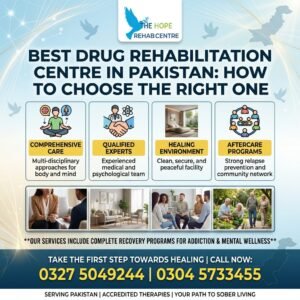
Choosing a Drug Addiction Treatment Centre
When selecting a Drug Addiction Treatment Centre, families can ask important questions about:
- Professional qualifications and experience
- Medical assessment and supervision
- Detoxification procedures
- Counseling and behavioral therapies
- Mental health services
- Family involvement
- Privacy and safety
- Relapse-prevention planning
- Aftercare and follow-up support
A responsible healthcare provider should explain its treatment approach clearly and avoid guaranteeing specific recovery outcomes.
The Hope Rehabilitation Center Islamabad, Pakistan
The Hope Rehabilitation Center Islamabad, Pakistan provides a structured setting for individuals and families seeking support for addiction-related concerns. Depending on individual needs, rehabilitation may involve assessment, counseling, behavioral support, family education, relapse-prevention planning, and continuing care.
The purpose of addiction treatment extends beyond stopping drug use. Recovery may also involve developing healthier routines, improving emotional coping skills, strengthening relationships, and addressing factors that contribute to substance use.
Frequently Asked Questions
1. What does a drug addiction treatment centre do?
A treatment centre can provide assessment, counseling, behavioral support, medical care when appropriate, family education, and recovery planning for people experiencing substance use disorders.
2. Is detox necessary for everyone?
Not everyone requires the same type of detoxification or medical support. The need depends on the substance, pattern of use, physical health, withdrawal risk, and professional assessment.
3. Can drug addiction be treated successfully?
Drug addiction is treatable, but recovery doesn’t follow exactly the same path for everyone. Individualized treatment and continuing support can help people work toward long-term recovery.
4. How long does addiction treatment take?
There is no single treatment duration suitable for everyone. The appropriate length and level of care depend on substance use, health conditions, treatment response, and ongoing recovery needs.
5. Can families participate in treatment?
Yes, family education and counseling can be useful when appropriate. Families can learn about addiction, communication, boundaries, and ways to support recovery.
Conclusion
A Drug Addiction Treatment Centre can offer an important combination of professional care, structured support, counseling, and recovery planning. Choosing treatment should involve considering the individual’s substance use, physical and mental health, family circumstances, and long-term needs.
With appropriate assessment and individualized care, people affected by addiction can develop healthier coping strategies and work toward a more stable recovery. Seeking professional support can be an important step toward addressing substance use with dignity, compassion, and informed care.