Ecstasy, or MDMA, is a man-made substance that alters mood, energy levels and perception. Although often associated with such environments as parties or social gathering, repeated use can lead to dependency and severe health issues. Eventually, people may come to depend on the drug for their energy, self-assurance, or emotional connection, and that dependence can lead to addiction.
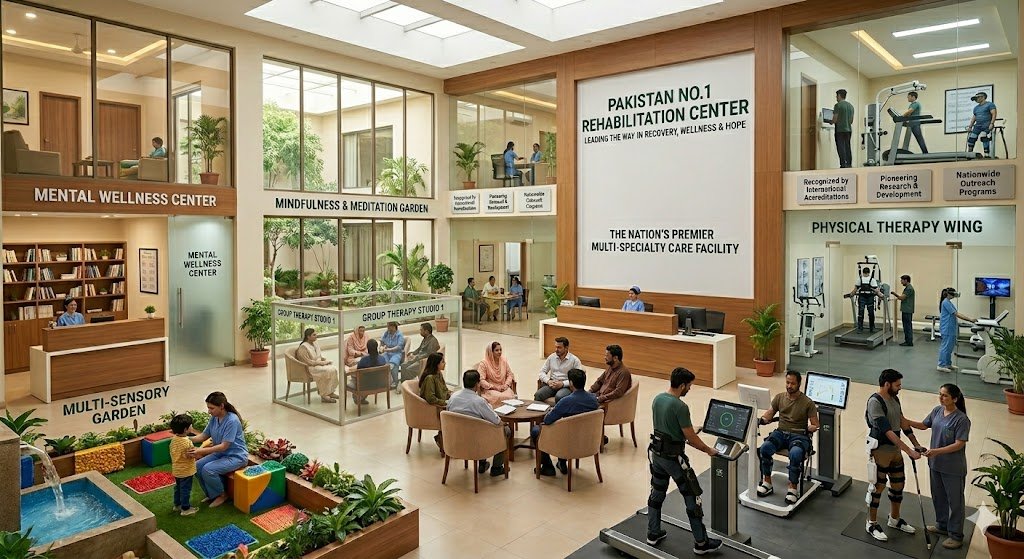
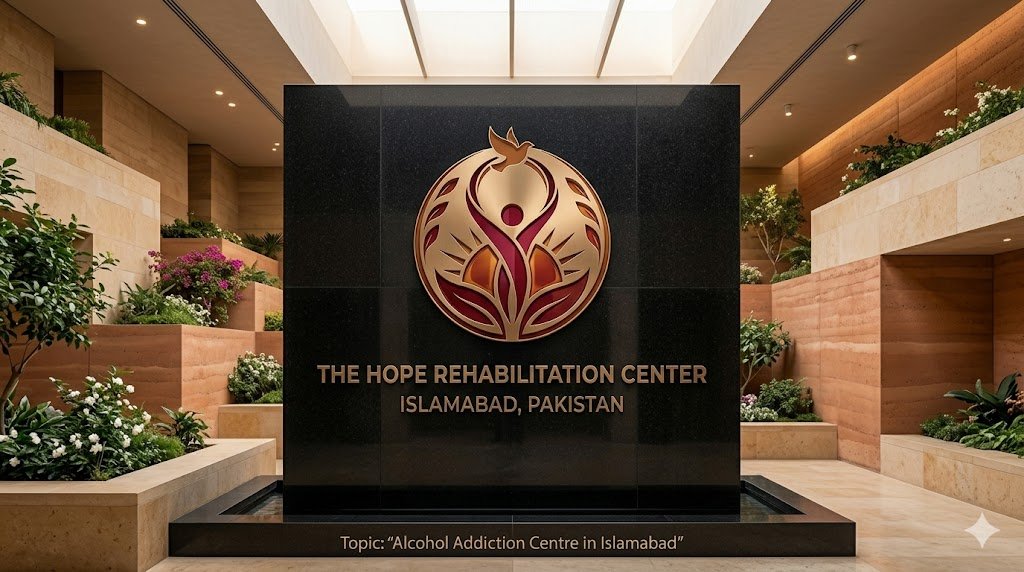
It is also essential to identify the signs of ecstasy addiction and get professional help. One of the best Addiction Treatment Center in Islamabad, Pakistan provides a safe and controlled environment where you can receive structured care. Treatment programs at The Hope Rehabilitation Center Islamabad Pakistan focuses on psycho-behavioral aspects of addiction and also helps you to recover for long-term.
Awareness of the dangers associated with ecstasy and treatment options can lead users and their families to make informed decisions towards a better life.
Understanding Ecstasy Addiction
How does Ecstasy work? Ecstasy promotes the release of several chemicals in the brain, most notably serotonin and dopamine. These chemicals affect mood, enjoyment and emotional bonding. Although the initial outcome may provide more energy levels and happiness, chronic usage can de-regulate the brain’s natural state.
As time goes on, people may seek larger doses to experience the same effects. Over time, this behavior can escalate into dependence which is when the body and mind start to crave the substance.

A seasoned Addiction Treatment Center in Islamabad, Pakistan carries out medical and psychological evaluations to assess the degree of addiction and suggest possible treatment approaches.
Symptoms and Signs of Ecstasy Addiction
People can learn to identify the early signs of ecstasy addiction and seek help sooner. Symptoms can range from person to person, but some common signs include:
- Frequent cravings for the drug
- Increased tolerance, requiring higher doses
- Mood swings or emotional instability
- Sleep disturbances or fatigue
- Reduced concentration or memory difficulties
- Isolation from family or community activities
If these symptoms become disruptive to daily life, they may require professional help from Addiction Treatment Center Islamabad Pakistan.
What Are the Health Effects of Long-Term Ecstasy Use?
While ecstasy is viewed by some as a party drug with relatively few dangers, it can have long-term effects on both mental and physical health.
Possible effects may include:
- Anxiety and depression
- Difficulty with memory and learning
- Emotional instability
- Sleep problems and fatigue
- Higher stress on the body and brain
For instance, The Hope Rehabilitation Center Islamabad Pakistan, assesses the physical and psychological aspects of substance use at the time of treatment planning.
A Professional Addiction Treatment Center: Islamabad, Pakistan works to cure health problems he faces and helps him restore his emotional balance.
Treatment Approaches for Ecstasy Addiction
Treatment involves a combination of medical assistance, therapy, and emotional support. These programs are meant to get them to recognize the patterns of their behavior and teach an alternative way of coping.
Medical Evaluation and Detox Support
Treatment typically begins with a thorough assessment of the person’s physical and mental health. This evaluation determines the best way to address withdrawal symptoms and initiate recovery as safely as possible.
During detox, patients are susceptible to medical complications and require clinical supervision – offered at The Hope Rehabilitation Center Islamabad, Pakistan – to safeguard safety throughout the first stages of treatment.
Behavioral Therapy
Psychotherapeutic techniques are, for instance, of CBT (Cognitive Behavioral Therapy) which is popularly used technique in recovery from addiction. Such therapies assist both individuals in taking notice of destructive habitual thought patterns, as well as forming more functional responses to emotional triggers or stress.
In a specialized Addiction Treatment Center in Islamabad, Pakistan, behavioral therapy is included to ensure that recovery period becomes permanent along with addiction prevention.
Individual and Group Counseling
Counseling sessions create a safe environment for individuals to speak openly about their personal experiences and struggles with substance use. Group therapy also enables patients to interact with people undergoing similar experiences, fostering a sense of camaraderie.
Counseling Programs at The Hope Rehabilitation Center Islamabad, Pakistan
Why You Want a Recovery Environment That Works in Your Favor
This humility and accountability become an addiction recovery ally when paired with a stable environment. The routines provided by rehabilitation centers are often structured and involve therapy sessions, educational discussions, and wellness activities.
A professional Addiction Treatment Center in Islamabad, Pakistan allows you to concentrate on your recovery away from the stressors or triggers of everyday life.
Treatment programs at The Hope Rehabilitation Center Islamabad Pakistan promote healthier habits among patients, enhance emotional awareness, and build on coping skills.
Long-Term Recovery and Relapse Prevention
For many, defeating addiction ultimately requires lifelong commitment and vigilance beyond the initial treatment period. Long-term success typically requires continued support and relapse prevention efforts.
Rehabilitation programs generally provide people with real-life skills like:
- Stress management and emotional regulation
- Developing positive daily routines
- Avoiding high-risk situations and identifying triggers
- Continuing counseling and follow-up care
an exclusive Addiction Treatment Center in Islamabad, Pakistan is committed to helping individuals achieve stability and establish healthy lifestyles following their treatment.
Frequently Asked Questions (FAQs)
1. What is ecstasy addiction?
MDMA addiction, in fact, occurs when someone develops a dependency on ecstasy and continues to take it despite negative effects on their life or health.
2. 16 common signs of ecstasy addiction include:
Characteristic symptoms include cravings, mood swings, sleep disturbances, increased tolerance and withdrawal from everyday activities.
3. Can ecstasy affect mental health?
Yes. Long-term use can lead to anxiety, depression, trouble with memory and emotional instability.
4. How is ecstasy addiction treated?
Treatment typically includes medical assessment, as well as counseling and behavioral therapies with continuing support to assist individuals in stopping destructive behaviors.
5. Why do you need rehabilitation center help?
The professionalism of an Addiction Treatment Center in Islamabad, Pakistan brings structure, therapeutic support, and guidance that can help someone safely be on the road to recovery.
Conclusion
The effects of ecstasy addiction include serious implications for mental and physical well-being. While the drug is able to create temporary feelings of pleasure or energy — it still leads to a dependence and instability in emotions when used over time.
Another option is to seek professional support, such as working with an Addiction Treatment Center in Islamabad Pakistan. With counseling, behavioral therapy, and supportive care, individuals can learn healthier coping strategies and work toward better emotional balance.
At The Hope Rehabilitation Center Islamabad, Pakistan treatment programs at the rehabilitation center emphasize ethical care, professional guidance, and recovery patient-centered. The center provides a supportive and structured environment to help individuals embark on their journey to lasting recovery and a healthier life.