Heroin Addiction in Pakistan is a serious health concern that can affect a person’s physical health, mental well-being, relationships, education, employment, and overall quality of life. Heroin is an opioid that can produce powerful feelings of pleasure and relaxation. Repeated use, however, can lead to tolerance, cravings, and physical dependence.
Recognizing the signs early can help families and individuals seek appropriate professional support. Addiction isn’t simply a matter of willpower. It is a complex health condition that may require medical care, counseling, behavioral support, and ongoing recovery planning. The Hope Rehabilitation Center Islamabad, Pakistan takes an informative and compassionate approach to understanding substance use and recovery.
Understanding Heroin Addiction
Heroin affects areas of the brain involved in pleasure, reward, pain, and stress. With repeated exposure, the brain can adapt to the presence of the drug. As a result, a person may increasingly rely on heroin to feel normal or avoid withdrawal symptoms.
Addiction may involve difficulty controlling use, strong cravings, and continued consumption despite harmful consequences. Some people may also use other substances at the same time, which can increase health risks and make treatment more complicated.
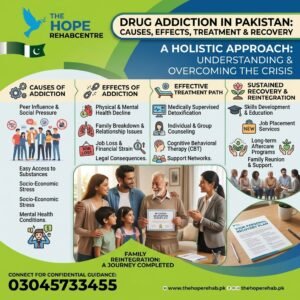
Causes and Risk Factors
There is no single reason why someone develops heroin addiction. Several factors can interact.
Physical Dependence
Repeated opioid use can lead to physical dependence. When heroin use is reduced or stopped, withdrawal symptoms can occur. Fear of these symptoms may make it harder for someone to stop using the drug.
Mental Health and Social Factors
Depression, anxiety, trauma, chronic stress, loneliness, and other emotional difficulties can sometimes occur alongside substance use. Peer influence, family difficulties, social isolation, and exposure to drug use may also increase risk.
Understanding these factors helps healthcare professionals develop a more appropriate treatment plan.
Signs of Heroin Addiction
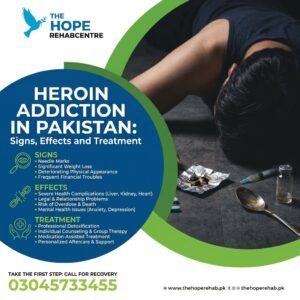
Heroin addiction can present differently from person to person. Possible signs include:
- Strong or frequent cravings for heroin
- Difficulty reducing or stopping use
- Spending significant time obtaining or using the drug
- Neglecting work, education, or family responsibilities
- Changes in sleeping and eating patterns
- Social withdrawal or secrecy
- Continued use despite health or relationship problems
- Withdrawal symptoms when heroin isn’t available
- Financial difficulties associated with substance use
One or two signs alone don’t necessarily establish an addiction. A professional assessment is the best way to understand what is happening.
Physical and Mental Effects
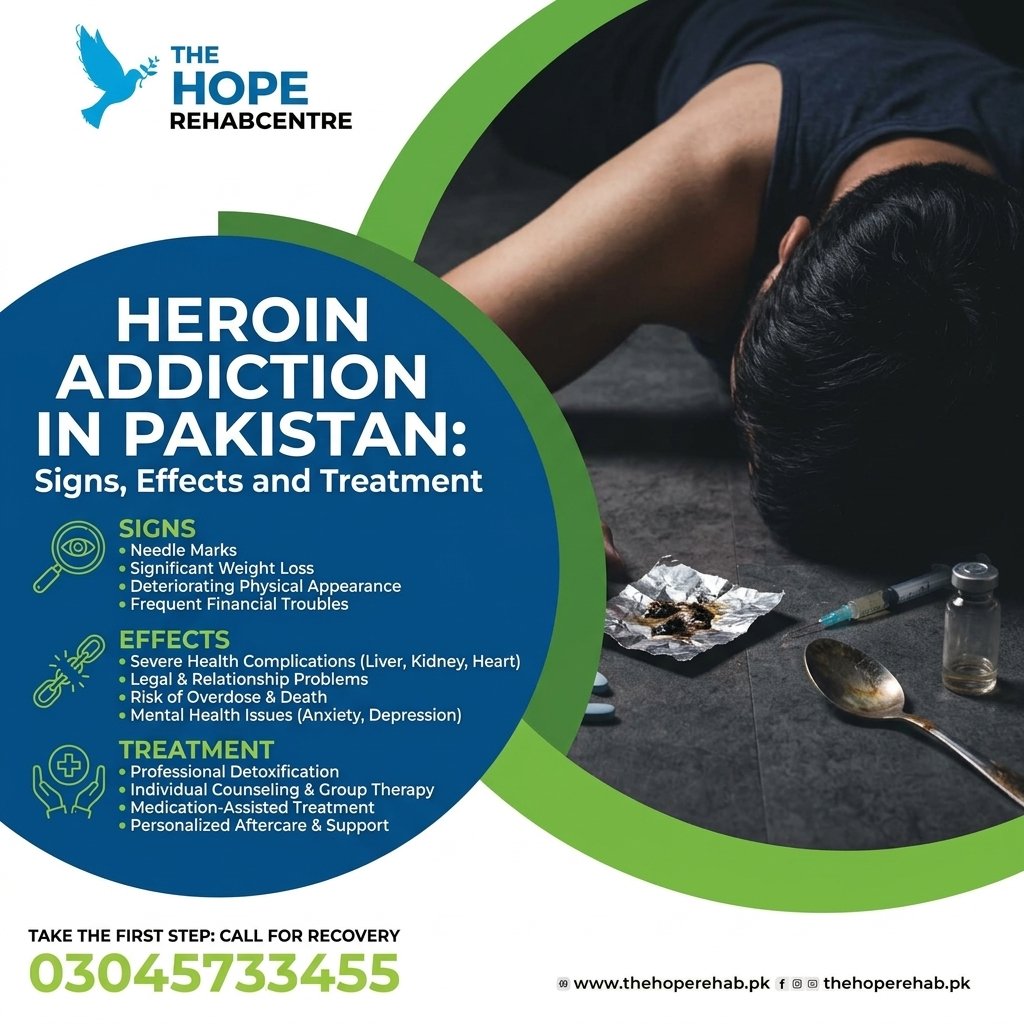
Heroin can have serious effects on both the body and mind.
Short-Term Effects
Short-term effects may include:
- Drowsiness and reduced alertness
- Slowed breathing
- Nausea or vomiting
- Confusion or impaired judgment
- Itching or flushing
- Reduced heart and breathing rates
The most serious immediate danger is overdose, particularly when heroin is combined with other substances that can suppress breathing.
Long-Term Health Consequences
Long-term heroin use can contribute to opioid dependence, respiratory problems, infections, poor nutrition, constipation, and other medical complications.
People who inject heroin may face additional risks, including skin and soft-tissue infections and blood-borne infections when needles or equipment are shared.
Mental health can also be affected. Mood changes, anxiety, social isolation, and difficulties with concentration may occur, although symptoms can have multiple causes.
Heroin Withdrawal and Detoxification
Withdrawal can begin after the effects of heroin wear off. Symptoms may include muscle aches, sweating, restlessness, anxiety, runny nose, stomach cramps, nausea, diarrhea, and sleep problems.
Opioid withdrawal is often extremely uncomfortable. It can also create challenges for maintaining recovery, particularly when someone attempts to manage it without appropriate support.
Detoxification addresses the immediate physical effects of stopping substance use, but detox alone doesn’t treat the underlying addiction. Continued treatment is generally important for reducing the risk of returning to problematic opioid use.
Assessment Before Treatment
A comprehensive assessment helps determine the appropriate level of care. Healthcare professionals may consider:
- Substance use history
- Current physical health
- Mental health symptoms
- Other medications or substances being used
- Previous treatment and relapse history
- Family and social circumstances
- Current safety concerns
This information can help create an individualized recovery plan rather than relying on a one-size-fits-all approach.
Heroin Addiction Treatment Options
Treatment can involve several forms of support depending on individual needs and clinical assessment.
Medical Support
Evidence-based medications for opioid use disorder may be appropriate for some individuals. These treatments can help reduce cravings and withdrawal and may support longer-term recovery.
Medication decisions should always be made by qualified healthcare professionals. The appropriate medication and treatment plan depend on the person’s medical history and circumstances.
Counseling and Behavioral Therapy
Counseling can help individuals understand triggers, manage cravings, develop coping skills, and address behaviors associated with substance use.
Behavioral therapy may also focus on emotional regulation, decision-making, relationships, and relapse prevention. Treating co-occurring mental health concerns is important when they are present.
Family Support in Recovery
Heroin addiction affects families as well as individuals. Relatives may experience fear, stress, anger, or confusion. Education can help families understand addiction without placing unnecessary blame on themselves or their loved one.
Healthy communication and clear boundaries are also important. Family members can encourage treatment while avoiding behaviors that unintentionally enable continued substance use.
Relapse Prevention and Aftercare
Recovery doesn’t end when the initial treatment period finishes. Aftercare can provide continuing support as a person returns to everyday responsibilities.
A recovery plan may include counseling, peer support, family involvement, healthy routines, and strategies for handling cravings and high-risk situations.
Relapse should not automatically be viewed as a personal failure. It can indicate that additional assessment or adjustments to treatment are needed.
Rehabilitation Support in Islamabad
The Hope Rehabilitation Center Islamabad, Pakistan recognizes that addiction recovery requires attention to the whole person. Appropriate rehabilitation may combine assessment, counseling, behavioral support, family education, relapse-prevention planning, and continuing care.
The purpose of professional rehabilitation is not simply to stop drug use temporarily. It is also to help individuals develop healthier coping strategies and work toward a more stable lifestyle.
Anyone experiencing a suspected opioid overdose should receive emergency medical attention immediately. Signs such as very slow or stopped breathing, inability to wake, or blue or gray lips or skin require urgent help.
Frequently Asked Questions
1. What are the most common signs of heroin addiction?
Strong cravings, inability to control use, withdrawal symptoms, secrecy, neglected responsibilities, and continued use despite harmful consequences are common warning signs.
2. Can heroin addiction be treated?
Yes. Opioid use disorder is treatable. Depending on individual needs, treatment may include medication, counseling, behavioral therapy, family support, and continuing care.
3. Is heroin withdrawal dangerous?
Withdrawal can be severe and extremely uncomfortable. Professional assessment is recommended, especially when other substances or medical conditions are involved.
4. Is detoxification enough to treat heroin addiction?
No. Detoxification addresses the immediate effects of stopping heroin but doesn’t by itself address the causes and behaviors associated with addiction. Continuing treatment and recovery support are important.
5. How can families support someone with heroin addiction?
Families can encourage professional treatment, learn about opioid use disorder, communicate without unnecessary judgment, establish healthy boundaries, and support appropriate aftercare.
Conclusion
Heroin Addiction in Pakistan is a complex health issue that deserves informed, compassionate, and evidence-based care. Recognizing the warning signs and seeking professional assessment can be an important first step.
Recovery can involve medical support, counseling, behavioral therapy, family involvement, and long-term aftercare. With an individualized approach, people affected by heroin dependence can work toward improved health, stronger coping skills, and a more stable recovery journey.