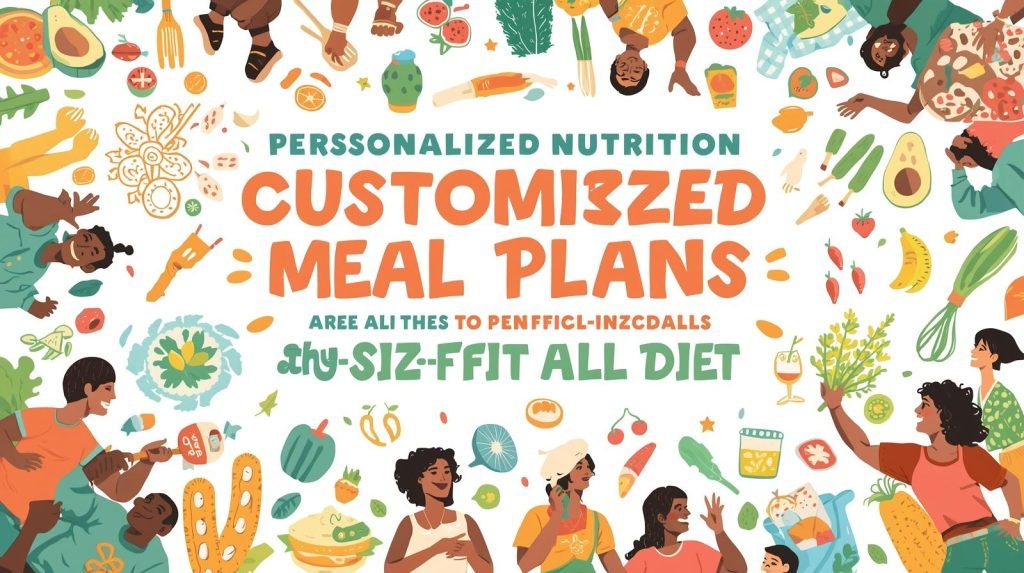

Where is the best rehabilitation center in Islamabad? It is not only fashionable to say, but essential that the sick and injured receive their nutrition there too. Here at The Hope Rehab Center, we know that Paleo, vegan and other one‑size‑fits‑all diets simply doesn’t deliver results. All of our approaches are customized Healthy Eating Plans (HEPs)e specific to each client’s body and condition. Healthy Eating Plans (HEPs) have been shown to deliver better recovery and overall health than plans based on other people’s ideas of your body image.Healthy Eating Plans: Graph
We provide these by route of graphing. This shows you immediately what “Best Detoxification & Rehabilitation Foods” might look like in actual dietry terms and from your point of view.You know your own body best.
Why “generic diets” fail in rehabilitation settings
In many facilities, patients are given standard diet charts: the same breakfast, lunch and dinner for everyone. But here’s the problem each person has unique needs–age, metabolism, activity level. Dietitian nutritionists see that individualized nutrition plans result in better outcomes than “generic” ones.
For example, at The Hope Rehab Center we treat individuals undergoing withdrawal and detoxified persons in our “Aftercare Clinic.” Their nutrient needs vary considerably: someone who has just come off drugs may require nutrient replenishment and gentle digestion whereas someone further along may be building up muscle again or has to handle a condition that goes hand in hand with mental health. A “generic” diet views these nuances as irrelevant and often leads to poor appetite, poor recovery, nutrient deficiencies and “The Plateau Syndrome” where you stall or stop making progress altogether.
The advantages of a personalized meal plan at the best rehabilitation center in Islamabad
Choosing The Hope Rehab Center as the best rehabilitation center in Islamabad means you receive a nutrition strategy that realizes you are not average–and neither should your diet be. Here are some good points:
1. Accurate nutritional assessment
Upon admission we conduct a detailed review of the person’s health history, eating habits, metabolic rate, nutrient deficiencies, allergies, and impacts of addiction or medication. This accords with dietetics best practices: “Initial consultation and nutritional assessment” as step one for individually tailored plans.
2. Custom-Designed Eating
Form Whether it is to restore strength, pacify the mind, to recover mental health via a diet or meal plan in line with psychological treatment standards can offer very different experiences. Even someone with liver damage on account of substance abuse will require different macronutrient and micronutrient needs from another person in the early stages of withdrawal.
3. Integrated with Treatment and Rehab
Just as we are the best rehabilitation center in Islamabad, our diet plan is not just one thing at all. It interacts with the exercise, physiotherapy, and medical treatments of a full that is whole. When diet, body and mind are all singing from three defferent hymn sheets (to borrow an English boxing parlance), healing deepens. Custom plans usually result in the fact that energy levels are better, moods are more controlled, drug cravings lose power rather than gaining it; there is also a much less destructive line overall for new eating habits.
4. Continuous Control & Changes
You are in a constant state of change as you recover. A diet plan that was perfect for week one might be sub‑optimal for week four. At The Hope Rehab Center, we continuously check up on how you’re doing nutritionally speaking and accordingly adjust your meals — much like they do in successful dietetic programs.
The Incompatibility of One‑Size‑Fits‑All Diets with Rehab Recovery New From Hope Rehab
Why generic diet plans simply don’t work when used in rehab contexts like ours Variously.
- Metabolic states. Substance abuse, withdrawal and medication all change metabolism in their own way. One patient might have a low metabolic rate, another could use nutrients badly.
- Varied nutrient deficits. Addiction frequently leads to lack of vitamins, minerals and amino‑acids in varying amounts for their accustomed eaters IDD standard fare will not supply each defunct item (e.g. low B‑vitamins, magnesium or omega‑3s)
- Eating behavior and psychological incentives. People are inherently emotional eaters, and when in a situation of fear or anxiety their natural cravings take over. Nor can this sort of thing be managed through any old diet.
- Physical activity levels and body composition need to be taken into account. Some clients might have a sedentary lifestyle during their early recovery, while others might do therapeutic exercise or physical rehabilitation exercises for the related diseases. Macronutrient and caloric needs are different too.
- Medical comorbidities. Detox may accompany liver, kidney, heart or mental‑health issues requiring specialised nutrition (low‑sodium, low‑fat, high‑protein, etc.). One‑size feeds no one.
- Long‑term sustainability. Generic diets often lead to boredom, frustration or relapse into unhealthy eating patterns. Personalized plans encourage sustainable, enjoyable choices
Frequently Asked Questions (FAQs)
1. Why are one-size-fits-all diets ineffective in rehabilitation?
At its base, this type of diet fails because every individual has unique nutritional needs affected by metabolism, medical history, substance-related deficiencies and therapy requirements. These differences tend to be overlooked in such generic diets, usually leading the road to slower recovery or nutrition imbalance.
2. How does The Hope Rehab Center concoct customized meal plans?
At the Hope Rehab Center, each patient’s medical history, current condition and goals in recovery are evaluated by our nutrition experts. According to this, we devise individualized meal plans to assist detox, therapy, overall mental health and physical recovery in an enjoyable yet sustainable manner.
3. Can customized diets help prevent relapse when rehabilitating?
Yes. Designed to enhance overall energy levels, mood stability and rooting our cravings which are prime relapse triggers they tick all three boxes. Such plans, from the emotional and physical nutritional perspectives, support lasting recovery and encourage healthful eating habits.
4. How often are meal plans altered at The Hope Rehab Center?
Regular reviews and modifications are made to these plans according to lab results, body composition changes, losing body weight, energy levels or moving therapy forward. In this way the program serves each patient as his or her own evolving diet throughout recovery.
5. Is customized nutrition meant only for physical health, or does it have any bearing on mental well-being as well?
Personalized – Hope Rehab Centre style ‡ nutrition supports both physical and mental health. It’s proper nutrients that can bring about obedience of the brain, total regulatory power over mood, good sleep habits and targeted concentration par excellence. So the results of therapy will go up along with their overall well-being during rehabilitation.
Conclusion: Invest in nutrition and invest in happiness
If you go to Islamabad’s best rehabilitation facility, Hope Rehab, you will not merely receive detoxification and therapy. You’ll be given a diet tailored specifically for you, not some sort of standard regime then retro-engineered to fit everyone else. When you are recovering your body rebuilds, your mind calms and your habits change. From that perspective proper food tailored to your specific requirements historicall slow you down; it creates nutritional gaps and recurrent triggers to old habits or fatigue.
One‑size‑fits‑all programs may be the stuff of low cost and simplicity, but they cannot deliver the kind of health restructuring required for permanent change. It is by customized meal plans that recovery meets endurance.
If you are ready now to invest in genuine wellness, mind‑body nutrition and permanent recovery, then we are here for you. At Hope Rehab Center, we are finally dedicated to caring about your future –almost literally, one meal at a time.