At the tender age of children, mental health is a very fragile but important part of his growth. In an increasingly busy world, children are constantly dealing with a variety of emotional and cognitive challenges, including but not limited to anxiety, depression, ADHD and behavior. It’s important to identify and tackle these issues at an early stage in order to promote healthy development. Now gaining popularity across the globe is an alternative method of tension relief and health promotion for children – music therapy. At Hope Rehab Center, the leading Mental Health Rehabilitation Center in Islamabad, we use music therapy as a part of our holistic treatment modalities to facilitate cognitive and emotional growth among children.
Understanding Music Therapy for Children
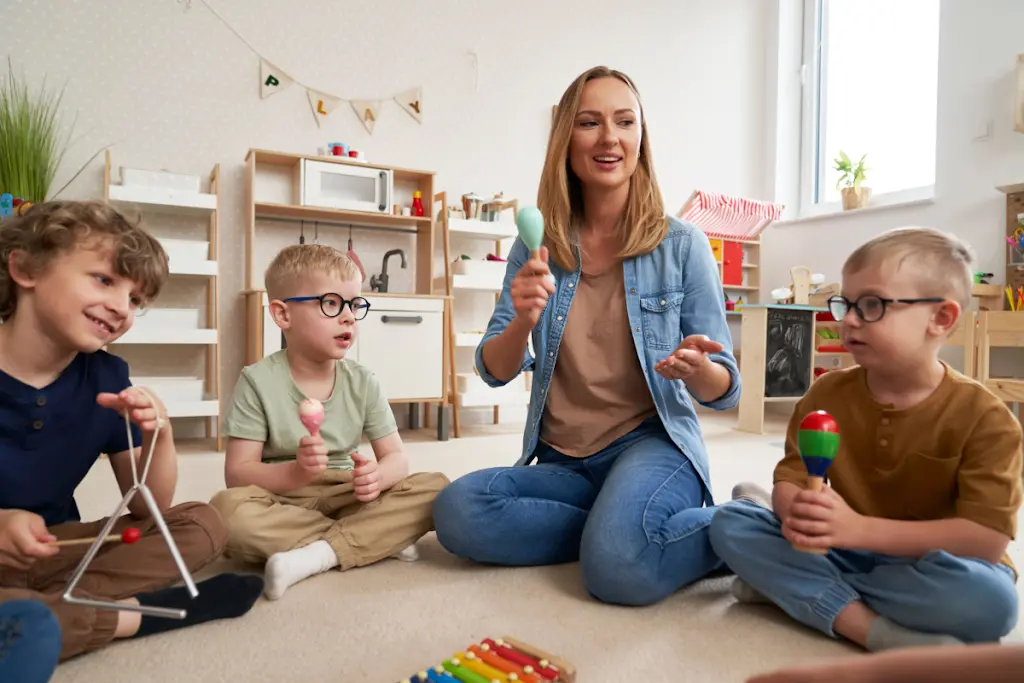
Music therapy is an established and evidence-based modality that utilizes music to meet physical, emotional, cognitive and social needs. According to the Symphony, for youth it’s especially valuable, offering a non-verbal expressive way to work through feelings and improve communication as well as positively affecting young brains. The intervention includes playing instruments, singing, songwriting and directed listening with trained music therapists.
Studies have demonstrated that music engages a number of different parts in one’s brain, including areas linked to memory, attention and language processing as well as emotional regulation. That’s what makes it such a valuable tool for children with cognitive delays, learning disabilities or emotional problems.
Cognitive Benefits of Music Therapy
1. Improved Memory and Learning: Music facilitates neural connections which help in improved memory. Children subjected to music therapy frequently perform better in school-related activities including reading and maths.
2. Increased Attention and Focus: When structured, your child has to focus on multiple things at the same time to make music happen. This is especially useful for kids who have ADHD, or attention issues.
3. Development of language: Song based interaction with lyrics, rhythm and melody improve linguistic processing. Music therapy may also help children grow their vocabulary, language skills (including pronunciation), and ability to communicate.
4. Solving Problems: Improvisation and composing music can promote creativity, critical thinking, and reasoning. Let kids solve problems, take risks and express their creativity through open-ended play!
Emotional and Social Benefits
All over the world, music is a language that echoes in our heart of hearts. Music often makes it easier for children to communicate feelings compared with words alone. Some of the most emotional and social benefits are:
1. Emotional Expression and Regulation: Children can express their feelings of happiness, sadness, anger or fear without being censored. Frequent exposure to music therapy allows children distinguished and also regulating emotions appropriately.
2. Stress relief: Soothing music, rhythm exercises can help dissolve stress and anxiety by drawing your attention to some interesting activities.
3. Better Social Skills: Participatory music-making sessions like group music classes promote cooperation, spacial awareness, and attentive listening so your child can make stronger friendships and show empathy.
4. Enhanced Self Esteem and Confidence: Being able to do well when performing, whether through playback or self creation, increases self worth.
Use of Music in Special Needs Children
In The Hope Rehab Center we are experts in individualized treatment for individuals with developmental disability, Autism Spectrum Disorder and other special needs. Music Therapy is especially well suited for those children with disabilities involved in these struggles:
1. ASD (Autism Spectrum Disorder): Music therapy is found to improve communication, decrease repetition in behavior, and assist in emotional regulation. Kids with ASD tend to benefit from repetitive groupings of notes and rhythms.
2. Learning Disorders: Music helps improve memory, sequencing, and attention making academics less challenging for children who are dyslexic or have other learning disorders.
3. Emotional Difficulty and Behavioral Drama: Music therapy aids in processing trauma, managing anxiety and building social skills that promote emotional-strength.
Why Choose The Hope Rehab Centre
As the most reputable Mental Health Rehabilitation Center in Islamabad, it is our mission to provide child-focused therapy that is evidence-based and elevates mental, emotional and cognitive well-being. This is why our approach is unique:
1. Professional Music Therapists: Our board-certified music therapist have specific training in working with children at various stages of their development. They customize individualized programs for the unique needs of every child.
2. Comprehensive Treatment Program: Music therapy is combined with CBT, occupational therapies and family work ensuring a holistic approach to mental health recovery.
3. Safe and Supportive Environment: We offer a safe and nurturing environment where children are encouraged to learn, explore, develop thinking skills, enjoy creative expression.
4. Proven Results: Our programs have demonstrated results, as children who participated in our acceptances are stronger with enhanced motor and cognitive abilities, communication and social skills.
Incorporating Music Therapy at Home
Parents are important in the advocacy for music therapy. Here are a few concrete ways to help kids at home:
- Everyday Listening: Make a point to play different styles of music for the children and ask them how it makes them feel.
- Sing Along: Language, rhythm and memory skills are developed by singing known songs.
- Playing Instruments: Sharing some basic types of instruments such as drums, tambourines or keyboards can inspire creative expression.
- Physical Activities: Use physical activity with music such as dance to promote motor skills and coordination.
Evidence-Based Success
There are several research studies that have shown the effects of music therapy in child cognitive and emotional development. For example, a study published in the Journal of Music Therapy found that children who received structured music therapy experienced significant improvements in attentiveness, verbal skills, and coping skills in comparison to those who did not receive any therapy at all.
Music therapy has also been proved to reduce anxiety, depression symptoms in children and increase the ability to participate socially and improved the quality of life. The above-mentioned results support its relevance in the context of child and adolescent mental health rehabilitation.
Future Outlook for Music Therapy in Child Development
Increasing awareness of mental health disorders in children has made music therapy an invaluable tool in rehabilitation and development. Here at Hope we are always looking for ways to be creative and forward-looking, so we work with new approaches such as digital music platforms, musical games that interact with you physically,and collaborative composition. By abilities and interests, these approaches promote engagement, motivation, and therapeutic success.
Music therapy now is an investment in a child’s future. We enable resilient, confident and integrated individuals through a balanced approach of mental development, emotional expression and social growth.
FAQs
1. What’s music therapy for kids and how does it help?
Music therapy for children is a method of benefiting kids with the power of music in cognitive, emotional, and social development. It is beneficial to children for memory, language ability, attention, emotional regulation and social interaction.
2. Whick children will benefit from music therapy?
All children with developmental delays, those on the spectrum, ADHD, learning disabilities or emotional and behavioral issues can gain from music therapy. It’s individualized to each child.
3. How does music play in supporting cognitive growth for children?
Music therapy activates several regions of the brain that can also promote better memory, attention, problem solving and language. Organized musical experiences, however, engage neural networks and enhance learning capacity in general.
4. Do children benefit from music therapy in terms of emotional well‐being?
Yes. Music therapy offers a healing environment for kids to work through feelings, relax their bodies, strengthen confidence and discover empathy. Participating helps your little one with emotional regulation and promotes social skills.
5. Why The Hope Rehabilitation Center for Children’s Music Therapy in Islamabad?
Hope this Rehab Center – In Islamabad This mental health rehabilitation center in Islamabad with certified music therapists and customised programs has managed to establish a child-friendly environment. We incorporate music therapy into holistic healing so children have the best opportunity for cognitive and emotional growth.
Conclusion
Music therapy provides fun, dynamic, and meaningful activities to help support children’s cognitive and emotional growth. It is a wonderful tool for improving memory, attention, language, logic and reasoning skills, problem-solving and emotional regulation as it involves so many parts of the brain all at once. The Hope Rehab Center offers the most comprehensive program available for Children in Islamabad, and is one of the top Mental Health Rehabilitation Centers anywhere, providing specialized curriculums based on evidence-based programs which focus on individual growth.
By adopting music therapy, families give their children not just a mechanism that taps joy and creativity but also tools they can carry through life to alleviate stress and pursue emotional health. By providing professional expertise, specialized programs, and a loving and safe environment, families are able to support their child’s growth needDIRECTION READ more.. And work towards a brighter future.