

Cocaine dependence is a chronic and serious health problem that impacts the user and his/her family. Cocaine Addiction Treatment for cocaine addiction must be holistic and evidence-based to cover the physical and psychological reasons of drug abuse. The Hope Rehab Centre This is why the first condition we have for bringing you to Thailand, it is that when you get there, you’ll be treated as a human being with respect and all your rights will be respected.Anything else is bullshit!
Behavioral therapy is considered to be one of the main pillars in addiction treatment and recovery today. It makes people see the thought, emotion and behavior patterns that lend themselves to cocain use and lays down healthy alternatives for long-term recovery.
Cocaine Addiction as a Behavioral Health Problem
Not all cocaine addicts are just weak of will. It’s a chronic brain disease that changes reward, impulse control and decision-making circuits. Repeated cocaine use increases the risk of developing compulsive behaviours, making it hard for people to stop without help.
Successful drug and alcohol addiction treatment refers to the disease of addiction as a mental health disease that calls for mandated therapeutic treatment. #2 Behavioral Therapy Targets bad habits, the emotional issues that can act as triggers and helps establish new healthy behaviors to replace old detrimental ones.
What Is Behavioral Therapy for Addiction?
Behavioral therapy is a category of psychotherapy that uses evidence-based techniques to help individuals develop healthier and more constructive behaviors. Similar interventions are used in the treatment of cocaine addiction and are designed to target craving, risk for relapse, emotional homeostasis and stress reduction.
Instead of punishment and guilt, behavioral therapy gives people the agency to work toward healing. It is an essential ingredient in holistic models of drug and alcohol addiction treatment widely used in well-off rehabilitations.
Why Is Behavioral Therapy Necessary for Cocaine Addiction Treatment?
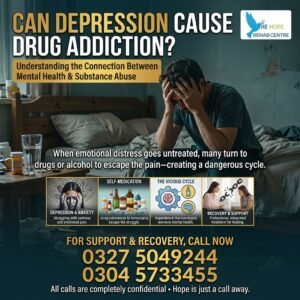
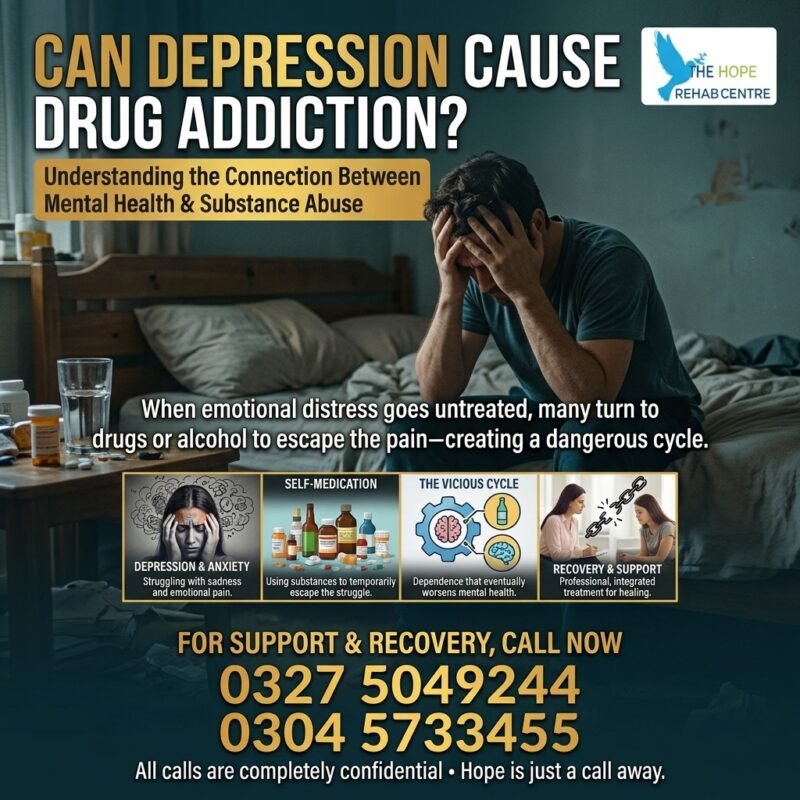
Cocaine abuse typically coincides with underlying psychological issues like anxiety, depression or a history of trauma. Behavioral therapy helps individuals:
- Determine individual precursors to cocaine use
- Learn how to cope with cravings
- Improve emotional awareness and regulation
- Strengthen motivation for recovery
- Build healthier interpersonal relationships
Behavioral therapy addresses the underlying feelings and thoughts behind addiction, through which it promotes long-term sobriety as opposed to short-term abstinence.
Kinds of behavioral therapies provided in cocaine addiction treatment
Cognitive Behavioral Therapy (CBT)
Cognitive Behavioral Therapy is amongst the most popular methods for treating drug and alcohol addiction. CBT teaches patients to identify patterns of negative thinking associated with their cocaine use and replace them with healthier thought processes.
Via systematic exercises, participants develop the ability to:
- Challenge distorted beliefs
- Manage high-risk situations
- Build problem-solving skills
- Reduce relapse vulnerability
Contingency Management Therapy
This method emphasizes positive behaviors by way of organized rewards. In the treatment of cocaine addiction, contingency management rewards proven abstinence and compliance with therapy in a positive demonstrable way.
It’s also usually used in conjunction with other therapies to boost motivation and adherence to treatment.
Motivational Interviewing (MI)
Motivational Interviewing is a collaborative, patient-centred form of counselling. It supports people to work through ambivalence about recovery and to build their internal motivation for change.
MI works especially well early in substance treatment as it honors autonomy and fosters the internalization of recovery goals.
Dialectical Behavior Therapy (DBT)
DBT is helpful for those with difficulty regulating their emotions, impulsivity or comorbid mental health issues. It works by utilizing mindfulness practices, distress tolerance techniques, and interpersonal effectiveness skills which are very important for long-term recovery from cocaine addiction.
Behavioral Therapy and Relapse Prevention
Relapse prevention is a key component of the treatment of cocaine addiction. Through behavioral therapy, individuals learn to identify warning signs and take appropriate action before a relapse has begun.
Key relapse prevention strategies include:
- Identifying emotional and environmental triggers
- Developing structured daily routines
- Practicing stress-management techniques
- Strengthening social support systems
In inpatient treatment plans for drug and alcohol addiction, CBT can help cultivate long-term stability and adaptability.
The Function of Behavioral Treatment in Dual Diagnosis Treatment
People with cocaine use disorders often have other mental health problems, including depression and anxiety. We incorporate the behavioral therapy component into dual diagnosis treatment, helping you address both addiction and mental health.
Models of care that integrate physiological and emotional well-being can improve outcomes by not neglecting the emotional distress experienced in addiction recovery.
Family Involvement and Behavioral Therapy
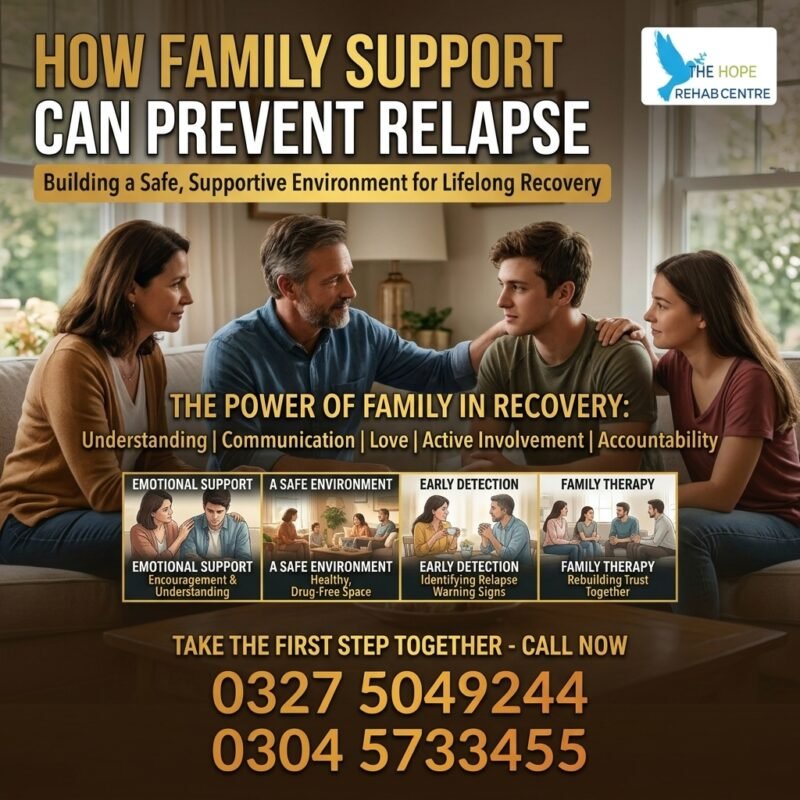
Ties in with family dynamics have been found to be related to alcohol use. Behavioral therapy can consist of family talks that enhance dialogue, establish new limits and regain trust.
Family-based treatments enhance the recovery environment and facilitate individual movement through addiction treatment programmes for drug and alcohol problems.
Ethical, Patient-Oriented Treatment with Behavioral Therapy
At The Hope Rehab Center, behavioural therapy is conducted in an objective and respectful environment. These plans are personalized, culturally appropriate, and clinic-based—not one-size-fits all.
This culture of patient-centric care means that therapy is for maintaining dignity, autonomy, and informed choice as recovery ensues.
Advantages of Combining Behavior therapy with Addiction Treatment
Beyond rehabilitation, behavioral therapy can have lasting advantages such as:
- Improved emotional resilience
- Better stress management
- Enhanced self-awareness
- Stronger coping mechanisms
- Reduced risk of relapse
When combined with structured drug and alcohol addiction treatment, behavioral therapy facilitates solid and lasting lifestyle changes.
Frequently Asked Questions (FAQs)
1. How does behavior therapy work for cocaine addiction treatment?
Behavioral therapy supports breaking out of this habits and understanding triggers, controlling cravings, and changing destructive thought patterns that lead to cocaine abuse.
2. Does behavioral therapy work without medicine?
Yes, with behavioral therapy at the forefront of treatment for cocaine addiction and usually successful alone or as part of an overall care strategy.
3. How long does a behavior therapy in addiction treatment last?
The length of time is determined based on the needs, goals and progress of each participant. Ongoing therapy for lasting recovery is offered by many programs.
4. Can behavioral therapy prevent relapse?
Cognitive-behavioral treatment is vitally important in preventing relapse but also in teaching and training the patient/recovering person in coping skills, managing emotions, and recognizing inward warning signs.
5. At what age is behavioural therapy appropriate?
To teens, adults and seniors Behavioral therapy can be applied, so it has the flexibility to help with drug and alcohol addiction.
Conclusion
Cognitive therapy plays a key role in successful cocaine addiction treatment. It tackles the psychological and behavioral origins of addiction to enable people to make transform their lives for good. In ethical programs of drug and alcohol addiction treatment that are patient centered, behavioral therapy fosters a long-term recovery that’s about more than just abstinence—it means continuing to grow and thrive both mentally as well as emotionally.
The Hope Rehab Centre provides an integrated and nurturing Behavioural Therapy approach to rehabilitation that assists individuals to make sense of their recovery, and take on the necessary challenge with understanding, courage and professional support.