 Initials After a person who has been struggling with substance abuse or addictions realizes they need to get help; the first step is often detoxification. Detox programs offer patients the support they need to safely detox and to prepare for successful recovery. Inpatient Versus Outpatient Detox for those seeking professional help Understanding the differences between inpatient and outpatient detox is important. At The Hope Rehab Center, we offer full assistance to handle this difficult stage of the process safely and comfortably with personalized care.
Understanding Detoxification Programs
Detox is short for detoxification, and the duo are essentially just getting rid of the bad stuff in your body. Withdrawal syndromes can be mild, uncomfortable or life-threatening. That’s why professional oversight is essential, particularly for people who also suffer from co-occurring mental health issues, as Dual Diagnosis Rehab in Islamabad Pakistan centers prioritize this form of care.
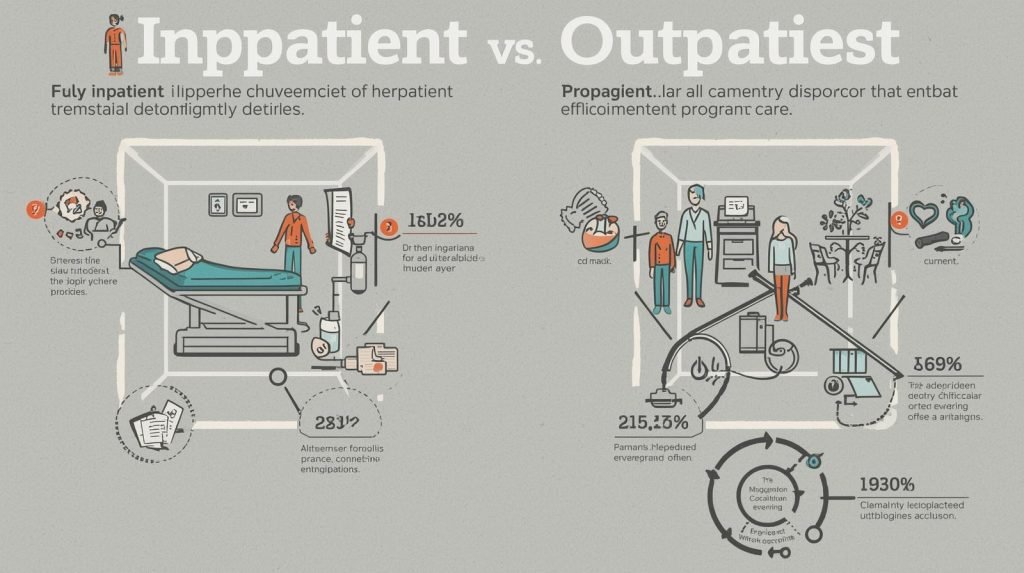
Types Of Detox Programs Detox programs are little different and are offered in two types: Residential (inpatient) detox Outpatient detox Both have advantages and the decision is based on how severe the addiction is, individual situation and medical history.
Inpatient Detoxification Programs
Inpatient detox Requires Staying at a Treatment Facility During inpatient detox, you go into the treatment center and remain there since help is available around the clock from medical as well as therapeutic support. This is a great option for people with severe addictions, multiple substance dependencies or dual diagnosis disorders.
Key Features of Inpatient Detox:
- 24-hour medical attention: Prevents the complications of withdrawal.
- Controlled setting: Minimizes contact with stressors and high-risk settings.
- Individualized care plans: Your treatment will be customized to your medical and psychological requirements.
- Therapy and counseling access: Offers emotional support and helps with coping mechanisms during detox.
Incredibly, inpatient rehab facilities provide even greater motivation and de-motivation with their round the clock surveillance during an individual’s inception to sobriety. Dual Diagnosis Treatment Centers in Islamabad PakistanTreatment for such patients is generally considered to be more effective, if both the person affected with addiction and mental illness/psychiatric problem are treated together.
Outpatient Detoxification Programs
This is when patients can reside at home but may also go to a clinic or treatment center for scheduled appointments. This is the right program for those with a light to moderate addiction with good support at home.
Key Features of Outpatient Detox:
- Flexibility in scheduling: Patients can still work, go to school or attend to other family demands while getting treatment.
- Frequent medical supervision: Symptoms of withdrawal are treated by regular consultations with care providers.
- Supportive counselling: Offers support and behaviour counseling to develop coping strategies.
- Gradual reentry into everyday life: Aids patients in becoming acclimated to sobriety while surrounded by friends and family.
Though an outpatient detox provides a good deal of freedom, it also demands tremendous self-restraint and dedication. It is also recommended that patients engage the support group and therapy so as to reduce chances of relapse.
Comparing Inpatient and Outpatient Programs
| Feature | Inpatient Detox | Outpatient Detox |
|---|---|---|
| Supervision | 24/7 medical and therapeutic supervision | Some checkups from a doctor |
| Environment | Safe, controlled, structured | Home; potential triggers |
| Intensity | High | Moderate |
| Suitability | Severe addiction, dual diagnosis, high-risk withdrawal | Mild-moderate addiction with strong support system |
| Cost | Higher due to 24/7 care | Lower, flexible options |
Deciding between inpatient and outpatient detox varies from person to person, with the severity of your addiction and what kind of support system you have playing important roles. At The Hope Rehab Center, all patients are evaluated in detail to ensure we recommend the best and safest program.
Integrated Care for Dual Diagnoses
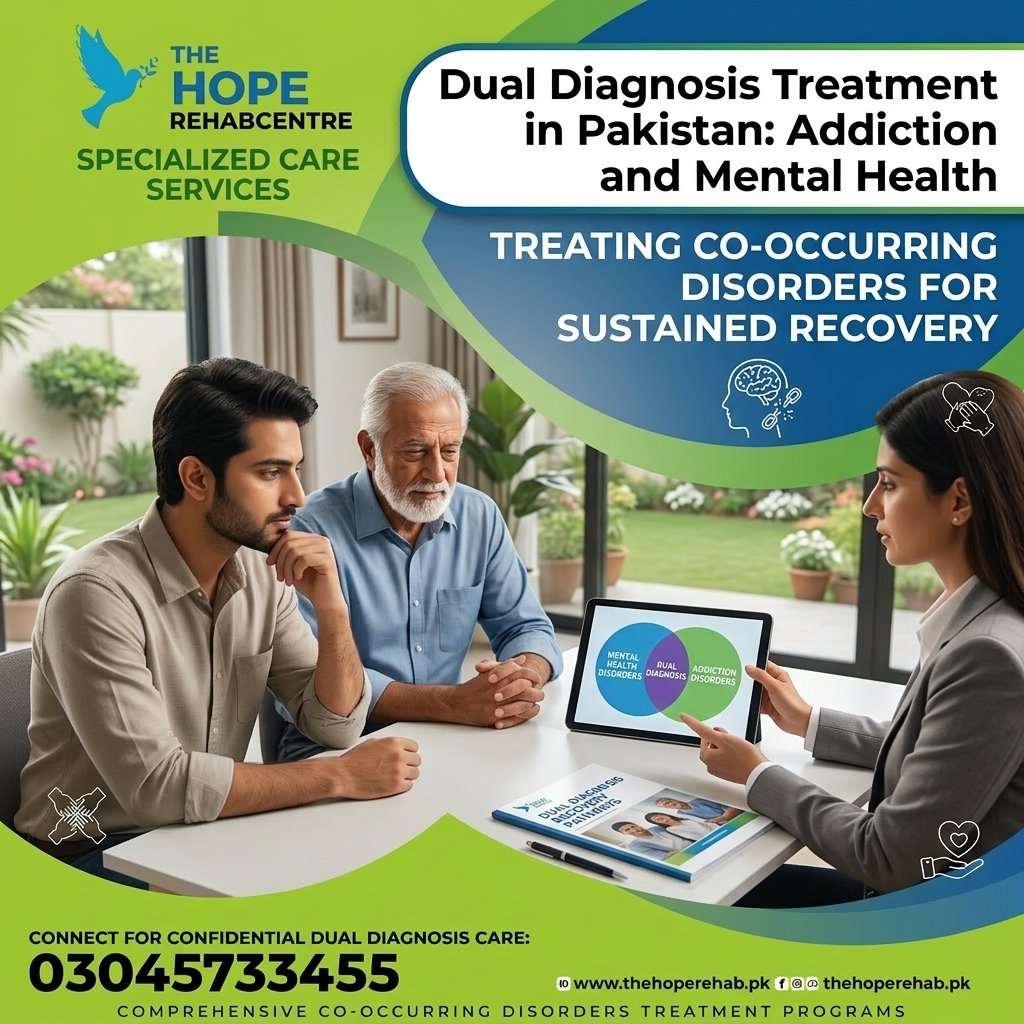
A lot of people who are addicted also deal with comorbidity like anxiety, depression, PTSD. The co-occurrence of these conditions and substance abuse is also important for recovery. Rehab facilities in Islamabad Pakistan Dual Diagnosis Treatment Centers (who offers both physical and mental treatment) Dual Diagnosis is a critical lesson; here the physical and psychological impacts are managed together,following being addicted to sorts of drugs.
Integrated care typically includes:
- Medical detoxification
- Individual and group therapy
- Psychiatric evaluations and medication management
- Whole person caring which includes nutrition, exercise and meditation practices
This method has been shown to provide an individual with a greater chance for successful recovery as opposed to only treating the issue of substance use.
Secondary Benefits of Detox Programs
In addition to the short-term goal of detox programs - removing harmful substances from the system – there are many long-term advantages:
- Better physical well-being and organ functions
- Clearer clarity of mind and more emotional balanced
- Learning how to avoid relapse through coping techniques
- Links with established rehabilitation and support networks
It is important for those dedicated to staying clean for good to build on a professional program from day one of detox.
FAQs
1. How should I decide if inpatient or outpatient detox is best for me?
The decision is based on level of addiction, patient A professional evaluation at a rehab centre like The Hope Rehab Centre can help to make the best program.
2. Is it possible to work or go to school during outpatient detox?
Yes, outpatient programs are intended for the patients who can go on with their daily lives while they receive treatment.
3. What is the usual duration of a detoxification?
The length of time for detox differs by drug used, severity of the addiction and individual response. Anywhere between a couple of days and a few weeks.
4. Are dual diagnosis individuals more susceptible during detox?
Yes, comorbid mental health conditions can make withdrawal more difficult. Dual Diagnosis Treatment Centers in Islamabad Pakistan offer integrated care to address both conditions – safely.
5. Is relapse common after detox?
C. Detox is but the first step in recovery. On-going post-treatment have counselling programmes and support services are invaluable to cut down the risk of recidivism.
Conclusion
Selecting the right detox is a key part on the road to recovery. “Inpatient or outpatient detox with the help of professionals, such as doctors and peers in withdrawal, are best to monitor this process safely [and] effectively.” Dual Diagnosis Treatment Centers Islamabad Pakistan For those who have comorbid mental health conditions, ISBLSM Dual Diagnosis Treatmeng centers in pakistan, Ibslamad involve treatment to address both the addictive issue and underlying psychological illnesses. The distinction between inpatient and outpatient treatment programs is better understood, and patients and their families are able to make choices that pave the way for long-term recovery and well-being.