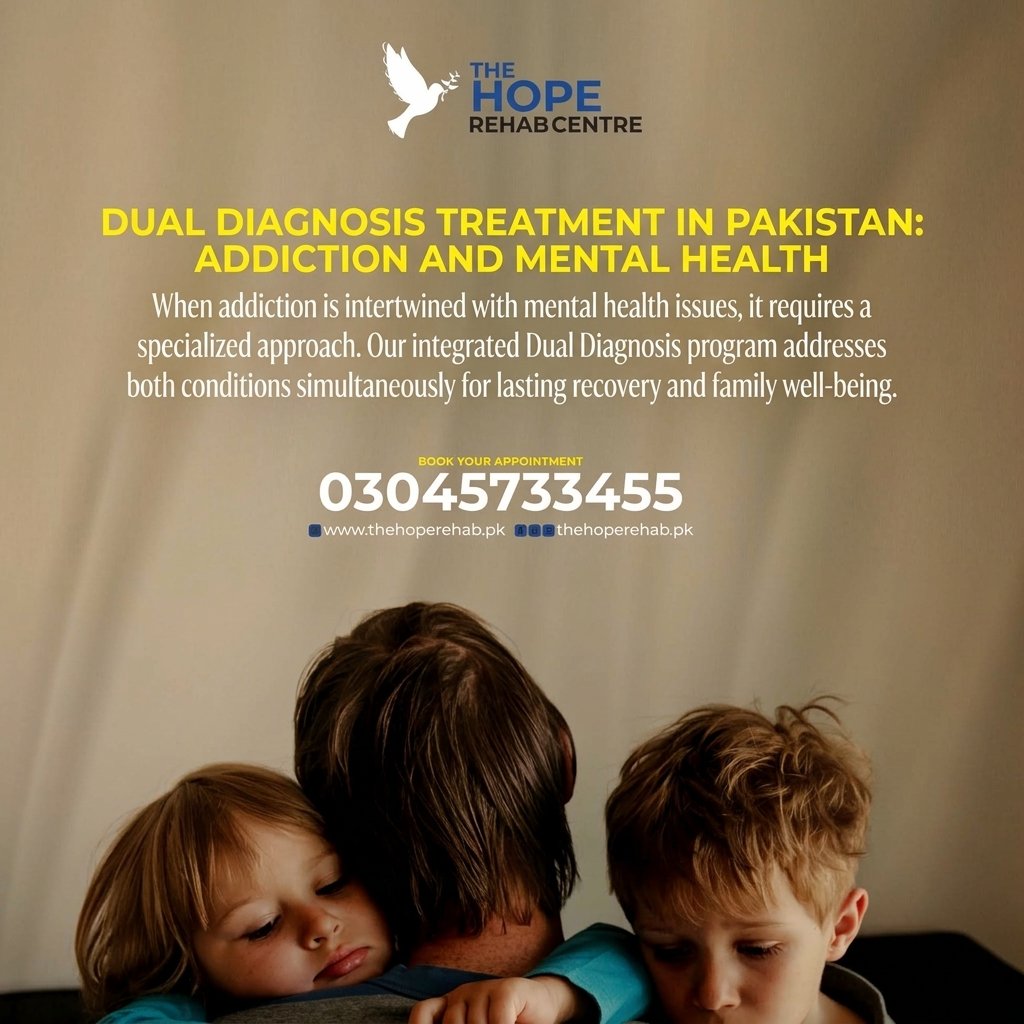
The treatment of both the substance use disorder and a mental health condition is called dual diagnosis. They impact each other and they are made worse rather than better by treating them separately. Someone struggling with addiction could also an ongoing battle against depression, anxiety, trauma symptoms, bipolar disorder or some other mental illness.
Addiction treatment is effective care if it looks beyond just addiction and treats the person (or client) holistically. Medical assessment, withdrawal management, counseling, behavioral therapies, psychiatric care, family support and relapse prevention may serve as possible treatment. In The Hope Rehabilitation Center Islamabad, Pakistan in addition we provide structured programs for the ones suffering from addiction on an individual level but also a family rehabilitation program to assist with treatment as well for any concerns around mental wellbeing.
What Is Dual Diagnosis?
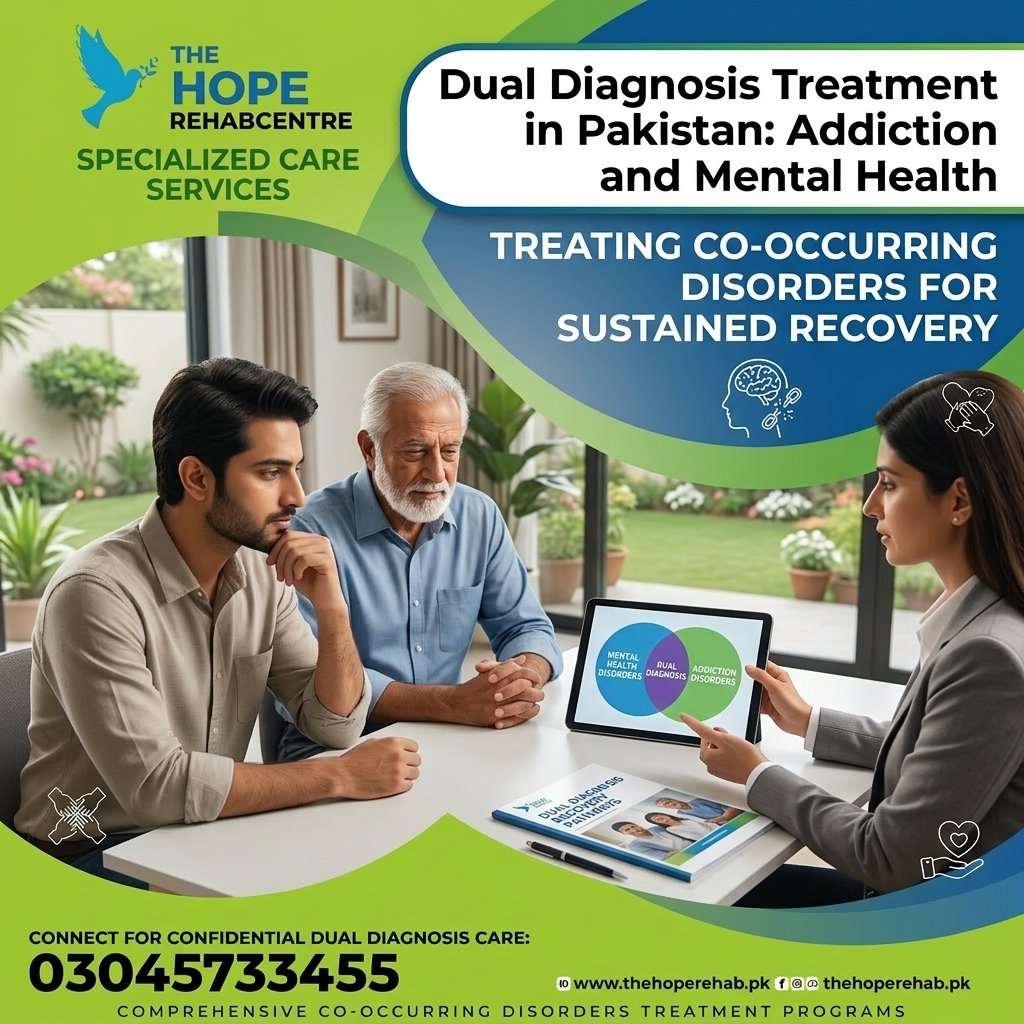
Co-occurring disorder: Dual diagnosis or Co-occurring refers to a situation where an individual has a comorbid mental health and substance use disorder.
Substance use can include different types of drugs, including alcohol, heroin, methamphetamine, cannabis, cocaine or opioids like prescription medicines and other addictive substances. Depression, anxiety disorders, post-traumatic stress disorder (PTSD), bipolar disorder and other psychiatric problems are all considered mental health conditions.
That relationship between the two conditions may be different. Mental health symptoms can be present before the onset of substance use, appear during chronic use or worsen in relation to intoxication or withdrawal.
An evaluation can ascertain the issues at play and indicate the best plan of care.
Reasons Addiction Co-Occur with Mental Health Problems
It is well-known that very few people have just one cause when it comes to co-occurring addiction and mental health. Biological, psychological, social and environment may be involved.
Self-Medication and Emotional Pain
Others develop problems with drugs or alcohol as a means of dealing with anxiety, sadness, trauma, loneliness, insomnia, or other emotional challenges. While a substance can provide momentary escape from unpleasant symptoms, continued use can lead to features of dependence which, at least in the long term, may exacerbate psychological symptoms.
Substance-Induced Mental Health Symptoms
Some substances can alter mood, affect sleep, and impact the ability to think and perceive. Some people may have anxiety, agitation, confusion or psychotic symptoms associated with stimulants like methamphetamine.
Going off heroin, for instance, is associated with very extreme fluctuations in mood and behavior.
Shared Risk Factors
Many risk elements may be common across addiction and mental well-being conditions together with: continual stress, trauma, social isolation, family background and terrible life events. These factors, which may overlap, can lead to a greater vulnerability to either disorder.
Signs That Could Mean a Dual Diagnosis
And it can be easy to confuse alcoholism with mental illness.
Possible warning signs include:
- Persistent sadness or hopelessness
- Severe or ongoing anxiety
- Major mood changes
- Social withdrawal
- Changes in sleep or appetite
- Unusual suspiciousness or paranoia
- Difficulty controlling substance use
- Ancient civilizations in order to manage emotions
- Deterioration of job, academic or family functioning
Delirium or a psychological symptom that lasts longer than intoxication or withdrawal
Having these symptoms does not equate to a dual diagnosis. This should be assessed properly by a qualified professional.
How Dual Diagnosis Treatment in Pakistan Functions
Treatment is individualized based on the individual’s substance use, mental health, physical health, safety needs, and recovery goals.
Comprehensive Assessment
Normally treatment starts with an assessment of substance abuse and psychological wellbeing. Professionals may review:
- Substance use history
- Previous treatment
- Withdrawal experiences
- Current medications
- Physical health
- Mood and behavior
- Sleep patterns
- Trauma history
- Family and social circumstances
A thorough evaluation can determine whether a psychologic disorder stands on its own or an interplay of symptoms directly due to (or exacerbated by) substance use.
Withdrawal and Medical Support
Others can have life-threatening withdrawal complications. Medically supervised withdrawal management may be required based on the substance and physical health of the person.
Detox is helpful in addressing the physical ramifications of ending substance use, but it is not a comprehensive addiction or mental health treatment.
Counseling and Behavioral Therapy
Psychotherapy can also raise users’ awareness about the connection of their thoughts, emotions and behaviors and substance use.
Evidence-informed techniques such as cognitive-behavioral strategies may provide assistance with:
- Managing cravings
- Identifying triggers
- Challenging unhealthy thought patterns
- Improving coping skills
- Managing stress
- Strengthening motivation for recovery
Mental Health Treatment and Medication
Many sufferers also have coexisting conditions that need psychiatric treatment and can be managed through medical prescriptions. Medications should be prescribed according to an individual patient diagnosis, medical history, current substance use, and other clinical issues.
By beneficial guide injection shall be only taken according to approved determination conducted by a respectable board. This also should not be initiated, discontinued or changed without suitable medical assistance.
It can give you a well-rounded treatment plan and make sure that mental health symptoms are not neglected as they begin to tackle addiction.
The Role of Family Support
Families also suffer significantly from stress when addiction and mental health problems are involved. Family and friends may feel confused, scared, angry or lost as to what to do.
Family education has raised awareness, which helps decrease blame and stigma and promotes better dialogue.
Families can support recovery by:
- Encouraging professional treatment
- Learning about co-occurring disorders
- Communicating calmly and respectfully
- Establishing healthy boundaries
- Supporting treatment appointments
- Watching for significant behavioral changes
- Encouraging healthy routines
- When Safety as Concerns Invoke Seeking Professional Guidance
Appropriately, family assures themselves emotionally as well.
Relapse Prevention in Dual Diagnosis Recovery
Both addiction and mental health may need to be treated long term in recovery. Cravings and relapses can be prompted by emotional fallout, pressure situations, social conflict, or contact with previously drug-using settings.
A relapse-prevention plan may include:
- Continuing counseling
- Regular mental health follow-up
- Taking prescribed medication appropriately
- Identifying personal triggers
- Developing healthy coping strategies
- Building a reliable support network
- Keeping a regular sleep and daily routine
- Avoiding high-risk environments
- Seeking professional help when symptoms exacerbate
A return to drug use does not signify that treatment has failed. This can mean that more support is needed to take another look at the recovering plan of that person.
How to Select a Dual Diagnosis Treatment Center in Pakistan
As families search Dual Diagnosis Treatment in Pakistan, they want to ensure that the needs of the whole person are met — whether that requires addressing substance use and mental health issues together in one facility.
Useful questions to ask include:
- Is a comprehensive assessment available?
- Are withdrawal risks evaluated?
- Q4: Can co-occurring conditions such as addiction and mental health be treated together?
- Is individual counseling provided?
- When it is warranted, is psychiatric support available?
- Is family involvement encouraged?
- Is there training on relapse prevention?
- Can you have continuity of care after the initial treatment phase?
Those seeking a structured rehabilitation programmed for an addiction and/or treatment for mental health issues in Islamabad may wish to consider The Hope Rehabilitation Center Islamabad, Pakistan
Frequently Asked Questions
1. What does dual diagnosis mean?
You were a dual diagnosis: the simultaneity of substance uses disorder and mental health condition. These conditions may interact with one another and often need to be treated together.
2. Drug Addiction Is A Threat To Mental Health
Many maintain or exacerbate mental health problems, and substance use, both intoxication as well as withdrawal can impact thoughts, feelings (including depression), behavior, and sleep. A detailed analysis is required to identify the deep-rooted reasons.
3. Specifically, when depression and the addiction itself happen together.
Yes. Depression coexists with substance use disorders. When they do, treating both conditions as dimensions of a single coordinated treatment plan may yield richer quality care.
4. Are dual diagnosis treatment programs sufficient for detox?
Answer: No – Detox is designed to focus on the physical process of withdrawal. Those with co-occurring circumstances also qualify for counseling, mental health treatment, behavioral remedy, relapse prevention and continuing care.
5. What is the duration of dual diagnosis treatment?
The treatment duration is variable. The timeline involves the specific substance, degree of addiction, mental health, physical health, adherence to treatment and follow-up needs.
Conclusion
This process is referred to as Dual Diagnosis Treatment in Pakistan and it offers an integrated approach for individuals suffering from both addiction and mental health problems. Since such conditions can coexist and affect each other, focusing on either substance use or psychological symptoms alone may fail to resolve important determinants of recovery.
Such plans may consist of medical evaluation, withdrawal management, behavioral therapy, counseling or family involvement and long-term follow-up.
If you are struggling with an addiction along with mental health issues or if someone you love is facing this situation, reach out to a qualified healthcare or addiction professional about the best course of treatment. The Hope Rehabilitation Center Islamabad, Pakistan is a facility in Pakistan that offers organized support for people and families who are searching for addiction and mental health recovery services there.