Opioid use disorder continues to be one of the most devastating public health crises, impacting millions of patients and families across the globe. For individuals addicted to opioids, the first step on the path to treatment and recovery is typically detoxification under supervision—the medically managed process of safely addressing withdrawal symptoms while getting patients ready for further care. At The Hope Rehab Center we believe in safe, caring, non-judgemental and evidence based therapy for drug and alcohol (and behavioural) addictions to help people get their lives back.
Therefore, it’s important to know about supervised detox — its benefits, and how it fits in on the road to recovery for you or a loved one suffering from opioid addiction.
What is Supervised Detox?
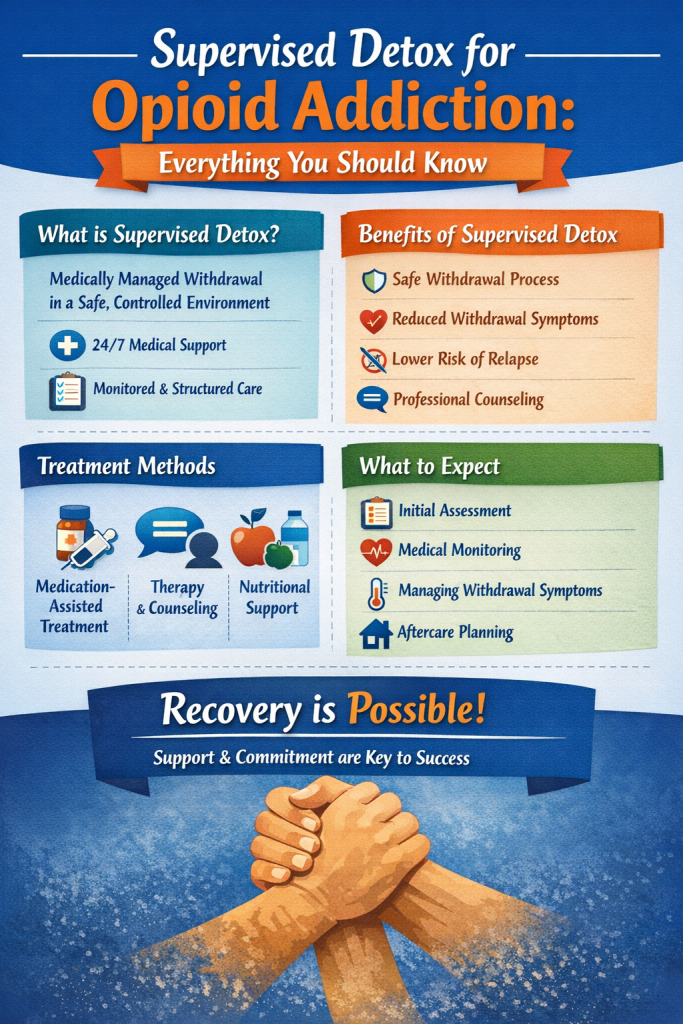
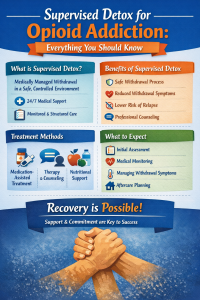
Medically supervised detoxification, or supervised withdrawal, is a formal process in which trained medical staff assist with the removal of opioids from the body. Rather than enduring detox at home, patients will always have access to medical care for withdrawal symptoms from the uncomfortable to emergency situations.
While detoxing, staff members at The Hope Rehab Center watch the overall physical and mental health of each patient, create a personalized plan for detox, and offer medications and care to help them overcome withdrawal safely.
Key Features of Supervised Detox
1. Supervised Detoxification – 24/7 oversight protects patients as they withdraw from the drug.
2. Treatment for Symptoms – A baby might be given buprenorphine, clonidine or methadone to prevent withdrawal symptoms.
3. Psychological Help – Counseling and psychotherapy treats the many psychological issues diagnosed during withdrawal.
4. Customized Detox Treatment Plans – No two patients are the same when it comes to detox, we consider severity of substance abuse, mental health history and family drug/ alcohol issues.
Why Supervised Detox is Essential in Opioid Addiction.pub
Opioid withdrawal is physically and emotionally draining. Unwatched detox offers no relief from symptoms that can include nausea, vomiting, muscle aches, insomnia, anxiety and intense craving — which can make it dangerous and sometimes unbearable. With a supervised detox, individuals are rewarded with:
- Greater Safety: Complications can be monitored by a healthcare professional.
- It’s More Comfortable: Symptom control makes the withdrawal process not as severe.
- Higher Success Rates: Patients have more chances to successfully move on into long-term drug and alcohol addiction treatment facilities.
Here at The Hope Rehab Center our medically-guided detox program works to provide a space of safety and support so that individuals can take the first steps on the road of recovery without a possibility of a relapse or health concerns.
The Stages of Opioid Detox
Know the common phases of opioid detox so that patients and families will be prepared for the mental and emotional journey ahead. Detox generally moves through three primary stages:
1. Assessment and Evaluation
Prior to detox, use a comprehensive evaluation approach to ascertain the nature and severity of opioid dependence as well as co-occurring mental or physical health concerns, and past attempts at detoxification. This stage is a guarantee of the individual and effective approach to the treatment.
2. Medically Supervised Withdrawal
In this phase, the body naturally removes opioids with medical management. Patients can also be given various medications to help ease withdrawal symptoms and avoid potentially dangerous complications. Routine checks for signs of life, hydration and mental health must also be carried out.
3. Transition to Rehabilitation
Once through the withdrawal phase, patients are placed into formal drug and alcohol addiction treatment programs that can include behavioral therapy, counseling and support groups. Treatment simply for detox is seldom adequate for long-term recovery so this shift is vital.
Drugs and the Supervised Regime For Opiate Detoxification
The drugs used in this case also contribute toward minimizing the severity of withdrawal and thus ensuring patient safety. Commonly used medications include:
- Methadone – Cuts cravings, prevents withdrawal.
- Buprenorphine – Reduces the severity of withdrawal and reduces the likelihood of relapse.
- Clonidine – Targets anxiety, agitation and muscle aches.
- Naltrexone – Blunts opiate effects and promoting relapse prevention following detox.
At The Hope Rehab Center, we believe that medically-assisted treatment should be decided on a case by case basis, reaching the optimal level appropriate for your needs, not what is most effective but rather what gives you sufficient comfort.
Advantages of Detox with Supervision at The Hope Rehab Center
1. Professional Monitoring – Medical professionals work round-the-clock during detox.
2. Customized Treatment Plans – Each patient is provided with a specialized care plan depending on their individual needs.
3. Psychological Support – Each therapy session begins to address mental health issues that are so frequently linked with addiction.
4. Security Comfort – Privacy during Withdrawal The center provides privacy, comfort and safety that are not possible when attempting to detox on your own.
5. Better Recovery Results – People who leave managed detox are better armed against drug and alcohol addiction treatment in the long run.
Challenges and Considerations
And while supervised detox is a superior method, patients should understand:
- Physical Pain – Feeling of discomfort from the withdrawal even though you are handling them.
- Emotional Strain – Detox can cause anxiety, irritability or depression and this might need some mental back-up.
- Financial – While supervised detox may be a costly, and insurance dependent ”facility” or “service”, it is often life-saving.
However, the rewards are worth the risks when detox is a part of professional treatment at somewhere such as The Hope Rehab Center.
Supporting Recovery Beyond Detox
Detox is only the first step in a comprehensive recovery journey. Sustainable recovery requires continued engagement with drug and alcohol addiction treatment programs. These may include:
- Inpatient Rehabilitation – this is a residential setting where you get therapy, support and life skills training.
- Sobriety Programs – Customized therapy with half-day, day and evening treatment times available.
- Behavioral Therapy – This would include addressing triggers, coping mechanisms and relapse prevention through cognitive behavioral therapy (CBT) and other evidenced based therapies.
- Support Groups – Besides peer programs, emotional support and community connections are included in the services.
Detox (Medically and Structured Program Place) With additional structured treatment, detox appears to be far more likely for success in the long term.
Supervised Detox Summary of What You Need to Know FAQs On Supervised Detox For Opioid Addiction
1. What is the duration of supervised opioid detox?
Detoxification ranges from 5 to 14 days on average, depending on the specific opioid involved, degree of dependence and general health status. Under medical supervision, each phase is safe and efficient.
2. Is detox painful?
Detox may include discomfort, but being medicated and with professional care at Centre The Hope Rehab Center lessens the pain and assists patients in containing their withdrawal pangs.
3. Can I detox at home instead?
Home detox is dangerous because of risk of complications and relapse. Sober through detox means you have medical supervision and emotional support, so I think it’s probably the safer choice.
4. Will I have to take prescription drugs after detox?
With this option, many patients still use medication-assisted treatment or therapy to lower their risk of relapse. You’re recovery plan is based on your rehab goals.
5. Does insurance cover supervised detox?
Coverage varies by plan. The Hope Rehab Center can help patients navigate insurance coverage and financial aid.
Conclusion
Supervised detox is an essential, life-saving initial step for those who’ve developed a physical dependence on opioids. Opting for medically supervised care at The Hope Rehab Center provides patients with safety, comfort and support as they get ready for ongoing drug and alcohol addiction treatment. Detox is not a solution, but rather a path to healing — a controlled and nurturing environment for individuals to regain steadiness and hope.
For people struggling under the weight of opioid addiction, the leap into supervised detox — a space that, for many, means opening up to months or years of actual recovery and a new life free from drugs — can be life-changing.