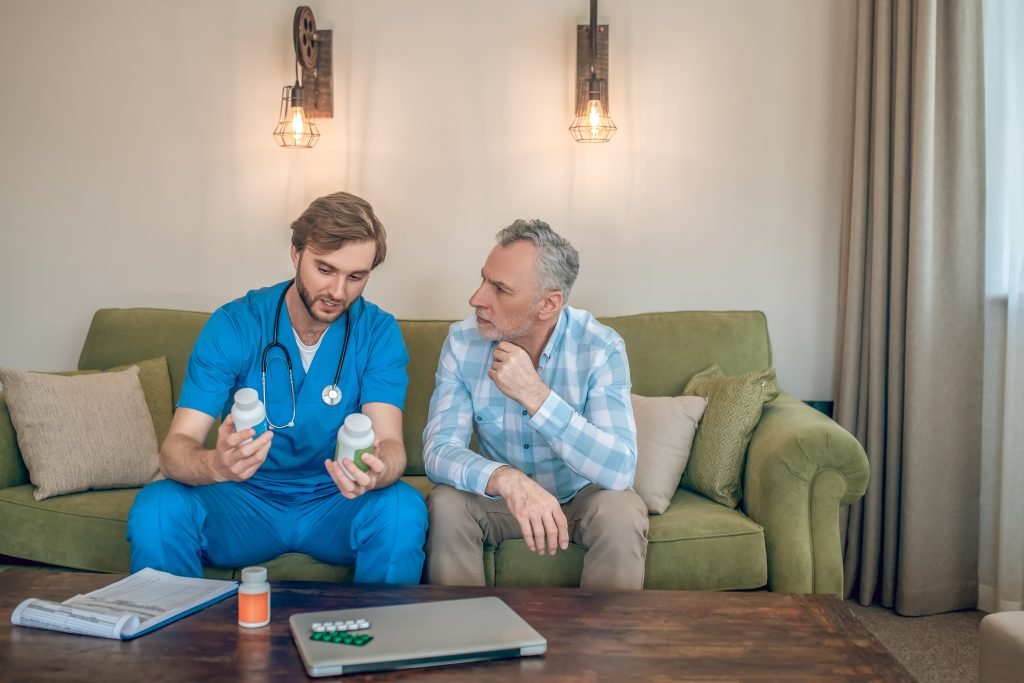

Tending to elderly patients is more than checking in and being there for them emotionally. One of the key components towards elderly care is providing medication in a secure and efficient manner. There are unique medication challenges for many older adults, including polypharmacy, age-related physiologic changes that alter metabolism of drugs and increasing susceptibility to side effects. Medications are also of paramount importance when we talk about geriatric patients So come and join us at Hope rehab Center the best mental Rehabilitation center in Islamabad Pakistan, where medications are closely watched under observation then given very cautiously and patient centered as well.
Recognizing Patients’ Special Requirements According to Age
Older patients are at greater risk of having chronic conditions like diabetes, hypertension or arthritis and taking five to 10 prescriptions. This drug combination can lead to greater risk of drug-drug interactions and toxicities. Physiological changes that come with old age, like decreased kidney and liver function, a slower metabolism and different body fat composition can influence how the body processes drugs during absorption, distribution, metabolism and excretion.
These all factors emphasize the significance of specialized care at a mental rehabilitation center Islamabad Pakistan, where health experts can customize treatment protocols to suit the personal needs of old patients.
Age-Related Changes Affecting Medication
1. Kidney Disease – Medications may be cleared more slowly in the body which can lead to higher levels of a drug and potential for toxicity.
2. Liver Metabolism – The liver’s ability to metabolize some medications changes with age, as enzyme activity decreases.
3. Unconventional Drug Reaction – The elderly may or may not show typical drug reactions and dose need to be altered.
4. Polypharmacy Dangers – The more medications you take at once, the likelier it is for side effects and reactions to occur.
By recognizing these age-related changes, The Hope Rehab Center physicians are able to make medications safe, effective and individualized for each patient.
Precautions When Administering Medicines
Administering medication to elderly patients requires vigilance, knowledge, and a systematic approach. Here are the key precautions recommended by healthcare experts:
1. Comprehensive Medication Review
Healthcare professionals review all prescription and over-the-counter medicines before they are taken or if there is a change in the quantity, method, or type of medication. This can help to flag potential interactions, duplicate therapies and give a repetition of medication.
2. Clear Instructions and Education
Older patients may have memory loss or cognitive impairment, putting them at risk for missing a dose of their medication or taking an extra one. Clear written instructions and an oral explanation help patients and caregivers to know how much medication they need to give.
3. Monitoring for Side Effects
In geriatric patients, adverse reactions such as confusion, dizziness, gastrointestinal symptoms and falls are frequently experienced. Ongoing checks mean doctors can adapt medication soon enough to avoid complications down the track.
4. Simplifying Medication Regimens
Scheduling regimens with lesser number of daily doses or amalgamating medications, if safe, can enhance compliance and reduce the chance of error. As a reliable mental rehabilitation center in Islamabad Pakistan, the Hope Rehab Center often collaborates with pharmacies in order to best understand medication profiles of senior citizens.
5. Involving Caregivers
Caregivers are critical in managing the medications. It is superior results and lowers risk to teach them the value of adherence, importance of monitoring for side effects, and willingness to express concerns.
Typical Medical Categories of Elderly Subjects
As elderly may have more than one medical condition the drugs will be given should belong to different categories and their specific precautions are as follows:
1. Medications affecting the cardiovascular system – antihypertensive and anticoagulants need titration in doses to avoid hypotension and bleeding.
2. Analgesia – Use of NSAIDs and opioid medications warrants close surveillance to prevent renal impairment or addiction.
3. Psychoactive Drugs – Medications for depression, anxiety or dementia need to be dosed judiciously so as to not render the individual too sedated or unable to think clearly.
4. Diabetes Medications – Hypoglycaemia should be avoided when using blood sugar lowering medications.
There needs to be good testing, observation and fine tuning with medication use (which we do have at The Hope Rehab Center) It’s an essential part for safe taking tablets.
Advice for older patients and their caregivers
- Keep a list of medications and dosages, schedules and doctors prescribing them.
- A pill organizers or reminders should be employed to minimize missed doses.
- Tell healthcare providers right away about any new symptoms.
- Don’t self-medicate, and speak to experts before you stock up on supplements or over-the-counter medications.
- Make an appointment for medication review with health professionals to evaluate the necessity of each medicine.
Use of Mental Reeducation in the Treatment with Medicaments
Cognitive impairment, memory loss, and mental health issues can influence elderly patients in the way they take medication. A specialized programme at The Hope Rehab Centre relies on the following mental and wellness centre in Islamabad Pakistan.
- Evaluate cognitive performance and its influence on medication compliance.
- Teach patients and families safe medication use.
- Structured regimens If you put drama in to this, taking doses is better!
- Observe for behavioural disorders which may be an adverse effect or related to drug interaction.
Combining mental rehabilitation with medication management provides comprehensive care for the mending of mind and body.
Preventing Adverse Drug Events
The issue of adverse drug events) in geriatric care is prevalent. Lessening of these hazards are the further strategies:
- Ensuring comprehensive medication reconciliation while the patient is in hospital.
- Educating patients to have a list of medication on hand.
- Dosing adjustments according to renal and hepatic function tests.
- ommiting potentially inappropriate drugs, when not absolutely necessary.
These practices are part of the normal procedure in use at The Hope Rehab Center and enable a safer treatment for elderly patients.
Answers to Common Questions About Medications for the Elderly
1. Why do older people react more to drugs?
There are metabolic, renal and hepatic changes related to aging that result in changes in drug absorption as well as increased susceptibility to the side effects of drugs.
2. HEALTH How can caregivers make sure elderly people take their medications safely?
Caregivers should record a medication list, use pill organizers, give reminders and monitor for adverse events.
3. Are O.T.C. drugs safe for older people?
Not always. A few OTC medicines may interact with other drugs that are prescribed or exacerbate an underlying condition. It is important to seek medical advice.
4. What is polypharmacy and why is it a concern?
Polypharmacy Polypharmacy is an actual intake of multiple medications at the same time. This raises the chance of drug-to-drug interactions, adverse effects and medication error.
5. How is a psychiatric recovery facility useful regarding medication management?
Centers such as The Hope Rehab Center offer cognitive testing, patient education, schedules and supervision to help people stay on rehab medications safely and effectively.
Conclusion
The treatment of drugs in the elderly should be given close attention, personal care and continuous observation. Healthcare practitioners can mitigate risks, avoid complications, and enhance quality of life through an appreciation for the special physiological and cognitive requirements of older adults. The Hope Rehab Center, a specialized mental hospital Pakistan is focused on the safe, ethical and patient-centric medication management to ensure physical and mental health care elderly receive along.
Detected through appropriate precaution and caregiver intervention, as well as one or more of the following (monitoring), safe drug use enables older adults to live a healthier, less-dependent life.