Mental health has become a central focus of healthcare systems worldwide. As awareness grows, so does the need for structured, evidence-based psychiatric services that support individuals facing emotional, psychological, and behavioral challenges. In the context of Modern Mental Health Care Islamabad Pakistan, psychiatric services play a vital role in assessment, diagnosis, treatment, and long-term recovery support.
At The Hope Rehab Center, psychiatric care is delivered through a compassionate, ethical, and patient-centered approach. The goal is not only symptom management but also improving quality of life, restoring functioning, and supporting individuals and families throughout the recovery journey.
Understanding Modern Mental Health Care
Modern mental health care goes beyond traditional treatment methods. It integrates clinical expertise, therapeutic interventions, rehabilitation strategies, and community support systems. This comprehensive approach addresses conditions such as depression, anxiety disorders, bipolar disorder, schizophrenia, post-traumatic stress disorder (PTSD), and other psychiatric conditions.
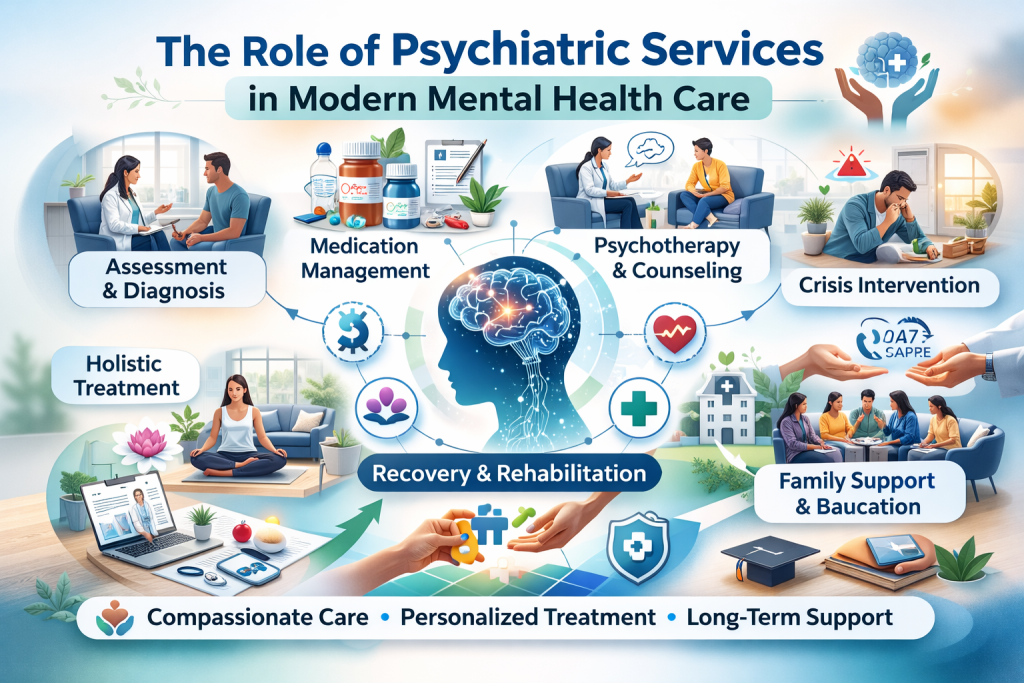
In Modern Mental Health Care Islamabad Pakistan, services typically include:
- Psychiatric evaluation and diagnosis
- Medication management
- Psychotherapy and counseling
- Crisis intervention
- Rehabilitation and aftercare planning
These services work together to create a structured treatment pathway that is tailored to individual needs.
The Core Functions of Psychiatric Services
Psychiatric services form the foundation of effective mental health treatment. They involve medical professionals trained in diagnosing and treating mental illnesses using scientific and evidence-based methods.
1. Comprehensive Psychiatric Assessment
A detailed psychiatric evaluation is the first and most important step in treatment. This process includes reviewing medical history, understanding symptoms, conducting mental status examinations, and identifying contributing factors such as stress, trauma, or substance use.
Accurate diagnosis allows for a personalized treatment plan that addresses the root causes rather than just surface symptoms.
2. Medication Management and Monitoring
For many individuals, medication is an essential component of treatment. Psychiatric medications can help stabilize mood, reduce psychotic symptoms, manage anxiety, and improve overall functioning.
However, medication management requires careful monitoring. Psychiatrists assess effectiveness, manage side effects, and adjust dosages when necessary. In responsible Modern Mental Health Care Islamabad Pakistan, medication is prescribed ethically and reviewed regularly to ensure patient safety.
3. Psychotherapy and Behavioral Interventions
Psychiatric services are not limited to medication. Psychotherapy plays a significant role in modern treatment. Approaches such as Cognitive Behavioral Therapy (CBT), dialectical behavior therapy (DBT), and supportive counseling help individuals:
- Understand negative thought patterns
- Develop healthy coping strategies
- Improve emotional regulation
- Strengthen interpersonal relationships
At The Hope Rehab Center, therapy is provided in a structured and confidential environment, ensuring individuals feel safe while discussing sensitive concerns.
Integration of Psychiatric Rehabilitation
One of the defining features of modern psychiatric care is rehabilitation. Psychiatric rehabilitation focuses on restoring independence and improving social and occupational functioning.
Key components include:
- Life skills training
- Occupational therapy
- Social skills development
- Relapse prevention strategies
These services are especially important for individuals with severe or long-term mental health conditions. By combining medical treatment with rehabilitation programs, modern mental health care supports both stability and long-term growth.
Addressing Stigma Through Compassionate Care
Despite progress in awareness, stigma around mental illness still exists. Many individuals delay seeking help due to fear, misunderstanding, or social pressure. Psychiatric services must therefore operate within a compassionate, respectful framework.
In Modern Mental Health Care Islamabad Pakistan, ethical practice includes:
- Maintaining patient confidentiality
- Respecting patient autonomy
- Encouraging shared decision-making
- Providing non-judgmental support
At The Hope Rehab Center, the emphasis is on dignity and trust. Patients are treated as individuals with unique experiences, not defined by their diagnoses.
Crisis Intervention and Early Treatment
Modern psychiatric services also include crisis management. Individuals experiencing severe anxiety attacks, suicidal thoughts, or acute psychotic episodes require immediate attention from trained professionals.
Early intervention is crucial. Research consistently shows that timely psychiatric care improves outcomes and reduces the risk of complications. By identifying warning signs early and initiating structured treatment, mental health professionals can help prevent long-term deterioration.
This proactive approach is a key part of responsible Modern Mental Health Care Islamabad Pakistan, ensuring individuals receive support when they need it most.
The Role of Family in Psychiatric Treatment
Family involvement can significantly enhance recovery outcomes. Mental illness affects not only the individual but also loved ones who may struggle to understand symptoms and behaviors.
Psychiatric services often include:
- Family education sessions
- Counseling for caregivers
- Guidance on communication strategies
- Support for managing stress at home
At The Hope Rehab Center, families are encouraged to participate in the recovery process while respecting patient consent and privacy. A supportive home environment strengthens treatment progress and reduces relapse risks.
Evidence-Based and Ethical Mental Health Practices
Modern psychiatric care is grounded in scientific research and ethical guidelines. Treatment decisions are based on clinical evidence rather than trends or assumptions.
Responsible mental health centers focus on:
- Accurate diagnosis
- Individualized care plans
- Regular progress evaluation
- Safe prescribing practices
- Continuous professional training
In Modern Mental Health Care Islamabad Pakistan, maintaining professional standards ensures patients receive safe and reliable treatment options.
Holistic Approach to Mental Wellness
Mental health does not exist in isolation from physical and social wellbeing. A holistic model considers sleep, nutrition, exercise, stress management, and social interaction as important elements of recovery.
Holistic psychiatric services may include:
- Stress reduction techniques
- Mindfulness practices
- Routine building
- Healthy lifestyle counseling
At The Hope Rehab Center, care plans are designed to support overall wellness rather than focusing solely on symptom control.
Frequently Asked Questions (FAQs)
1. What conditions are treated under modern psychiatric services?
Modern psychiatric services address conditions such as depression, anxiety disorders, bipolar disorder, schizophrenia, PTSD, and other mental health concerns that impact daily functioning.
2. Is medication always necessary in psychiatric treatment?
Not always. Treatment plans are individualized. Some individuals benefit from therapy alone, while others may require a combination of medication and psychotherapy.
3. How long does psychiatric treatment typically last?
The duration varies depending on the condition, severity, and individual response to treatment. Some individuals need short-term support, while others may benefit from longer-term care.
4. Can family members be involved in treatment?
Yes, family involvement is often encouraged, provided the patient consents. Family education and counseling can improve understanding and support recovery.
5. How is patient confidentiality maintained?
Professional psychiatric services follow strict confidentiality guidelines to protect patient privacy and ensure ethical care.
Conclusion
The role of psychiatric services in modern mental health systems is both essential and transformative. Through structured assessment, medication management, psychotherapy, rehabilitation, and compassionate care, individuals can achieve greater stability and improved quality of life.