Because of physical and mental dependence on certain drugs, those with substance dependency may find it difficult to stop cold turkey because doing so can cause withdrawal symptoms. In many instances, stopping suddenly can lead to unpleasant or even dangerous withdrawal symptoms. This is where tapering treatment becomes an important part of safe and structured recovery.
Through a carefully designed approach encompassing patient safety, gradual stabilization and long-term recovery, tapering treatment is one of the cornerstones of our addiction treatment program at The Hope Rehabilitation Center Islamabad, Pakistan. Being the Best Tapering Treatment center in Islamabad Pakistan we provide evidence-based care, supervised by professionals and tailored treatment plans according to patients need.
In this article, we explain what tapering treatment is and how it works and explore why it’s a vital aspect of recovery from addiction and psychiatric care.
What Is Tapering Treatment?
Tapering treatment is a process in which the dosage of a substance, for example drugs, alcohol or certain medications are medically supervised during withdrawal and gradually decreased over time. By doing this, the body is given time to adjust gradually instead of abruptly, thus reducing the symptoms of withdrawal.
Tapering is commonly used for:
- Opioid dependence
- Benzodiazepine use
- Alcohol dependence
- Prescription medication dependency
- Certain psychiatric medications
Best Tapering Treatment center in Islamabad Pakistan has arranged tapering plans according to medical history, period of use, and health.
Why Tapering Treatment Is Important
Withdrawal from certain substances can come on quickly, with severe symptoms such as anxiety, seizures and physical discomfort. Δ Tapering decreases these risks as the body to an extent adapts gradually.
Reducing Withdrawal Symptoms
Gradual dose taper reduces the symptoms such as:
- Anxiety and irritability
- Insomnia
- Nausea
- Muscle pain
- Mood swings
Enhancing Patient Safety
Medical supervision allows for quick and safe management of any potential complications.
Supporting Long-Term Recovery
Tapering stabilizes the physical and emotional state of an individual body and prepares a patient to rehabilitate for the long term.
The Hope Rehabilitation Center Islamabad, Pakistan practices a tapered approach as part of a more holistic treatment plan often including therapy and psychiatric support.
Substances Commonly Managed Through Tapering
Opioids
Dependence on opioids can cause severe withdrawal symptoms. Instead, tapering performs the high of gradually reducing dose in a solution method without heavy discomfort or cravings.
Benzodiazepines
Stopping benzodiazepines abruptly can lead to serious withdrawal symptoms. Tapering is an important step to do so safely.
Alcohol
Tapering may also be combined with medical detox to help manage alcohol withdrawal symptoms in some cases.
Psychiatric Medications
Some antidepressants and mood stabilizers need to be tapered gradually to avoid withdrawal or rebound symptoms.
Professional Best Tapering Treatment center in Islamabad Pakistan: The tapering protocols are substance- and patient-specific.
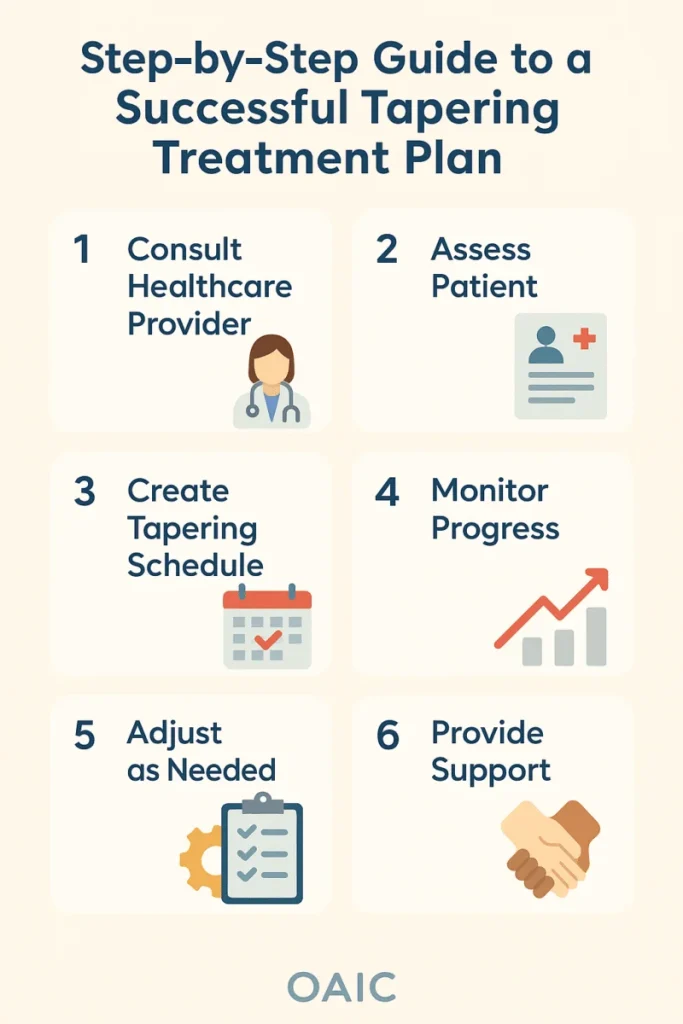
The Tapering Process: Step-by-Step
Initial Assessment
It begins with a detailed medical and psychiatric evaluation. This includes:
- Substance use history
- Physical health assessment
- Mental health evaluation
- Risk assessment
Personalized Tapering Plan
A personalized tapering schedule is created — based on this evaluation. The plan describes how and when dosages will be eased.
Monitoring and Adjustment
Patients are carefully monitored throughout the procedure. Adjustments are made based on:
- Withdrawal symptoms
- Emotional response
- Overall progress
Transition to Rehabilitation
Following tapering, patients are transitioned into therapies and therapeutic groups that help them deal with behavioral and psychological components of addiction.
This structured therapeutic approach based at The Hope Rehabilitation Center Islamabad, Pakistan leads to the safe and effective treatment that we deliver.
Tapering Under Medical Supervision
And tapering should never be done without expert help. Medical supervision ensures:
- Safe dosage adjustments
- Monitoring of vital signs
- Management of withdrawal symptoms
- Immediate response to complications
Carrying out every step needs to be performed with attention and detail by expert professionals at the Best Tapering treatment center in Islamabad Pakistan.
Psychological Support During Tapering
Tapering is as much an emotional process as it is a physical one. People may develop anxiety, shifts in mood or cravings while they are being treated.
Counseling and Therapy
Therapeutic support helps individuals:
- Understand triggers
- Manage stress
- Develop coping strategies
- Stay motivated during recovery
Cognitive Behavioral Therapy (CBT)
CBT allows patients to recognize negative thought patterns and enact more appropriate behavior.
Tapering programs bookended with therapy—offered at The Hope Rehabilitation Center Islamabad, Pakistan—help ensure emotional stability.
Benefits of Tapering Treatment
Tapering has certain advantages over abrupt discontinuation, including:
- Reduced intensity of withdrawal symptoms
- Improved patient comfort
- Lower risk of medical complications
- Increased likelihood of treatment completion
- Better preparation for long-term recovery
The Best Tapering Treatment center in Islamabad Pakistan offers tapering as part of their services that help you to ease into full rehabilitation.
Taper vs. Detox: Knowing the Difference
Tapering and detox are both used in treatment for addiction but serve different purposes.
- Tapering refers to slowly reducing the doses over time
- Detox is about clearing substances from the body, often much more quickly
- Tapering is often part of a detox strategy to make sure it’s safe and comfortable.
Both the approaches are adapted according to the individual clinical requirements at The Hope Rehabilitation Center Islamabad, Pakistan.
Aftercare and Long-Term Recovery
Finishing a taper treatment is just one facet of the recovery journey. To prevent relapse and to maintain progress, continued support is important.
Aftercare may include:
- Continued counseling sessions
- Psychiatric follow-ups
- Support group participation
- Lifestyle and stress management strategies
Having an aftercare plan in place allows the individuals to not be on their own when the tapering treatment has ended.
Frequently Asked Questions (FAQs)
1. How long does it take for tapering treatment?
How long these last will depend on the substance, dosage and health of the individual. Safe and effective tapering may take weeks or even longer.
2. Is it safer to taper than to stop suddenly?
Yes. Tapering minimizes the chances of severe withdrawal effects while permitting your body to adapt.
3. So can tapering get rid of withdrawal symptoms entirely?
Tapering lessens the symptoms, but a little of the discomfort can remain.
4. Do all medications require tapering?
Not all, but many substances — particularly benzodiazepines and some psychiatric medications — need to be tapered.
5. What comes after tapering is finished?
Therapy, counseling and rehabilitation programs address that aspect of addiction in patients who move on.
Conclusion
Tapering treatment is an important part of safe and effective addiction recovery. By slowly tapering off the substances used while in a medically-monitored environment, patients can limit withdrawal symptoms and create a foundation for long-term recovery.
Tapering programs at The Hope Rehabilitation Center Islamabad, Pakistan are based on patient safety, clinical precision, and emotional support. Their approach is focused on providing the highest level of compassionate, ethical, and evidence-based tapering treatment in Islamabad Pakistan that supports a sustained recovery process.