Drug and alcohol addiction is a serious health condition that can affect every aspect of a person’s life, including physical health, mental well-being, relationships, education, and career. What often begins as occasional substance use can gradually develop into dependency, making it difficult for individuals to stop without professional help.
Addiction is not simply a lack of willpower. It is a complex condition that changes how the brain functions, influencing behavior, decision-making, and emotional regulation. With proper treatment, support, and commitment, individuals can work toward recovery and a healthier future.
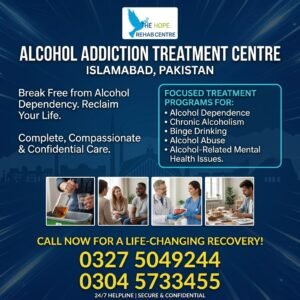
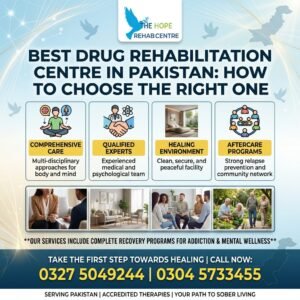
At The Hope Rehabilitation Center Islamabad, Pakistan, addiction treatment programs focus on compassionate care, structured recovery plans, and long-term wellness support for individuals struggling with substance use disorders.
Understanding Drug and Alcohol Addiction
Drug and alcohol addiction occurs when a person becomes physically or psychologically dependent on a substance. Over time, the brain adapts to the presence of drugs or alcohol, leading to cravings and withdrawal symptoms when use is reduced or stopped.
Substances commonly associated with addiction include:
- Alcohol
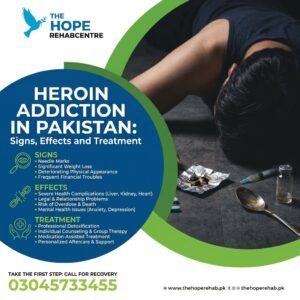
- Heroin
- Cannabis (Marijuana)
- Methamphetamine (Ice)
- Cocaine
- Prescription medications
- Sedatives and tranquilizers
Addiction can affect people from all backgrounds and age groups, regardless of social or economic status.
Common Signs of Addiction
Recognizing addiction early can improve the chances of successful intervention and treatment. Common warning signs include:
Physical Symptoms
- Changes in sleep patterns
- Unexplained weight loss or gain
- Poor personal hygiene
- Frequent fatigue
- Bloodshot eyes or unusual physical appearance
Behavioral Symptoms
- Secretive behavior
- Loss of interest in hobbies
- Declining work or academic performance
- Financial difficulties
- Risk-taking behavior
Emotional Symptoms
- Mood swings
- Anxiety or depression
- Irritability
- Social withdrawal
- Difficulty managing stress
These signs may vary depending on the substance being used and the duration of addiction.
Causes and Risk Factors
Addiction usually develops through a combination of factors rather than a single cause. Common risk factors include:
- Family history of addiction
- Emotional trauma or abuse
- Chronic stress
- Mental health disorders
- Peer pressure
- Easy access to substances
Understanding these underlying factors is important because effective treatment often addresses both addiction and its root causes.
Impact on Physical and Mental Health
Long-term substance use can significantly affect overall health.
Physical Effects
Drug and alcohol addiction may contribute to:
- Liver damage
- Heart-related complications
- Respiratory issues
- Weakened immune function
- Neurological problems
Mental Health Effects
Substance use disorders are often linked with:
- Anxiety disorders
- Depression
- Mood instability
- Cognitive difficulties
- Increased emotional distress
At The Hope Rehabilitation Center Islamabad, Pakistan, treatment plans focus on both physical recovery and emotional well-being.
Treatment Options for Drug and Alcohol Addiction
Recovery is a process that typically involves multiple stages of care.
Medical Detoxification
Detoxification is often the first step in treatment. During detox, harmful substances are cleared from the body while withdrawal symptoms are carefully managed.
Professional supervision helps ensure safety and comfort throughout this process.
Behavioral Therapy
Therapy helps individuals understand addiction triggers and develop healthier coping mechanisms.
Common therapeutic approaches include:
- Cognitive Behavioral Therapy (CBT)
- Individual counseling
- Group therapy
- Motivational enhancement therapy
Rehabilitation Programs
Structured rehabilitation programs provide a supportive environment where individuals can focus on recovery without outside distractions.
These programs often include:
- Therapy sessions
- Life skills development
- Wellness activities
- Relapse prevention planning
Importance of Family Support
Addiction affects entire families, not just the individual struggling with substance use. Family support can play a valuable role in recovery by providing encouragement, understanding, and accountability.
Family counseling can help:
- Improve communication
- Rebuild trust
- Address emotional challenges
- Create healthier family dynamics
At The Hope Rehabilitation Center Islamabad, Pakistan, family involvement may be incorporated into treatment plans when appropriate.
Preventing Relapse
Recovery continues long after treatment is completed. Relapse prevention focuses on helping individuals maintain positive habits and respond effectively to challenges.
Important strategies include:
- Identifying triggers
- Building healthy routines
- Managing stress effectively
- Attending follow-up counseling
- Maintaining supportive relationships
Developing these skills can help individuals sustain long-term progress and emotional stability.
Frequently Asked Questions (FAQs)
1. What is the difference between substance use and addiction?
Substance use refers to consuming drugs or alcohol, while addiction involves a loss of control and continued use despite harmful consequences.
2. Can addiction be treated successfully?
Many individuals make significant progress through professional treatment, therapy, and ongoing support.
3. Is detox enough to overcome addiction?
Detox is an important first step, but long-term recovery typically requires therapy, counseling, and lifestyle changes.
4. How long does addiction treatment take?
Treatment duration varies depending on individual needs, substance use history, and recovery goals.
5. Why is professional help important?
Professional treatment provides medical care, emotional support, and structured recovery strategies that help individuals manage addiction safely and effectively.
Conclusion
Drug and alcohol addiction can affect every area of life, but recovery is possible with the right support and treatment. Understanding the causes, symptoms, and available treatment options empowers individuals and families to seek help when needed.
At The Hope Rehabilitation Center Islamabad, Pakistan, treatment programs are designed to provide compassionate, ethical, and patient-centered care. Through detoxification, therapy, rehabilitation, and ongoing support, individuals can work toward rebuilding their lives and achieving long-term wellness. Recovery is a journey, and professional guidance can make that journey safer, more structured, and more sustainable.