Cannabis, also known as marijuana is the most widely used illicit drug globally. Not everyone views cannabis as a harmless drug and regular intensive use can result in dependence with negative consequences on your physical health, mental well-being and relationships and daily functioning. The cannabinoid that helps is not the same one people abuse, so finding out about it may be an important step to fighting back against their usage.
For some people, knowing the signs of dependence on Cannabis Marijuana Addiction Treatment in Islamabad Pakistan and engaging with evidence-based Drug Abuse help is essential. In The Hope Rehabilitation Center Islamabad, Pakistan, addiction recovery is handled with care, expertise, and tailored therapy planning to guarantee lifelong significance.
Understanding Cannabis Marijuana Addiction
Cannabis addiction occurs in a person gain and loss control over the usage of cannabis to the point where negative repercussions lead them to continue using. The active psychoactive element in cannabis is THC; it alters brain functioning, mood, memory and behavior.
Depending on the use, it might not develop into dependence all the time, but with continuous and repeated cannabis use may lead to both physical as well as psychological addiction. The longer a person uses, the more they may need to accomplish the same effects, mathematically making way for dependence.
Common Signs of Cannabis Addiction
Awareness of cannabis dependence can provide early opportunity for intervention, assisting individuals to seek professional help before the problem becomes more serious.
Common symptoms include:
- Strong cravings for marijuana
- Difficulty reducing or stopping use
- Increased tolerance to cannabis
- Feeling agitated when not using the drug
- Problems with memory and concentration
- Reduced motivation and productivity
- Social withdrawal
- Sleep disturbances
- Anxiety or mood fluctuations
A professional assessment may be helpful if these symptoms start to interfere with daily living.
Causes and Risk Factors
Among many reasons can lead as to why we become addicted to cannabis?
Mental Health Challenges
Those who feel anxious, depressed, stressed out, or emotional may resort to using marijuana as a way to cope. This sort of pattern will ultimately make dependence on you over time.
Peer and Social Influences
The modelling of substance use in social groups may help to elevate processual cannabis use for several domains, especially amongst youth and young adults.
Genetic Vulnerability
Certain Genes Family history can also affect whether someone will develop a substance use disorder.
Early Exposure
It is possible that individuals who start using cannabis from a young age may be at an increased risk of long-term substance use or dependence as the brain continues to develop.
The Consequences of Marijuana Addiction on Your Health
For physical and mental health, long-term use of marijuana.
Physical Effects
Common physical effects may include:
- Fatigue
- Red eyes
- Increased appetite
- Reduced coordination
- Respiratory issues from smoking cannabis
Mental and Emotional Effects
Cannabis use disorder can also affect psychological health, leading to:
- Anxiety
- Depression
- Panic attacks
- Difficulty concentrating
- Memory problems
- Reduced motivation
For others, the use of marijuana can exacerbate mental health conditions when used in excess or over a lengthy period.
The Importance of Professional Treatment
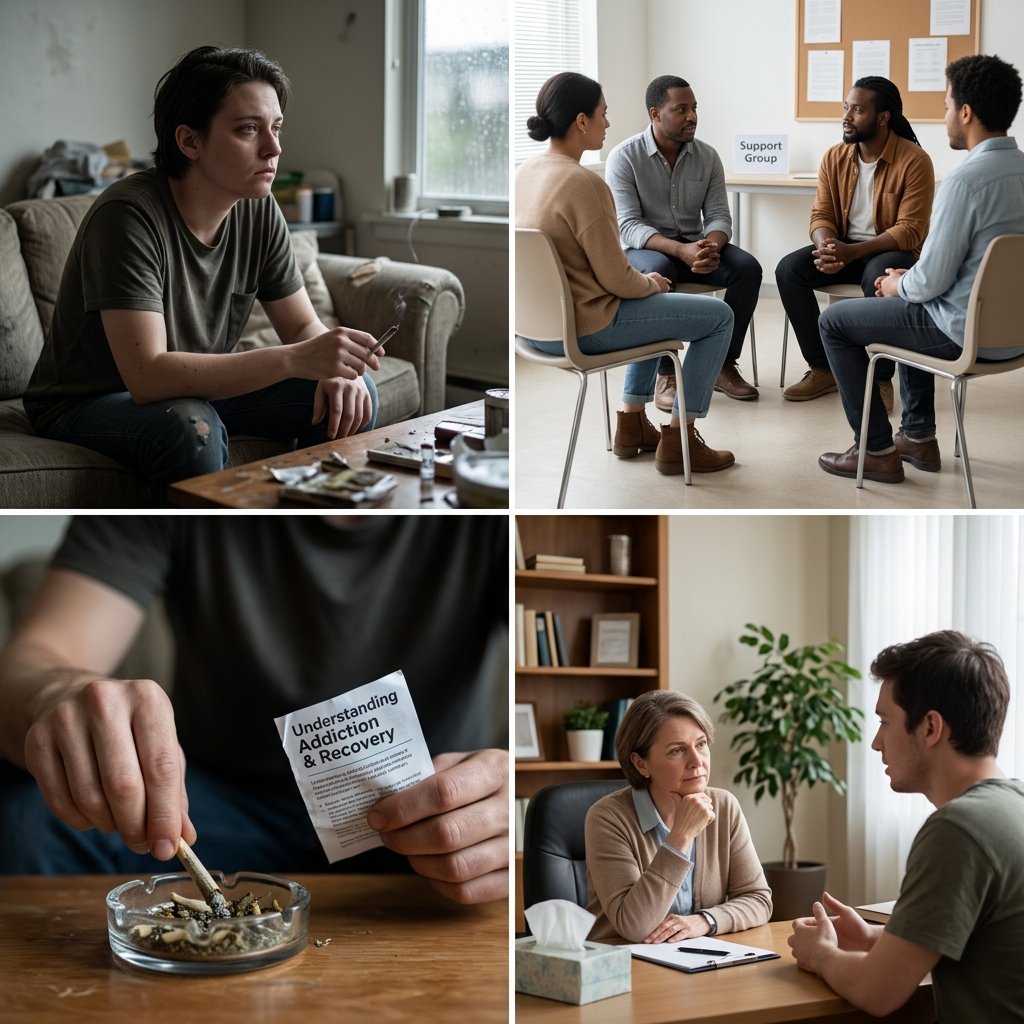
Getting rid of a dependence on cannabis is not solely a matter of will. It offers structured programs, therapy, and planning tailored to support individual recovery.
Cannabis Marijuana Addiction Treatment Islamabad Pakistan combines drug addiction treatment with mental health care, allowing patients to address substance use and any underlying emotional problems.
Professional treatment may help individuals:
- Understand addiction triggers
- Build healthier coping mechanisms
- Improve emotional resilience
- Restore daily functioning
- Strengthen personal relationships
- Reduce the risk of relapse
Treatment Approaches for Cannabis Addiction
Comprehensive Assessment
Recovery normally starts with both an in-depth assessment or evaluation of the nature of your substance use, mental wellbeing and/or difficulties coping with stress, and private restoration targets.
Individual Counseling
Counseling offers a safe space where people can talk about why they use cannabis and substitute more positive behaviors.
Cognitive Behavioral Therapy (CBT)
CBT: One of the Main Approaches to Treat SUD When acted well, say experts in psychology and addiction, cognitive-behavioral therapy (CBT) rates as one of the most effectual methods available for treatment of substance use disorders. They learn to identify maladaptive thought processes and develop adaptive coping mechanisms.
Group Therapy
Peer support and experiential learning groups offer twice weekly opportunities for therapeutic connection. This can lower the risk of feeling lonely and reinforce motivation for recovery.
Family Support Programs
A key part of recovery is often the involvement of family members. Family therapy and educational approaches can help improve comminution and a positive home environment.
The Hope Rehabilitation Center Islamabad, Pakistan believe that family-centered care, which promotes and strengthens relationships to support long-term recovery planning, is a crucial component of addiction treatment.
Relapse Prevention and Long-Term Recovery
Cannabis dependency recovery is an ongoing process. The experience of developing relapse prevention skills can preserve people’s gains after treatment.
Effective relapse prevention strategies include:
- Identifying personal triggers
- Managing stress effectively
- Building healthy daily routines
- Participating in ongoing counseling
- Maintaining supportive social connections
- Practicing mindfulness and self-care
Such strategies can help people cope as they work towards longer-term recovery goals.
Benefits of Early Intervention
Outcomes are better and the long-term consequences of cannabis dependence can be mitigated by accessing treatments early.
Potential benefits include:
- Improved mental clarity
- Better emotional stability
- Enhanced concentration and memory
- Stronger relationships
- Increased productivity
- Improved overall quality of life
Early intervention gives people the skills and supports to promote positive lifestyle changes.
Frequently Asked Questions (FAQs)
1. Can cannabis become addictive?
Yes. Not everyone who uses cannabis becomes dependent, but regular or prolonged use of the drug can lead to addiction and withdrawal symptoms on stopping.
2. Common cannabis withdrawal symptoms
Anxiety, crankiness, restlessness, difficulty sleeping, sudden mood swings and cravings are some of the withdrawal symptoms.
3. Does cannabis addiction have an impact on mental health?
Yes. For those with early age use cannabis length, it may play one cause to anxiety depression concentration difficulty and other mental health issues.
4. How is cannabis addiction treated?
Treatments most often involve counseling, cognitive behavioral therapy, group support, family involvement and a plan to avoid relapse.
5. Can you recover from cannabis addiction?
Yes. In short, given the right help in combination with a willingness to take on this challenge many people manage to break free from cannabis addiction and find permanent recovery.
Conclusion
Cannabis addiction is a major health issue that affects physical health, emotional well-being and daily life. Though you may start smoking pot for social reasons, frequent use can turn into a dependence that needs medical supervision. Cannabis Marijuana Addiction Treatment or Substance Abuse Rehabilitation in Islamabad, Pakistan can equip patients with the knowledge and therapy necessary to start their journey toward recovery.
The Hope Rehabilitation Center Islamabad, Pakistan provide ethical, compassionate and evidence-based treatment for people with substance use or other behavioral health challenges. By utilizing individualized treatment approaches, counselling services, family support and relapse prevention techniques, they can help the individual towards a full recovery and a better overall quality of life.