Drug and alcohol addiction is a complex health condition that affects millions of people worldwide. It can influence physical health, emotional well-being, relationships, education, employment, and overall quality of life. While substance use may begin as an occasional habit, repeated use can gradually lead to dependence, making it increasingly difficult to stop without professional support.
Recovery is possible with the right combination of medical care, counseling, behavioral therapy, and ongoing support. At The Hope Rehabilitation Center Islamabad, Pakistan, treatment programs are designed to provide compassionate, evidence-informed care that helps individuals address addiction while promoting long-term physical and emotional well-being.
Understanding Drug and Alcohol Addiction
Drug and alcohol addiction, also known as a substance use disorder, occurs when a person continues using alcohol or drugs despite experiencing harmful consequences. Addiction affects the brain’s reward system, influencing motivation, decision-making, and self-control.
Over time, individuals may develop tolerance, requiring larger amounts of a substance to achieve the same effects. They may also experience withdrawal symptoms when attempting to reduce or stop use.
Substances commonly associated with addiction include:
- Alcohol
- Heroin
- Cannabis (Marijuana)
- Methamphetamine (Ice)
- Cocaine
- Prescription opioids
- Sedatives and tranquilizers
Common Signs and Symptoms
Recognizing the warning signs of addiction can encourage timely intervention and treatment.
Physical Signs
- Changes in sleep patterns
- Unexplained weight changes
- Poor personal hygiene
- Frequent fatigue
- Bloodshot eyes or unusual appearance
- Tremors or shakiness
Behavioral Signs
- Neglecting work, school, or family responsibilities
- Social withdrawal
- Financial difficulties
- Secretive behavior
- Risk-taking activities
- Repeated unsuccessful attempts to stop using substances
Emotional Signs
- Mood swings
- Anxiety
- Depression
- Irritability
- Difficulty concentrating
- Reduced motivation
At The Hope Rehabilitation Center Islamabad, Pakistan, a comprehensive assessment helps identify both the physical and emotional effects of addiction before creating a personalized treatment plan.
Causes and Risk Factors
Addiction develops through a combination of biological, psychological, and environmental influences. Common contributing factors include:
- Family history of substance use disorders
- Emotional trauma
- Chronic stress
- Mental health conditions
- Peer influence
- Easy access to addictive substances
Understanding these underlying factors is important because successful treatment often addresses more than the addiction itself.
Health Effects of Drug and Alcohol Addiction
Long-term substance use can affect multiple body systems and overall well-being.
Physical Health
Substance use may contribute to:
- Liver disease
- Heart problems
- Respiratory conditions
- Weakened immune function
- Digestive disorders
- Neurological complications
Mental Health
Addiction often occurs alongside mental health conditions such as:
- Depression
- Anxiety disorders
- Trauma-related conditions
- Mood disorders
- Sleep disturbances
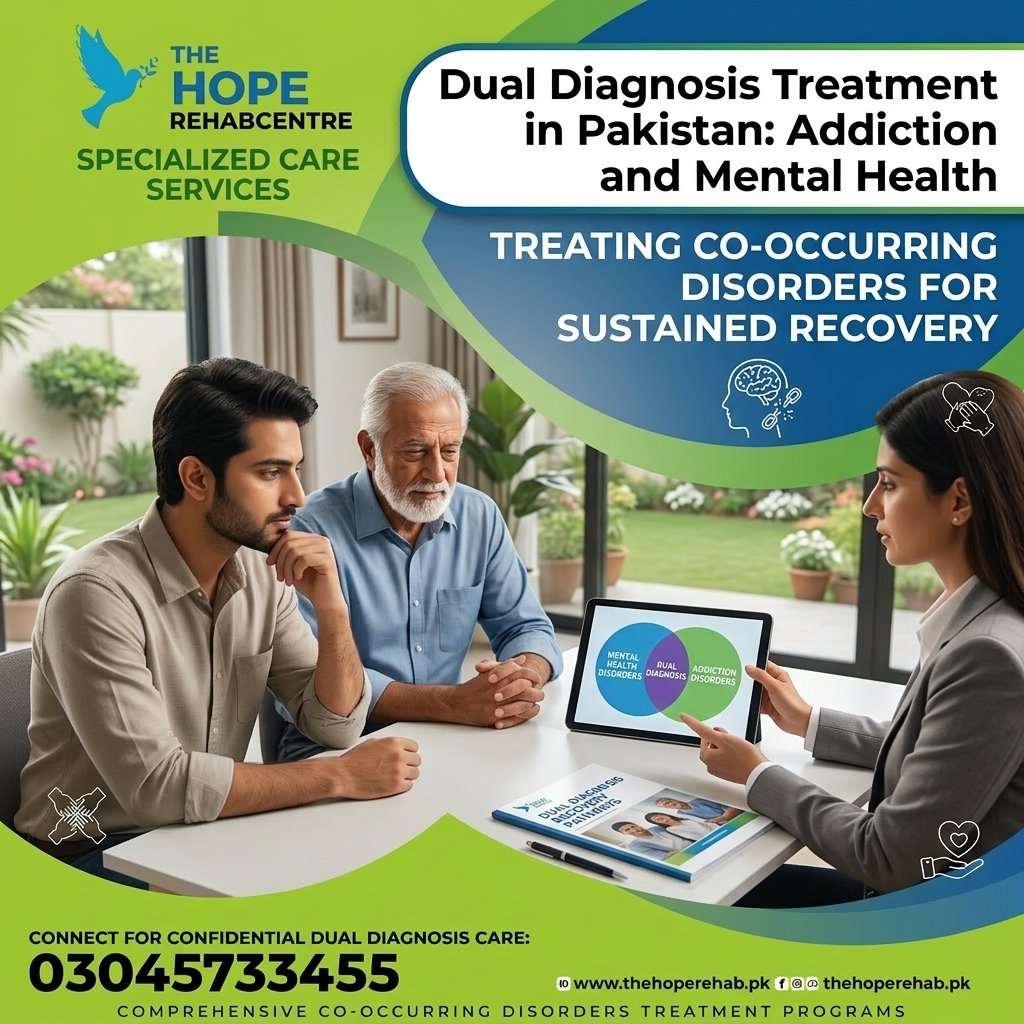
Integrated treatment can help individuals manage both addiction and emotional health more effectively.
Treatment Options
Recovery typically involves several stages, depending on each individual’s needs.
Medical Assessment and Detoxification
For some individuals, detoxification is the first stage of treatment. Healthcare professionals monitor withdrawal symptoms while supporting physical stabilization.
Individual Counseling
Counseling helps individuals understand the emotional and behavioral factors contributing to substance use while developing healthier coping strategies.
Cognitive Behavioral Therapy (CBT)
CBT focuses on identifying harmful thought patterns, managing cravings, and responding to triggers in healthier ways.
Group Therapy
Group sessions provide opportunities for peer support, shared experiences, and encouragement throughout recovery.
At The Hope Rehabilitation Center Islamabad, Pakistan, treatment plans are tailored to each individual’s medical history, emotional needs, and personal recovery goals.
Relapse Prevention and Long-Term Recovery
Recovery continues after formal treatment ends. Relapse prevention strategies help individuals maintain progress while managing future challenges.
These strategies may include:
- Identifying personal triggers
- Building healthy daily routines
- Stress management techniques
- Ongoing counseling
- Family support
- Follow-up recovery planning
Long-term recovery often depends on consistency, self-awareness, and continued professional guidance.
The Importance of Family Support
Addiction affects not only the individual but also family members and close relationships. Family support can improve communication, strengthen motivation, and encourage healthier recovery environments.
Family counseling may help:
- Rebuild trust
- Improve communication
- Address emotional concerns
- Encourage healthy boundaries
- Support long-term recovery goals
At The Hope Rehabilitation Center Islamabad, Pakistan, family involvement may be incorporated into treatment when appropriate.
Frequently Asked Questions (FAQs)
1. What is drug and alcohol addiction?
Drug and alcohol addiction is a condition in which individuals continue using substances despite experiencing harmful physical, emotional, or social consequences.
2. Can addiction affect mental health?
Yes. Addiction is often associated with depression, anxiety, emotional instability, and other mental health conditions.
3. What treatments are available for addiction?
Treatment may include medical assessment, detoxification, counseling, behavioral therapy, group therapy, and relapse prevention planning.
4. How long does addiction treatment take?
Treatment duration varies depending on the individual’s health, substance use history, and recovery needs.
5. Why is family involvement important during recovery?
Supportive family relationships can improve communication, provide encouragement, and contribute positively to long-term recovery.
Conclusion
Drug and alcohol addiction is a serious but treatable health condition that affects both physical and emotional well-being. Early recognition, professional treatment, and ongoing support can help individuals develop healthier coping strategies and rebuild their lives.
At The Hope Rehabilitation Center Islamabad, Pakistan, comprehensive treatment programs combine compassionate care, evidence-informed therapies, counseling, family support, and relapse prevention planning. With individualized care and continued guidance, individuals can work toward lasting recovery, improved well-being, and a healthier future.