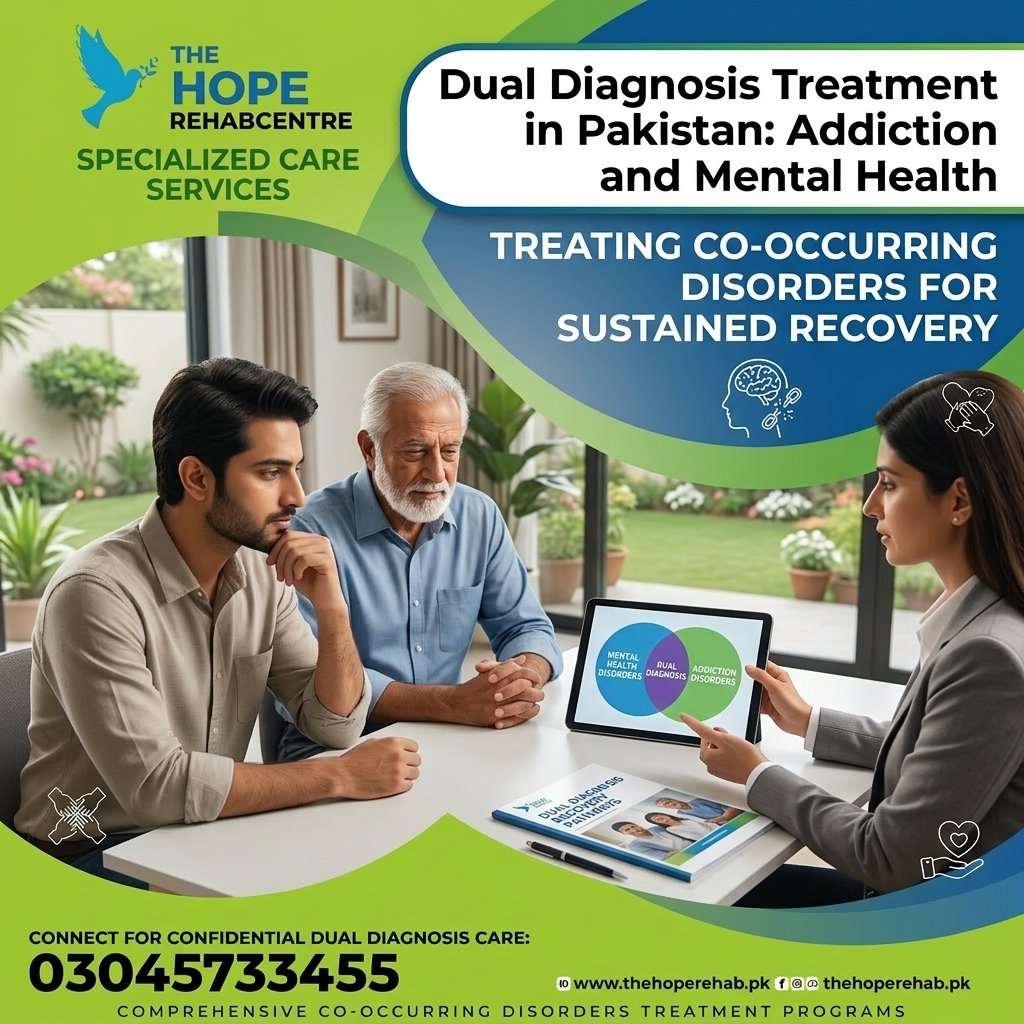
Recovery from addiction and mental health challenges is often more successful when families are actively involved in the healing process. A Family Support Program provides education, counseling, and practical guidance to help loved ones better understand addiction, mental health conditions, and the recovery journey. By strengthening communication and rebuilding trust, families can become an important source of encouragement and stability.
Addiction and mental health disorders affect more than just the individual—they can influence relationships, emotional well-being, finances, and daily family life. A structured family support program helps everyone move forward together with greater understanding and resilience.
At The Hope Rehabilitation Center Islamabad, Pakistan, the Family Support Program is designed to complement individualized treatment by promoting healthy family involvement, emotional healing, and long-term recovery.
What Is a Family Support Program?
A Family Support Program is a structured service that educates and supports family members throughout the recovery process. It helps loved ones understand the nature of addiction and mental health conditions while providing tools to improve communication, manage stress, and support recovery in healthy ways.
A typical program may include:
- Family counseling sessions
- Educational workshops
- Emotional support meetings
- Communication skills training
- Relapse prevention education
The aim is to strengthen family relationships while supporting the individual receiving treatment.
Why Family Support Is Important
Recovery does not happen in isolation. A supportive family environment can encourage motivation, reduce stress, and improve treatment engagement.
Family involvement may help by:
- Improving understanding of addiction and recovery
- Reducing misunderstandings and conflict
- Encouraging healthy communication
- Providing emotional support
- Helping maintain long-term recovery goals
At The Hope Rehabilitation Center Islamabad, Pakistan, family participation is encouraged whenever it is appropriate and beneficial for the individual’s treatment plan.
How Addiction Affects Families
Substance use disorders and mental health conditions often have a significant impact on loved ones.
Emotional Challenges
Family members may experience anxiety, sadness, frustration, or feelings of helplessness while supporting someone with addiction.
Communication Difficulties
Misunderstandings, arguments, and emotional distance can develop over time if problems remain unresolved.
Financial and Social Stress
Addiction may create financial strain, workplace difficulties, and changes in family responsibilities.
Loss of Trust
Repeated substance use or unhealthy behaviors can affect trust within relationships. Family counseling can help rebuild healthy communication over time.
Key Components of a Family Support Program
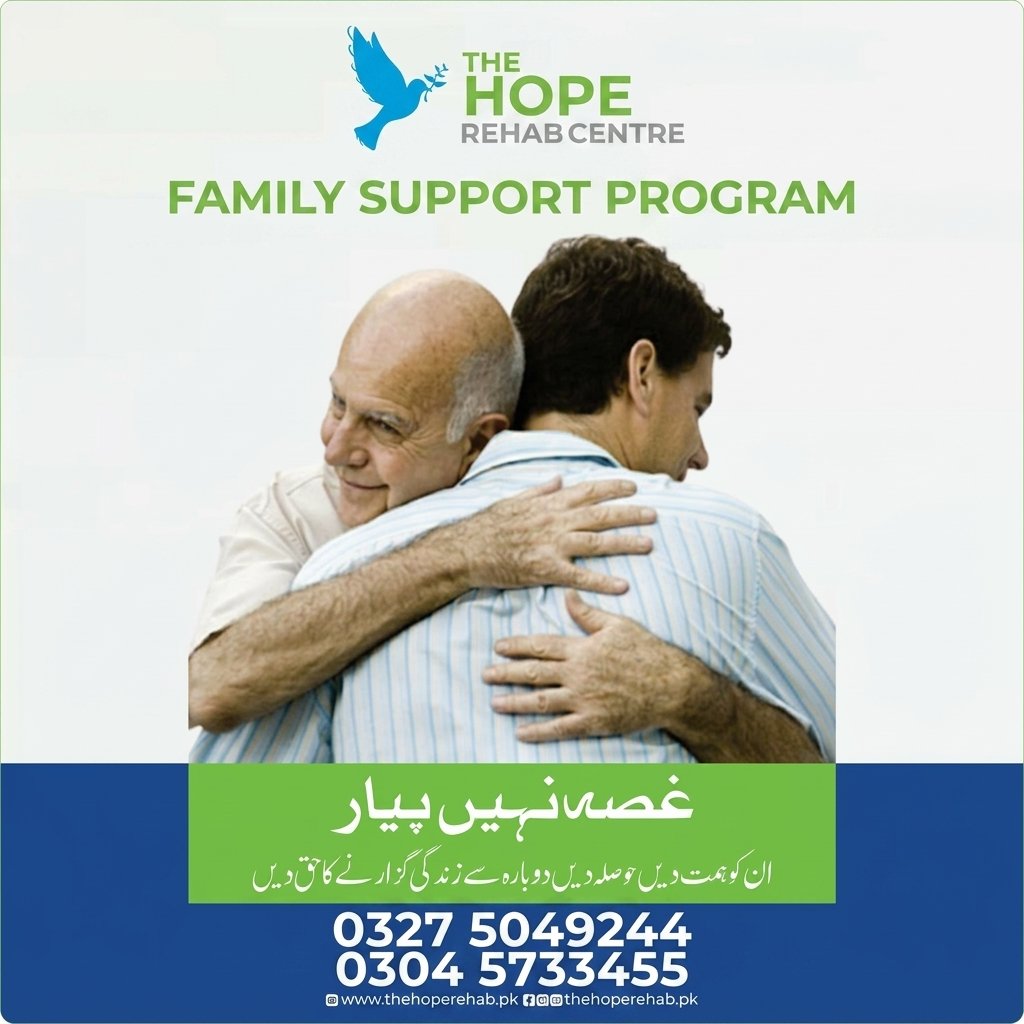
Family Counseling
Counseling provides a safe and respectful environment where family members can discuss concerns, improve communication, and work toward healthier relationships.
Education About Addiction
Learning about addiction as a health condition helps reduce stigma and improves understanding of the recovery process.
Topics may include:
- Causes of addiction
- Recovery expectations
- Relapse prevention
- Healthy family roles
- Emotional support strategies
Communication Skills
Families learn practical techniques to:
- Listen actively
- Express concerns respectfully
- Set healthy boundaries
- Resolve conflicts constructively
These skills support healthier interactions during and after treatment.
Emotional Wellness
Family members also benefit from learning stress management and self-care strategies, recognizing that their own well-being is an important part of the recovery process.
Benefits of Family Involvement
A strong Family Support Program can contribute to:
- Better communication
- Increased emotional stability
- Improved treatment participation
- Stronger family relationships
- Greater understanding of addiction
- Healthier recovery environments
When families receive education and guidance, they are often better prepared to provide meaningful support without becoming overwhelmed.
Supporting Long-Term Recovery
Recovery continues long after formal treatment ends. Family support remains valuable during this stage by encouraging healthy routines, celebrating progress, and recognizing early signs of emotional difficulty.
Long-term recovery strategies may include:
- Regular family meetings
- Continued counseling when needed
- Encouraging healthy daily routines
- Supporting treatment recommendations
- Maintaining open communication
At The Hope Rehabilitation Center Islamabad, Pakistan, aftercare planning may include family education to help sustain recovery beyond residential or outpatient treatment.
Frequently Asked Questions (FAQs)
1. What is a Family Support Program?
A Family Support Program provides education, counseling, and guidance to help families support loved ones recovering from addiction or mental health conditions.
2. Why is family involvement important during recovery?
Family support can improve communication, strengthen motivation, and create a healthier environment that supports long-term recovery.
3. Can family counseling help rebuild trust?
Yes. Counseling encourages honest communication, healthy boundaries, and gradual rebuilding of trust within relationships.
4. Do family members receive support too?
Yes. Family programs recognize that loved ones may also experience emotional stress and provide guidance to help them cope effectively.
5. Can family support reduce the risk of relapse?
While no program can guarantee outcomes, a supportive and informed family environment may help individuals stay engaged in recovery and recognize challenges early.
Conclusion
A Family Support Program recognizes that recovery is often strongest when families heal together. Education, counseling, and open communication help loved ones better understand addiction, strengthen relationships, and provide meaningful support throughout the recovery journey.
At The Hope Rehabilitation Center Islamabad, Pakistan, family support is an important part of comprehensive care. By helping individuals and their families build trust, improve communication, and develop healthier coping strategies, the program supports lasting recovery and improved emotional well-being for everyone involved.