Cocaine addiction is a substance use disorder (SUD) that results in severe medical illness, as well as psychological disorders. Cocaine, a powerful central nervous system stimulant that gives rise to transient states of energy, confidence and euphoria. Yet, the longer someone uses ketamine in this way, the more they will depend on it to function—making quitting without professional help very challenging. The effects of one being addicted to cocaine can affect relationships, careers and finances if not care for.
Treatment Centers for Cocaine Dependency in Islamabad, Pakistan. Cocaine addiction requires not only medical and physical help, but also a lengthy process. In Pakistan’s The Hope Rehabilitation Center Islamabad, Pakistan these individuals are given compassionate treatment programs that have been scientifically proven to relieve trauma in order to enable the recovery of cocaine addiction whilst also maintaining long term physical and emotional wellbeing.
What Is Cocaine Addiction?
Cocaine addiction is a disease in which a person becomes physically or psychologically dependent on cocaine. Dopamine levels rise in the brain from this drug, creating incredibly euphoric feelings of pleasure and reward. The brain adapts to all of this, so over time it becomes impossible to feel even a little bit good without the substance.
Over time as tolerance builds up, people tend to consume higher doses of the drug in order to feel the same effects, which can also lead to life-threatening health conditions.
Signs and Symptoms of Cocaine Addiction
Recognizing the signs of a cocaine addiction can lead to early intervention and successful treatment recovery.
Common symptoms include:
- Intense cravings for cocaine
- Increased tolerance
- Mood swings
- Anxiety and restlessness
- Irritability
- Difficulty sleeping
- Loss of appetite
- Rapid weight loss
- Poor concentration
- Financial or legal issues due to drug use
- Ignoring family, work or education responsibilities
These symptoms typically become worse as addiction advances.
Causes and Risk Factors
Multiple factors are responsible for cocaine addiction.
Mental Health Disorders
Those struggling with anxiety, depression, trauma, or chronic stress have a higher likelihood of developing substance use disorders.
Peer Pressure and Social Environment
The likelihood of experimenting or continuously using drugs is often linked to exposure to substance use among peers and in high-risk environments.
Emotional Difficulties
Others abuse cocaine to reduce emotional pain, assist with relationship struggles and grief, or alleviate job stress.
Family History
It was proposed that individuals with a family history of addiction or substance misuse may also play an important role in predisposing individuals to cocaine dependence.
Health Risks of Cocaine Addiction
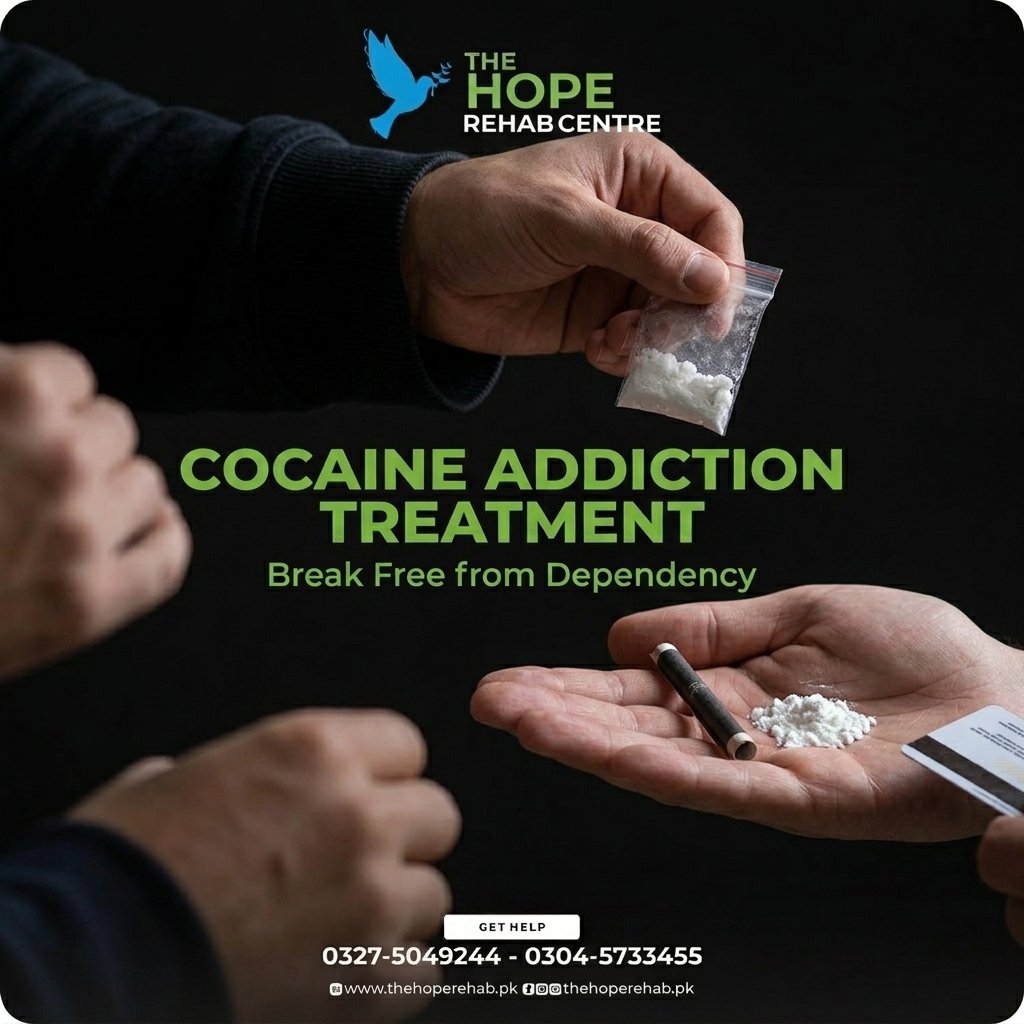
Cocaine has been shown to cause long-lasting effects on many organs and systems.
Physical Health Risks
Potential complications include:
- High blood pressure
- Irregular heartbeat
- Heart attack
- Stroke
- Respiratory problems
- Seizures
- Malnutrition
- Increased risk of overdose
Mental Health Effects
Cocaine use disorder can also lead to:
- Anxiety
- Depression
- Panic attacks
- Paranoia
- Hallucinations
- Memory impairment
- Emotional instability
Treating a dual-diagnosis of addiction and mental health issues simultaneously can be key to lasting recovery.
Why It Is Important to Seek Professional Cocaine Addiction Treatment
Without professional assistance, Cocaine Detox can be difficult given the pronounced cravings associated with cocaine use and psychological dependence on the substance. It simply means that a structured treatment program is usually the way to go, since it provides medical supervision, counseling and behavioral support.
Take help with seeking Cocaine Addiction Treatment in Islamabad, Pakistan can support an individual with:
- Safely manage withdrawal symptoms
- Reduce cravings
- Improve emotional well-being
- Treating the root causes of addiction
- Learn healthy coping skills
- Reduce the risk of relapse
For its part, The Hope Rehabilitation Center Islamabad, Pakistan offers customized treatment plans based on medical history, mental health needs and recovery goals.
Treatment Approaches for Cocaine Addiction
Comprehensive Assessment
Recovery process starts with a comprehensive assessment of physical the health, mental health, substance abuse history to formulate a personalized plan for treatment.
Medical Detoxification
Detoxification provides a period of elimination from cocaine in a medically monitored environment that attends to the withdrawal symptoms and psychological needs.
Individual Counseling
This individual therapy will assist individuals in understanding the link between their thoughts, emotions, behavior and their addiction, while instilling healthy coping methods.
Cognitive Behavioral Therapy (CBT)
Cognitive Behavior Therapy (CBT) is an approach that helps you identify negative thought patterns, cope with triggers while getting rid of maladaptive behaviors and substituting unhealthy behaviors for positive coping strategies.
Group Therapy
The group-facilitation process promotes peer support, mutual accountability and shared learning during recovery.
Family Support Programs
Family Therapy helps strengthen communication, rebuilds trust and allows family members to actively support the process of recovery.
Relapse Prevention and Long-Term Recovery
Recovery extends beyond completing treatment. Effective relapse prevention strategies are key components to be able to maintain sobriety over a long period of time.
Important relapse prevention techniques include:
- Identifying personal triggers
- Practicing healthy stress management
- Attending ongoing counseling sessions
- Following structured daily routines
- Building supportive social relationships
- Participating in aftercare programs
Relapse prevention planning is an integral part of your treatment at recovery new hope rehab and caring center Islamabad.
Frequently Asked Questions (FAQs)
1. What is cocaine addiction?
Cocaine Addiction Cocaine addiction is a type of substance use disorder involving cocaine dependence generally properly referred to as use despite harm physical, emotional or social.
2. Is cocaine treatment effective?
Yes. Treatments vary but for more successful long-term recovery a combination of detoxification, counseling, behavioral therapy and continuing care is needed.
3. What are the standard Cocaine withdrawal signs and symptoms?
Signs of withdrawal include insomnia, fatigue, depression, anxiety, increased appetite and extreme cravings for the substance.
4. What is the Role of Cognitive Behavioral Therapy (CBT) in Treatment?
CBT teaches individuals to identify unhealthy thoughts, cope with cravings, develop coping strategies and reduce the ability of relapse.
5. How do you help an addict to recover from cocaine addiction?
Support from family can help both emotionally, providing encouragement, willingness to attend counseling sessions together and improve communication in addition to creating stability for long-lasting recovery.
Conclusion
Cocaine addiction is a serious but treatable disease of the brain and body. With early intervention, treatment by professionals and support from family and friends they can regain control of their lives and gain a proper foundation for the future. Cocaine Addiction Treatment in Islamabad, Pakistan availability of structured care that treat addiction and mental concerns together.
The Hope Rehabilitation Center Islamabad, Pakistan offer comprehensive treatment programs that include medical detoxification, evidence-based therapies, behavioral therapy, individual counseling, family involvement and relapse prevention. People can build a true foundation for long-lasting recovery, healing, and sobriety through compassionate, individualized care.