Drug Addiction in Pakistan is an important public health concern that can affect individuals, families, and communities. Substance use can begin for different reasons, including curiosity, peer pressure, emotional distress, chronic stress, or exposure to drugs. With repeated use, some people may develop dependence or a substance use disorder that makes stopping difficult without professional support.
Understanding the causes, effects, treatment options, and recovery process can help reduce stigma and encourage people to seek appropriate care. The Hope Rehabilitation Center Islamabad, Pakistan focuses on a compassionate and structured approach to addiction recovery, recognizing that each person’s circumstances and treatment needs are different.
Understanding Drug Addiction in Pakistan
Drug addiction is more than a lack of willpower. Repeated use of certain substances can affect brain systems involved in reward, decision-making, motivation, and stress. As dependence develops, a person may experience cravings and continue using drugs despite negative consequences.
Drug addiction can involve substances such as heroin, opioids, methamphetamine, cannabis, cocaine, prescription medicines, and other psychoactive substances. The risks vary according to the substance, amount used, method of use, and the person’s physical and mental health.
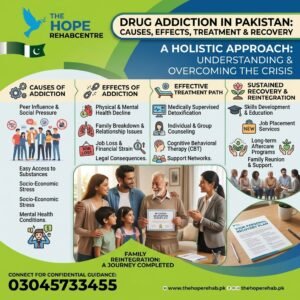
Major Causes of Drug Addiction
There is no single cause of addiction. Biological, psychological, social, and environmental factors can interact and increase a person’s risk.
Psychological and Emotional Factors
Depression, anxiety, trauma, loneliness, grief, and chronic stress may influence substance use. Some people use drugs as a way of temporarily escaping emotional pain. Without appropriate support, this pattern can become increasingly difficult to control.
Social and Environmental Influences
Peer pressure, family difficulties, social isolation, unemployment, and easy exposure to substance use can also contribute. Young people may be particularly influenced by their social environment and the behavior of people around them.
Commonly Misused Drugs
Different substances create different risks. Common categories include:
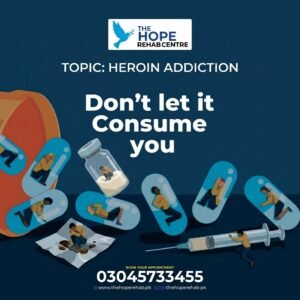
- Opioids: heroin, illicit opioids, and some prescription pain medicines
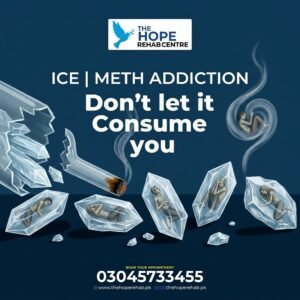
- Stimulants: methamphetamine and other stimulant drugs
- Cannabis: marijuana and related cannabis products
- Sedatives: certain prescription medicines when misused
- Club drugs: substances such as MDMA and other psychoactive drugs
Polydrug use, or using more than one substance, can increase health risks and make treatment more complex.
Effects of Drug Addiction on Health
Drug addiction can affect almost every area of health. The consequences depend on the substance and pattern of use.
Physical Health Effects
Possible complications include cardiovascular problems, respiratory difficulties, infections, poor nutrition, sleep problems, liver or kidney complications, and increased risk of injury.
Injecting drugs can create additional risks, particularly when needles or other equipment are shared.
Mental Health Effects
Substance use may contribute to anxiety, depression, mood changes, impaired concentration, paranoia, or other psychological symptoms. Some people also have an existing mental health condition alongside addiction.
When substance use and mental health conditions occur together, both concerns should be assessed and addressed as part of an individualized treatment plan.
Effects on Families and Society
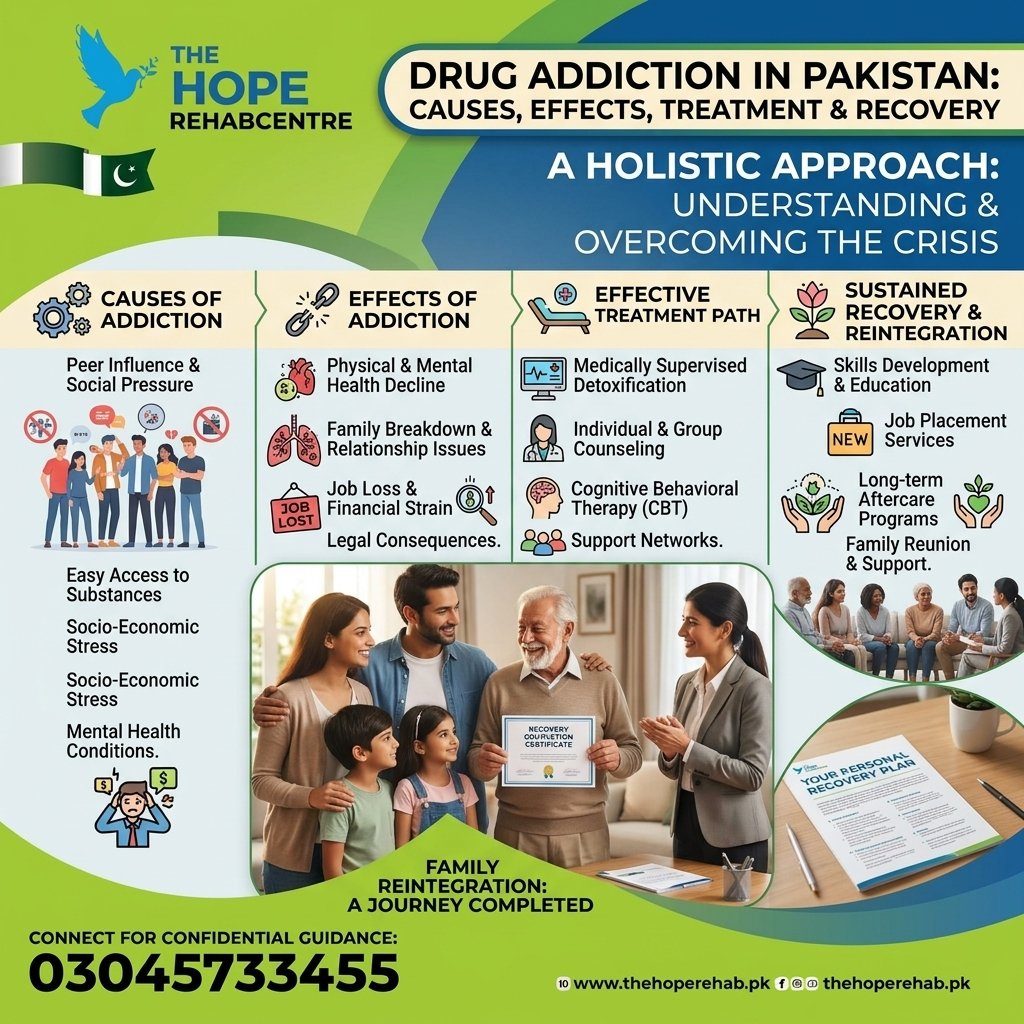
Addiction can place considerable emotional and financial pressure on families. Trust may become difficult to maintain, responsibilities may be neglected, and conflicts can increase.
The effects can also extend to education, employment, relationships, and community well-being. Reducing stigma and improving access to appropriate treatment can help people seek support earlier.
Recognizing the Signs of Addiction
Possible warning signs include:
- Strong or frequent cravings
- Difficulty controlling drug use
- Increasing secrecy or withdrawal from family
- Neglect of work, studies, or responsibilities
- Sudden changes in behavior or social circles
- Financial problems related to substance use
- Withdrawal symptoms when the substance is stopped
- Continued use despite physical, emotional, or social harm
These signs don’t automatically confirm addiction. A healthcare professional can conduct a proper assessment.
Assessment and Diagnosis
Before treatment begins, professionals may review a person’s substance use history, physical health, mental health, family circumstances, previous treatment experiences, and current safety concerns.
A thorough assessment helps determine whether outpatient care, residential rehabilitation, medical treatment, counseling, or another level of support may be appropriate.
Drug Addiction Treatment Options
Treatment should be individualized rather than based on a single standard program.
Detoxification and Medical Support
Some substances can produce significant withdrawal symptoms when stopped. Medical supervision may be important, particularly for people with heavy or prolonged substance use, multiple substance use, or other medical conditions.
Detoxification is only an initial stage of recovery. Removing a substance from the body does not by itself address the psychological, behavioral, or social factors associated with addiction.
Counseling and Behavioral Therapy
Behavioral therapy and counseling can help individuals understand triggers, manage cravings, develop healthier coping strategies, and make practical changes to daily routines.
Individual counseling, group sessions, and relapse-prevention work may all have a role depending on the person’s needs.
Family Support and Education
Family involvement can strengthen recovery when it is appropriate and welcomed by the individual. Education helps relatives understand addiction as a health condition rather than simply a behavioral failure.
Families can also learn communication skills, healthy boundaries, and ways to respond constructively to setbacks.
Recovery and Relapse Prevention
Recovery is an ongoing process. After the initial phase of treatment, continuing support can help people maintain healthy habits and respond to triggers.
An aftercare plan may include counseling, peer support, family involvement, healthy sleep and nutrition routines, and strategies for managing high-risk situations.
Relapse can occur during recovery and should be treated as a reason to reassess and strengthen the treatment plan rather than as proof that change is impossible.
Role of a Rehabilitation Center
A rehabilitation center can provide a structured environment where individuals receive professional guidance while working on the physical, psychological, and behavioral aspects of addiction.
At The Hope Rehabilitation Center Islamabad, Pakistan, an appropriate recovery plan may involve assessment, counseling, behavioral support, family education, relapse-prevention planning, and continuing care according to individual needs.
Seeking treatment is a health decision, not something that should be associated with shame. Professional assessment can help determine what type of support is most suitable.
Frequently Asked Questions
1. What are the main causes of drug addiction in Pakistan?
Drug addiction can develop through a combination of genetic vulnerability, psychological distress, peer influence, family circumstances, social pressures, trauma, and repeated exposure to substances.
2. What are the common effects of drug addiction?
Drug addiction can affect physical health, mental well-being, relationships, education, employment, finances, and overall quality of life.
3. Is drug addiction treatable?
Yes. Substance use disorders are treatable health conditions. Treatment may involve medical care, counseling, behavioral therapy, family support, and continuing recovery services.
4. Is detoxification enough to overcome addiction?
Usually, detoxification is only one part of treatment. Long-term recovery may also require counseling, behavioral support, relapse-prevention strategies, and aftercare.
5. How can families help someone with addiction?
Families can encourage professional help, learn about addiction, communicate without unnecessary blame, establish healthy boundaries, and support appropriate treatment and aftercare.
Conclusion
Drug Addiction in Pakistan is a complex health issue that requires understanding, responsible treatment, and long-term support. Recognizing the warning signs early can make it easier to seek professional guidance before substance use causes further harm.
Recovery doesn’t happen in exactly the same way for everyone. With individualized care, appropriate medical and psychological support, family involvement, and continuing recovery planning, people affected by addiction can work toward healthier and more stable lives. At The Hope Rehabilitation Center Islamabad, Pakistan, compassionate and structured support can be an important part of that journey.