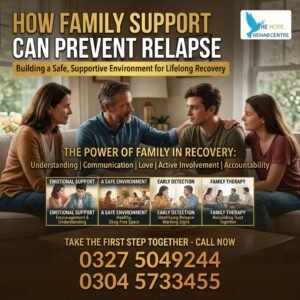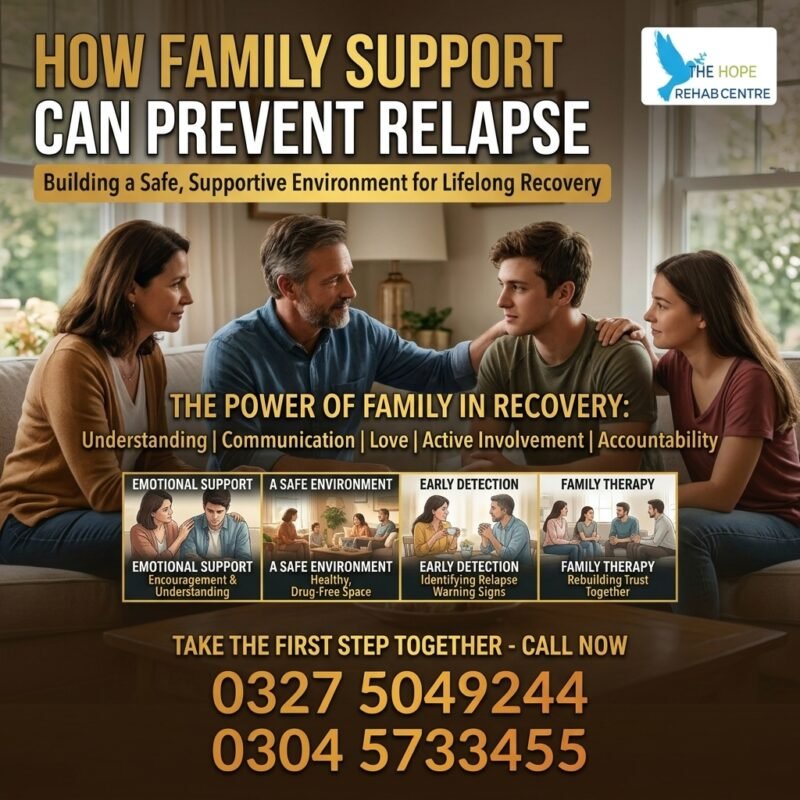
Addiction affects more than the person who uses alcohol or drugs. It can change family relationships, create emotional stress, disrupt household routines, and make communication difficult. A well-structured Family Support Program gives relatives an opportunity to understand addiction, learn healthier communication skills, and support recovery without taking control of the person’s treatment.
Family involvement doesn’t mean accepting harmful behavior or placing responsibility for recovery on relatives. Instead, it focuses on education, compassion, healthy boundaries, and practical support. At The Hope Rehabilitation Center Islamabad, Pakistan, family support can be included in an individualized recovery plan when clinically appropriate.
What Is a Family Support Program?
A Family Support Program is a structured form of education and counseling designed to help families affected by addiction or related mental health concerns.
Depending on individual needs, it may involve:
- Family counseling
- Addiction education
- Communication guidance
- Boundary-setting
- Relapse-prevention education
- Caregiver support
- Recovery planning
- Emotional support
The purpose is to create a healthier understanding of addiction while helping family members respond to difficult situations in constructive ways.
Why Family Support Matters During Recovery
When someone struggles with addiction, relatives may experience worry, anger, confusion, guilt, or frustration. They may also be unsure whether they are helping or unintentionally making the situation worse.
Education can change this. Understanding addiction as a complex health condition can reduce stigma and help families focus on practical steps.
Supportive family involvement may contribute to:
- Better communication
- Greater understanding of treatment
- Healthier household boundaries
- Increased awareness of relapse warning signs
- Emotional encouragement
- More consistent recovery routines
Family participation is not suitable or necessary in every situation. Treatment professionals should consider privacy, safety, family dynamics, and the individual’s wishes.
Understanding Addiction Without Blame
Addiction can involve biological, psychological, social, and environmental factors. It isn’t adequately explained by a lack of discipline or a simple choice.
Family members sometimes ask, “Why don’t they just stop?” The reality is that repeated substance use can lead to changes in reward, motivation, and stress systems, while emotional and environmental factors may also reinforce use.
Learning about these factors can help relatives replace blame with informed support.
At The Hope Rehabilitation Center Islamabad, Pakistan, family education can help relatives understand the recovery process while maintaining realistic expectations.
Family Counseling and Communication
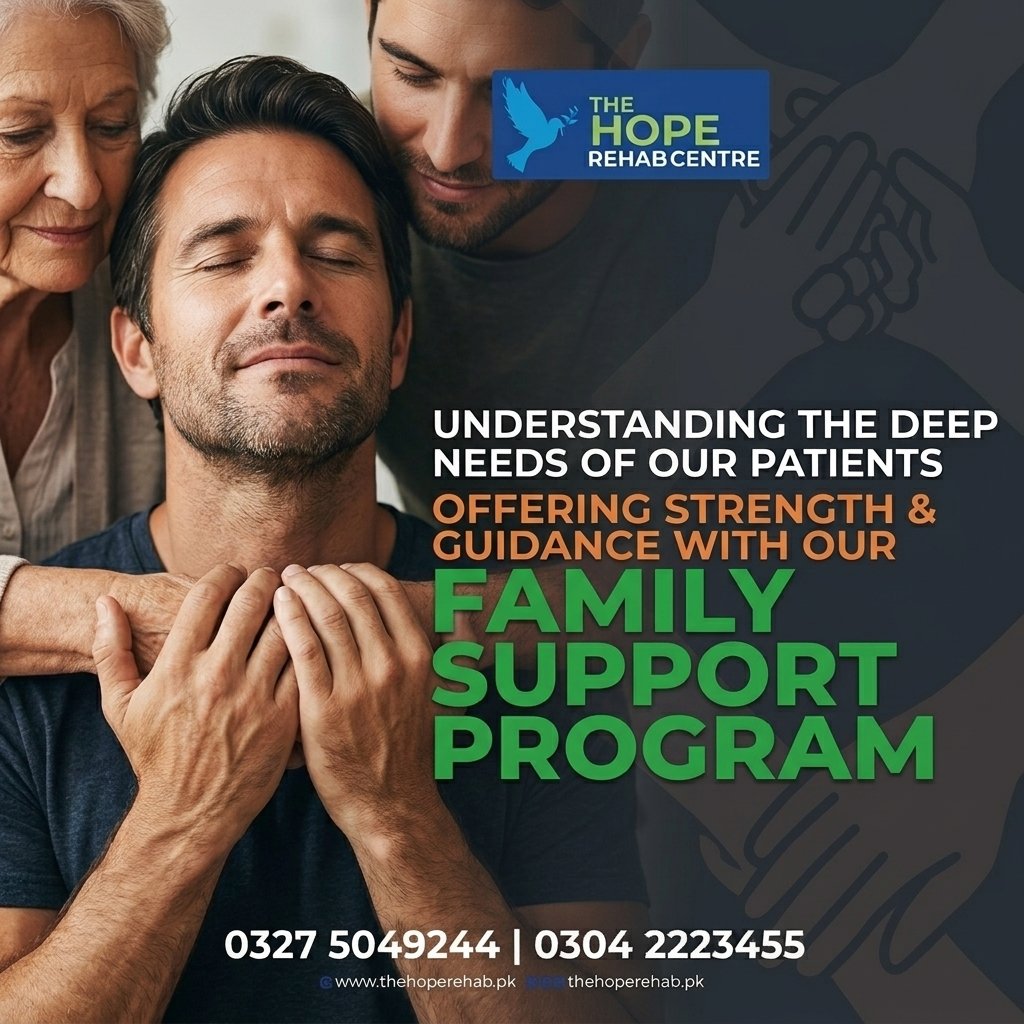
Addiction can create communication patterns that become difficult to break. Conversations may quickly turn into arguments, accusations, or silence.
Family counseling can provide a structured environment for discussing these issues.
Families may learn to:
- Listen actively
- Express concerns calmly
- Avoid unnecessary criticism
- Discuss expectations clearly
- Respect privacy
- Handle disagreements more constructively
Improved communication doesn’t mean that every disagreement disappears. Rather, it can provide healthier ways to manage difficult conversations.
Healthy Boundaries Are Part of Family Support
Being supportive doesn’t require family members to tolerate unsafe or harmful behavior.
Healthy boundaries may include:
- Refusing to provide money for substances
- Protecting household finances
- Establishing clear expectations
- Avoiding arguments when someone is intoxicated
- Encouraging professional treatment
- Protecting children and vulnerable family members
Boundaries work best when they are communicated clearly and consistently rather than used as punishment.
Avoiding Enabling Behaviors
Families sometimes try to protect their loved one from the consequences of addiction. Although the intention may be caring, certain behaviors can unintentionally allow the problem to continue.
Examples may include repeatedly making excuses for missed responsibilities, hiding substance use from others, or providing resources that directly support continued use.
A family support program can help relatives understand the difference between supporting recovery and enabling addiction.
Family Support During Rehabilitation
During rehabilitation, family participation may include educational sessions, counseling, treatment discussions, or recovery-planning meetings when appropriate.
Families may learn about:
- Withdrawal and recovery
- Cravings and triggers
- Relapse warning signs
- Treatment expectations
- Communication strategies
- Aftercare planning
The individual’s confidentiality should remain important throughout this process. Information shared with family should be handled according to appropriate professional and ethical standards.
Supporting Recovery After Treatment
Leaving a rehabilitation program can be an important transition. Returning home may bring familiar routines and triggers, making continued family support valuable.
Relatives can encourage:
- Healthy daily routines
- Continued counseling
- Treatment follow-up
- Positive activities
- Adequate rest and sleep
- Open, respectful communication
At the same time, families should avoid demanding immediate or perfect recovery. Progress can take time, and treatment plans may need adjustment.
Mental Health and Family Well-Being
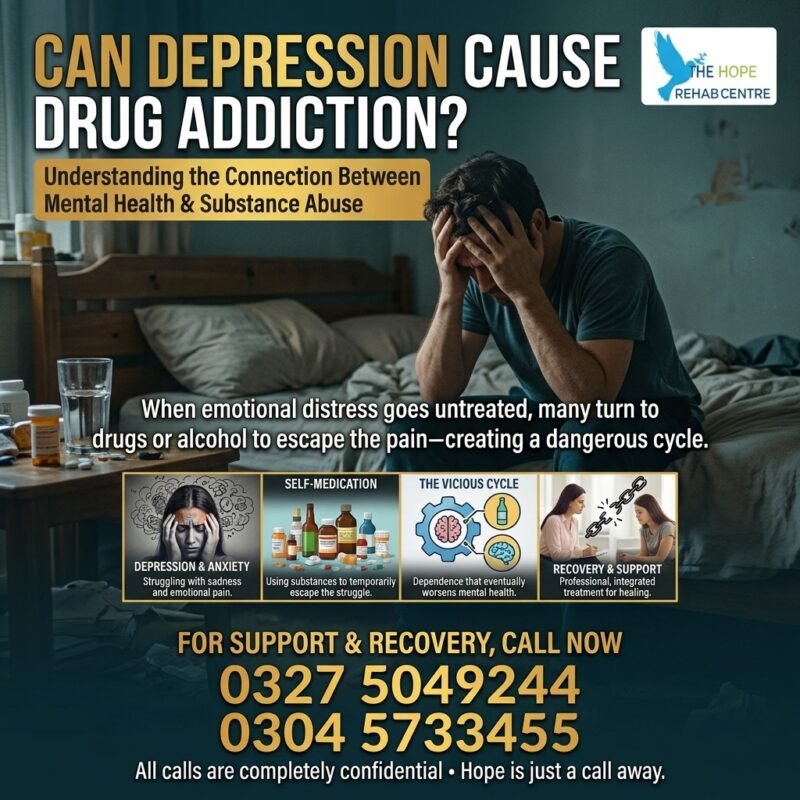
Addiction may occur alongside depression, anxiety, trauma, or other mental health conditions. These concerns can affect both the individual and the family.
If someone experiences significant mood changes, severe anxiety, psychotic symptoms, or thoughts of self-harm, professional mental health assessment is important.
Family members should also pay attention to their own well-being. Chronic stress can affect sleep, mood, physical health, and relationships.
Seeking counseling or other appropriate support for themselves can help caregivers maintain healthier boundaries and cope with the demands of supporting a loved one.
Relapse Prevention and Family Support
Relapse prevention is another important area where families can contribute.
Relatives may help by recognizing changes such as:
- Increasing isolation
- Returning to substance-using social circles
- Missing treatment appointments
- Significant mood changes
- Persistent cravings
- Romanticizing previous substance use
These signs don’t necessarily mean relapse will occur. They can, however, provide an opportunity for an individual and their treatment team to review the recovery plan.
A relapse should be approached as a serious health concern requiring reassessment and support, not as a reason for shame.
How The Hope Rehabilitation Center Supports Families
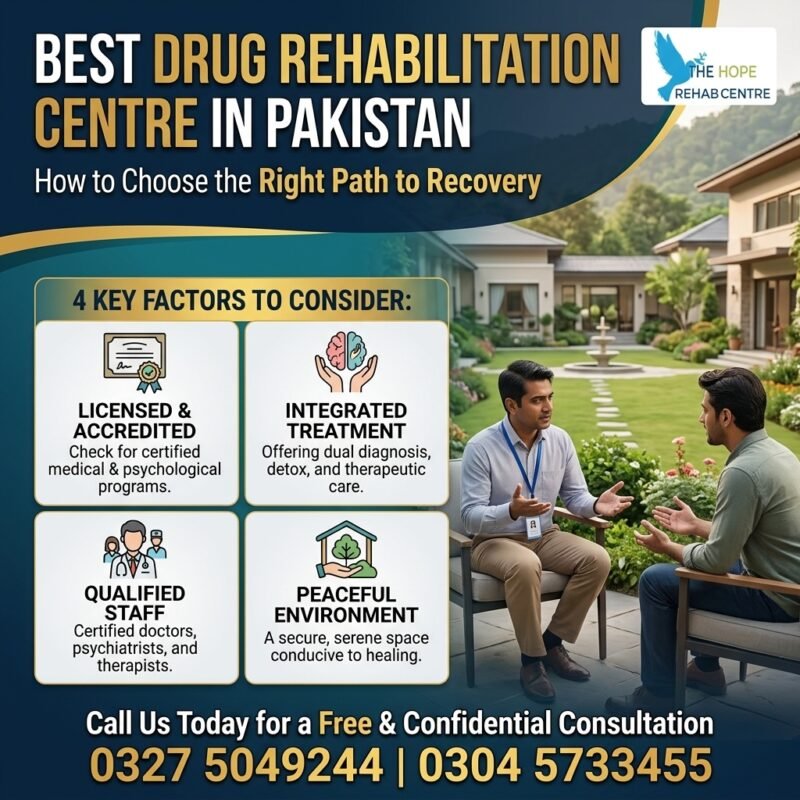
The Hope Rehabilitation Center Islamabad, Pakistan recognizes that addiction recovery can involve the entire family. Where appropriate, family-focused education and counseling can complement individual treatment.
The exact form of support should depend on the person’s clinical needs, family circumstances, privacy considerations, and recovery goals. A professional approach should prioritize safety, dignity, informed decision-making, and realistic expectations.
Frequently Asked Questions
1. What is a Family Support Program?
A Family Support Program provides education, counseling, and practical guidance to relatives affected by addiction or related mental health concerns. It helps families develop healthier communication and boundaries.
2. Should every family participate in addiction treatment?
Not necessarily. Family involvement depends on the individual’s treatment needs, safety, family relationships, privacy, and professional recommendations.
3. How can families support someone recovering from addiction?
Families can encourage professional care, communicate respectfully, maintain healthy boundaries, support positive routines, and avoid behaviors that unintentionally enable substance use.
4. Can family counseling help repair relationships?
Family counseling can provide a structured environment for addressing communication problems and past difficulties. Rebuilding trust generally takes time and consistent effort.
5. Do family members need support themselves?
Yes. Caring for someone affected by addiction can be emotionally demanding. Counseling, education, and appropriate support can help relatives protect their own well-being while maintaining healthy boundaries.
Conclusion
A Family Support Program can help relatives understand addiction and become a more informed source of support during recovery. Education, family counseling, healthy boundaries, and effective communication can make it easier for families to navigate the challenges that addiction may create.
At The Hope Rehabilitation Center Islamabad, Pakistan, family support can complement individualized rehabilitation and aftercare when clinically appropriate. The focus should remain on compassionate care, realistic expectations, privacy, safety, and practical recovery support.