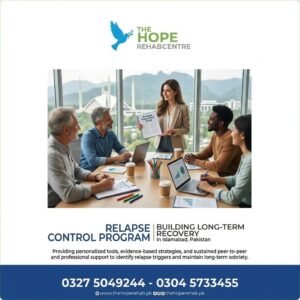
A Relapse Control Program in Islamabad, Pakistan can provide ongoing support for individuals working to maintain recovery from drug or alcohol addiction. Completing an initial treatment program is an important step, but returning to everyday responsibilities can bring new pressures, cravings, emotional challenges, and situations associated with previous substance use.
Relapse prevention isn’t about predicting every possible difficulty. It is about helping individuals recognize personal warning signs, develop practical coping strategies, and know when to seek additional support. The Hope Rehabilitation Center Islamabad, Pakistan approaches recovery as an ongoing process that may require continued care and individualized planning.
Understanding Relapse in Addiction Recovery
Relapse refers to a return to problematic substance use after a period of reduced or discontinued use. Addiction recovery isn’t always a straight line, and setbacks can occur.
A relapse shouldn’t automatically be viewed as a personal failure. It may indicate that existing treatment strategies need to be reassessed or strengthened.
Understanding what contributed to a setback can help professionals and individuals identify areas where additional support may be useful.
Why Relapse Can Happen
Many factors can increase the risk of returning to substance use. These can differ significantly between individuals.
Emotional and Psychological Triggers
Stress, anxiety, depression, loneliness, anger, boredom, and unresolved trauma may contribute to cravings. Difficult emotions can sometimes lead individuals to consider substances as a way of coping.
Learning healthier emotional regulation and stress-management skills can therefore be an important part of relapse prevention.
Environmental and Social Triggers
Certain people, locations, routines, or social situations may be associated with previous substance use. Financial difficulties, relationship conflicts, workplace pressure, and exposure to substances can also create challenges.
A relapse prevention plan can help individuals identify these situations and prepare appropriate responses.
What Is a Relapse Control Program?
A relapse control or prevention program provides structured support for maintaining recovery and responding to high-risk situations.
Depending on individual needs, a program may include counseling, behavioral therapy, family education, recovery planning, mental health support, and continuing follow-up.
The purpose isn’t to guarantee that relapse will never occur. Instead, the focus is on strengthening skills, identifying risks early, and encouraging timely professional support.
Assessment and Personalized Planning
Effective relapse prevention begins with understanding the individual. A professional may review:
- Substance use history
- Previous treatment experiences
- Past relapse patterns
- Mental health concerns
- Family and social environment
- Current stressors
- Physical health
- Personal recovery goals
This information can help create a plan that addresses the individual’s particular risks and circumstances.
Identifying Early Warning Signs
Relapse may involve changes in thoughts, emotions, and behaviors before substance use actually occurs.
Potential warning signs can include increased isolation, disrupted sleep, skipping counseling, returning to high-risk environments, romanticizing past substance use, or experiencing increasingly frequent cravings.
Recognizing these changes early can provide an opportunity to seek support before the situation becomes more difficult.
Managing Cravings and High-Risk Situations
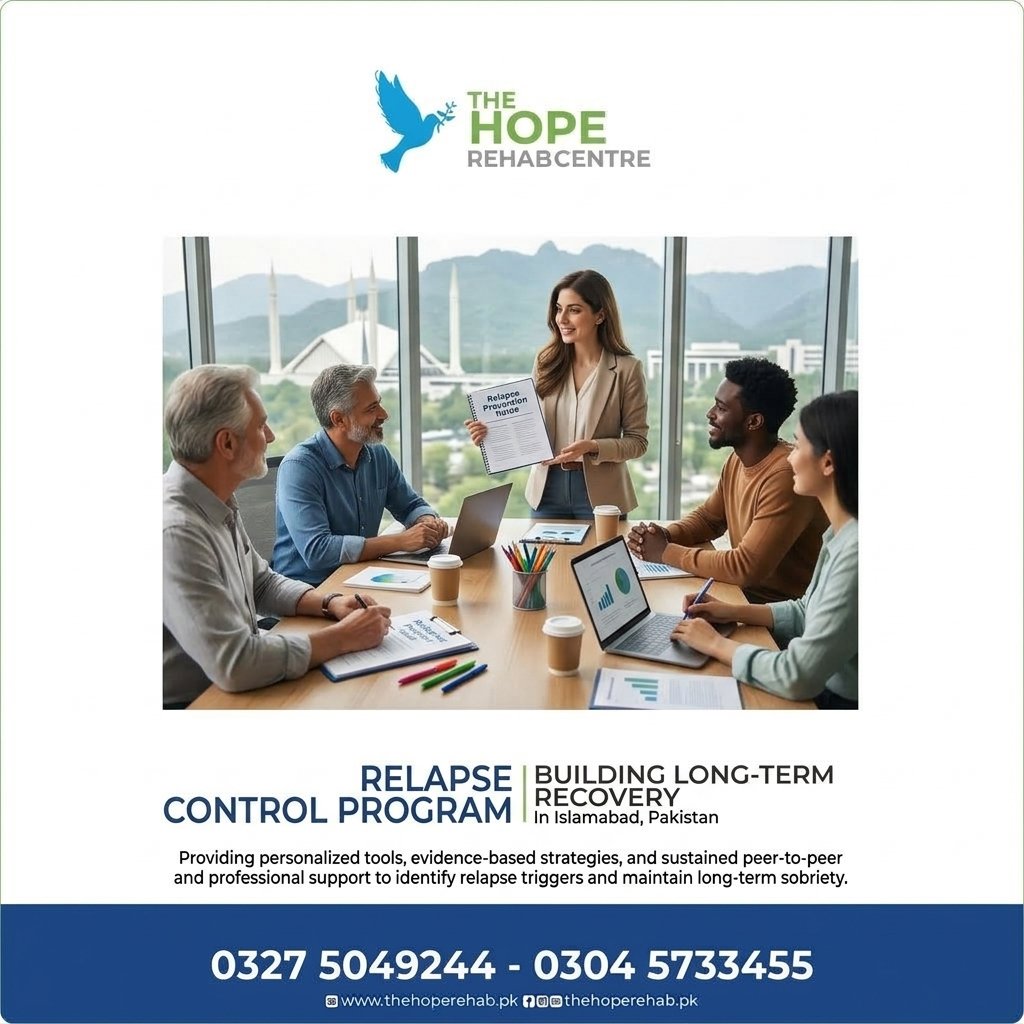
Cravings can be temporary but may feel intense. A relapse prevention plan can include practical strategies for managing them.
These may involve changing the environment, contacting a trusted support person, using healthy distractions, practicing stress-management techniques, and discussing persistent cravings with a healthcare professional.
Avoiding known high-risk situations may also be useful when possible.
Counseling and Behavioral Therapy
Counseling can help individuals understand the relationship between thoughts, emotions, situations, and substance use.
Behavioral therapy may focus on identifying triggers, challenging unhelpful thinking patterns, improving decision-making, and developing healthier coping strategies.
Individual counseling can address personal concerns, while structured group sessions may provide peer support and shared learning.
Family Support
Family members can play an important role in continuing recovery. Education can help relatives understand addiction and recognize potential warning signs without responding through unnecessary blame or confrontation.
Healthy boundaries are equally important. Family support should encourage recovery while protecting the emotional and physical well-being of everyone involved.
Mental Health and Dual Diagnosis
Mental health concerns such as depression, anxiety, trauma, or other psychiatric conditions can sometimes occur alongside substance use disorders.
If these concerns aren’t addressed, they may complicate recovery. A relapse control program should therefore consider mental health assessment and appropriate professional care when needed.
Treating co-occurring conditions can form an important part of an individualized recovery plan.
Aftercare and Continuing Support
Recovery continues beyond the initial rehabilitation period. Aftercare can provide ongoing structure as individuals return to family life, work, education, and other responsibilities.
Depending on individual needs, aftercare may include follow-up counseling, peer support, family involvement, mental health care, healthy routines, and regular recovery check-ins.
Continuing support can also make it easier to respond promptly when warning signs appear.
Choosing a Relapse Control Program in Islamabad
When considering a Relapse Control Program in Islamabad, Pakistan, individuals and families can ask:
- Is treatment individualized?
- Are qualified professionals involved?
- Is mental health assessed?
- Are family members offered appropriate education?
- Are cravings and triggers addressed?
- Is there a clear aftercare plan?
- What happens if a relapse occurs?
- How is ongoing progress monitored?
A responsible provider should explain its approach clearly and avoid guaranteeing specific recovery outcomes.
The Hope Rehabilitation Center Islamabad, Pakistan
The Hope Rehabilitation Center Islamabad, Pakistan provides a structured setting for individuals seeking support with addiction recovery and related challenges. Depending on individual circumstances, continuing care may involve counseling, behavioral support, family education, relapse-prevention planning, and follow-up services.
Recovery plans should remain flexible because people’s needs can change over time. Additional professional assessment may be appropriate when cravings increase, mental health symptoms worsen, or substance use resumes.
Frequently Asked Questions
1. What is a relapse control program?
It is a structured recovery-support approach designed to help individuals identify triggers, recognize warning signs, manage cravings, develop coping strategies, and maintain continuing support after addiction treatment.
2. Does relapse mean addiction treatment has failed?
No. Relapse can occur during recovery. It can provide information about challenges that need additional attention and may indicate that the treatment or aftercare plan should be reassessed.
3. What are common relapse triggers?
Common triggers can include stress, difficult emotions, certain social situations, exposure to substances, relationship problems, isolation, and environments associated with previous drug or alcohol use.
4. How can family members help prevent relapse?
Families can learn about addiction, encourage professional support, maintain healthy communication, recognize warning signs, and establish appropriate boundaries.
5. Is aftercare important after rehabilitation?
Aftercare can provide continuing support during the transition back to everyday life. Counseling, follow-up care, peer support, and relapse-prevention strategies may help individuals manage ongoing recovery challenges.
Conclusion
A Relapse Control Program in Islamabad, Pakistan can help individuals build practical skills for maintaining recovery after addiction treatment. Identifying triggers, recognizing early warning signs, managing cravings, addressing mental health concerns, and maintaining supportive relationships can all contribute to a comprehensive recovery plan.
At The Hope Rehabilitation Center Islamabad, Pakistan, continuing recovery support can be approached with compassion, individualized planning, and respect for each person’s circumstances. Long-term recovery is an ongoing process, and seeking additional support when challenges arise can be an important part of that journey.