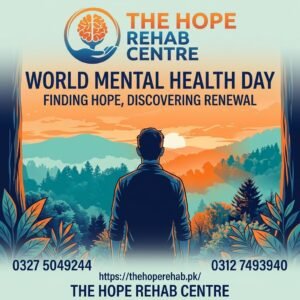
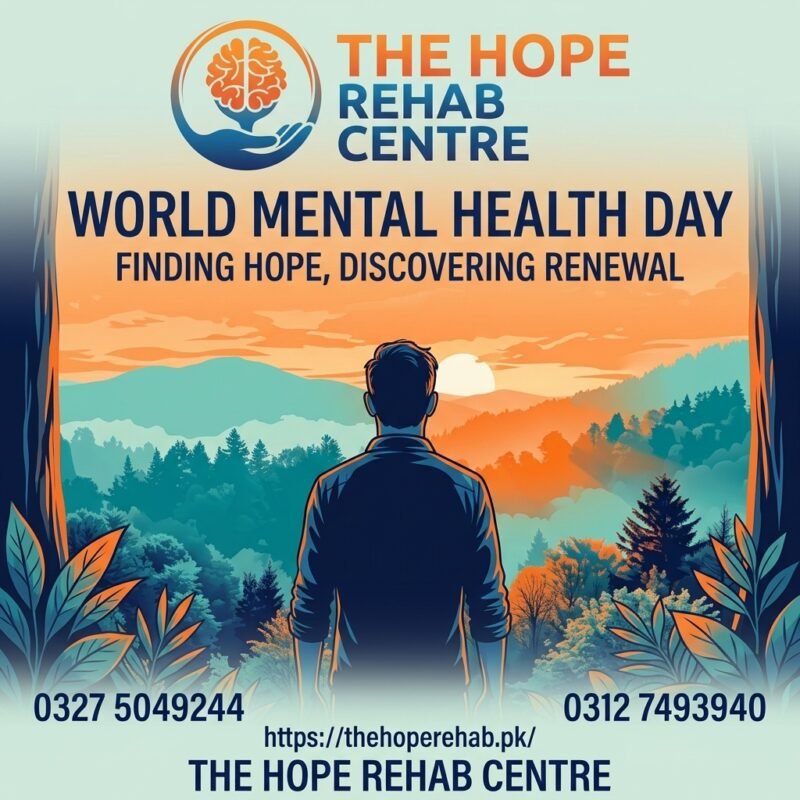
World Mental Health Day is observed every year on October 10 to raise awareness about mental health, encourage open conversations, and promote access to appropriate care. It reminds individuals, families, workplaces, and communities that mental well-being is an essential part of overall health.
Mental health affects how people think, feel, manage stress, build relationships, and respond to everyday challenges. Yet many people hesitate to seek help because of stigma, limited awareness, financial concerns, or uncertainty about where to turn. World Mental Health Day provides an opportunity to challenge these barriers and encourage understanding, compassion, and support.
For communities in Islamabad and across Pakistan, mental health awareness is particularly important in helping people recognize concerns early and understand that professional support is available.
What Is World Mental Health Day?
World Mental Health Day is an international awareness day established by the World Federation for Mental Health in 1992. It is observed annually on October 10, with activities focused on mental health education, advocacy, and improving access to care.
The day encourages people to learn about mental health conditions, recognize the importance of emotional well-being, and support individuals experiencing psychological difficulties.
It also highlights the need for mental health services that are accessible, respectful, and responsive to people’s individual circumstances.
Why Is World Mental Health Day Important?
Mental health challenges can affect people of every age, background, and income level. Stress, anxiety, depression, trauma, and other concerns may affect relationships, education, work, physical health, and daily functioning.
World Mental Health Day matters because it helps communities:
- Increase understanding of mental health conditions.
- Challenge myths and harmful stereotypes.
- Encourage early recognition of symptoms.
- Promote appropriate professional care.
- Support families and caregivers.
- Advocate for accessible mental health services.
- Remind people that asking for help is a positive step.
Greater awareness can make it easier for individuals to speak openly about their concerns without feeling judged or isolated.
Understanding Mental Health and Emotional Well-Being
Mental health includes emotional, psychological, and social well-being. It can influence how people handle stress, make decisions, maintain relationships, and adapt to change.
Good mental health does not mean feeling happy all the time or never experiencing difficulties. People can experience sadness, worry, grief, or stress while still maintaining their overall well-being.
However, when emotional difficulties persist, become overwhelming, or interfere with everyday life, additional support may be helpful.
Common Mental Health Challenges
Understanding common mental health conditions can help people recognize when they or someone they care about may need support.
Depression
Depression can involve persistent sadness, loss of interest, low energy, changes in sleep or appetite, difficulty concentrating, or feelings of worthlessness. It is more than a temporary period of feeling down and may require professional assessment and treatment.
Anxiety Disorders
Anxiety can involve excessive worry, fear, restlessness, physical tension, or panic symptoms. When anxiety becomes persistent and interferes with daily activities, professional support may help.
Stress and Burnout
Ongoing pressure related to work, studies, family responsibilities, finances, or personal circumstances can affect sleep, mood, concentration, and physical health. Learning healthy coping strategies and seeking support can help people manage stress.
Substance Use and Mental Health
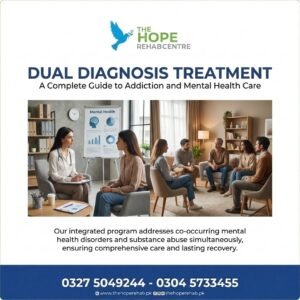
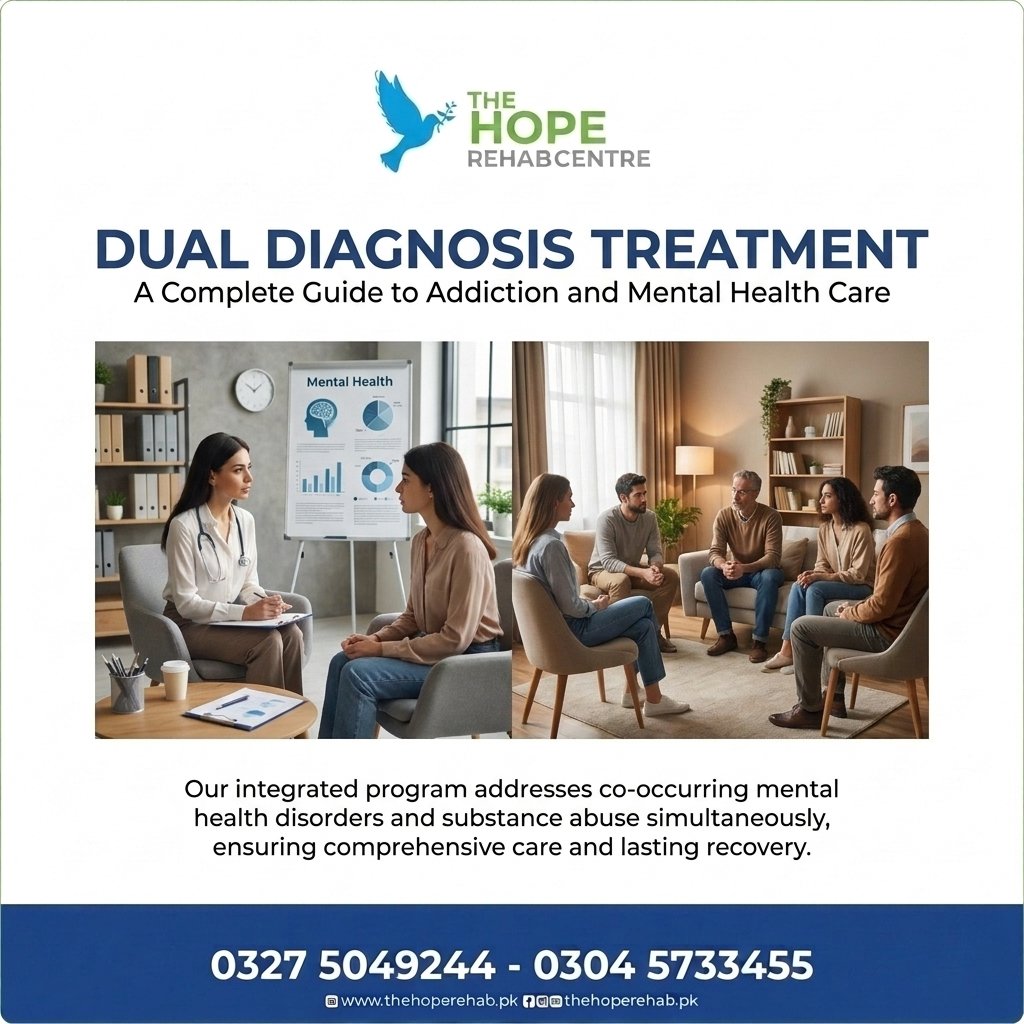
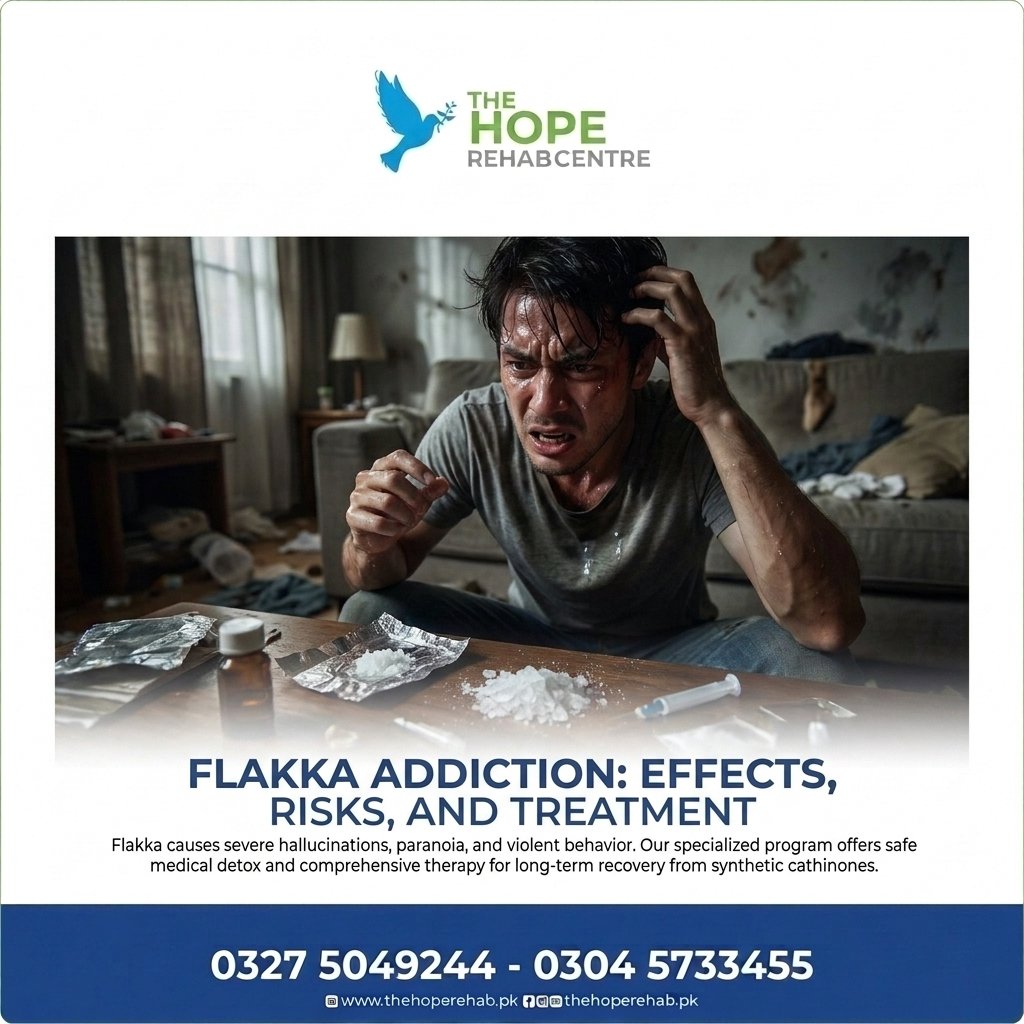
Mental health concerns and substance use disorders can occur together. Some people use alcohol or drugs in an attempt to manage difficult emotions, but substance use may worsen psychological symptoms or create additional problems.
When both conditions are present, a coordinated assessment can help identify appropriate treatment options.
Breaking the Stigma Around Mental Health
Stigma remains a major barrier to mental health care. Some people fear being judged, misunderstood, or treated differently if they discuss their emotional struggles.
Negative assumptions can discourage people from seeking help and may increase feelings of shame or isolation.
Everyone can help reduce stigma by using respectful language, listening without judgment, avoiding stereotypes, and recognizing that mental health conditions are health concerns rather than personal weaknesses.
World Mental Health Day offers a valuable opportunity to replace blame and misinformation with empathy and understanding.
Practical Ways to Support Mental Health
Supporting mental well-being involves everyday habits as well as knowing when to seek professional care.
Helpful practices may include:
- Maintaining a regular sleep routine.
- Engaging in physical activity suited to individual ability.
- Eating balanced meals and staying hydrated.
- Making time for meaningful relationships.
- Taking breaks from stressful activities.
- Practicing relaxation or mindfulness techniques.
- Setting realistic goals and boundaries.
- Seeking professional help when difficulties persist.
These habits can support well-being, but they are not substitutes for treatment when a mental health condition requires professional care.
How Families and Communities Can Help
Family members, friends, teachers, and colleagues can make a meaningful difference by creating environments where people feel safe discussing mental health.
Listening patiently, asking how someone is feeling, offering practical help, and encouraging professional support can be valuable ways to show care.
It is important not to pressure people into sharing more than they feel comfortable discussing. Support should respect their privacy, dignity, and personal choices.
Schools, workplaces, and community organizations can also contribute through mental health education, anti-stigma initiatives, and clear information about available services.
Seeking Professional Mental Health Support in Islamabad
People experiencing persistent emotional distress, significant changes in behavior, difficulties with everyday functioning, or symptoms that affect relationships may benefit from professional assessment.
Depending on individual needs, support may include counseling, psychotherapy, psychiatric assessment, medication when appropriate, or a combination of approaches.
The Hope Rehabilitation Center Islamabad, Pakistan provides a setting for individuals and families seeking support for addiction and related mental health concerns. Anyone considering care should discuss their needs with qualified professionals to understand which services are appropriate.
If someone is at immediate risk of suicide or serious harm, seek urgent emergency assistance rather than relying on routine appointments or online information.
Frequently Asked Questions
1. When is World Mental Health Day observed?
World Mental Health Day is observed every year on October 10. It promotes awareness, understanding, advocacy, and support for mental health.
2. What is the main purpose of World Mental Health Day?
Its purpose is to increase awareness of mental health, challenge stigma, encourage people to seek appropriate care, and highlight the importance of accessible mental health services.
3. How can I participate in World Mental Health Day?
You can share reliable mental health information, attend awareness activities, listen to others without judgment, support community initiatives, and learn about professional services available in your area.
4. When should someone seek professional mental health support?
Consider professional support when symptoms persist, become overwhelming, or interfere with sleep, relationships, work, education, or daily activities. Urgent symptoms or an immediate risk of harm require emergency assistance.
5. How can families support someone experiencing mental health difficulties?
Families can listen with compassion, avoid blame, respect privacy, offer practical support, and encourage professional assessment when appropriate.
Conclusion
World Mental Health Day reminds us that mental health deserves the same care, understanding, and attention as physical health. Raising awareness, challenging stigma, recognizing warning signs, and supporting access to appropriate services can help create healthier and more compassionate communities.
Whether through everyday self-care, supportive conversations, or professional treatment, every positive step matters. By promoting mental health awareness in Islamabad and throughout Pakistan, individuals and communities can help make seeking support feel safer, more accepted, and more accessible.