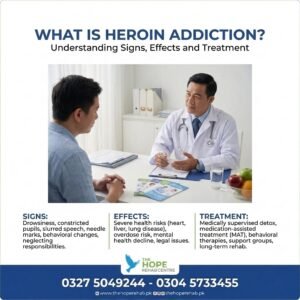
Heroin addiction is a Brain Disease that Is characterized by compulsive, or uncontrollable, drug seeking despite harmful consequences. Heroin is an opioid that creates intense feelings of pleasure and relaxation, but over time repeated use of heroin can lead to tolerance, physical dependence, cravings, and addiction.
Heroin addiction can take a toll on the brain, body, mind, social life, and day-to-day functioning. Professional evaluation and treatment are important for those using heroin since opioid overdose can be deadly.
The Hope Rehabilitation Center Islamabad, Pakistan offer structured help with substance use problems for Users and families affected.
What Is Heroin?
Heroin: Heroin is an opioid drug made from morphine. It can quickly travel to the brain and begin acting on opioid receptors that affect pain, reward, and pleasure.
Heroin is a recreational narcotic that people use for its euphoric and relaxing effects. But with repeated use, the brain and body can adapt to the drug.
This can lead to:
- Increased tolerance
- Strong cravings
- Physical dependence
- Difficulty controlling use
- Withdrawal symptoms
- Continued use despite negative consequences
Many people will develop a dependence on heroin within the first few uses because of its highly addictive nature.
What Is Heroin Addiction?
Heroin use can become difficult to control and can cause many problems in a person’s life, including consequences such addiction. Clinically it’s called an opioid use disorder (OUD),
Possible signs include:
- Consuming more or for longer than intended on heroin
- Strong cravings
- Unsuccessful attempts to stop
- Being away a lot of the time getting or using opioids
- Missing work, school or home Because of gambling
- Continuing to use even when it causes health and relationship issues
- Developing tolerance
- Going through heroin withdrawal once the drug is no longer used
An assessment by a healthcare provider can determine if there is an opioid use disorder.
Common Signs of Heroin Use
Different people experience different signs of heroin addiction, and signs depend on the method being used in these ways.
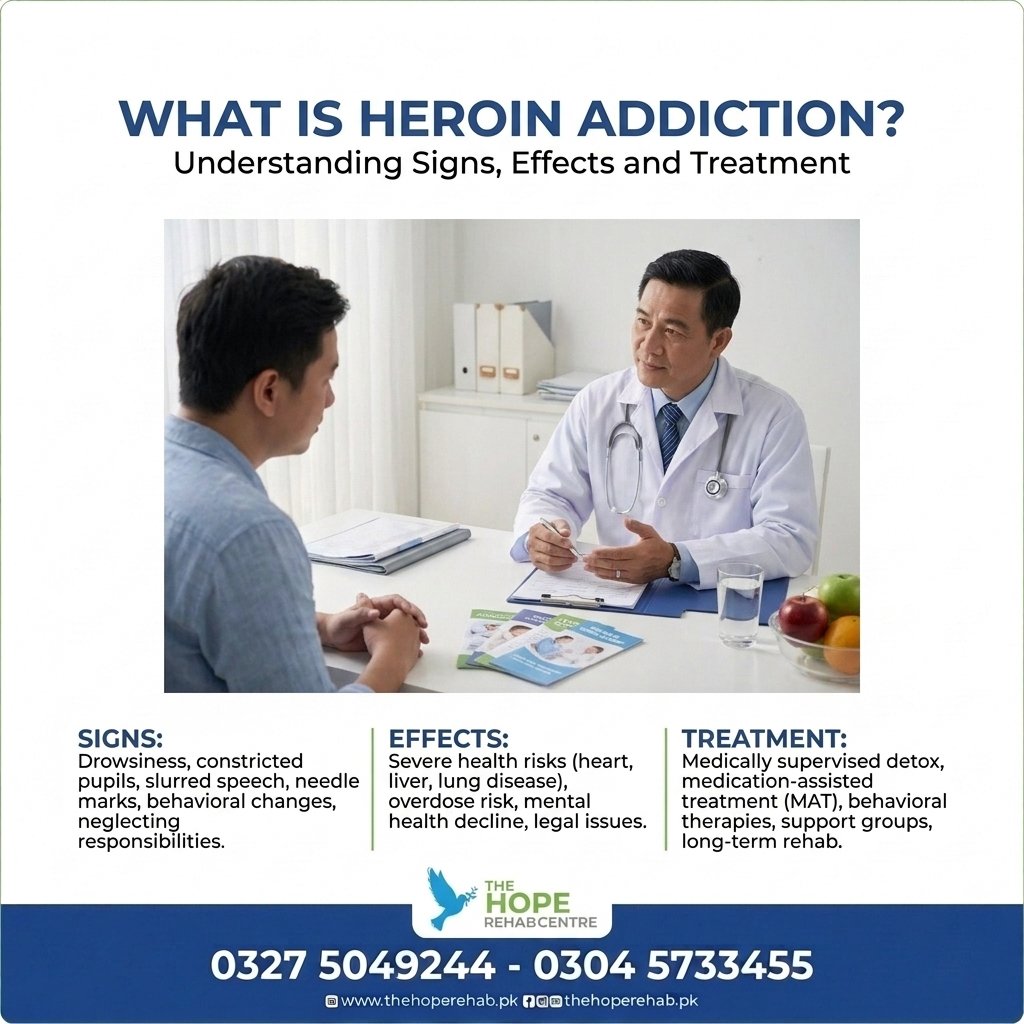
Possible signs include:
- Extreme drowsiness
- Slow or unclear speech
- Constricted pupils
- Reduced alertness
- Sudden changes in behavior
- Withdrawal from family and friends
- Changes in sleeping patterns
- Neglect of personal responsibilities
- Frequent requests for money
- Increased secrecy
- In some cases, the injection marks can be seen
Not all heroin addicts will show these signs, so they shouldn’t be relied on solely to diagnose the addiction.
Effects of Heroin Addiction
Effects of long-term heroin use on health
Potential consequences include:
- Increased risk of overdose
- Respiratory problems
- Constipation and gastrointestinal problems
- Physical dependence
- Malnutrition
- Infections
- Vein damage from injection
- Higher risk of blood born infection when using shared injecting equipment
- Having depression and other mental health issues
- Relationship and financial problems
The dangers are greater still when heroin is taken with alcohol, benzodiazepines or other drugs that also slow down breathing.
Heroin Overdose
One of the effects it has on the body is suppression of breathing that is controlled by the brain. Therefore, an overdose can in that sense be fatal.
Possible overdose signs include:
- Very slow or stopped breathing
- Inability to wake the person
- Extreme drowsiness
- Very small pupils
- Limp body
- Pale, clammy, or bluish skin
Suspected opioid overdose — considered medical emergency Immediately call emergency medical services. When given appropriately, this opioid overdose reversal medication can quickly reverse the effects of an opioid and potentially save a person’s life.
Heroin Withdrawal
Individuals who are physically dependent on heroin may experience withdrawal symptoms when they cease using the drug.
Common symptoms include:
- Anxiety
- Restlessness
- Muscle and bone aches
- Sweating
- Runny nose
- Watery eyes
- Insomnia
- Abdominal cramps
- Nausea
- Vomiting
- Diarrhea
- Strong cravings
Opioid withdrawal itself is rarely life-threatening, but it can be ghastly and is intricately tied to the chance of resuming opioid use again.
Opioid tolerance reduces after a period of abstinence. This means that going back to a previously taken dose can lead you to overdose.
Professional Heroin Addiction Treatment
Heroin addiction treatment should be tailored to the needs of each patient. To include medical care, medication, counseling, behavioral therapy, family support and continuing recovery services depending on their unique situation.
Medical Assessment
A professional assessment can examine:
- Heroin-use pattern
- Other substance use
- Physical health
- Mental health
- Previous withdrawal experiences
- Previous treatment
- Current medications
- Overdose risk
Withdrawal Management
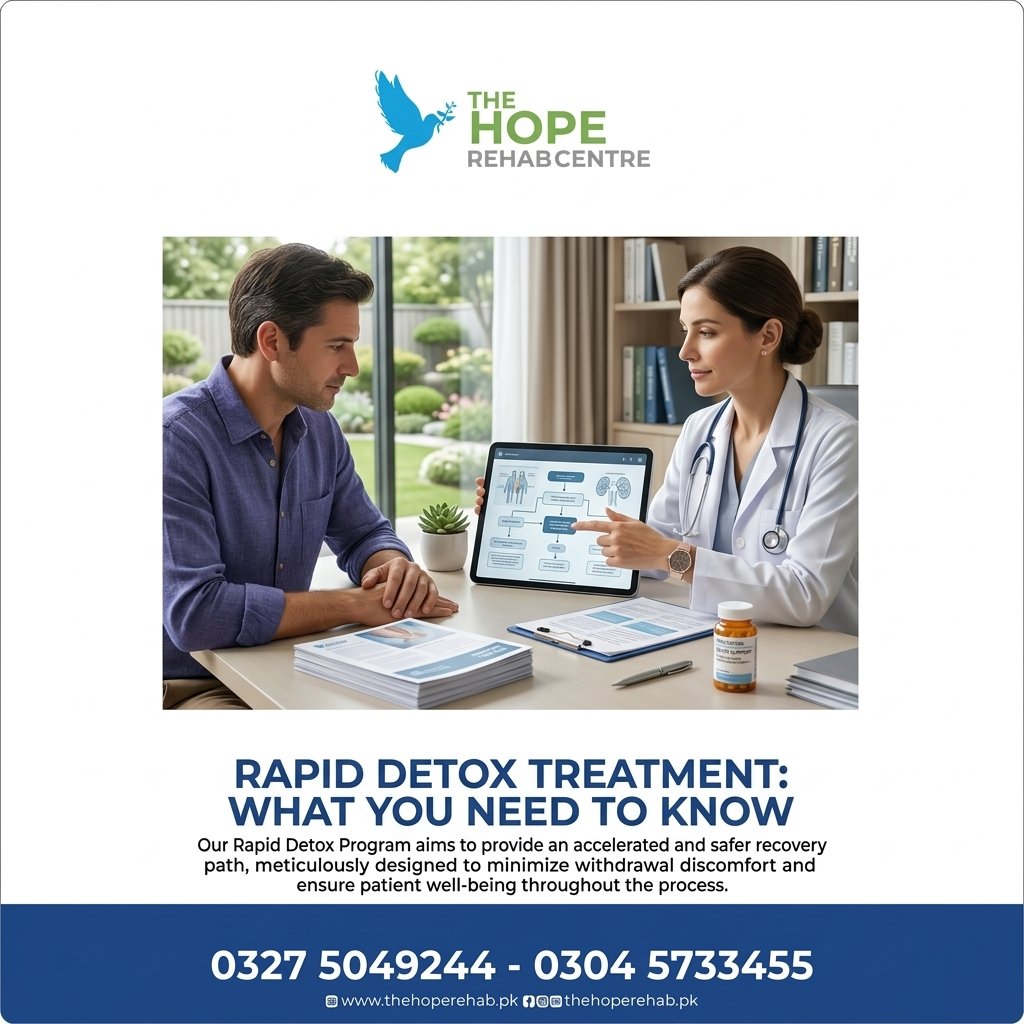
Healthcare providers can give adequate treatment for opioid withdrawal. If the clinical situation allows, medication-based treatment is an option.
Medication Treatment
Medications for opioid use disorder that are evidence based include methadone and buprenorphine. Similarly, Naltrexone is sometimes used in those who have already been treated for opioid withdrawal and meet the relative clinical criteria.
Medications prescribe and monitored by the specialist health professional.
Counseling and Behavioral Therapy
Therapy provides the tools to help people learn triggers, cope with cravings, deal with emotional challenges and have a relapse-prevention plan.
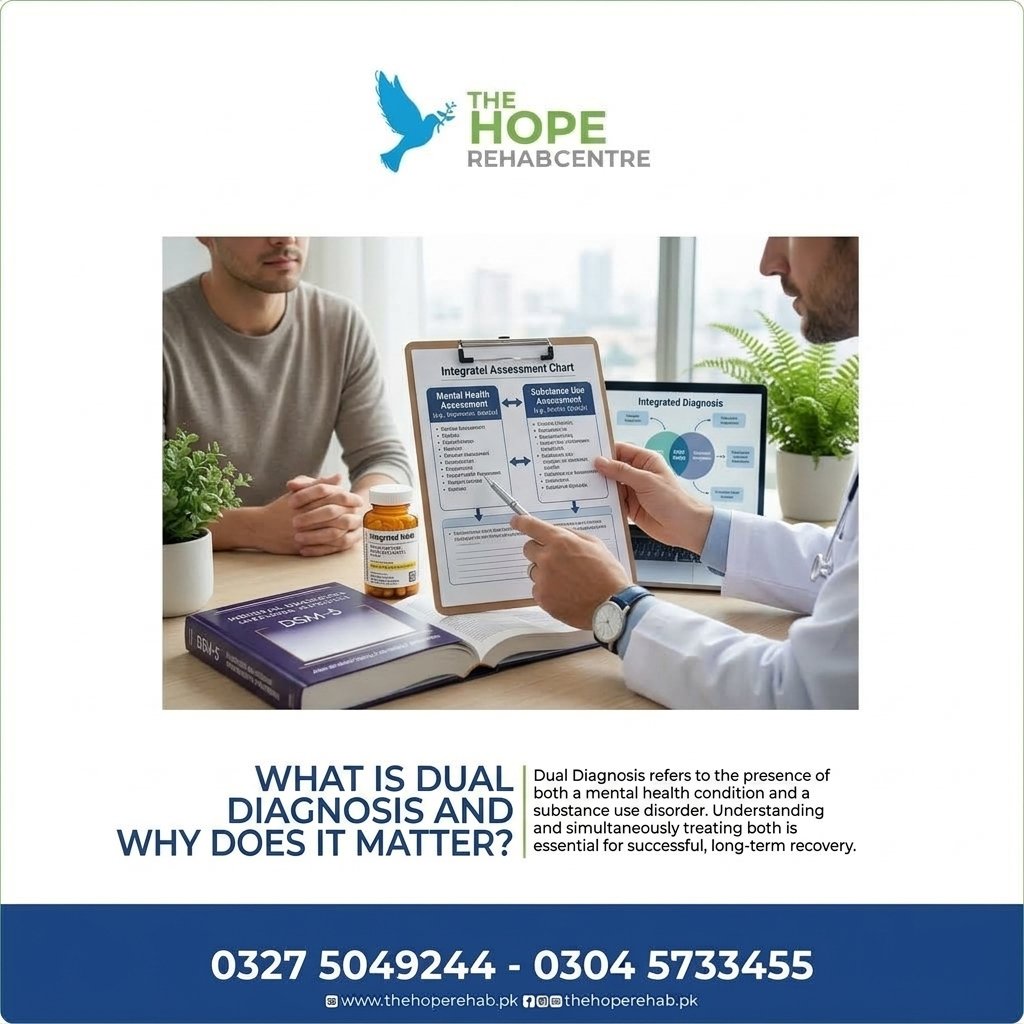
Dual Diagnosis and Heroin Addiction
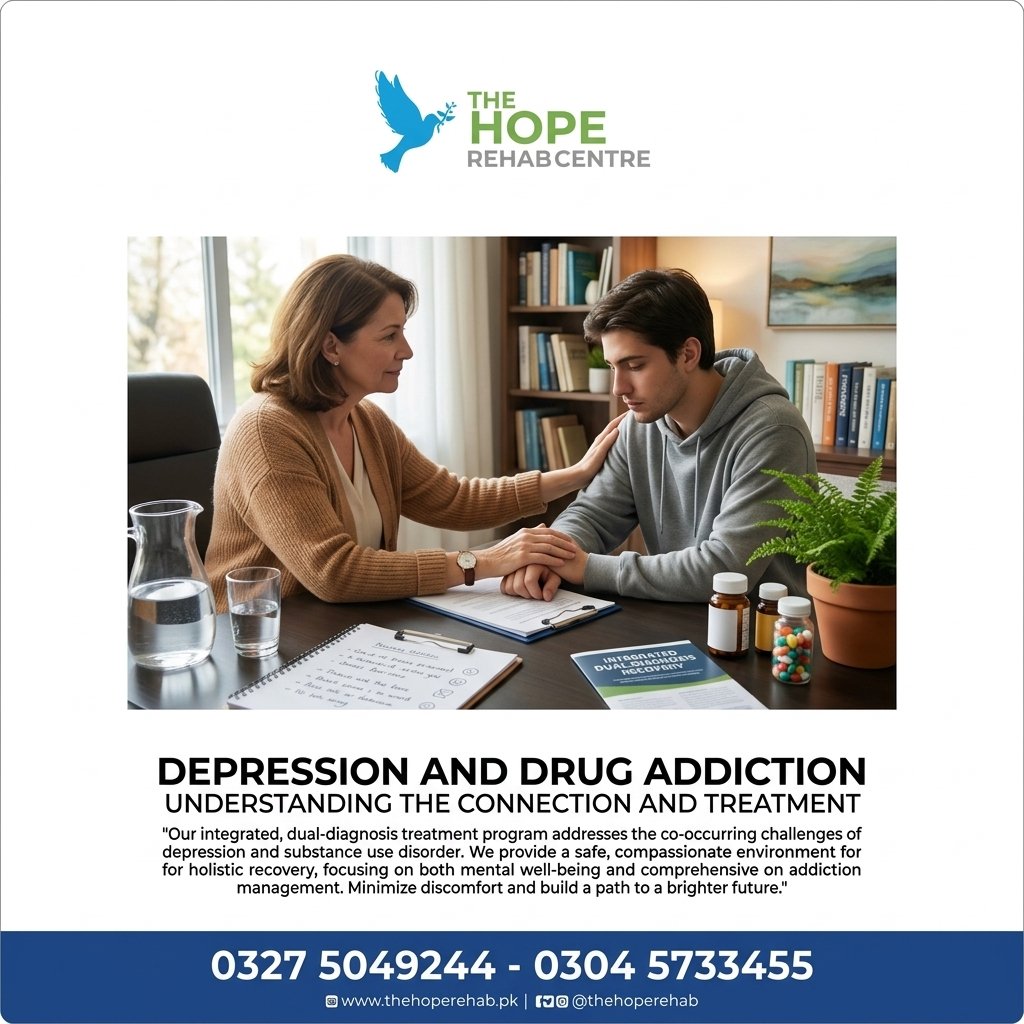
They may also suffer from depression, anxiety, trauma-related conditions or other mental health problems along with their heroin abuse.
A substance use disorder with a co-occurring mental health condition is referred to as a dual diagnosis.
Integrated treatment can treat both disorders at the same time, including psychiatric evaluation, counseling, behavioral therapy, medication if needed and ongoing support.
Family Support
Heroin addiction is not just an individual plight- its devastation will ripple out to the whole family. There will be fear, there will be stress about having to help them and things such as finance or even panic on which way I should go.
Family counseling and education can assist loved ones:
- Understand opioid addiction
- Recognize overdose warning signs
- Encourage professional treatment
- Establish healthy boundaries
- Avoid enabling harmful behavior
- Support recovery routines
Families too must seek professional help for their own well-being when required.
Relapse Prevention and Recovery
Heroin addiction is a condition that can be treated, but often requires prolonged care.
A relapse-prevention plan can include:
- Continuing appropriate treatment
- Managing cravings
- Identifying personal triggers
- Avoiding high-risk situations
- Building supportive relationships
- Addressing mental health concerns
- Maintaining healthy routines
- Attending follow-up appointments
- For situations where it is indicated, training in the use of takeaway naloxone or having an emergency overdose-response plan
A return should trigger a re-evaluation and supplement of active supports—not be automatically viewed as a failure.
How to Decide on a Heroin Dependence Treatment Centre
So, you need to consider when selecting treatment and try to assess whether they will be able to offer appropriate care for opioid addiction.
Important questions include:
- Do you offer a full and thorough medical exam?
- Are qualified addiction professionals involved?
- Is withdrawal risk evaluated?
- Is there access to appropriate evidence-based medications?
- Is counseling provided?
- Are mental health conditions assessed?
- Is family support available?
- Is relapse prevention included?
- Is continuing care available?
- Can the facility respond to an overdose or some other emergency?
Steer clear of promises that one will definitely, or at least immediately, get better. Treatment should be individualized and based on the medical needs.
The Hope Rehabilitation Center Islamabad, Pakistan Heroin Addiction Treatment
Individuals and families facing addiction and co-occurring mental health challenges can find structured support at The Hope Rehabilitation Center Islamabad, Pakistan.
There are different components to a treatment plan, reported by your needs for addiction assessment, outpatient or inpatient withdrawal management, counseling and psychological support, family education and therapy, relapse prevention and continuing care after programs.
Individuals facing heroin addiction are also candidates for professional assessment to find the safest and most suitable level of care.
Frequently Asked Questions
1. What is heroin addiction?
Heroin addiction is a substance use disorder characterized by compulsive heroin use, or extensive craving for the drug, and inability to control its used (addiction docs). That is most often labeled an opioid use disorder.
2. How do you know if someone has a heroin addiction?
Indicators might include urges, growing tolerance, failed attempts to quit using heavier doses, withdrawal indications and the neglect of obligations or continued employment notwithstanding difficulties and adverse consequences attributable to heroin use — all matters which indicate a compulsive pattern of behavior around obtaining or utilizing heroin.
3. Can heroin addiction be treated?
Yes. It may consist of medicine for opioid use disorder, withdrawal management, therapy or counseling, behavioral changes drug testing and/or mental health care along with household support and continuous healing solutions.
4. Is heroin withdrawal dangerous?
Opioid withdrawal is not life threatening for most people, but it can be severe cumulatively causing dehydration and possible return to opioid use. Withdrawal can also be safer and more tolerable with professional support.
5. What to do if you suspect a heroin overdose?
Suspected opioid overdoses are medical emergencies. Call emergency services; administer naloxone if trained/instructed to do so. Be with the people and don’t let them alone.
Conclusion
What Is Heroin Addiction? Heroin addiction is a devastating but treatable substance use disorder, affecting nearly every aspect of a person’s life. Heroin use becomes problematic when a person develops a tolerance, dependent on it in order to avoid withdrawal symptoms and intense cravings as well health problems such as heart infections or deterioration of the nasal membrane with overdose often being fatal.
Depending on the situation, this can include withdrawal management, the use of evidence-based medication, counseling—both individual and group—behavioral therapy, mental health care professionals working in conjunction with addiction treatment programs, family support for people in recovery and relapse prevention. The sooner you have a professional involvement, the lesser the risks and the better it is for long-term recovery.
If you are or a loved one is addicted to heroin, do not attempt to manage acute addiction on your own but rather turn toward professional substance abuse treatment. The Hope Rehabilitation Center Islamabad, Pakistan are a drug rehab, health clinic and treatment center for families.