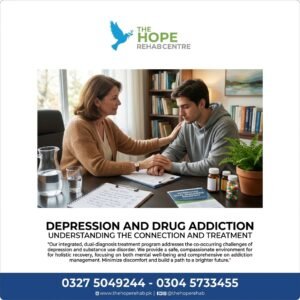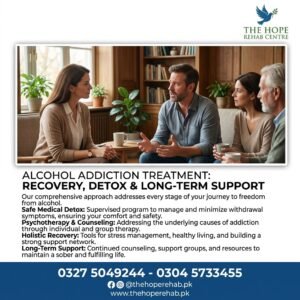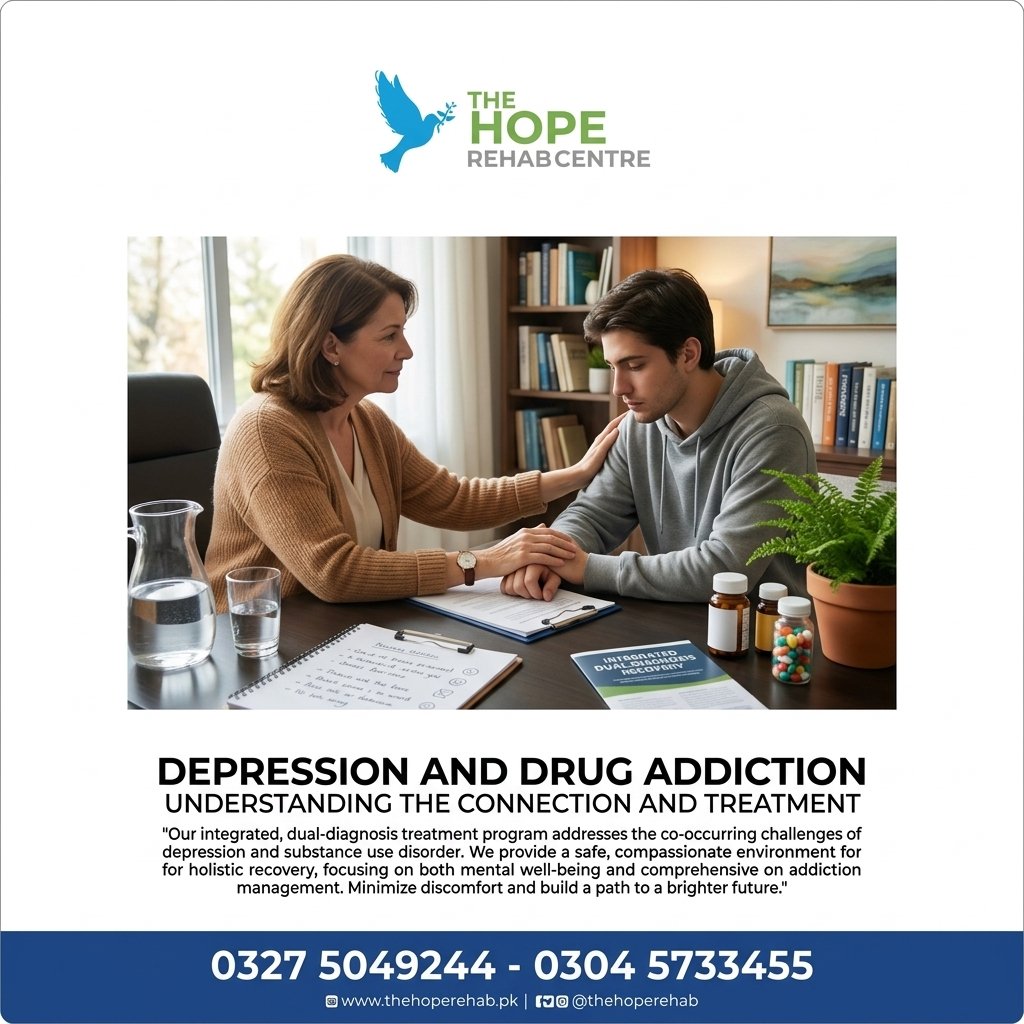
Dual diagnosis refers to the presence of both a substance use disorder and a mental health condition in the same person. These conditions can influence each other and may make recovery more complicated when only one problem is addressed.
For example, someone experiencing depression may use alcohol or drugs to cope with difficult emotions. Over time, substance use may worsen mood, sleep, relationships, and daily functioning. Similarly, ongoing substance use can contribute to anxiety, paranoia, or other psychological symptoms.
Understanding dual diagnosis matters because effective recovery often requires attention to both substance use and mental health. At The Hope Rehabilitation Center Islamabad, Pakistan, individuals and families seeking addiction support can benefit from understanding why an integrated approach may be important.
What Is a Dual Diagnosis?
A dual diagnosis, also called a co-occurring disorder, occurs when a person has a substance use disorder alongside a mental health condition.
Common mental health conditions that may occur alongside addiction include:
- Depression
- Anxiety disorders
- Bipolar disorder
- Post-traumatic stress disorder
- Psychotic disorders
- Trauma-related conditions
Substance use may involve alcohol, opioids, stimulants, cannabis, sedatives, or other drugs.
The relationship isn’t always straightforward. Mental health symptoms may begin before substance use, develop afterward, or become difficult to distinguish from the effects of intoxication and withdrawal.
Why Does Dual Diagnosis Matter?
Treating addiction without considering significant mental health symptoms can leave important recovery barriers unaddressed.
Someone may stop using a substance but continue struggling with severe anxiety, depression, trauma, or other psychological concerns. These symptoms can affect motivation, relationships, coping skills, and the ability to maintain recovery.
Likewise, treating a mental health condition without addressing ongoing problematic substance use may make improvement more difficult.
An integrated assessment helps professionals understand the person’s complete situation rather than viewing addiction and mental health as completely separate problems.
Common Signs That Someone May Need an Assessment
There is no single symptom that proves a person has a dual diagnosis. However, certain patterns may indicate that professional assessment could be helpful.
These can include:
- Persistent sadness or hopelessness
- Severe or ongoing anxiety
- Major changes in sleep or appetite
- Mood swings
- Social withdrawal
- Difficulty functioning at work or home
- Repeated substance use despite harmful consequences
- Paranoia or unusual beliefs
- Using substances to cope with emotional distress
- Repeated attempts to stop using substances without success
A qualified professional should determine whether symptoms are related to a mental health condition, substance use, withdrawal, medication effects, or another medical issue.
How Addiction and Mental Health Can Affect Each Other
Substance use and mental health conditions can create a cycle that becomes difficult to break.
A person may initially use a substance to temporarily reduce anxiety, sadness, stress, or emotional pain. As use becomes more frequent, dependence or addiction may develop. The resulting health, financial, family, or legal problems can then increase psychological distress.
Withdrawal can also temporarily worsen mood, anxiety, sleep, or other symptoms.
This doesn’t mean that everyone with a mental health condition will develop an addiction. It means that when both conditions are present, each should be considered during treatment planning.
Assessment for Dual Diagnosis
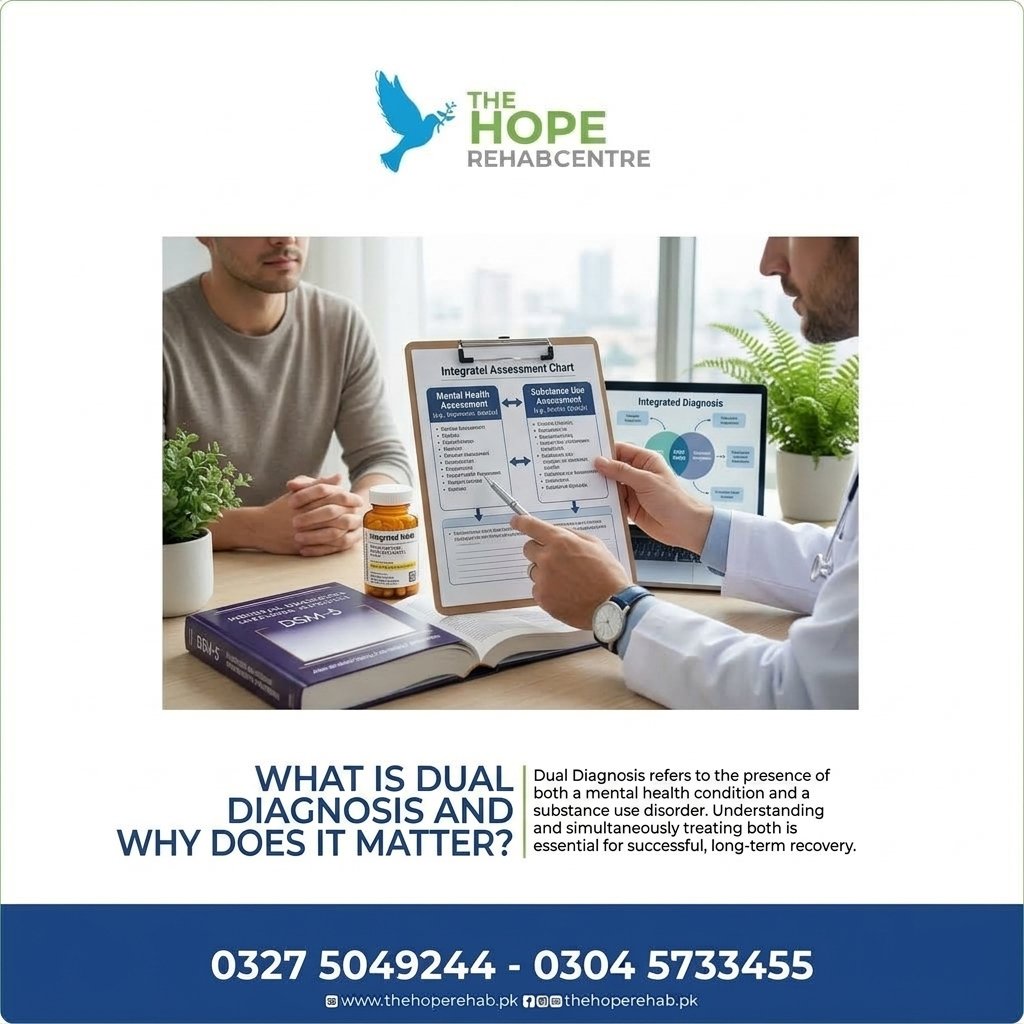
Assessment is an important first step. Healthcare professionals may ask about substance use, mental health symptoms, medical history, medications, family history, previous treatment, and current circumstances.
They may also consider whether psychological symptoms occur only during intoxication or withdrawal or continue when the person is not using substances.
Accurate assessment can take time. A person’s symptoms may change during early recovery, so ongoing evaluation can sometimes be necessary.
Integrated Treatment for Co-Occurring Conditions
Integrated treatment aims to address substance use and mental health concerns as part of a coordinated recovery plan.
Depending on individual needs, treatment may include:
Counseling and Behavioral Therapy
Therapy can help individuals understand triggers, manage difficult emotions, develop coping skills, and change behaviors associated with substance use.
Psychiatric Support
Some people may benefit from psychiatric assessment and medication management. Medication decisions should be individualized and monitored by qualified healthcare professionals.
Addiction Treatment
Treatment may include detoxification when appropriate, residential rehabilitation, outpatient care, counseling, behavioral interventions, and relapse-prevention planning.
Family Support
Family members can play an important role in recovery. Education and counseling can help families understand co-occurring conditions, communicate more effectively, and establish appropriate boundaries.
Why Individualized Treatment Matters
There is no single treatment plan that works for everyone with dual diagnosis.
A person with opioid use disorder and depression may have different needs from someone experiencing stimulant use disorder and anxiety. Medical conditions, medications, previous treatment, family circumstances, and personal preferences can also influence care.
Treatment should therefore be based on an appropriate assessment rather than a standard formula.
Dual Diagnosis and Relapse Prevention
Mental health symptoms can sometimes become triggers for substance use. Stress, loneliness, trauma reminders, anxiety, or depression may increase vulnerability to cravings.
Relapse-prevention planning can help individuals identify these warning signs and develop healthier responses.
Continuing counseling, mental health care, family support, recovery groups, and follow-up appointments may all have a role in maintaining recovery.
Relapse does not mean that treatment has failed. It can indicate that the person’s needs should be reassessed and that additional or different support may be appropriate.
Dual Diagnosis Support at The Hope Rehabilitation Center Islamabad, Pakistan
The Hope Rehabilitation Center Islamabad, Pakistan provides a setting for individuals and families seeking support for addiction and related mental health concerns.
Anyone experiencing both substance use and psychological symptoms should receive an appropriate professional assessment. A treatment plan can then be developed around the individual’s health, substance use history, mental health needs, and recovery goals.
If someone is experiencing thoughts of suicide, severe confusion, dangerous behavior, severe psychosis, or an immediate risk of harming themselves or another person, urgent emergency professional help is needed.
Frequently Asked Questions
1. What is an example of dual diagnosis?
An example is a person who has an alcohol use disorder alongside major depression. Other combinations can include opioid use disorder with anxiety or stimulant use disorder with a psychotic disorder.
2. Can substance use cause mental health symptoms?
Yes. Some substances can produce or worsen anxiety, depression, paranoia, hallucinations, sleep problems, or other psychological symptoms. Withdrawal can also cause significant changes in mood and behavior.
3. Can someone recover from a dual diagnosis?
Many people can make meaningful progress with appropriate treatment and continuing support. Recovery is individual, and treatment needs may change over time.
4. Does dual diagnosis require psychiatric treatment?
Not necessarily in every case. Treatment depends on the individual’s symptoms and assessment. Some people may benefit from psychiatric care, while others may require counseling, addiction treatment, or a combination of services.
5. Why is integrated treatment important for dual diagnosis?
Integrated treatment considers both substance use and mental health rather than treating them as completely unrelated problems. This can help address factors that may otherwise interfere with recovery.
Conclusion
Dual diagnosis matters because addiction and mental health conditions can interact in complex ways. Treating only substance use or only psychological symptoms may leave important recovery needs unaddressed.
A thorough assessment, individualized treatment plan, behavioral therapy, appropriate mental health care, family support, and ongoing relapse-prevention strategies can all contribute to a comprehensive recovery approach.
For individuals and families considering care at The Hope Rehabilitation Center Islamabad, Pakistan, understanding dual diagnosis is an important step toward recognizing the full range of support that may be needed during recovery.