Cannabis, commonly known as marijuana, is used for recreational and medicinal purposes in different parts of the world. Although some people use cannabis without developing major problems, others can develop cannabis use disorder, a condition in which continued use becomes difficult to control despite negative effects on health, relationships, education, work, or daily life.
Cannabis/Marijuana Addiction deserves a thoughtful and non-judgmental approach. Treatment isn’t simply about telling someone to stop using cannabis. It involves understanding the reasons behind use, identifying triggers, addressing mental health concerns, and developing healthier coping strategies.
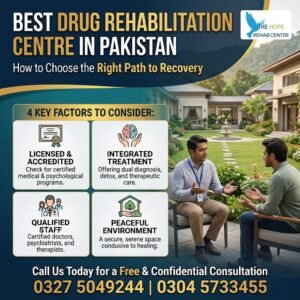
At The Hope Rehabilitation Center Islamabad, Pakistan, individuals and families can seek professional guidance for substance-use concerns through an individualized approach focused on safety, dignity, and long-term recovery.
What Is Cannabis/Marijuana Addiction?
Cannabis addiction refers to a pattern of problematic cannabis use that interferes with a person’s everyday life. A person may want to reduce or stop using cannabis but find it difficult to do so.
Possible warning signs include:
- Using cannabis more often or in larger amounts than intended
- Repeated unsuccessful attempts to quit
- Spending significant time obtaining or using cannabis
- Strong cravings
- Neglecting work, education, or responsibilities
- Continuing to use despite relationship or health problems
- Giving up important activities because of cannabis use
- Experiencing withdrawal symptoms after stopping
Not everyone who uses cannabis develops an addiction. A professional assessment can help determine whether problematic use or cannabis use disorder is present.
How Cannabis Use Can Affect Mental Health
Cannabis affects the brain and can influence memory, attention, coordination, mood, and perception. Its effects vary according to factors such as potency, frequency of use, individual health, and other substances being used.
Some people may experience increased anxiety, paranoia, confusion, or changes in mood. Heavy or frequent cannabis use can also be associated with mental health difficulties in some individuals.
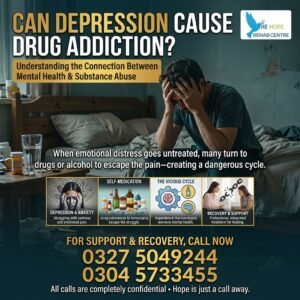
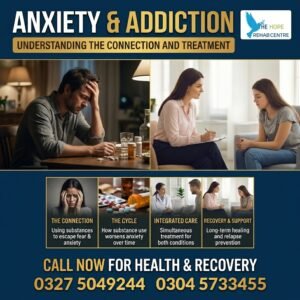
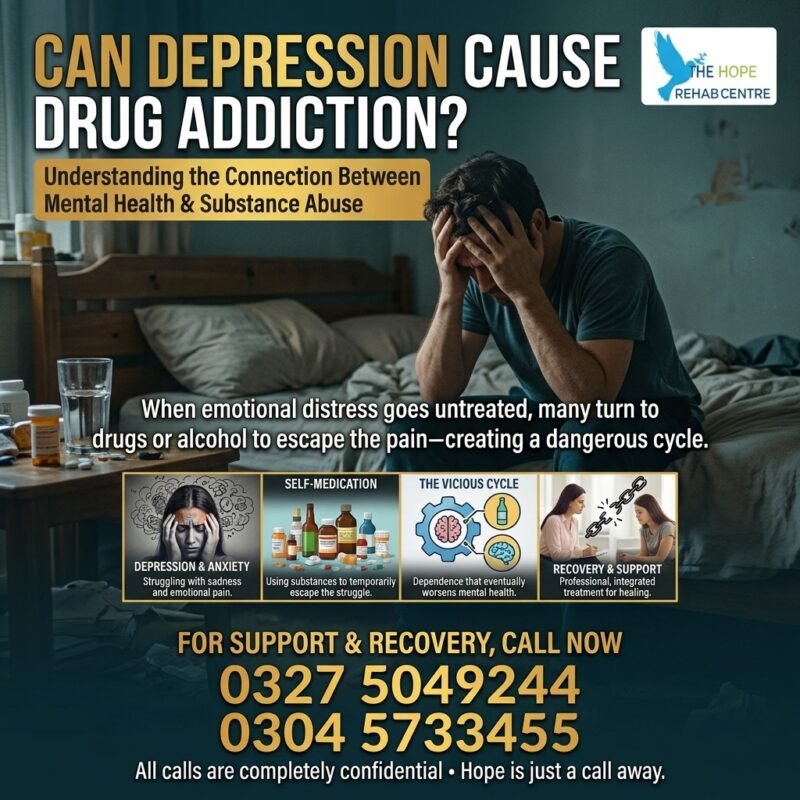
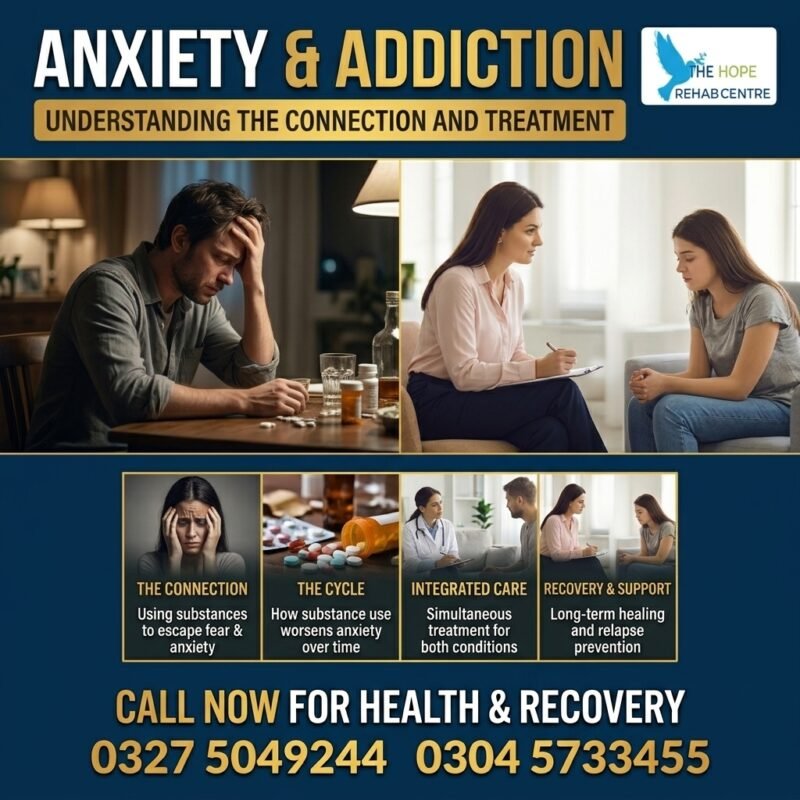
When someone has both cannabis problems and a mental health condition, such as depression or anxiety, treatment may need to address both concerns rather than focusing on cannabis use alone.
Cannabis/Marijuana Addiction Treatment Approach
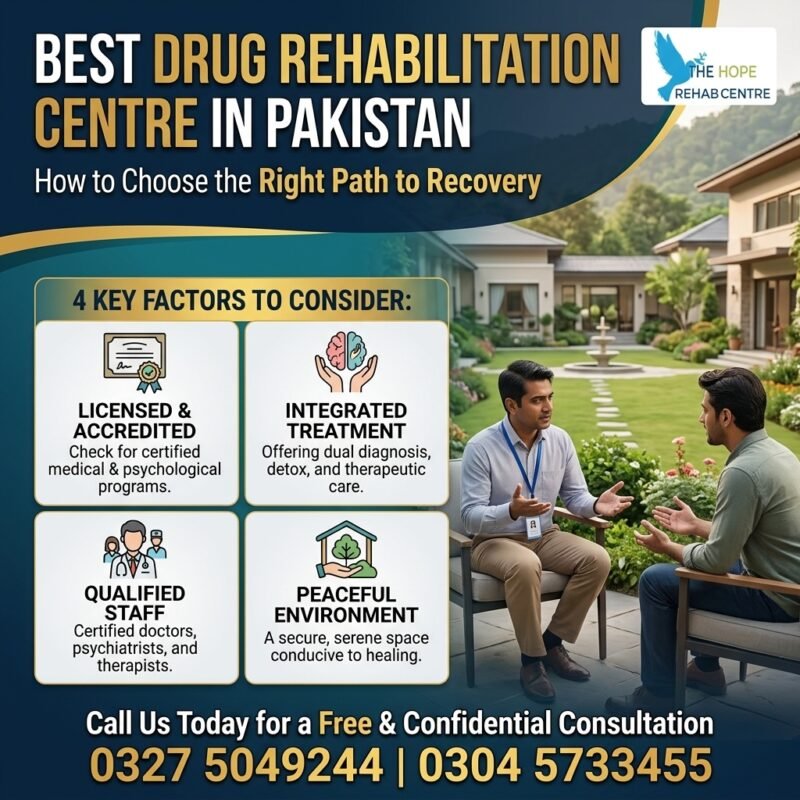
There isn’t one treatment plan that works for every person. Effective care generally begins with an assessment of substance use, physical health, mental health, family circumstances, and personal goals.
Treatment may involve:
- Individual counseling
- Behavioral therapy
- Motivational approaches
- Group support
- Family counseling
- Mental health assessment
- Relapse-prevention planning
- Continuing aftercare
At The Hope Rehabilitation Center Islamabad, Pakistan, treatment planning should be based on the individual’s needs rather than a fixed program applied to everyone.
Behavioral Therapy and Counseling
Behavioral therapy can help people understand the connection between their thoughts, emotions, situations, and cannabis use.
For example, someone may regularly use cannabis to cope with stress, loneliness, sleep difficulties, or emotional discomfort. Counseling can help identify these patterns and develop healthier alternatives.
Therapy may focus on:
- Managing cravings
- Identifying triggers
- Improving emotional regulation
- Developing coping skills
- Building healthier routines
- Strengthening motivation to change
These skills can remain useful long after formal treatment ends.
Cannabis Withdrawal and Recovery
Some regular or heavy cannabis users experience withdrawal when they significantly reduce or stop use. Symptoms can include irritability, anxiety, sleep difficulties, reduced appetite, restlessness, and strong cravings.
Withdrawal varies from person to person. Professional guidance can help individuals understand what they are experiencing and determine whether additional medical or psychological support is appropriate.
People should seek urgent medical or psychiatric assistance when there are severe symptoms, significant confusion, psychosis, or immediate concerns about safety.
The Importance of Family Support
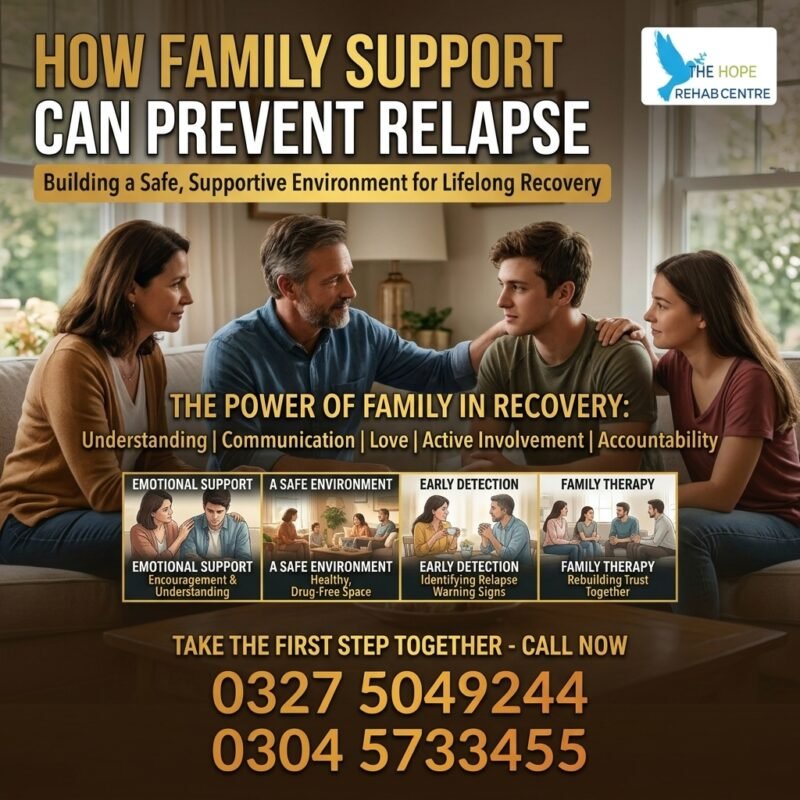
Cannabis addiction can affect the entire family. Relatives may feel frustrated, worried, or unsure about how to help.
Family support can involve:
- Learning about cannabis use disorder
- Improving communication
- Establishing healthy boundaries
- Avoiding enabling behaviors
- Encouraging professional treatment
- Supporting healthy daily routines
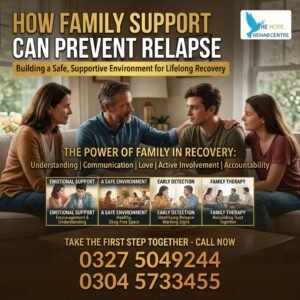
Family members also need to protect their own emotional well-being. Supporting someone through recovery can be challenging, and professional family counseling may be helpful.
Relapse Prevention
Recovery doesn’t end when cannabis use stops. Individuals may encounter stressful situations or environments that trigger cravings later.
A relapse-prevention plan can include:
- Identifying personal triggers.
- Recognizing early warning signs.
- Developing alternative coping strategies.
- Maintaining supportive relationships.
- Continuing appropriate counseling.
- Creating healthy routines.
- Seeking professional help when difficulties return.
A setback doesn’t erase previous progress. Instead, it can provide information about which parts of the recovery plan may need adjustment.
When Should Someone Seek Professional Help?
Professional support may be appropriate when cannabis use begins affecting important areas of life or when attempts to stop repeatedly fail.
Consider seeking an assessment if cannabis use is associated with:
- Declining work or academic performance
- Family conflict
- Financial difficulties
- Loss of interest in normal activities
- Persistent cravings
- Mental health symptoms
- Inability to control use
- Repeated unsuccessful attempts to quit
Early assessment can help identify the appropriate level of support without relying on assumptions or stigma.
Frequently Asked Questions
1. Is cannabis addictive?
Yes. Some people who use cannabis develop cannabis use disorder, particularly with frequent or heavy use. Risk varies between individuals.
2. What are common signs of cannabis addiction?
Difficulty controlling use, strong cravings, repeated failed attempts to quit, neglect of responsibilities, and continued use despite negative consequences can be warning signs.
3. Can cannabis addiction be treated without residential rehabilitation?
Depending on the severity of the problem and the individual’s circumstances, outpatient counseling and behavioral treatment may be appropriate. A professional assessment should determine the safest level of care.
4. Can cannabis affect mental health?
Cannabis can affect mood, perception, memory, and cognition. Some people may experience anxiety, paranoia, or other psychological effects, particularly with high-potency or frequent use.
5. How can families support someone with cannabis addiction?
Families can provide encouragement without judgment, establish healthy boundaries, learn about addiction, and encourage professional assessment and appropriate treatment.
Conclusion
Cannabis/Marijuana Addiction is a treatable health concern that deserves understanding rather than stigma. Recognizing problematic use early can make it easier to identify appropriate support and address the factors contributing to continued cannabis use.
A comprehensive recovery approach may combine counseling, behavioral therapy, family involvement, mental health support, and relapse-prevention planning. At The Hope Rehabilitation Center Islamabad, Pakistan, individualized care can help people and families better understand their options and take informed steps toward recovery.