 Polysubstance use disorder represents one of the most complex problems in addiction treatment. Those who have a hard time remaining sober from the use of drugs and alcohol along with all other substances are exposed to combined withdrawal syndrome, greater mental health hazards, and increased challenges in maintaining long-term recovery. For us at The Hope Rehab Center, this commitment to integrated treatment means that clients benefit from a range of evidence-based solutions for addiction with the most advanced such as CBD hostile detox. This article reviews the role of CBD in detox and recovery of patients with polysubstance use disorder, in which the care provided is always ethical, professional and centered in opponents.
Understanding Polysubstance Use Disorders
Other co-occurring use disorders (ie, AOD groups 2–6): The joint or sequential misuse of more than one substance: alcohol, opioids, benzodiazepines, stimulants or cannabis. This type of addiction makes detox and recovery a lot more complex because separate substances will have different withdrawal symptoms and physical effects.
Particular difficulties experienced by persons with polysubstance use disorders include the following:
- Increased severity of withdrawal symptoms
- More Prone to Relapse if Overlapped by Cravings
- Complex medication management during detox
- Those are more susceptible to mental illnesses such as anxiety, depression or psychosis.
Hope Rehab Center, the top International rehab center in Karachi, meets these challenges with a multidisciplinary treatment program built around safety, comfort and lasting recovery.
What is CBD Hostile Detox?
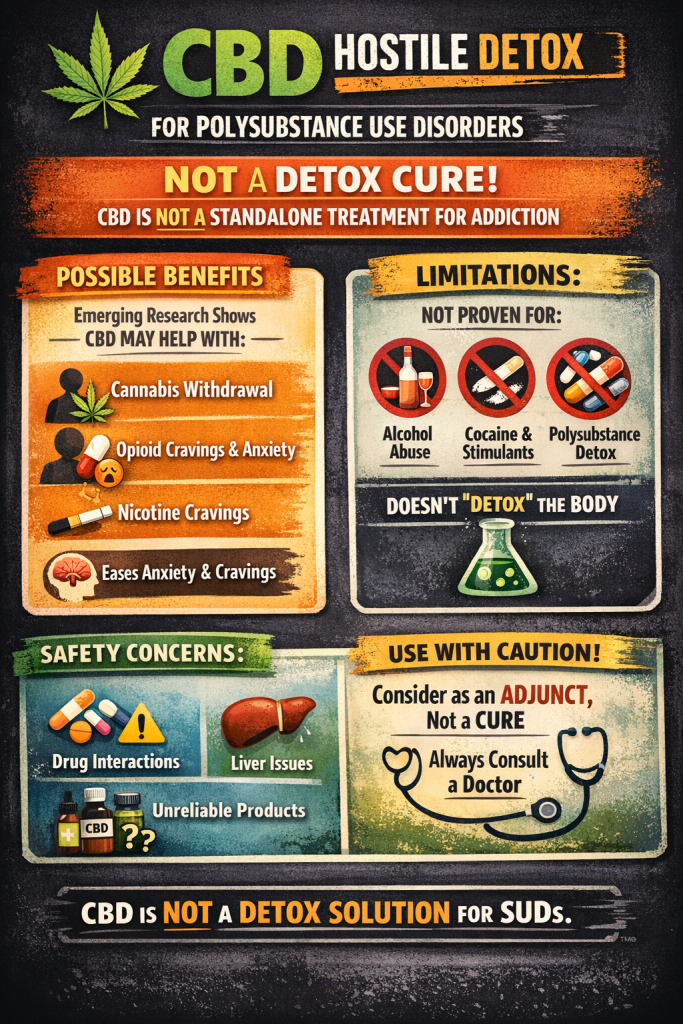
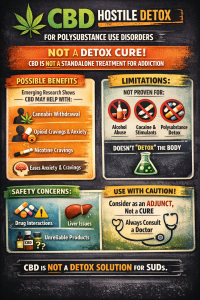
CBD (cannabidiol) is being studied for its use in addiction medicine to alleviate withdrawals and restore neural health. CBD hostile detox is a protocolized detoxification that incorporates CBD into treatment regimens to ameliorate the different signs of physical and psychological distress resulting from substance withdrawal.
Not like the majority of detoxes -which requires a heavy use of pharmaceuticals-, CBD-focused approaches may tend to
- Relieve tension and jitters of withdrawal
- Reduce cravings for addictive substances
- Enhance your sleep control & start stabilizing your emotions
- Promote neuroprotection and cognitive recovery
This would be particularly useful for polysubstance use disorders as it offers a mild yet beneficial addition to the conventional means of detoxification, and would allow patients to get through a difficult and sometimes overwhelming withdrawal period.
The Ways CBD Can Help with Detoxing in Polysubstance Abuse Addictions
CBD impacts the body’s endocannabinoid system, a critical contributor to regulating mood, pain and stress responses. Because it affects neurotransmitter function, CBD can bring about therapeutic effects similar to the high produced by THC – including anti-anxiety, anticonvulsant, and sedative effects.
CBD might be beneficial for those experiencing polysubstance detox:
- Reducing Anxiety and Stress: Withdrawal off multiple substances can lead to severe anxiety. CBD is able to also regulate cortisol levels, this happens by reducing stress and allowing patients to have improved focus during their treatment.
- Diminish Pain and Aches: Certain drugs, such as opioids and stimulants, cause physical aches during withdrawal. CBD is anti-inflammatory which makes it a natural pain reliever.
- Promoting Sleep: Insomnia is one of the most common symptoms of withdrawal. CBD can assist with sleep cycles (these regulate recovery in general).
- Reduced Cravings: Though not a treatment for addiction, CBD may reduce the strength of cravings especially when it comes to addictive drugs like nicotine, alcohol or opioids.
Here at The Hope Rehab Center, dosage is monitored and patients are observed for response and interactions with other medications to ensure that the integration of CBD will contribute effectively and safely in aiding detox.
What is Offered at an International Rehab Center in Pakistan
Targeted detoxification of polysubstance use disorders is more than alleviating withdrawal. As a leading rehabilitation facility in Pakistan, Hope Rehab offers all-integreated treatment outlook that comprises of:
- Supervision: Medical supervision Vital signs and withdrawal progression on an ongoing basis
- Psychosocial support: Individual counseling and group therapy for trauma, anxiety and depression
- Dietary Consultation: Corrective diets and advice to support strength and balance offenders.
- Behavioural Interventions: CBT and motivational interviewing to teach coping skills
- Aftercare Preparation: Structured follow-up program to avoid relapse and promote continual recovery
This whole-body philosophy means that detox, including CBD unfriendly detox, should not be seen as an end in itself but rather a part of a broader patient-focused recovery process.
Safety Considerations and Professional Guidance
Although the safety profile of CBD is favorable, its administration in such conditions should be carried out under medical supervision and particularly in cases of polysubstance use. Possible medications’ interactions, health issues just below and an individual’s substance history need to be considered.
All processes of implementation of the CBD at The Hope Rehab Center are based on a firm commitment to health and absolute security. Our team of professional and licensed clinicians evaluate your medical history, complete evaluations and maintain oversight of progress during detox to ensure the least amount of risk with the greatest potential for recovery.
Other Perks from the CBD Detox Transformation
Apart from acute withdrawal care, CBD detox could be a beneficial treatment with long term effects aimed at relapse prevention:
- Neuroprotection: CBD may protect neurons from the oxidative stress induced by drug use.
- Regulation of Emotions: Enhanced mood control can lead to greater participation in therapy and fewer triggers for relapse.
- Facilitated Cognition: CBD may help clear the brain fog experienced as a result of long-term drug and alcohol abuse.
So these in combination with the programs at The Hope Rehab treatment facility or rehab can effectively get people from detox to long term recovery in an easy way.
Frequently asked questions about CBD
1. Can I safely take CBD while detoxing from several drugs?
When taken under a professional’s guidance, CBD is safe for most people and may help ease withdrawal symptoms. It is important to make patient-appropriate evaluations about safety.
2. Can CBD be used in place of traditional detox medications?
It’s worth noting here that CBD is both additive (it adds) and adjunctive (a complement), not a replacement. It supports medical detox programs by minimizing withdrawal-discomfort and cravings, but should be part of a broader treatment plan.
3. How long is a CBD hostile cleansing regimen?
The length of detox will depend on which substances were abused, your health and how severe the addiction was. Programmes are individually tailored for each person.
4. Does CBD get a user high or otherwise impact judgment?
No, CBD is not psychoactive and imparts no high so it’s appropriate for medical detox.
5. Is CBD Integration Beneficial for Overall Recovery in the Long Term?
CBD can help manage mood, decrease cravings and aid in sleep, which indirectly helps long-term recovery when used as part of therapy and aftercare programs.
Conclusion
Management of polysubstance use disorders is complex, with treatment strategies necessary in both the dimensions. A multi-faceted approach that promotes the use of CBD opposing detoxification provides an ideal complement to the detoxification process, while facilitating a more comfortable journey through withdrawal with support to mental and cognitive health. Since inception, The Hope Rehab Center has been the premier International rehab center in Pakistan –one that offers compassionate patient care and medical excellence at every step of the recovery journey, from detox to aftercare.
With the inclusion of new modalities such as CBD to a structured clinical model; patients may have access to safe, more comfortable detox experiences that will allow for greater stability in early recovery and ultimately an enhanced opportunity of success and overall quality of life.