Cocaine withdrawal happens when a person who has been using cocaine regularly cuts down or suddenly stops using the drug. Cocaine withdrawal does not ordinarily create a process of poisonous withdrawal syndrome that requires treatment medicine for all cocaine cases, such as the way some outputs endure after substance exchange. It, however, can be with considerable psychological symptoms, cravings fatigue and mood changes requiring professional help.
Professional addiction treatment can help ease the withdrawal process, exploring underlying factors that lead to cocaine use in the first place, and give patients tools for prolonged recovery.
What Is Cocaine Withdrawal?
Cocaine is a strong central nervous system stimulant that stimulates the brain’s reward and stress systems. After prolonged use, an individual can develop tolerance, cravings and a cycle of compulsive use.
The brain and body start a long process of adapting to life without cocaine after a user stops adopting. This modification can, in turn, lead to withdrawal signs.
It creates an experience that differs based on:
- Cocaine use frequency and quantity
- Duration of use
- Method of use
- Use of other substances
- Physical health
- Mental health
- Previous withdrawal experiences
Common Cocaine Withdrawal Symptoms
Though cocaine withdrawal can be a danger to the emotional health or wellbeing of an individual, its actual physical dangers tend to be in reality rather limited.
Common symptoms can include:
- Extreme tiredness
- Increased sleep or disrupted sleep
- Increased appetite
- Low mood
- Irritability
- Anxiety
- Restlessness
- Difficulty concentrating
- Reduced motivation
- Strong cravings for cocaine
- Loss of interest in activities
Withdrawal can produce intense depression in some people.
The Cocaine Crash
Others go through a near immediate withdrawal period called cocaine crash shortly after they stop using the drug. At this time, an individual may feel very worn out and sleep for extended hours of time with coping to having a heightened hunger and resounding craving to go get cocaine again.
After the crash, there may be an extended period of cravings, mood changes and sleeping problems too.
How Long Does Cocaine Withdrawal Take?
There is not one time frame for withdrawal that works for everyone.
The initial crash can start relatively soon after the last time it was used. It may take a few days or longer for fatigue, low mood, and sleep changes as well as cravings to settle down — other individuals have intermittent cravings and psychological symptoms over a much longer time span.
This could be affected by the pattern of cocaine use, as well as an individual patient’s health status and mental state or co-occurring drug use.
Symptoms that are persistent or worsening should be evaluated by a healthcare provider.
Is Cocaine Withdrawal Dangerous?
Cocaine withdrawal is not often associated with the same intense physical complications that one might see in alcohol or some sedative medication withdrawal.
But the mental health risk is considerable.
During and post-cocaine withdrawal, you may experience depression, symptoms of severe anxiety, agitation, paranoia (like in the world of drugs) or even think about suicide. Immediate medical attention should be sought by anyone experiencing suicidal thoughts, an immediate risk of self-harm, severe confusion, psychosis, chest pain or difficulty breathing along with seizures or loss of consciousness.
Professional Assessment for Cocaine Withdrawal
An evaluation by a professional can help assess the correct level of care needed.
A healthcare or addiction specialist may do an assessment:
- Cocaine-use history
- Amount and frequency of use
- Previous attempts to stop
- Other substances being used
- Physical health
- Mental health
- Current medications
- Withdrawal symptoms
- Risk of self-harm or other current issues
- Available family and social support
In addition, this evaluation estimates what type of treatment is appropriate between outpatient care, residential rehabilitation or a higher level of care.
Treatment for Cocaine Withdrawal
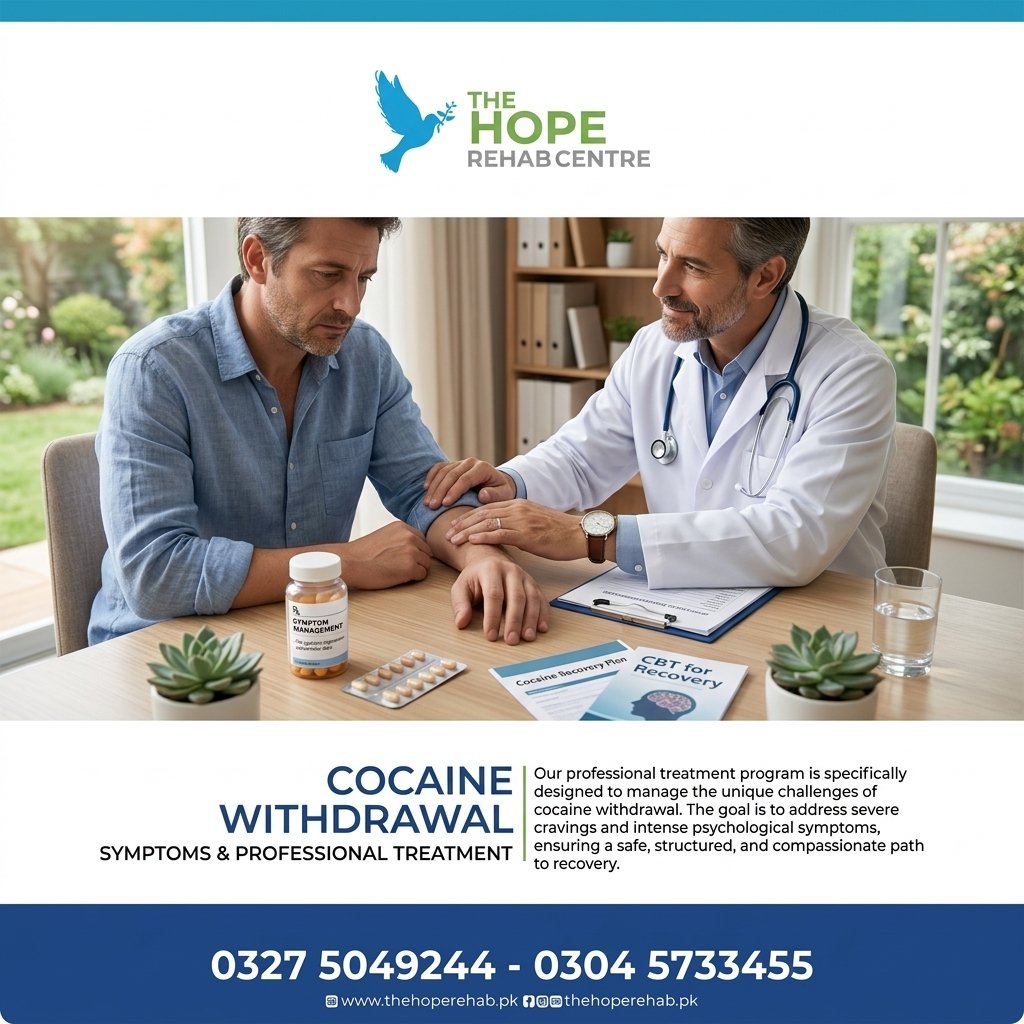
At present, there is no panacea for the treatment of cocaine withdrawal. Treatment usually aim to ease symptoms, keep a person safe, minimize cravings and treat the drug-use disorder.
Professional treatment may include:
Medical Monitoring
Tracking physical and psychological symptoms allows health care professionals to discern complications needing further management.
Psychological Support
Counseling has shown to help individuals cope with low mood, anxiety, cravings, and the struggles of early recovery.
Behavioral Therapy
Cognitive behavioral approaches based-in-evidence can assist patients in recognizing stimuli, modifying behaviors connected with cocaine use and devising better ways to cope.
Recovery Planning
This may involve creating a plan for avoiding situations in which the temptation is high, coping with cravings, re-establishing nightly routines and on-going support.
Behavioral Therapy for Cocaine Addiction
Many affected individuals are treated with behavioral therapies as part of their care for cocaine use disorder.
Therapy may help individuals:
- Identify triggers
- Understand cravings
- Recognize unhelpful thought patterns
- Develop alternative behaviors
- Manage stress
- Improve decision-making
- Strengthen motivation for recovery
- Prepare for high-risk situations
Cognitive behavior therapies and other evidence-informed interventions can be considered as per the individual requirements.
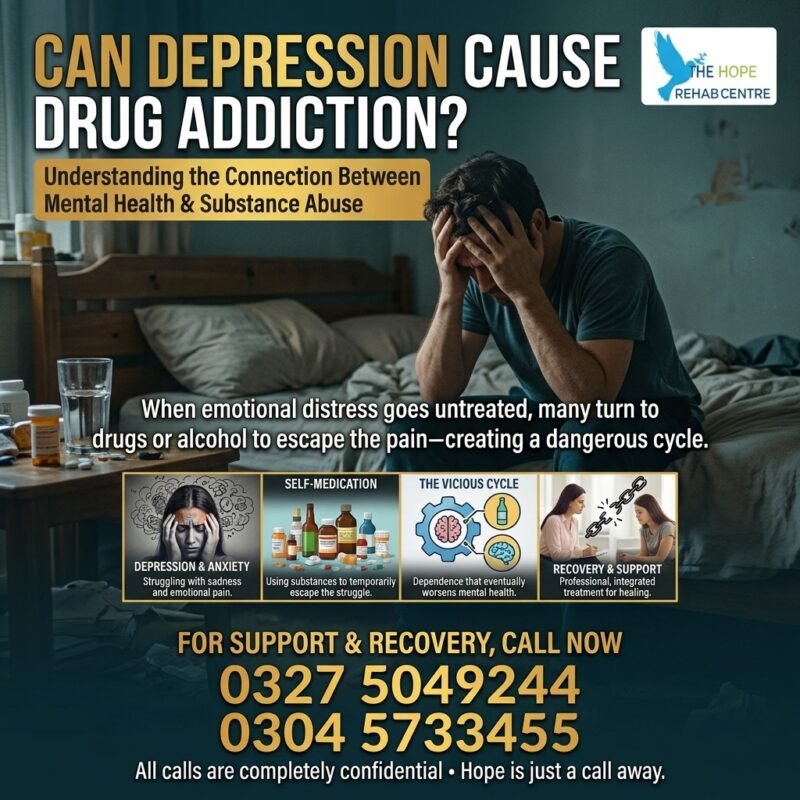
Cocaine Withdrawal and Mental Health
Cocaine new syndromes & co-morbidity with mental illnesses Some of the people can have a depressive episode, anxiety or trauma-related symptoms, and some may experience psychotic symptoms.
Assessment of mental health during significant shifts in mood during withdrawal are important.
When cocaine use occurs alongside a mental health condition, this may be known as dual diagnosis or co-occurring disorder. Concerns can be resolved through treatment as part of a coordinated recovery plan.
Cocaine Withdrawal and Other Substances
Individuals abusing cocaine may also be using alcohol, opiates, benzodiazepines, cannabis or other drugs.
It can alter the withdrawal image and possibly raises medical risks. Withdrawal from alcohol or benzodiazepines after long-term or heavy use can be potentially dangerous, for example.
This is why a thorough history of substance use leading up to decision making for withdrawal management is critical.
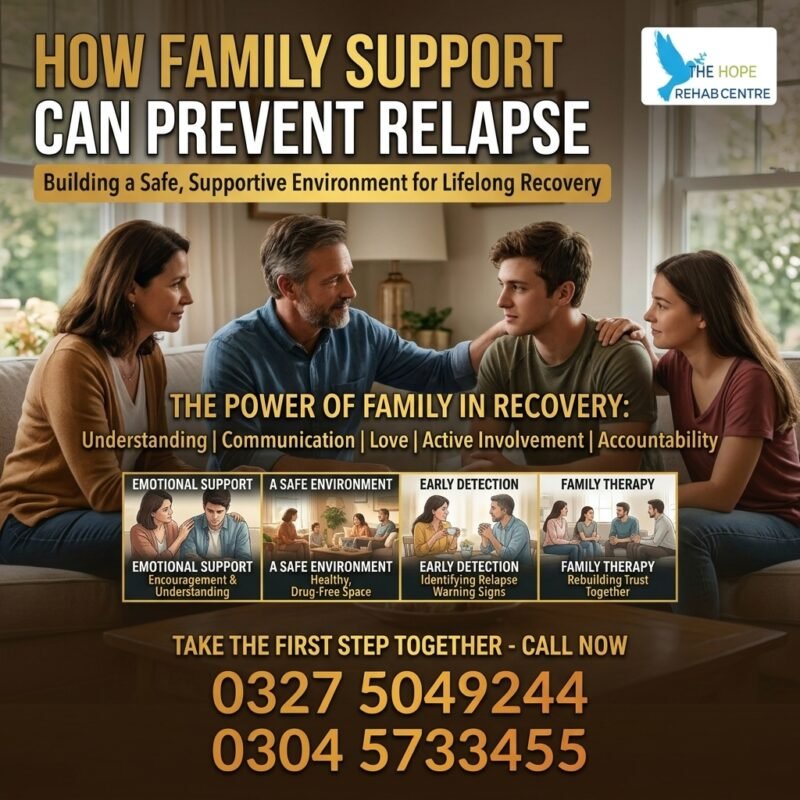
Family Support During Cocaine Recovery
Family members can observe shifts in a person’s mood, sleep, behavior or relationships or finances that may not be apparent to the person when he is struggling with cocaine addiction.
Family support can involve:
- Learning about cocaine addiction
- Encouraging professional treatment
- Maintaining healthy boundaries
- Supporting recovery routines
- Avoiding enabling behaviors
- Recognizing warning signs
- Seeking professional guidance when necessary
When addiction is resulting in great stress, family members also need to look for support for their own?
Relapse Prevention After Cocaine Withdrawal
However, you are still at risk of returning to cocaine use once the withdrawal period is over. Cravings can reoccur when a person is exposed to something, whether that be physical environments or even people, emotions or situations they once endured while using.
A relapse-prevention plan may include:
- Identifying personal triggers
- Avoiding high-risk environments when possible
- Continuing counseling
- Establishment of healthy sleep & daily practices
- Managing stress
- Building supportive relationships
- Addressing mental health concerns
- Attending follow-up appointments
- Getting help early with an increase in cravings or warning markers
If cocaine returns, professional reassessment clarifies whether there is a need for more or different treatment.
When to Seek Emergency Help
Theory: Cocaine withdrawal can be psychologically painful. Get emergency medical help if someone has:
- Has suicidal ideation or plan to hurt self
- Imminent risk of harm to themselves or a third party
- Experiences severe psychosis or confusion
- Experiences chest pain or trouble breathing
- Experiences a seizure
- Loses consciousness
- Also develops another very serious or rapidly worsens symptom
There should be more priority given to emergency care than waiting for a scheduled appointment for addiction treatment.
Choosing Professional Cocaine Addiction Treatment
If you are seeking a professional treatment, ask yourself if the program offers full-scale care rather than just detox.
Important questions include:
- Do you provide a medical and psychological assessment?
- Are qualified addiction professionals involved?
- Are mental health conditions assessed?
- Is counseling available?
- Are behavioral therapies offered?
- Is family support available?
- Is relapse prevention included?
- Is continuing care provided?
- Is the program set up for psychiatric or medical emergencies?
Watch out for all the programs that claim there is some quick or bot guarantee cure. Addiction treatment is unique to each person and season in recovery may require various support over time.
The Hope Rehabilitation Center Islamabad, Pakistan cocaine addiction treatment
The Hope Rehabilitation Center Islamabad, Pakistan offer systematic assistance to cope with addiction or other issues.
Treatment planning is based on the interview and assessment of individual needs, and may include assessing withdrawal symptoms, counseling, psychological care, family involvement, relapse prevention and continuing recovery support.
Individuals who are having a high volume of cocaine withdrawal symptoms especially severe depression or suicidal ideation must have an immediate assessment.
Frequently Asked Questions
1. What are the most common cocaine withdrawal symptoms?
Symptoms often include fatigue, hypersomnia, hyperphagia, low mood, irritability, anxiety and an inability to concentrate motivation and strong cravings.
2. Cocaine withdrawal lasts two to four weeks.
The duration varies. The first crash can happen within a short time after putting the brakes on, while mood changes, cravings, sleep problems and other symptoms may persist for days or more. For others, cravings persist intermittently for years.
3. Is cocaine withdrawal medically dangerous?
Unlike alcohol or some sedatives, cocaine withdrawal does not cause the powerful physical withdrawal syndrome you may expect. On the other hand, there are serious symptoms like extreme depression, suicidal thoughts, psychosis, etc., and those symptoms and disorder need immediate expert intervention.
4. Cocaine withdrawal medication
There is not an approved medication to treat cocaine withdrawal outright. At present, treatments mostly involve supportive care, psychological treatment & therapies and therapeutic management of specific symptoms or co-occurring conditions.
5. Can cocaine addiction be treated?
Yes. To make it more elaborate, treatment may consist of behavioral therapy, counseling, mental health care, relapse prevention as well as family support and continuing recovery service. There is no one size fits all solution, it depends on the individual.
Conclusion
Cocaine withdrawing may experience fatigue, low mood, anxiety depression, sleep changes and uses extreme craving. Although it does not commonly produce the severe physical withdrawal syndrome seen with a few other substances, its psychological symptoms can be intolerable and must be taken seriously.
With professional treatment, patients will receive proper evaluation, mental health counseling, behavioral therapy and relapse-prevention planning. A holistic approach that addresses cocaine use, along with the social determinants that sustain sustained substance use.
If you or a loved one is struggling with cocaine, use or withdrawal, contacting a qualified healthcare professional or addiction specialist can help determine the safest and best way forward. The Hope Rehabilitation Center Islamabad, Pakistan offer a structured addiction treatment program and mental health treatments for individuals, families in need of professional support services.