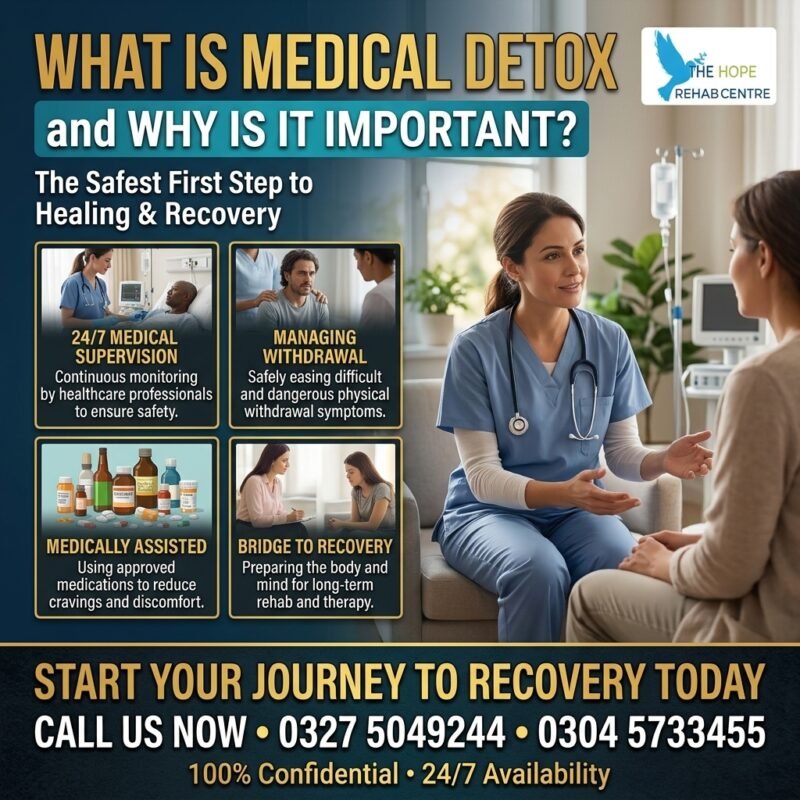
Detoxification is often one of the first stages of treatment for people experiencing substance dependence. It refers to the process through which the body adjusts after reducing or stopping alcohol or drugs. Depending on the substance and the person’s health, this process may involve withdrawal symptoms that range from uncomfortable to medically serious.
Although detox is an important part of recovery for some individuals, it is not the same as addiction treatment. Detox primarily addresses the physical effects of stopping substance use. Long-term recovery may also require counseling, behavioral therapy, mental health care, family support, and relapse-prevention planning.
At The Hope Rehabilitation Center Islamabad, Pakistan, detoxification should be approached with careful assessment, appropriate supervision, and respect for each person’s individual needs.
What Is Detoxification?
Detoxification is the process of allowing the body to clear a substance while managing the physical and psychological effects of withdrawal.
Withdrawal can differ significantly depending on:
- The substance being used
- How frequently it is used
- The amount consumed
- Duration of substance use
- Physical health
- Mental health
- Previous withdrawal experiences
- Use of multiple substances
For this reason, there is no single detox method that is appropriate for everyone.
Why Medical Supervision Can Be Important
Some forms of withdrawal can become dangerous. Alcohol and certain sedative medications, for example, may cause serious withdrawal complications in people who are physically dependent.
Depending on the circumstances, withdrawal can involve:
- Anxiety
- Sweating
- Tremors
- Nausea
- Insomnia
- Changes in mood
- Increased heart rate
- Confusion
- Seizures in severe cases
A healthcare professional can assess withdrawal risk and determine whether medical monitoring or a higher level of care is necessary.
People should not attempt to manage potentially severe withdrawal independently simply because they want to stop using quickly.
The Difference Between Detox and Rehabilitation
Detoxification and rehabilitation serve different purposes.
Detoxification focuses primarily on managing withdrawal and helping the body adjust to reduced or discontinued substance use.
Rehabilitation addresses the broader factors involved in addiction. It may include:
- Individual counseling
- Behavioral therapy
- Group support
- Family counseling
- Mental health treatment
- Life-skills development
- Relapse prevention
- Aftercare planning
Completing detox does not automatically resolve cravings, psychological dependence, or the behaviors associated with substance use. Continuing care can therefore be an important part of recovery.
Assessment Before Detoxification
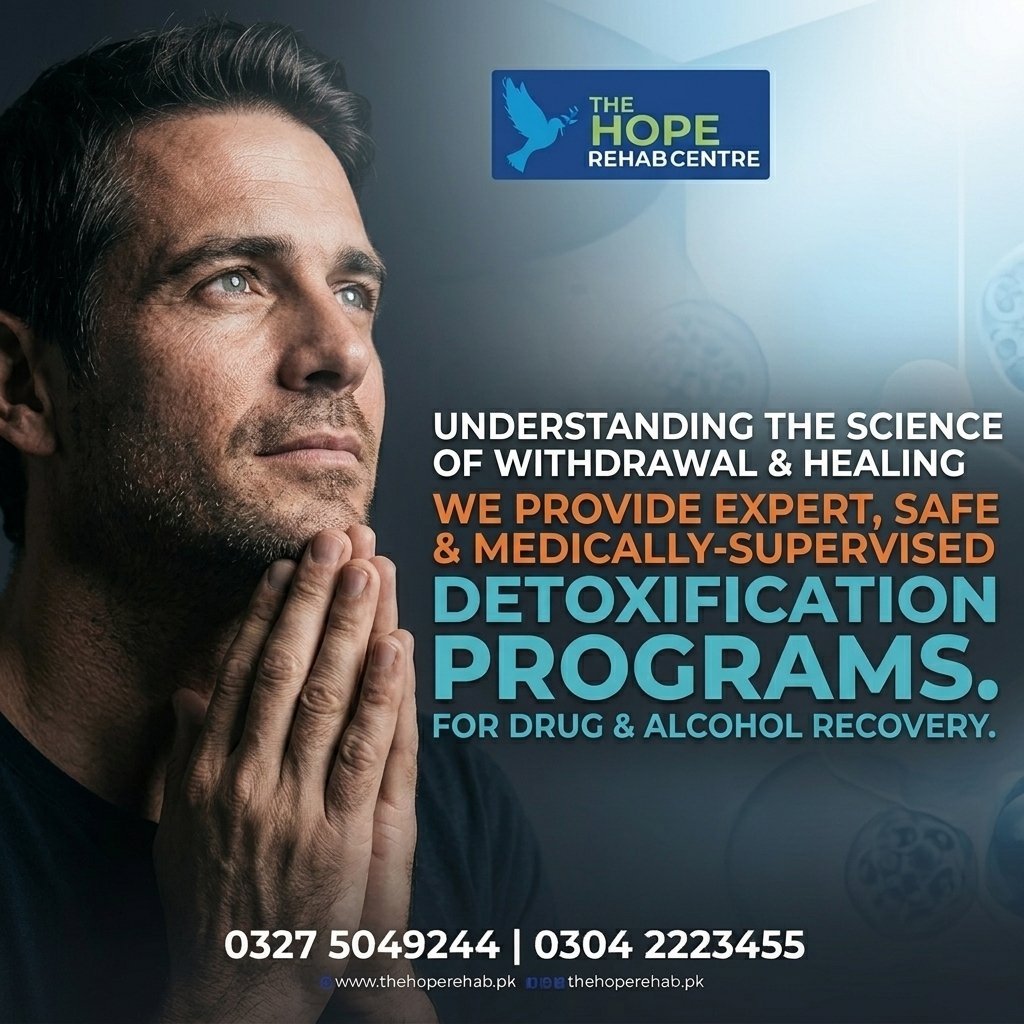
A thorough assessment can help healthcare professionals determine the safest treatment approach.
An assessment may consider:
Substance Use History
Clinicians may ask about the type of substance, amount, frequency, duration, and method of use.
Medical History
Existing conditions, medications, allergies, and previous withdrawal complications can affect detox planning.
Mental Health
Depression, anxiety, trauma, psychosis, or other mental health concerns may influence treatment and should be identified.
Previous Detox Attempts
A history of severe withdrawal or previous unsuccessful attempts can provide important information when planning care.
Different Substances Require Different Approaches
Detoxification isn’t the same for every substance.
Alcohol
Alcohol withdrawal can become medically serious, particularly in people with significant physical dependence. Medical assessment is important before stopping heavy or prolonged alcohol use.
Opioids
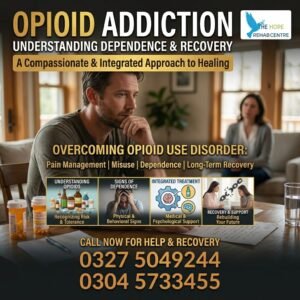
Opioid withdrawal can involve muscle aches, sweating, nausea, diarrhea, restlessness, anxiety, and strong cravings. Although withdrawal is generally not life-threatening by itself, medical and psychosocial support can make treatment safer and more manageable.
Benzodiazepines
Suddenly stopping certain benzodiazepines after prolonged use can cause serious withdrawal, including seizures. Tapering under qualified medical supervision may be appropriate in some circumstances.
Stimulants
Withdrawal from stimulants such as methamphetamine may involve fatigue, low mood, sleep changes, increased appetite, and cravings. Mental health monitoring can be particularly important when severe depression or suicidal thoughts occur.
The Role of Nutrition, Sleep, and Hydration
During recovery, basic physical care matters. Withdrawal can disrupt appetite, sleep, hydration, and daily routines.
Healthcare professionals may provide guidance regarding:
- Adequate fluids
- Balanced nutrition
- Rest and sleep
- Physical activity when appropriate
- Management of withdrawal symptoms
These measures support general health but should not be presented as substitutes for medical treatment when withdrawal is severe.
Emotional Support During Detox
Detox can be physically and emotionally challenging. Individuals may experience fear, irritability, anxiety, low mood, or uncertainty about the future.
A respectful treatment environment can help reduce shame and encourage individuals to communicate openly about symptoms and concerns.
At The Hope Rehabilitation Center Islamabad, Pakistan, compassionate communication and individualized planning can help people understand what to expect and identify appropriate next steps in their recovery journey.
Family Support During Detox and Recovery
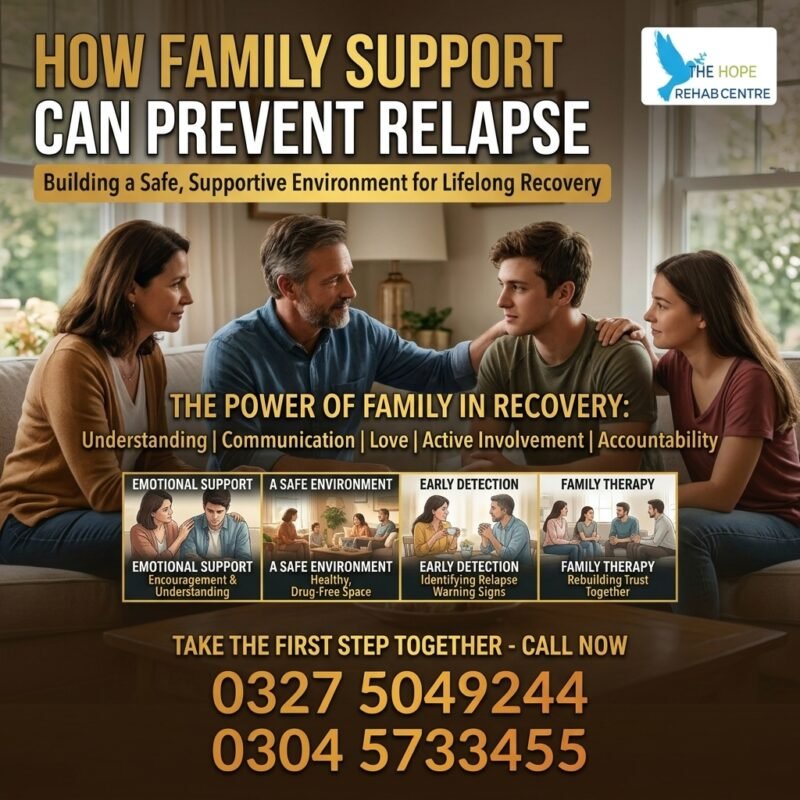
Family members may have an important supportive role, but they should not be expected to manage serious withdrawal symptoms without professional assistance.
Families can help by:
- Providing encouragement
- Maintaining a calm environment
- Supporting treatment recommendations
- Avoiding judgment
- Learning about addiction and withdrawal
- Encouraging continued care after detox
Family counseling may also help relatives understand their own boundaries and emotional needs.
What Comes After Detoxification?
Once the immediate withdrawal phase has been addressed, continuing treatment can help individuals work on the causes and consequences of addiction.
A continuing recovery plan may include:
- Individual therapy
- Behavioral interventions
- Mental health support
- Family involvement
- Relapse-prevention strategies
- Healthy routine development
- Aftercare and follow-up
The appropriate plan depends on the individual’s condition and recovery goals.
Frequently Asked Questions
1. What is detoxification?
Detoxification is the process of allowing the body to adjust after reducing or stopping alcohol or drug use while managing withdrawal symptoms when necessary.
2. Is detoxification the same as addiction treatment?
No. Detox primarily addresses withdrawal. Rehabilitation and continuing care address behavioral, psychological, social, and other factors related to addiction.
3. Can detoxification be dangerous?
Yes, depending on the substance and the person’s level of dependence. Alcohol and certain sedative withdrawals can become particularly serious and may require medical supervision.
4. How long does detoxification take?
There is no universal timeframe. Duration varies according to the substance, pattern of use, physical health, withdrawal symptoms, and treatment approach.
5. What happens after detox?
Many people benefit from continued treatment such as counseling, behavioral therapy, family support, mental health care, relapse prevention, and aftercare.
Conclusion
Detoxification can be an important first stage for people recovering from substance dependence, but it should not be viewed as a complete solution to addiction. The safest approach depends on the substance involved, the person’s health, and the potential severity of withdrawal.
At The Hope Rehabilitation Center Islamabad, Pakistan, detoxification can be considered within a broader, individualized recovery plan that emphasizes appropriate assessment, safety, compassionate care, and continued treatment.
Anyone experiencing severe withdrawal symptoms—including seizures, severe confusion, hallucinations, difficulty breathing, or thoughts of self-harm—should receive urgent medical attention. Professional assessment is an important starting point for determining the appropriate level of care.