Detoxification is often the first stage in the treatment of substance use disorders. It is the process of allowing the body to eliminate alcohol, drugs, or other addictive substances while managing withdrawal symptoms under professional supervision. Although detoxification alone does not treat addiction, it creates a safer foundation for ongoing therapy, counseling, and long-term recovery.
Many individuals attempting to stop substance use experience withdrawal symptoms that range from mild discomfort to serious medical complications. For this reason, professional detoxification can play an important role in supporting safety and comfort during the early stages of recovery.
At The Hope Rehabilitation Center Islamabad, Pakistan, detoxification is provided as part of a comprehensive treatment approach that focuses on compassionate care, individualized treatment planning, and long-term recovery support.
What Is Detoxification?
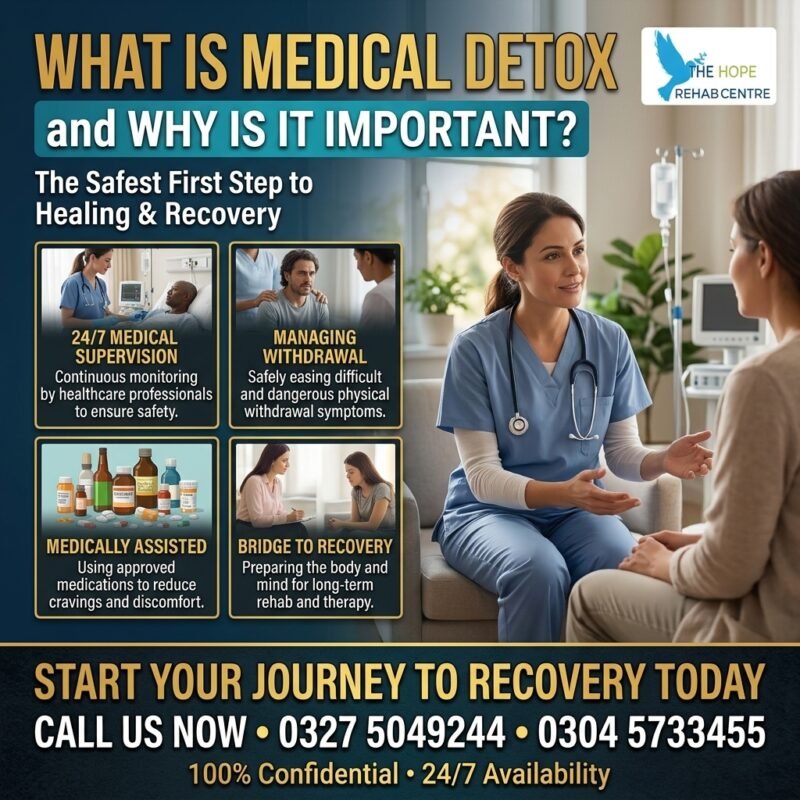
Detoxification is the natural and medically supervised process through which the body clears addictive substances from its system. During this period, healthcare professionals monitor physical and emotional health while helping individuals manage withdrawal symptoms.
Detoxification may be recommended for people recovering from dependence on substances such as:
- Alcohol
- Heroin
- Methamphetamine (Ice)
- Cocaine
- Prescription opioids
- Benzodiazepines
- Cannabis (Marijuana)
The need for detox and the treatment approach depend on the type of substance used, the duration of use, and the individual’s overall health.
Why Detoxification Is Important
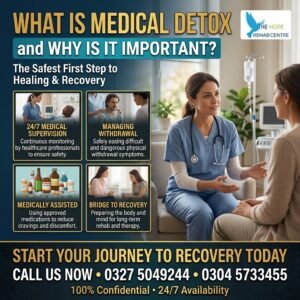
When a person becomes physically dependent on alcohol or drugs, suddenly stopping their use can cause withdrawal symptoms. Professional detoxification provides medical supervision to reduce risks and improve comfort.
Potential benefits of supervised detoxification include:
- Safe management of withdrawal symptoms
- Continuous medical observation
- Emotional support during early recovery
- Preparation for ongoing addiction treatment
- Reduced risk of complications related to withdrawal
Detoxification is considered the beginning of recovery rather than the complete treatment.
Common Withdrawal Symptoms
Withdrawal symptoms vary depending on the substance and the individual’s health.
Common symptoms may include:
- Anxiety
- Restlessness
- Sweating
- Nausea
- Muscle aches
- Sleep disturbances
- Mood changes
- Fatigue
- Cravings
Some substances, particularly alcohol and certain prescription medications, may produce more serious withdrawal symptoms that require close medical supervision.
The Detoxification Process
Initial Assessment
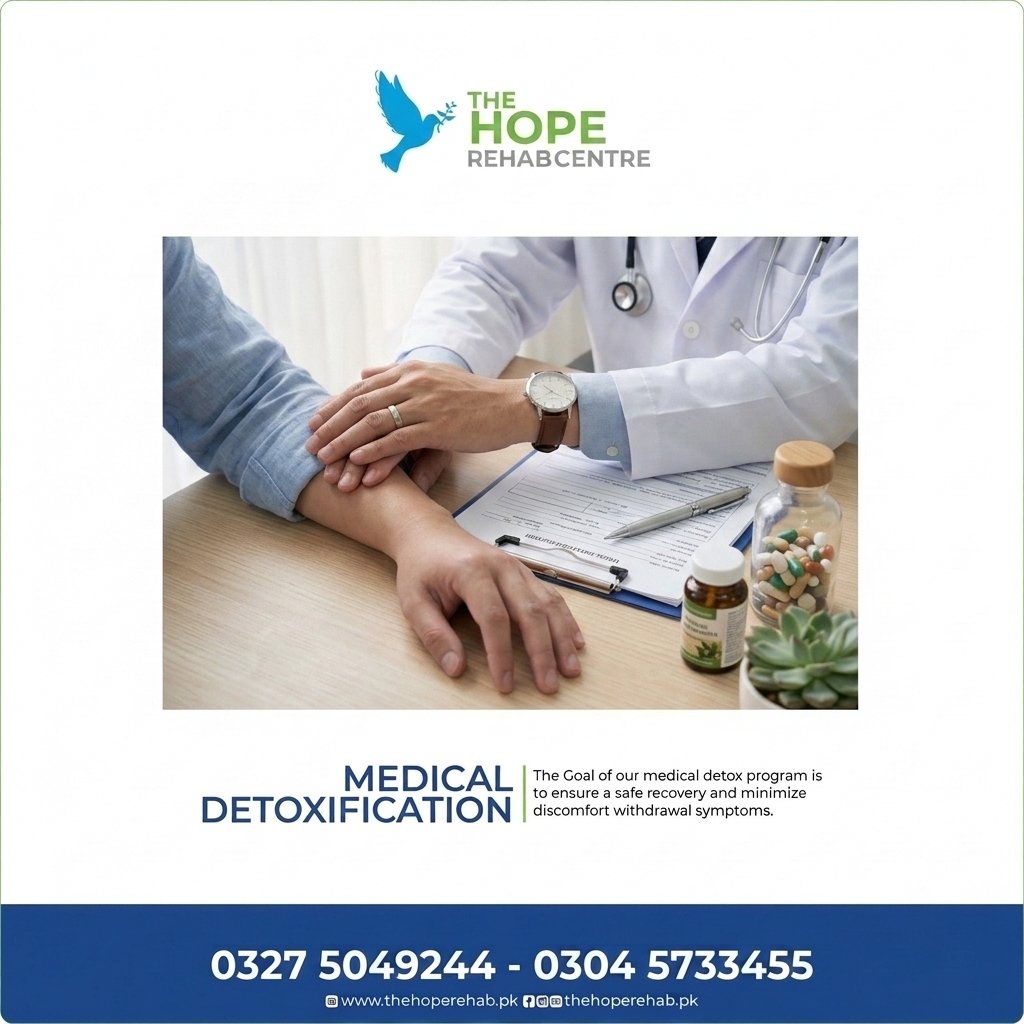
Treatment begins with a comprehensive medical evaluation. Healthcare professionals review the individual’s medical history, substance use patterns, current health, and any co-existing mental health conditions.
Individualized Detox Plan
Based on the assessment, a personalized detoxification plan is developed to meet the individual’s specific needs.
Medical Monitoring
Throughout detoxification, trained healthcare professionals monitor vital signs, withdrawal symptoms, hydration, nutrition, and overall well-being.
Emotional Support
The early stages of recovery can be emotionally challenging. Counseling and supportive care help individuals cope with anxiety, uncertainty, and cravings while preparing for the next phase of treatment.
At The Hope Rehabilitation Center Islamabad, Pakistan, detoxification is integrated into a broader recovery program that emphasizes both physical and emotional healing.
Detoxification Is Only the Beginning
While detoxification removes substances from the body, it does not address the psychological, behavioral, or emotional factors associated with addiction.
Long-term recovery often includes:
- Individual counseling
- Cognitive Behavioral Therapy (CBT)
- Group therapy
- Family counseling
- Mental health support
- Relapse prevention planning
Continuing treatment after detoxification can help individuals develop healthier coping skills and reduce the likelihood of returning to substance use.
The Role of Family During Detoxification
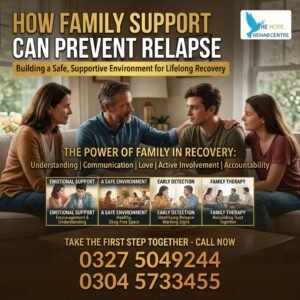
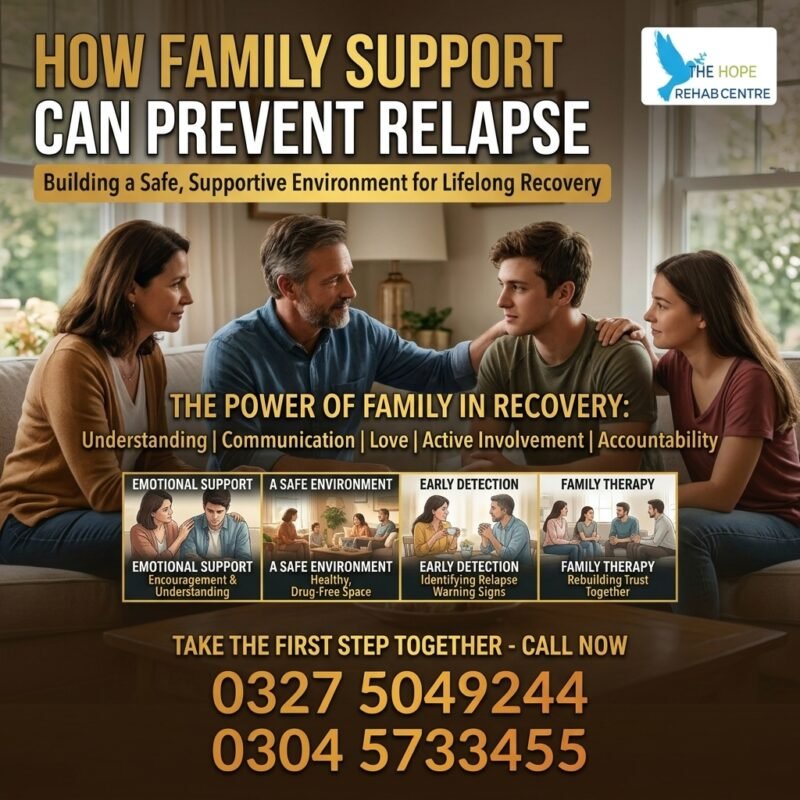
Family members often experience emotional stress while supporting a loved one through addiction recovery. Education and counseling can help families better understand the detoxification process and provide healthy encouragement during treatment.
Family involvement may contribute to:
- Improved communication
- Emotional reassurance
- Stronger support systems
- Better long-term recovery outcomes
At The Hope Rehabilitation Center Islamabad, Pakistan, family participation may be included when appropriate as part of individualized care.
Recovery After Detoxification
Following detoxification, individuals are encouraged to continue treatment through structured rehabilitation and aftercare services.
Recovery planning may include:
- Ongoing therapy sessions
- Lifestyle modification
- Stress management techniques
- Healthy daily routines
- Relapse prevention strategies
- Continued emotional support
Building healthy habits and maintaining professional follow-up can strengthen long-term recovery.
Frequently Asked Questions (FAQs)
1. What is detoxification?
Detoxification is the medically supervised process of clearing alcohol, drugs, or other addictive substances from the body while managing withdrawal symptoms.
2. Is detoxification enough to treat addiction?
No. Detoxification is the first step in recovery. Ongoing therapy, counseling, and rehabilitation are important for addressing the underlying causes of addiction.
3. How long does detoxification take?
The duration varies depending on the substance used, the level of dependence, and the individual’s overall health.
4. Can withdrawal symptoms be managed during detox?
Yes. Healthcare professionals monitor withdrawal symptoms and provide supportive care to improve safety and comfort throughout the detoxification process.
5. Why is professional detoxification recommended?
Professional supervision helps reduce the risks associated with withdrawal while preparing individuals for continued addiction treatment and long-term recovery.
Conclusion
Detoxification is an important first step for individuals seeking recovery from substance dependence. By safely managing withdrawal symptoms and preparing the body for continued treatment, detoxification creates the foundation for long-term healing.
At The Hope Rehabilitation Center Islamabad, Pakistan, detoxification is delivered with compassionate care, individualized planning, and professional medical supervision. Combined with counseling, behavioral therapies, family support, and aftercare planning, detoxification can help individuals begin a safer and more sustainable recovery journey toward improved physical health and emotional well-being.