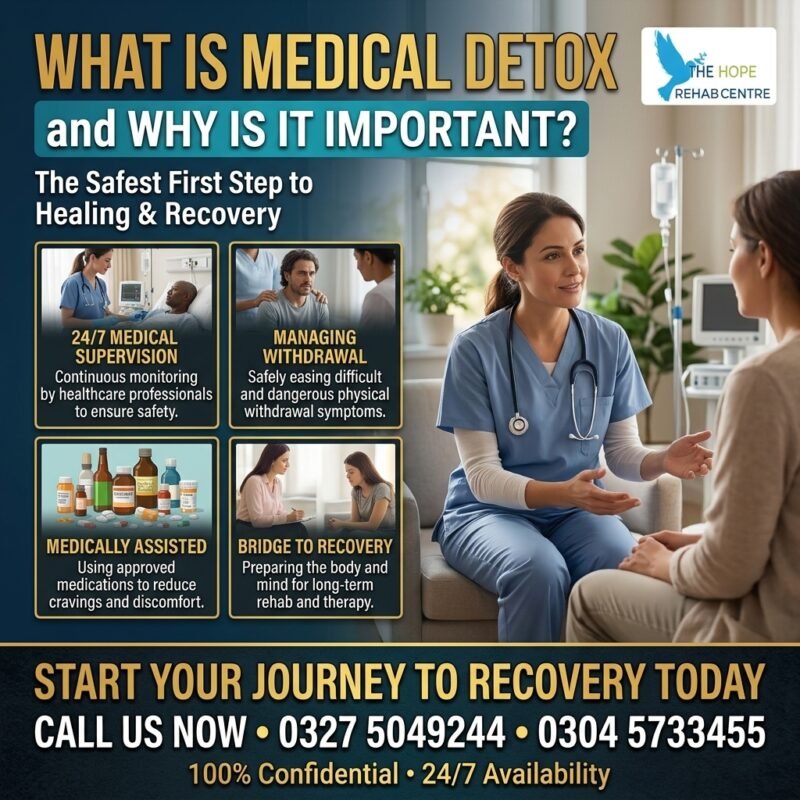
Drug detoxification commonly called drug detox, is often an early stage of treatment for people who have developed dependence on drugs. Detox focuses on helping the body adjust when substance use is reduced or stopped. Depending on the substance involved, withdrawal can range from uncomfortable to medically serious, making professional assessment important.
For individuals and families considering treatment at The Hope Rehabilitation Center Islamabad, Pakistan, understanding what happens during detox can make the process less uncertain. Detox is not the same as complete addiction treatment. It is usually the beginning of a broader recovery plan that may include counseling, behavioral therapy, family support, and relapse-prevention care.
What Is Drug Detox?
Drug detox is the process of allowing a substance to leave the body while managing withdrawal symptoms and related health concerns. When someone has used a drug regularly, the body may adapt to its presence. Suddenly stopping or significantly reducing use can then produce physical and psychological symptoms.
Withdrawal varies according to the substance, amount and duration of use, overall health, and whether multiple substances are involved.
Common substances associated with withdrawal include opioids, benzodiazepines, alcohol, stimulants, and other drugs. Each requires a different clinical approach.
What to Expect During Drug Detox
The first step is generally an assessment. Healthcare professionals may ask about the substance used, frequency of use, previous withdrawal experiences, medical conditions, medications, and mental health history.
Depending on the circumstances, clinicians may monitor vital signs, hydration, sleep, mood, and other symptoms throughout detox.
Withdrawal symptoms can include:
- Anxiety or irritability
- Sweating
- Tremors
- Nausea or stomach discomfort
- Headaches
- Sleep difficulties
- Muscle aches
- Changes in appetite
- Strong cravings
- Low mood or restlessness
The exact symptoms and their severity vary considerably.
Withdrawal Management and Medical Supervision
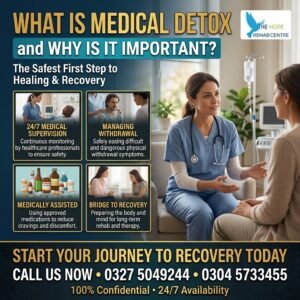
Withdrawal management is an important part of safe detoxification. Some forms of withdrawal can become medically dangerous.
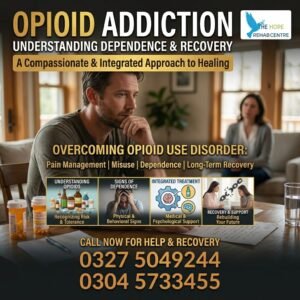
Alcohol and benzodiazepine withdrawal, for example, can potentially cause seizures, severe confusion, or other serious complications. Opioid withdrawal is generally not life-threatening for most people but can be intense and may increase the risk of returning to opioid use, particularly after tolerance has decreased.
Medical professionals can determine whether supervised detoxification is appropriate and whether medication or other supportive measures are needed.
People should not attempt to manage potentially dangerous withdrawal entirely on their own.
How Long Does Drug Detox Take?
There is no universal detox timeline. The duration depends on the substance, pattern of use, physical health, withdrawal symptoms, and treatment approach.
Some withdrawal symptoms may begin within hours of stopping certain substances, while others can emerge later. Symptoms may also change over several days.
A healthcare professional can provide a more appropriate estimate after assessing the individual’s circumstances.
Why Detox Alone Isn’t Enough
Completing detox does not necessarily resolve addiction. Detox primarily addresses the physical process of stopping substance use. It may not address cravings, psychological dependence, trauma, mental health conditions, behavioral patterns, or environmental factors associated with addiction.
For this reason, continuing treatment is often an important part of recovery.
After detox, individuals may benefit from counseling, behavioral therapy, peer support, family involvement, and relapse-prevention planning.
Recovery Support After Detox
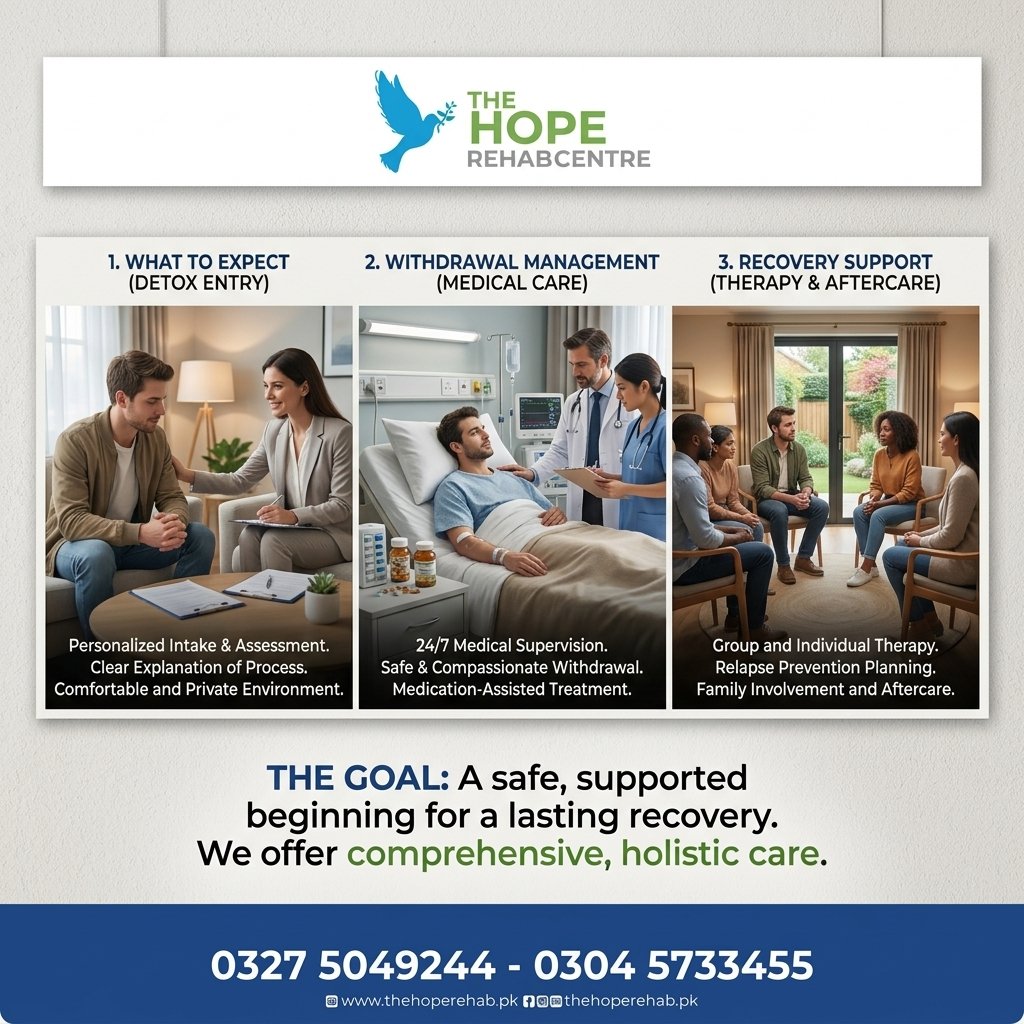
A comprehensive recovery plan should reflect the individual’s needs and circumstances.
Counseling and Behavioral Therapy
Counseling can help individuals understand triggers, identify unhealthy patterns, manage cravings, and develop healthier coping strategies.
Behavioral therapies may help people respond differently to stress, difficult emotions, and situations associated with previous substance use.
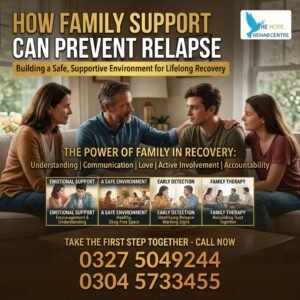
Family Support
Addiction affects families as well as individuals. Family education can help relatives understand substance use disorders and learn healthier ways to provide support.
Appropriate boundaries are also important. Family members should not be expected to replace professional treatment.
Relapse Prevention
The period after detox can bring significant challenges. A relapse-prevention plan can help individuals identify high-risk situations and develop strategies for responding to cravings.
Follow-up care, counseling, recovery groups, and regular professional contact may form part of ongoing support.
Mental Health and Dual Diagnosis
Substance use disorders can occur alongside depression, anxiety, trauma, or other mental health conditions. These co-occurring concerns may influence substance use and recovery.
A thorough treatment plan should consider mental health when appropriate. Addressing both substance use and psychological concerns can help ensure that important aspects of recovery are not overlooked.
Drug Detox at The Hope Rehabilitation Center Islamabad, Pakistan
The Hope Rehabilitation Center Islamabad, Pakistan provides a setting for individuals and families seeking support for addiction and recovery-related concerns.
Anyone considering detox should first receive an appropriate professional assessment. The safest and most suitable approach depends on the substance involved, withdrawal risk, physical health, mental health, and individual treatment needs.
Detox should be viewed as one component of a broader recovery process rather than a guaranteed solution to addiction.
Frequently Asked Questions
1. Is drug detox safe?
The safety of detox depends on the substance used and the individual’s health. Some withdrawal syndromes can be dangerous, so professional assessment and medical supervision may be necessary.
2. How long does drug withdrawal last?
Withdrawal duration varies by substance and individual. Some symptoms may begin within hours, while others can persist for days or longer. A healthcare professional can provide individualized guidance.
3. Can I detox from drugs at home?
Home detox isn’t appropriate for everyone. Withdrawal from substances such as alcohol or benzodiazepines can become medically serious. Anyone considering detox should discuss their situation with a qualified healthcare professional.
4. Does detox cure addiction?
No. Detox addresses withdrawal and the physical process of stopping substance use. Ongoing addiction treatment is generally needed to address behavioral, psychological, social, and relapse-related factors.
5. What happens after detox?
Depending on individual needs, continuing care may include residential or outpatient rehabilitation, counseling, behavioral therapy, family support, mental health treatment, and relapse-prevention planning.
Conclusion
Drug detox can be an important first step for someone experiencing physical dependence on drugs, but it is only one part of recovery. Understanding withdrawal risks and obtaining appropriate professional support can help make the process safer and more manageable.
Following detox, continued treatment can address the broader factors associated with addiction, including cravings, mental health, coping skills, family relationships, and relapse prevention. For individuals considering The Hope Rehabilitation Center Islamabad, Pakistan, a professional assessment is an appropriate starting point for determining what type of care may be suitable.