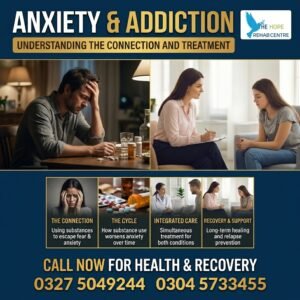
Dual-diagnosis, also known as co-occurring disorders, refers to the presence of both a substance use disorder and a mental health condition at the same time. These conditions often influence one another, making recovery more complex if only one issue is addressed. Individuals may struggle with addiction while also experiencing depression, anxiety, bipolar disorder, post-traumatic stress disorder (PTSD), or other mental health concerns.
Effective treatment requires an integrated approach that addresses both conditions simultaneously. At The Hope Rehabilitation Center Islamabad, Pakistan, dual-diagnosis treatment programs are designed to provide comprehensive, evidence-based care that supports both mental wellness and long-term recovery from addiction.
What Is Dual-Diagnosis?
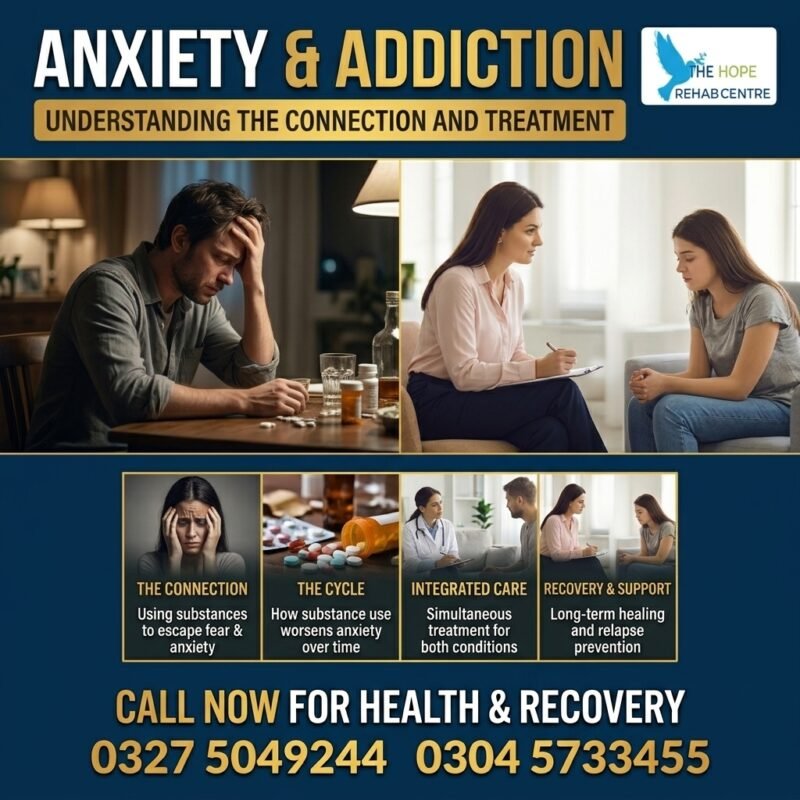
Dual-diagnosis occurs when a person experiences both a mental health disorder and a substance use disorder. In some cases, mental health symptoms may contribute to substance use as individuals attempt to cope with emotional distress. In other situations, prolonged substance use may worsen or trigger mental health symptoms.
Because these conditions are closely connected, treating one while ignoring the other may reduce the effectiveness of recovery efforts. A coordinated treatment plan helps individuals address the full range of their healthcare needs.
Common Mental Health Conditions Associated with Dual-Diagnosis
Several mental health disorders may occur alongside addiction, including:
- Depression
- Anxiety disorders
- Bipolar disorder
- Post-traumatic stress disorder (PTSD)
- Obsessive-compulsive disorder (OCD)
- Personality disorders
- Schizophrenia and other psychotic disorders
A professional assessment helps determine whether both conditions are present and guides the development of an individualized treatment plan.
Signs and Symptoms of Dual-Diagnosis
Recognizing dual-diagnosis can be challenging because symptoms of addiction and mental health conditions often overlap.
Emotional Symptoms
- Persistent sadness
- Anxiety or excessive worry
- Mood swings
- Irritability
- Feelings of hopelessness
- Difficulty managing emotions
Behavioral Symptoms
- Increased use of alcohol or drugs
- Withdrawal from family and friends
- Difficulty maintaining work or education
- Poor decision-making
- Changes in daily routines
- Loss of interest in enjoyable activities
Physical Symptoms
- Sleep disturbances
- Changes in appetite
- Fatigue
- Low energy
- Difficulty concentrating
At The Hope Rehabilitation Center Islamabad, Pakistan, comprehensive evaluations help healthcare professionals understand both the addiction and the individual’s mental health needs.
Why Integrated Treatment Is Important
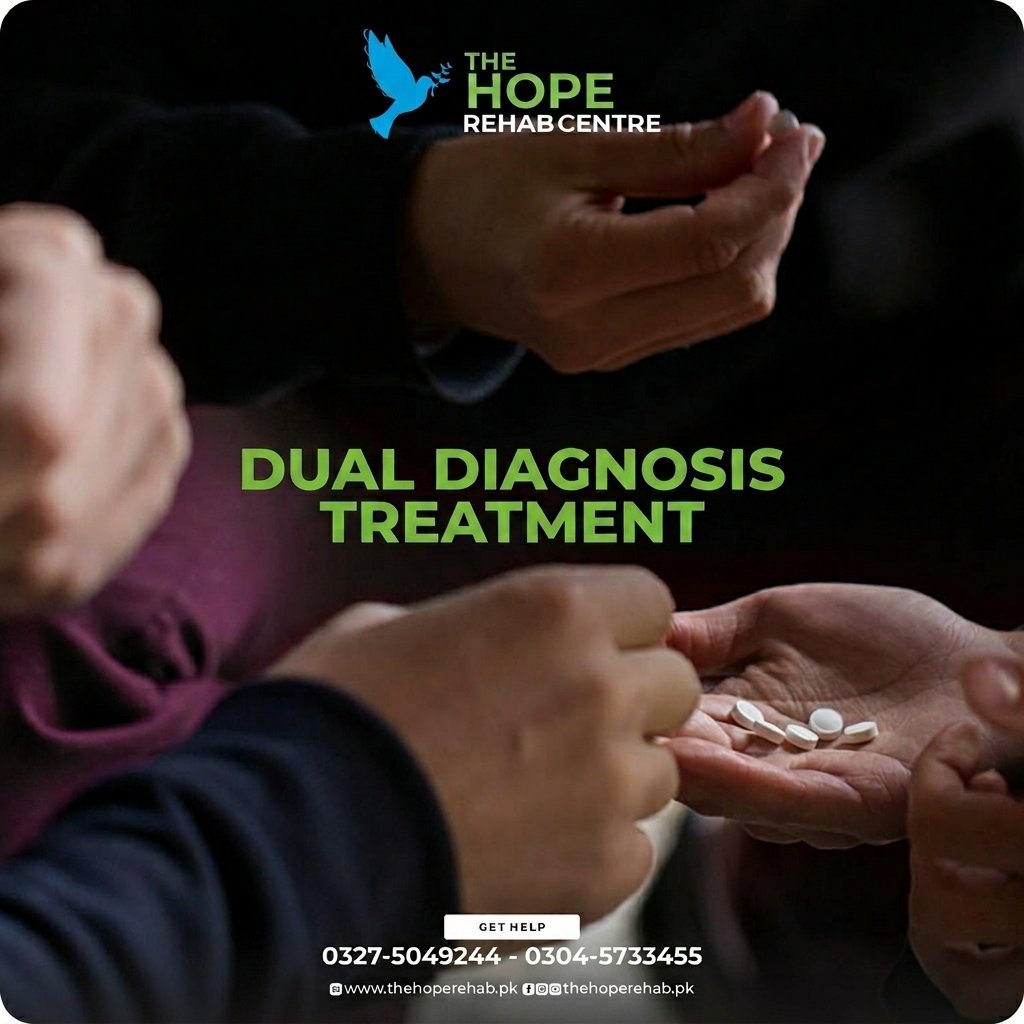
Treating addiction without addressing mental health concerns—or vice versa—may leave underlying challenges unresolved. Integrated treatment aims to improve overall recovery by providing coordinated care for both conditions.
Benefits of integrated treatment include:
- More accurate diagnosis
- Personalized treatment planning
- Improved emotional well-being
- Better coping strategies
- Reduced risk of relapse
- Stronger long-term recovery outcomes
Treatment Options for Dual-Diagnosis
Comprehensive Assessment
Treatment begins with a detailed evaluation of physical health, mental health, substance use history, and personal recovery goals.
Individual Counseling
One-on-one counseling helps individuals explore emotional challenges, identify triggers, and develop healthier coping strategies.
Behavioral Therapy
Evidence-based therapies, including Cognitive Behavioral Therapy (CBT), help individuals recognize negative thought patterns, improve emotional regulation, and manage both mental health symptoms and substance use triggers.
Medication Management
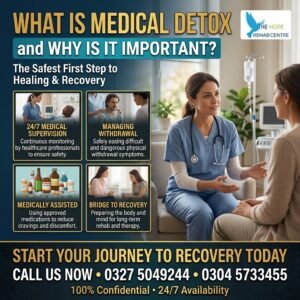
For some individuals, medications may be recommended by qualified healthcare professionals as part of an overall treatment plan. Medication decisions are based on a thorough clinical assessment and ongoing monitoring.
Group Therapy
Group counseling offers opportunities for peer support, shared experiences, and practical recovery skills in a supportive environment.
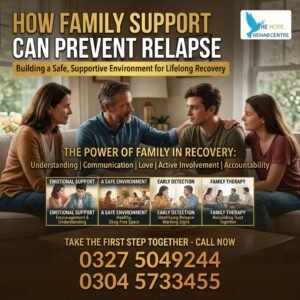
The Role of Family Support
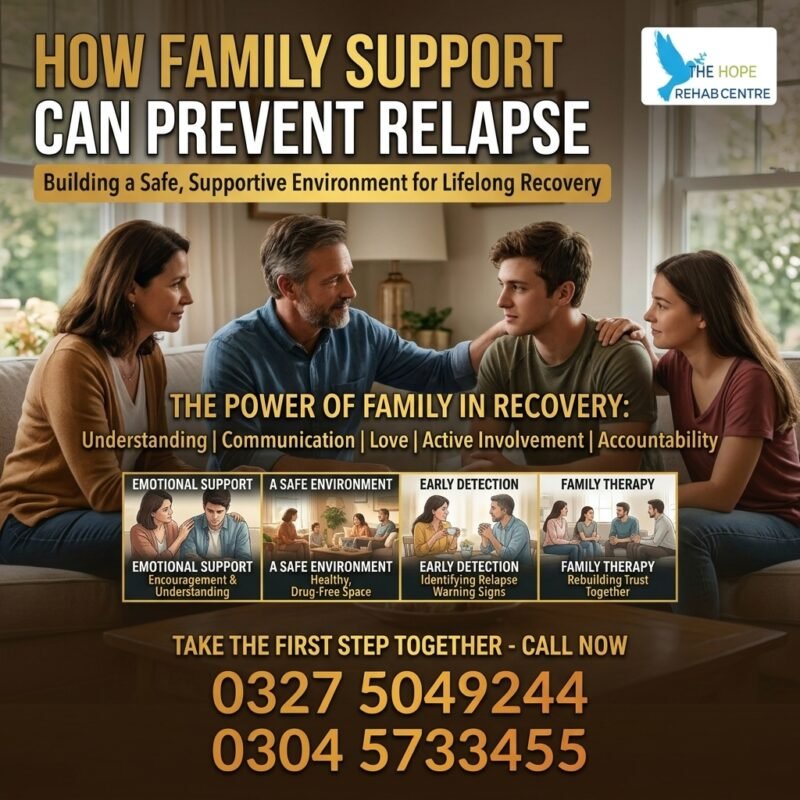
Family involvement can strengthen recovery by improving communication, increasing understanding, and providing emotional encouragement.
Family counseling may help:
- Improve relationships
- Reduce misunderstandings
- Strengthen healthy boundaries
- Support treatment participation
- Encourage long-term recovery
At The Hope Rehabilitation Center Islamabad, Pakistan, family participation may be included whenever appropriate and beneficial to the individual’s treatment plan.
Relapse Prevention
Recovery from dual-diagnosis continues after formal treatment ends. Ongoing support helps individuals maintain emotional stability and reduce the likelihood of relapse.
Relapse prevention strategies may include:
- Continuing therapy
- Managing stress effectively
- Recognizing emotional triggers
- Following personalized treatment recommendations
- Maintaining healthy routines
- Participating in aftercare programs
Long-term recovery is strengthened through consistent follow-up care and ongoing support.
Why Professional Care Matters
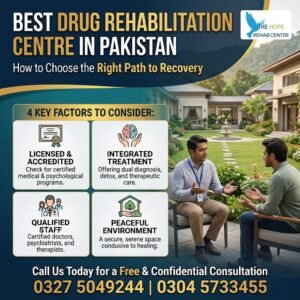
Dual-diagnosis requires careful assessment and coordinated treatment from experienced healthcare professionals. Individualized care helps ensure that both addiction and mental health concerns are addressed together rather than separately.
At The Hope Rehabilitation Center Islamabad, Pakistan, treatment programs focus on compassionate care, clinical expertise, and evidence-based therapies that support lasting recovery and improved overall well-being.
Frequently Asked Questions (FAQs)
1. What is dual-diagnosis?
Dual-diagnosis refers to the presence of both a mental health disorder and a substance use disorder occurring at the same time.
2. Why is integrated treatment important?
Integrated treatment addresses both conditions together, helping individuals receive more comprehensive and coordinated care.
3. Can mental health conditions contribute to addiction?
Yes. Some individuals may use substances in an attempt to cope with emotional distress, while substance use may also worsen existing mental health symptoms.
4. What therapies are commonly used for dual-diagnosis?
Treatment may include individual counseling, Cognitive Behavioral Therapy (CBT), group therapy, family counseling, and medication management when clinically appropriate.
5. Can people recover from dual-diagnosis?
Yes. With personalized treatment, ongoing support, and a comprehensive care plan, many individuals successfully manage both conditions and achieve long-term recovery.
Conclusion
Dual-diagnosis presents unique challenges because addiction and mental health conditions often influence one another. Addressing both conditions through an integrated treatment approach can improve emotional well-being, strengthen recovery, and support long-term health.
At The Hope Rehabilitation Center Islamabad, Pakistan, dual-diagnosis treatment combines comprehensive assessment, counseling, behavioral therapies, family involvement, and relapse prevention planning to provide holistic care. Through individualized treatment and compassionate support, individuals can work toward lasting recovery and a healthier, more balanced future.