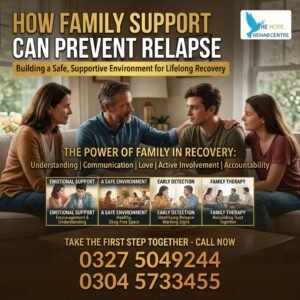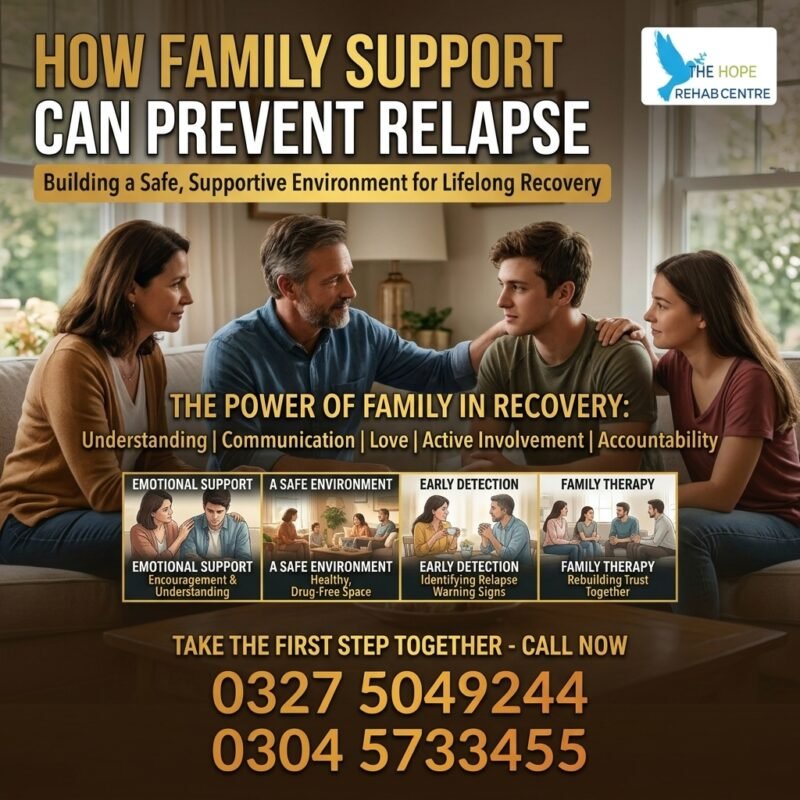
Addiction and mental health conditions affect more than just the individual—they also impact parents, spouses, children, siblings, and close friends. Recovery is often more successful when families are educated, involved, and supported throughout the treatment process. A well-structured Family Support Program helps strengthen relationships, improve communication, and create a stable environment that encourages long-term recovery.
Family members may experience stress, confusion, or emotional challenges while supporting a loved one with addiction or mental health concerns. By providing education, counseling, and practical guidance, family support programs help everyone involved better understand the recovery journey. At The Hope Rehabilitation Center Islamabad, Pakistan, family participation is considered an important part of comprehensive rehabilitation, promoting healing for both individuals and their loved ones.
What Is a Family Support Program?
A Family Support Program is a structured service that involves family members in the recovery process through counseling, education, communication training, and emotional support. The goal is to help families understand addiction and mental health conditions while learning healthy ways to encourage recovery.
Rather than placing blame, these programs focus on building trust, improving relationships, and creating a positive home environment that supports lasting change.
Why Family Involvement Matters in Recovery
Recovery does not happen in isolation. Individuals often benefit from having supportive family members who understand the challenges of addiction and mental health recovery.
Family involvement may help:
- Improve communication between loved ones
- Encourage treatment participation
- Reduce misunderstandings and conflict
- Strengthen emotional support
- Promote accountability
- Build a healthier home environment
When families work together, individuals often feel more motivated and confident in maintaining their recovery goals.
Challenges Families May Experience
Living with or supporting someone affected by addiction can be emotionally demanding. Family members may experience:
- Stress and anxiety
- Feelings of guilt or frustration
- Relationship difficulties
- Financial concerns
- Loss of trust
- Emotional exhaustion
A Family Support Program provides guidance that helps families address these challenges while maintaining their own emotional well-being.
Key Components of a Family Support Program
Family Counseling
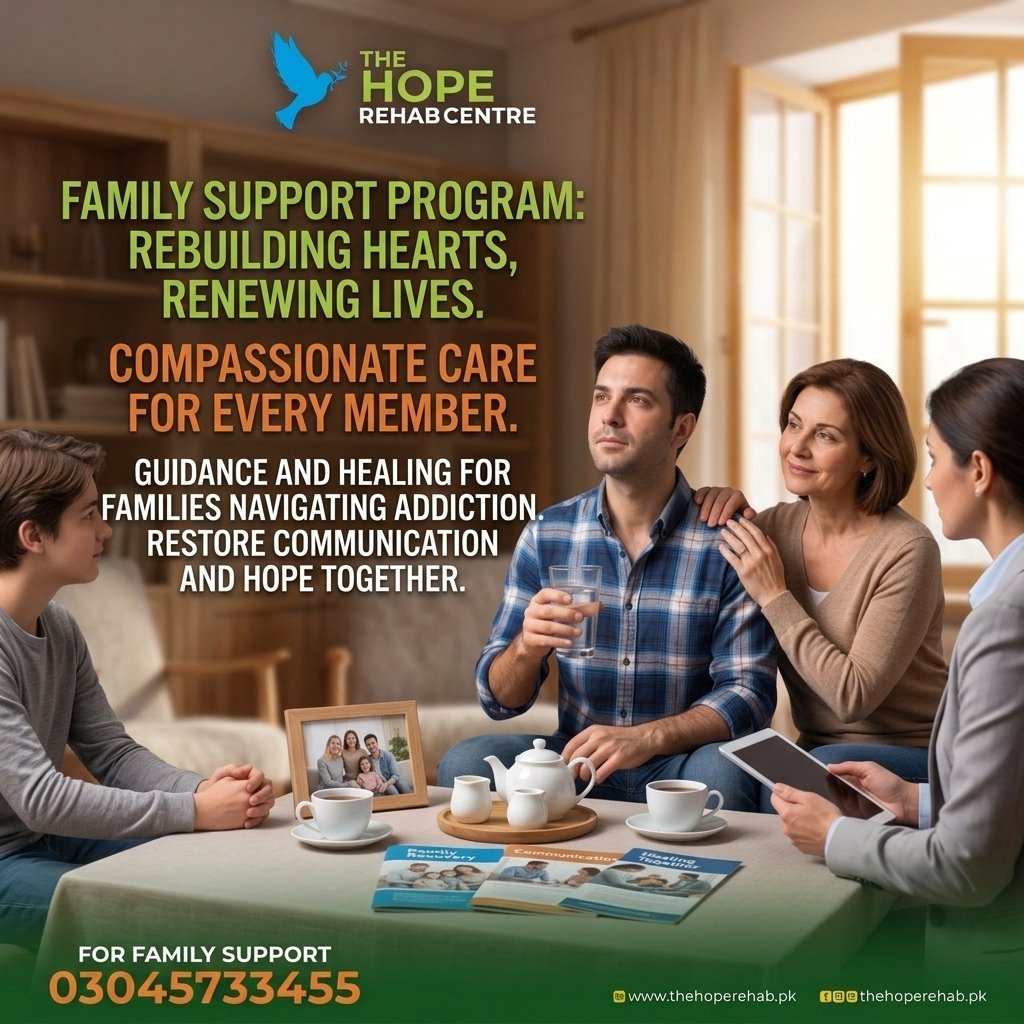
Family counseling provides a safe and supportive setting where loved ones can openly discuss concerns, improve communication, and work toward healthier relationships.
Addiction and Mental Health Education
Understanding addiction as a medical condition helps reduce stigma and encourages compassion. Educational sessions may explain:
- How addiction affects the brain
- The recovery process
- Common relapse triggers
- Healthy ways to offer support
- The importance of self-care for caregivers
Communication Skills Training
Learning respectful and effective communication can reduce conflict and improve trust within the family.
Healthy communication includes:
- Active listening
- Expressing concerns calmly
- Setting realistic expectations
- Respecting healthy boundaries
- Encouraging positive behavior
Emotional Support
Family members also need support throughout the recovery process. Counseling helps loved ones manage stress, build resilience, and maintain emotional balance while supporting someone in treatment.
At The Hope Rehabilitation Center Islamabad, Pakistan, family support services are tailored to meet the unique needs of each family while promoting healthy long-term relationships.
The Role of Healthy Boundaries
Supporting a loved one does not mean ignoring personal well-being. Healthy boundaries help protect both the recovering individual and family members.
Examples of healthy boundaries include:
- Encouraging responsibility
- Avoiding enabling behaviors
- Maintaining open communication
- Respecting personal space
- Supporting treatment recommendations
Clear boundaries create a more stable environment that encourages recovery while protecting family relationships.
Supporting Long-Term Recovery
Family support continues to be valuable even after formal rehabilitation ends. Recovery often involves ongoing adjustments, and consistent encouragement can help individuals remain focused on their goals.
Families can support recovery by:
- Encouraging attendance at therapy sessions
- Celebrating positive milestones
- Promoting healthy daily routines
- Offering emotional encouragement
- Remaining patient during challenges
- Participating in aftercare activities when appropriate
These positive actions contribute to a supportive recovery environment without creating unnecessary pressure.
Benefits of a Family Support Program
A structured Family Support Program offers benefits for both individuals and their loved ones.
These benefits may include:
- Stronger family relationships
- Improved communication
- Increased understanding of addiction
- Reduced family conflict
- Better emotional well-being
- Greater confidence in supporting recovery
- Enhanced long-term treatment outcomes
By working together, families can become an important source of stability throughout the recovery process.
Why Professional Guidance Is Important
Every family’s situation is different. Professional counselors can help families navigate complex emotions, resolve conflicts, and develop practical strategies that support recovery in a healthy and balanced way.
At The Hope Rehabilitation Center Islamabad, Pakistan, experienced professionals work closely with individuals and their families to create personalized care plans that encourage healing, mutual understanding, and lasting recovery.
Frequently Asked Questions (FAQs)
1. What is a Family Support Program?
A Family Support Program provides counseling, education, and practical guidance to help families actively support a loved one’s recovery from addiction or mental health challenges.
2. Why is family involvement important during rehabilitation?
Supportive family relationships can improve communication, encourage treatment participation, reduce stress, and strengthen long-term recovery.
3. Can family counseling improve relationships?
Yes. Family counseling helps rebuild trust, improve communication, resolve conflicts, and create healthier relationship patterns.
4. How can families help prevent relapse?
Families can support recovery by encouraging healthy routines, recognizing early warning signs, maintaining open communication, and supporting ongoing treatment recommendations.
5. Can family members receive support themselves?
Yes. Family support programs also provide emotional guidance and education to help loved ones manage stress and care for their own well-being throughout the recovery journey.
Conclusion
Recovery is often stronger when families are informed, involved, and supported. A comprehensive Family Support Program helps loved ones understand addiction, improve communication, establish healthy boundaries, and create a positive environment that encourages lasting recovery.
At The Hope Rehabilitation Center Islamabad, Pakistan, family support is an important part of holistic rehabilitation. Through counseling, education, emotional support, and personalized guidance, families gain the knowledge and confidence needed to play a meaningful role in their loved one’s recovery while strengthening their own relationships and well-being.