Heroin addiction is one of the most serious forms of substance use disorder, affecting physical health, mental well-being, relationships, and overall quality of life. Heroin is an illegal opioid that produces intense feelings of relaxation and euphoria, but repeated use can quickly lead to physical dependence and psychological addiction. As tolerance develops, individuals often require increasing amounts of the drug, raising the risk of severe health complications and overdose.
Although heroin addiction can feel overwhelming, recovery is possible with timely intervention, professional treatment, and ongoing support. At The Hope Rehabilitation Center Islamabad, Pakistan, comprehensive recovery programs provide compassionate, individualized care to help people overcome heroin addiction and rebuild healthier lives.
What Is Heroin Addiction?
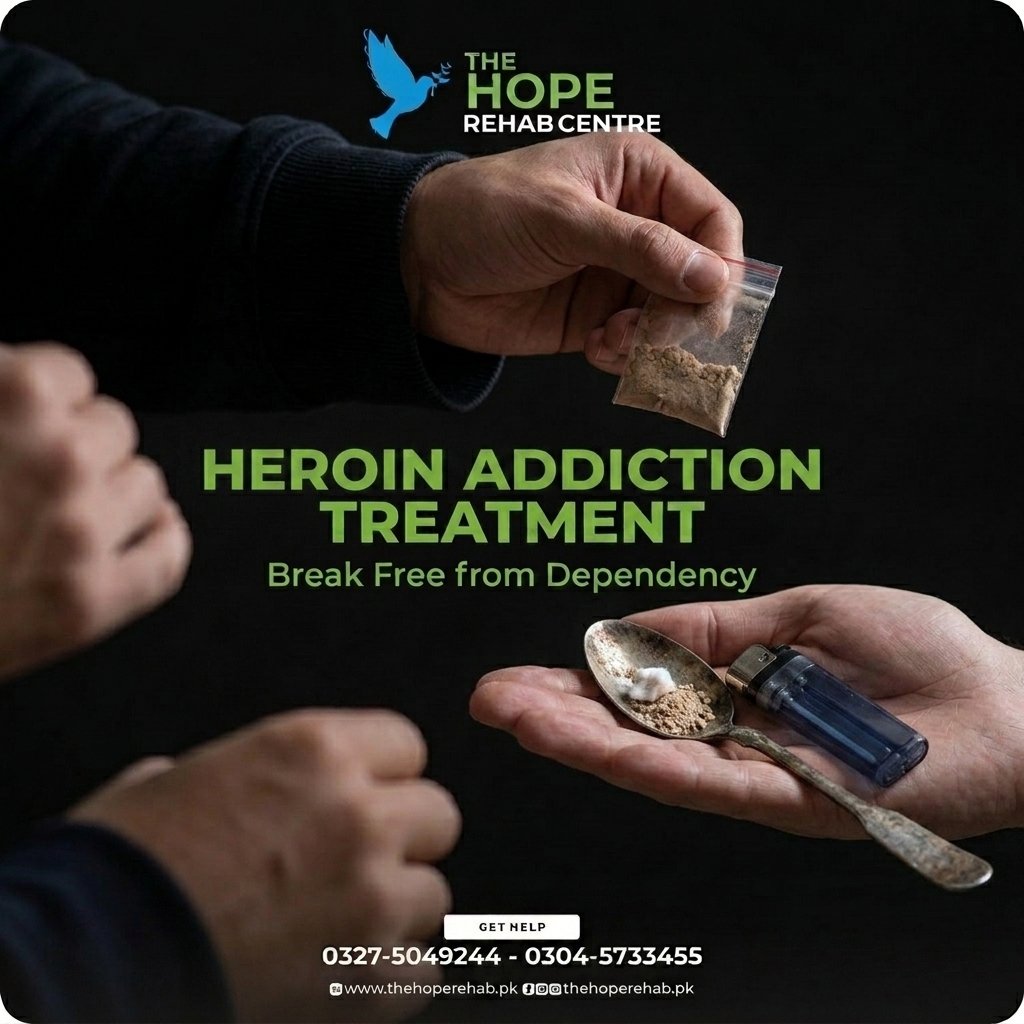
Heroin addiction, also known as heroin use disorder, occurs when a person becomes physically and psychologically dependent on heroin and continues using it despite experiencing harmful consequences. Over time, heroin changes the brain’s reward system, making it increasingly difficult to stop using without professional assistance.
People may use heroin by:
- Injecting
- Smoking
- Snorting
Regardless of the method, heroin use carries significant health risks and can lead to dependence within a relatively short period.
Signs and Symptoms of Heroin Addiction
Recognizing the warning signs of heroin addiction can help individuals and families seek professional support early.
Physical Symptoms
- Extreme drowsiness
- Constricted pupils
- Slow or shallow breathing
- Sudden weight loss
- Frequent itching
- Poor personal hygiene
- Fatigue and low energy
Behavioral Symptoms
- Withdrawing from family and friends
- Neglecting work, school, or daily responsibilities
- Financial difficulties
- Secretive behavior
- Loss of interest in previously enjoyed activities
- Repeated unsuccessful attempts to stop using heroin
Emotional Symptoms
- Anxiety
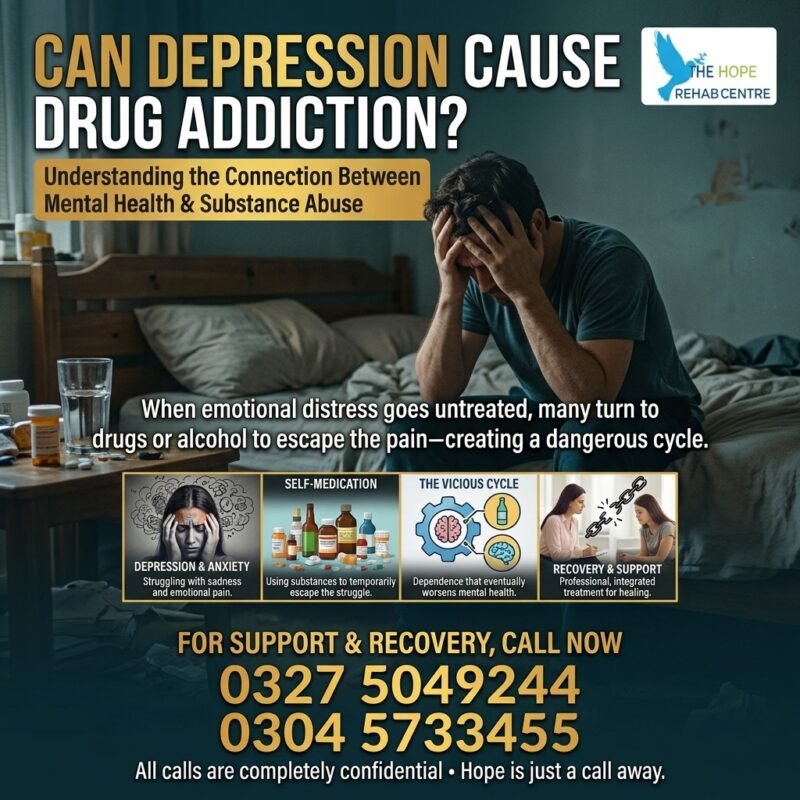
- Depression
- Mood swings
- Irritability
- Lack of motivation
- Difficulty concentrating
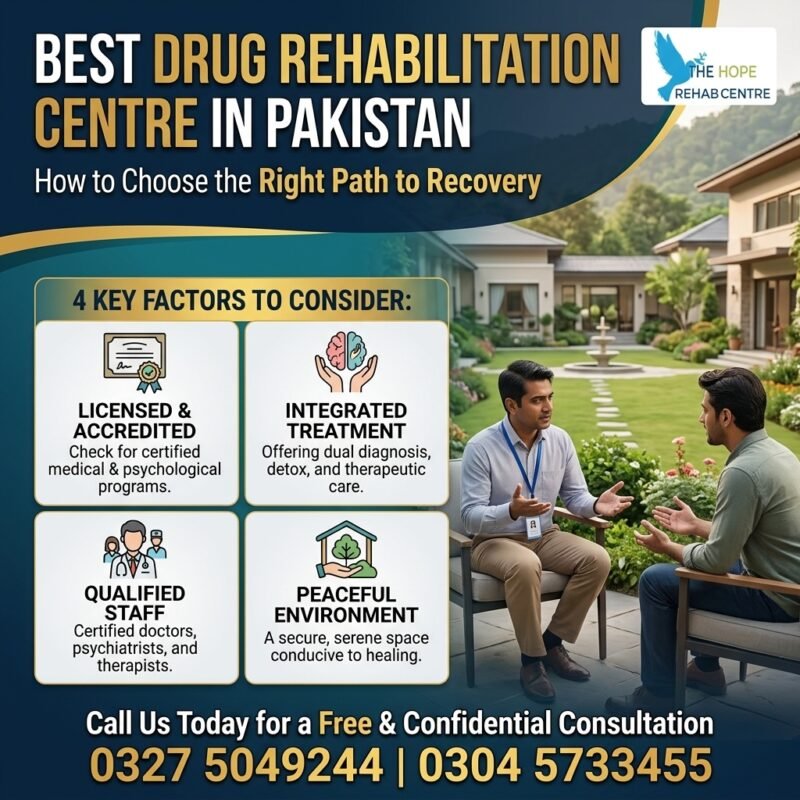
At The Hope Rehabilitation Center Islamabad, Pakistan, healthcare professionals perform comprehensive assessments to understand each person’s unique medical, emotional, and recovery needs before developing an individualized treatment plan.
Causes and Risk Factors
Heroin addiction often develops through a combination of biological, psychological, and environmental influences.
Common risk factors include:
- Previous misuse of prescription opioids
- Family history of substance use disorders
- Emotional trauma
- Anxiety or depression
- Chronic stress
- Peer influence
- Limited access to mental health support
Understanding these underlying factors helps healthcare providers address the root causes of addiction rather than focusing solely on substance use.
Health Effects of Long-Term Heroin Use
Long-term heroin use can affect nearly every organ system and significantly reduce overall health.
Physical Health Risks
- Respiratory problems
- Collapsed veins from injection use
- Heart infections
- Liver and kidney complications
- Digestive disorders
- Increased risk of infectious diseases
- Accidental overdose
Mental Health Effects
Heroin addiction is frequently associated with:
- Depression
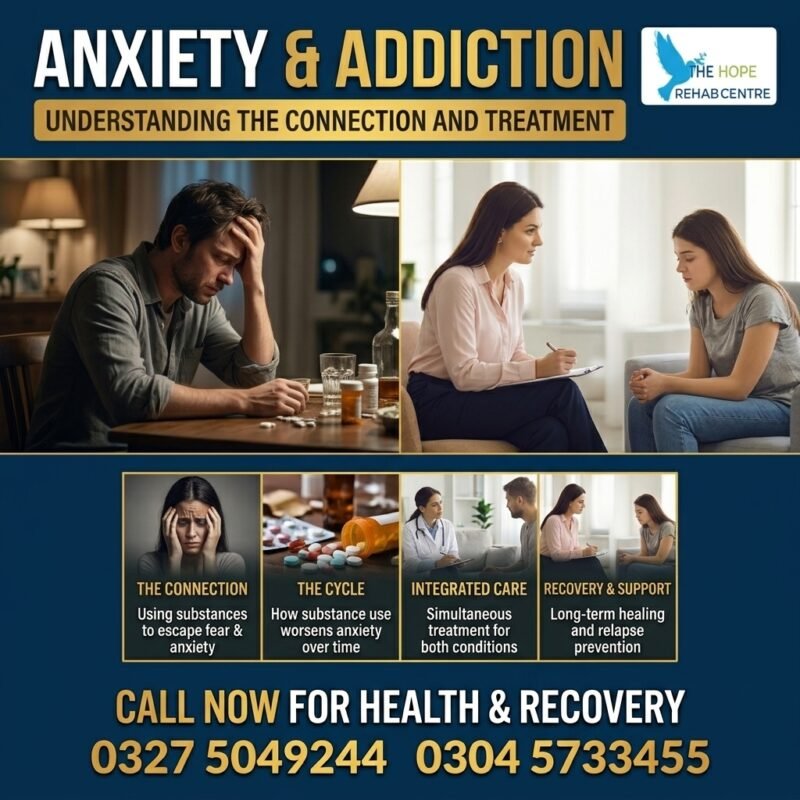
- Anxiety disorders
- Emotional instability
- Sleep disturbances
- Cognitive impairment
- Reduced decision-making ability
Integrated treatment that addresses both addiction and mental health often leads to more effective recovery outcomes.
Treatment Options for Heroin Addiction
Recovery from heroin addiction usually requires a structured treatment plan that addresses both physical dependence and emotional health.
Medical Assessment and Detoxification
Treatment typically begins with a detailed medical evaluation. Medically supervised detoxification may be recommended to help individuals safely manage withdrawal symptoms while healthcare professionals monitor their progress.
Individual Counseling
Counseling provides a confidential setting where individuals can explore the emotional factors contributing to addiction while learning healthier coping strategies.
Cognitive Behavioral Therapy (CBT)
CBT helps individuals identify unhealthy thought patterns, manage cravings, recognize triggers, and replace harmful behaviors with healthier alternatives.
Group Therapy
Group sessions allow participants to share experiences, receive encouragement, and develop practical recovery skills through peer support.
At The Hope Rehabilitation Center Islamabad, Pakistan, every treatment plan is tailored to the individual’s health condition, recovery goals, and personal circumstances.
Relapse Prevention and Long-Term Recovery
Recovery continues well beyond detoxification and rehabilitation. Long-term success often depends on maintaining healthy habits and ongoing professional support.
Relapse prevention strategies may include:
- Identifying personal triggers
- Practicing stress management techniques
- Continuing counseling sessions
- Developing structured daily routines
- Building healthy social support networks
- Participating in follow-up care
These strategies help strengthen resilience and support sustainable recovery.
The Role of Family Support
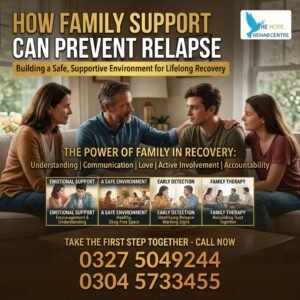
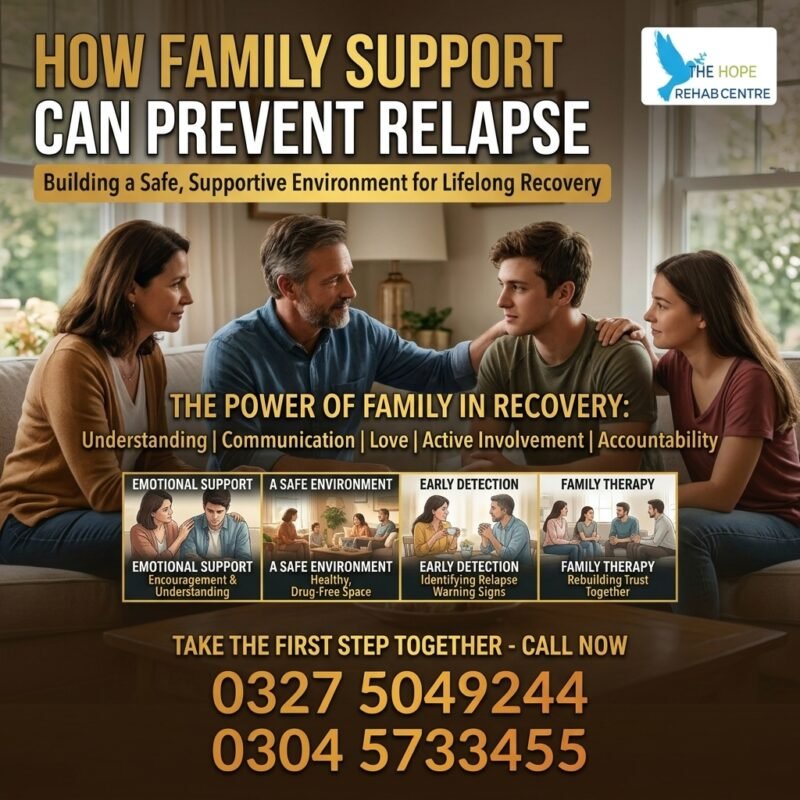
Family involvement can significantly enhance the recovery process. Educating loved ones about heroin addiction helps improve communication, reduce misunderstandings, and create a healthier home environment.
Family counseling may focus on:
- Rebuilding trust
- Improving communication
- Establishing healthy boundaries
- Providing emotional encouragement
- Supporting long-term recovery goals
At The Hope Rehabilitation Center Islamabad, Pakistan, family participation may be included whenever it contributes positively to the individual’s recovery journey.
Frequently Asked Questions (FAQs)
1. What is heroin addiction?
Heroin addiction is a chronic condition in which an individual becomes physically and psychologically dependent on heroin despite experiencing harmful effects.
2. What are common symptoms of heroin withdrawal?
Withdrawal symptoms may include anxiety, muscle aches, sweating, nausea, restlessness, insomnia, and intense cravings. The severity varies from person to person.
3. Can heroin addiction be treated successfully?
Yes. Comprehensive treatment involving medical care, counseling, behavioral therapy, and long-term support can help many individuals achieve lasting recovery.
4. How long does heroin addiction treatment take?
Treatment duration depends on the individual’s medical condition, history of substance use, and recovery progress. Each treatment plan is personalized.
5. Why is professional treatment important for heroin addiction?
Professional treatment provides medical supervision, emotional support, evidence-based therapies, and relapse prevention strategies that help individuals recover more safely and effectively.
Conclusion
Heroin addiction is a serious health condition that can affect every aspect of a person’s life, but recovery is achievable with appropriate care and ongoing support. Early intervention, individualized treatment, and compassionate guidance can help individuals regain control of their health and build a healthier future.
At The Hope Rehabilitation Center Islamabad, Pakistan, comprehensive heroin addiction treatment combines medical assessment, supervised detoxification, counseling, behavioral therapies, family support, and relapse prevention planning. Through personalized care and a commitment to long-term recovery, individuals are supported in taking meaningful steps toward lasting health and well-being.