A Home-Based Treatment Program can provide structured healthcare support to people who may benefit from receiving selected services in their own home. For individuals dealing with addiction, mental health concerns, or recovery after rehabilitation, home-based care can offer greater flexibility while reducing some of the practical barriers associated with attending a treatment facility.
However, home-based treatment is not appropriate for everyone. The right level of care depends on a person’s medical condition, substance use history, mental health needs, safety, and home environment. A qualified healthcare professional should assess these factors before recommending home-based services.
At The Hope Rehabilitation Center Islamabad, Pakistan, home-based support can be considered as part of an individualized recovery plan when clinically appropriate. The focus is on continuity of care, professional guidance, family education, and practical recovery strategies.
What Is a Home-Based Treatment Program?
A Home-Based Treatment Program involves delivering selected treatment and support services outside a residential rehabilitation facility. Depending on clinical needs, services may include counseling, follow-up assessments, behavioral therapy, family education, recovery planning, and ongoing monitoring.
Home-based care can be particularly useful for individuals who:
- Have a stable and supportive home environment
- Can safely participate in outpatient treatment
- Need continuing support after residential rehabilitation
- Have transportation or mobility challenges
- Require follow-up counseling and recovery guidance
Home-based treatment should always be based on an appropriate professional assessment.
Who May Benefit From Home-Based Treatment?
Not everyone requires residential rehabilitation. Some individuals may be able to participate safely in outpatient or home-based services while continuing their normal responsibilities.
Potential candidates may include people who have:
- A stable living environment
- Reliable family or caregiver support
- Mild to moderate treatment needs
- A willingness to participate in scheduled care
- Access to emergency services if required
People experiencing severe withdrawal, acute psychiatric symptoms, significant medical complications, or immediate safety concerns may require a higher level of care rather than home-based treatment.
Services That May Be Included
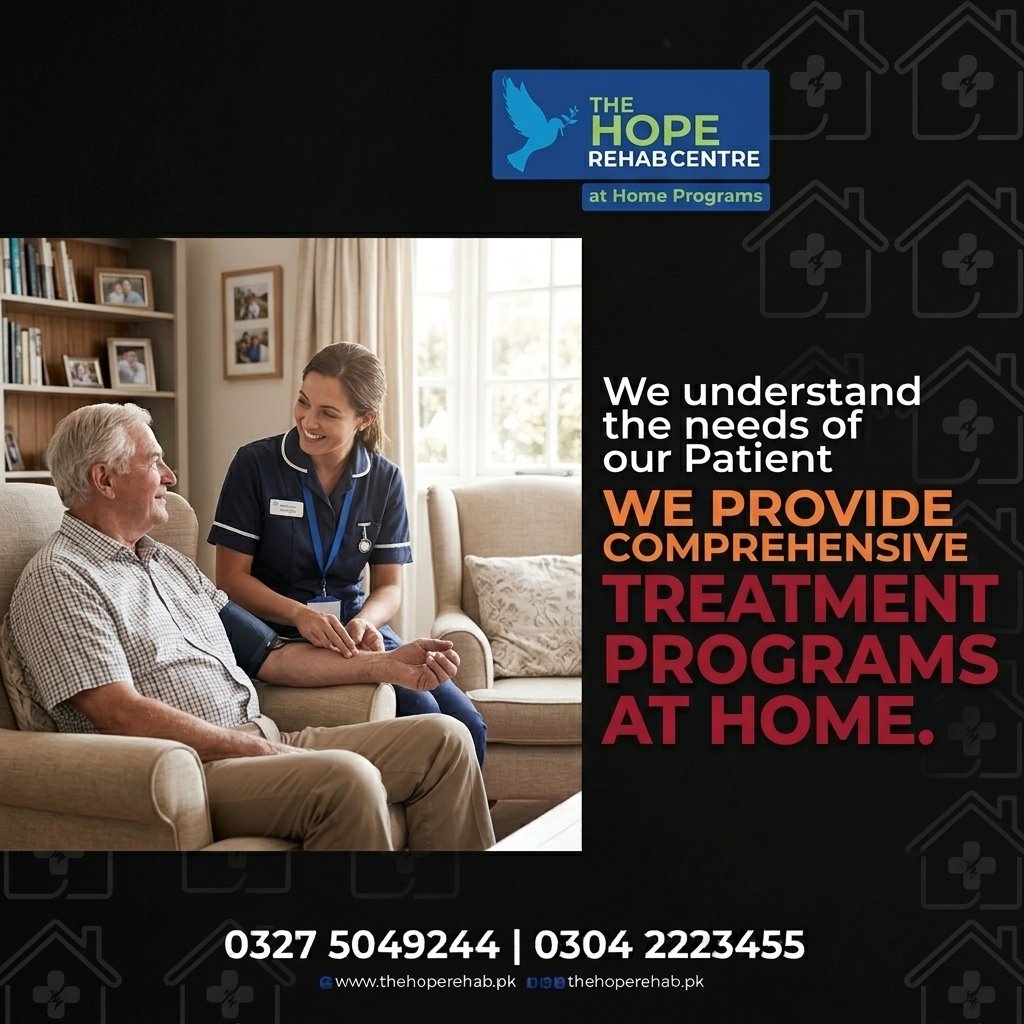
Individual Counseling
Counseling can help individuals understand the emotional, psychological, and behavioral factors associated with addiction or mental health concerns.
Sessions may focus on:
- Coping with stress
- Managing cravings
- Identifying triggers
- Improving emotional regulation
- Developing healthier habits
- Strengthening motivation
Behavioral Therapy
Evidence-based behavioral approaches can help individuals recognize unhealthy patterns and develop practical alternatives. Cognitive Behavioral Therapy (CBT), for example, may help people examine the relationship between thoughts, emotions, and behaviors.
Family Education and Support
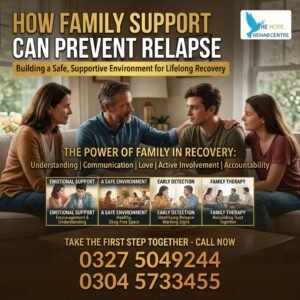
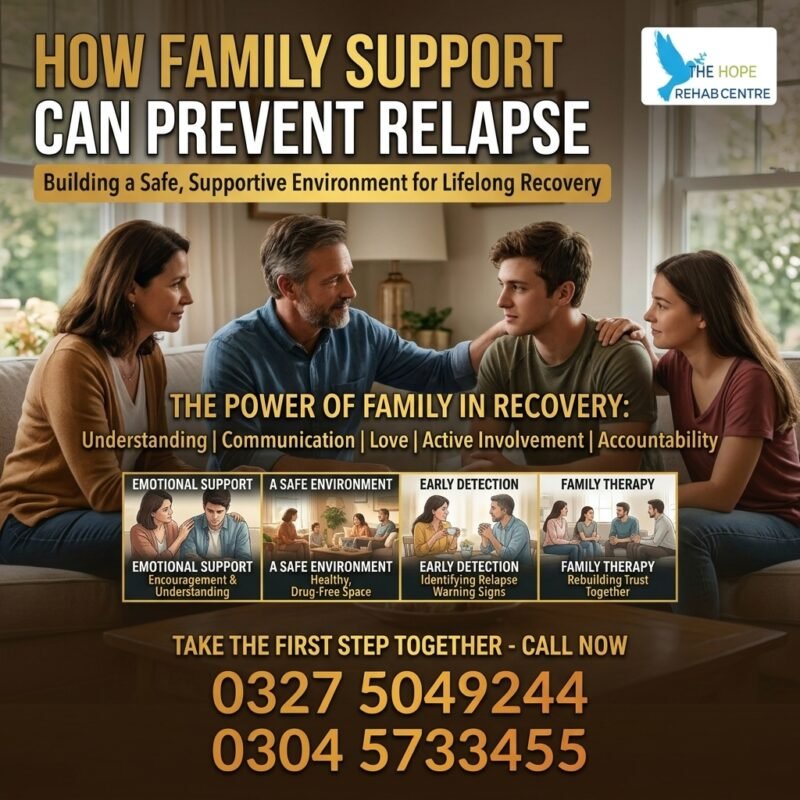
Family members often have an important role in home-based recovery. Education can help them understand addiction, recognize warning signs, communicate effectively, and maintain appropriate boundaries.
Follow-Up Care
Regular follow-up can help healthcare professionals evaluate progress and determine whether the current treatment approach remains appropriate.
Follow-up may include:
- Treatment reviews
- Counseling sessions
- Recovery planning
- Relapse-prevention discussions
- Mental health monitoring
Advantages of Home-Based Treatment
Home-based care may offer several practical benefits when it is clinically suitable.
A Familiar Environment
Receiving selected services at home can allow individuals to practice recovery skills in the same environment where they manage everyday challenges.
Greater Flexibility
Home-based services may make it easier for some individuals to balance treatment with family, educational, or professional responsibilities.
Family Involvement
Because treatment takes place within the home environment, family members may have more opportunities to participate in education and supportive recovery activities.
Continuity of Care
Home-based support can be useful as part of an ongoing recovery plan following inpatient or residential treatment.
Home-Based Treatment and Addiction Recovery
Addiction recovery often involves more than stopping substance use. Individuals must learn to manage cravings, stress, relationships, and environmental triggers.
A home-based recovery plan may address:
- Substance-use triggers
- Daily routines
- Stress management
- Healthy activities
- Family relationships
- Relapse prevention
- Continuing counseling
The treatment plan should be adjusted according to the individual’s progress and changing needs.
The Importance of a Safe Home Environment
A supportive home environment is particularly important for home-based treatment. Exposure to alcohol, drugs, unsafe relationships, or other significant triggers can make recovery more difficult.
Family members can contribute by maintaining respectful communication, encouraging healthy routines, and supporting professional treatment recommendations.
If the home environment is unstable or unsafe, a different level of care may be more appropriate.
When Home-Based Treatment May Not Be Appropriate
Home-based treatment should not be viewed as a substitute for emergency or intensive medical care when such care is necessary.
A person may require inpatient or medically supervised treatment when they have:
- Severe substance withdrawal
- Serious medical complications
- Acute psychiatric symptoms
- Immediate risk of self-harm or harm to others
- An unsafe or unstable home environment
- A need for continuous clinical monitoring
The appropriate treatment setting should always be determined through professional evaluation.
Relapse Prevention and Aftercare
Long-term recovery requires continued attention even after symptoms improve or formal rehabilitation ends. Home-based follow-up can sometimes support relapse prevention by helping individuals apply recovery strategies in everyday situations.
Useful strategies include:
- Recognizing personal warning signs
- Avoiding high-risk situations
- Maintaining healthy sleep routines
- Staying connected with supportive people
- Continuing appropriate counseling
- Seeking professional help when difficulties arise
A relapse or setback should be treated as a reason to reassess the recovery plan rather than as a personal failure.
How The Hope Rehabilitation Center Approaches Home-Based Care
At The Hope Rehabilitation Center Islamabad, Pakistan, home-based treatment is approached as an individualized healthcare option rather than a one-size-fits-all service. Treatment recommendations should consider the person’s clinical needs, safety, family circumstances, and recovery goals.
The purpose of home-based support is to provide appropriate professional guidance while helping individuals develop practical skills for managing recovery in their everyday environment.
Frequently Asked Questions (FAQs)
1. What is a Home-Based Treatment Program?
A Home-Based Treatment Program provides selected healthcare, counseling, and recovery services while an individual remains at home. It may be used for appropriate outpatient and follow-up care.
2. Is home-based treatment suitable for everyone?
No. Suitability depends on the individual’s medical and mental health condition, substance use history, home environment, safety, and treatment needs.
3. Can addiction counseling be provided at home?
Depending on the treatment plan and clinical circumstances, counseling and behavioral support may be provided through appropriate home-based or remote arrangements.
4. Can family members participate in home-based treatment?
Yes. When appropriate, family education and counseling can help relatives understand recovery, improve communication, and create a supportive home environment.
5. Is home-based treatment appropriate for severe withdrawal?
Severe withdrawal can require medical supervision and may be unsafe to manage at home. A healthcare professional should assess the situation and recommend the appropriate level of care.
Conclusion
A Home-Based Treatment Program can provide flexible and practical support for individuals who are clinically appropriate for care outside a residential facility. Counseling, behavioral therapy, family education, follow-up care, and relapse-prevention planning can help individuals apply recovery skills in their everyday environment.
At The Hope Rehabilitation Center Islamabad, Pakistan, home-based support is considered within an individualized treatment framework. The priority is to match each person with an appropriate level of care while maintaining safety, dignity, and professional guidance throughout the recovery process.