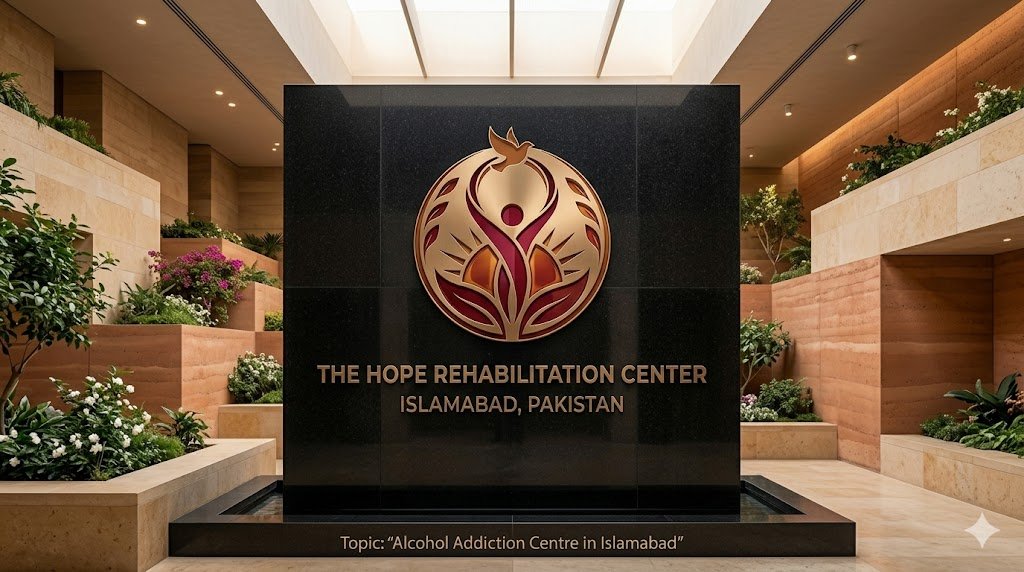

Even when a patient leaves a treatment center, recovery from mental health or substance use issues is not finished. The path towards long-term health never ends, and aftercare is incredibly important to maintain the course of health. At The Hope Rehab Center, we believe that organised aftercare is critical to guys keeping their results, avoiding returning to alcohol or drugs and restoring their lives for the better.
In this post, we’ll discuss the importance of aftercare, what it entails and how it fits into long-term recovery. We will also discuss why a mental rehabilitation center in Islamabad Pakistan is necessary, which provides aftercare following primary treatment.
Aftercare in Mental Health Recovery Explained
Aftercare is the continuing care and treatment for those who have finished a course at a rehabilitation programme. Inpatient and outpatient treatment attend to a patient’s immediate needs, versus aftercare, which is about sustaining what has been achieved, handling triggers for relapse and incorporating coping mechanisms into daily living.
The best aftercare allows patients to reintegrate seamlessly into their home, work and social life while minimizing the likelihood of a relapse. For the patients in a mental rehabilitation center in Islamabad Pakistan, it is the kind of support that will help its treatment to stick.
Key Components of Aftercare
1. Continued Therapy and Counseling
Aftercare may consist of group or individual therapy to discuss lingering problems, bolster coping skills and offer a supportive environment in which stories can be shared. At The Hope Rehab Center, sessions are tailored to each individual’s requirements and the personal issues connected with mental health, emotional or behavioural adjustment.
2. Relapse Prevention Planning
Aftercare must include a well-organized relapse prevention plan. Patients are taught to recognize what triggers episodes of feeling the blues or a sudden mood drop and how to manage stress; they are encouraged to stick to routines that help them maintain good mental health. Preventing Relapse: Minimising the risk of a relapse and strengthening skills learned in treatment.
3. Support Groups and Peer Networks
Being a part of a support group creates an environment of “we’re all in this together”. Having accountability and motivation in the company of others with similar challenges becomes a source of emotional support. These themed groups are usually led by seeking therapy professionals to keep things positive and safe.
4. Family Involvement and Education
With the involvement of their family, recovery is usually more successful. The Hope Rehab Center’s aftercare programs also feature family counseling services and training lectures. These works aim to make it easier for families to understand a diagnosis of mental health difficulty, improve communication and support their loved ones.
5. Wellness and Lifestyle Guidance
Sustainable recovery is intimately linked to wellness. Aftercare focuses on living a healthy life, including good nutrition, exercise and stress reduction techniques. By adopting these routines in our daily life, we can provide mental resiliency and improve recovery over the long run.
Advantages of Aftercare for Long-term Recovery
Consistent Emotional Support
During aftercare, a recovering addict will receive guidance in an organized arrangement, and as such this continued emotional support helps to alleviate the sense of isolation and anxiety that commonly plagues individuals after they graduate from their treatment facility.
Improved Coping Skills
Patients are still learning and practicing stress-coping behaviors that strengthen their resistance to relapse and ability to overcome obstacles in the future.
Reinforced Treatment Gains
Aftercare maintains the accomplishments of a patient in his or her primary course of treatment. Ongoing supervision also motivates patients and keeps them accountable for making positive changes.
Stronger Community Connections
Participation in peer groups, family programs, and community activities develops a network of support that helps sustain recovery attempts and promotes the reintegration into society.
Personalized Guidance
Personalized aftercare enables treatment providers to follow up on patient recovery, adapt interventions, and deliver personalized therapy when necessary.
How Hope Rehab Center Helps You Stay Strong Post-Treatment
At The Hope Rehab Center, our aftercare system is built on the idea that it should be a continuity of care between intense treatment and your new life free from addiction. Our team of skilled experts provides you with real support:
- Scheduled follow-up therapy sessions
- Access to support groups and mentoring programmes
- Family counseling and educational workshops
- Personalized relapse prevention strategies
- Wellness and lifestyle coaching
This effort philosophically commits that no patient should lack the advice and resources to support mental health wellness and long-term recovery. Picking a trusted mental rehabilitation center in Islamabad Pakistan with professional oversight, continuity of care and sympathethic treatment devised for each individual The Hope Rehab Center.
FAQs About Aftercare and Long-Term Healing
1. Why is aftercare critical upon completing rehab?
Aftercare enables them to sustain their progress, manage triggers and avoid relapse. It’s a way of making sure the tools for recovery that are acquired during treatment are actually used.
2. How long does aftercare last?
Length of Aftercare Length of aftercare depends on our client’s individual needs. Some patients do well with a few months of follow-up advice, while others need longer-term support to achieve recovery that is likely to endure.
3. Do relatives get to looking after programs?
Yes, families are important and yes family involvement is a part of the aftercare. Workshops and counseling sessions about mental health help families recognize these difficulties and which support is vital.
4. What are some of the therapies that would be offered in an aftercare program?
Aftercare options might consist of private individual counseling, group therapy, cognitive-behavioral therapy (CBT), mindfulness training and relapse prevention planning to address mental, emotional and behavioral health.
5. How can you tell if a rehab does aftercare well?
Good aftercare includes structured follow-up, ongoing access to professional help, involvement of family members, peer support groups and a personalized wellness plan – all offered by The Hope Rehab Center.
Conclusion
Aftercare is vital to your recovery process and can help you maintain and build on the progress made during treatment. By providing structured therapy, relapse prevention techniques, family support and wellness skills aftercare teaches resilience, how to stand on our own two feet and live life to the full again.
If you are looking for a treatment option that is made of both compassion and complete solution then The Hope Rehab Center is your best answer, as we continue to be the preferred mental rehab center in Islamabad Pakistan offering professional aftercare services to ensure long-term healing and continued mental well-being.