ICE, commonly referring to crystal methamphetamine or methamphetamine, is a powerful stimulant that can lead to dependence and significant physical, psychological, and social consequences. ICE | METH Addiction may affect sleep, appetite, mood, judgment, relationships, work, and overall health.
Methamphetamine addiction is a health condition rather than simply a matter of willpower. People experiencing dependence may continue using the substance despite harmful consequences or may find repeated attempts to stop difficult. Professional assessment can help determine the appropriate level of care.
At The Hope Rehabilitation Center Islamabad, Pakistan, treatment for substance-use concerns should be approached with compassion, privacy, and individualized planning. Recovery needs can vary considerably from one person to another.
What Is ICE | METH Addiction?
Methamphetamine is a central nervous system stimulant. It can produce increased energy, alertness, and feelings of confidence or pleasure. Repeated use can lead to tolerance, cravings, and changes in patterns of behavior.
Possible signs of methamphetamine addiction include:
- Strong cravings for methamphetamine
- Increasing frequency or amount of use
- Repeated unsuccessful attempts to stop
- Neglecting work, education, or family responsibilities
- Continuing to use despite physical or psychological problems
- Significant changes in sleep or appetite
- Spending substantial time obtaining or recovering from use
- Withdrawing from previously important activities
A professional evaluation is needed to determine whether these symptoms represent a substance use disorder.
How Methamphetamine Can Affect Health
Methamphetamine can place considerable stress on the cardiovascular and nervous systems. Repeated or heavy use may be associated with problems such as increased heart rate, high blood pressure, sleep deprivation, appetite changes, dental problems, and other health complications.
Psychological effects can also be significant. Some individuals may experience anxiety, irritability, suspiciousness, depression, or severe agitation. In some cases, methamphetamine use can be associated with hallucinations or psychotic symptoms.
Anyone experiencing severe confusion, chest pain, seizures, extreme agitation, difficulty breathing, or other acute symptoms should receive urgent medical attention.
Why Treatment Should Be Individualized
There isn’t one treatment approach that works for everyone with methamphetamine dependence. Treatment planning should consider:
- Frequency and duration of use
- Other substances being used
- Physical health
- Mental health
- Previous treatment experiences
- Family and social circumstances
- Risk of relapse
- The individual’s recovery goals
A comprehensive assessment helps determine whether outpatient, residential, or another level of care is appropriate.
Treatment for ICE | METH Addiction
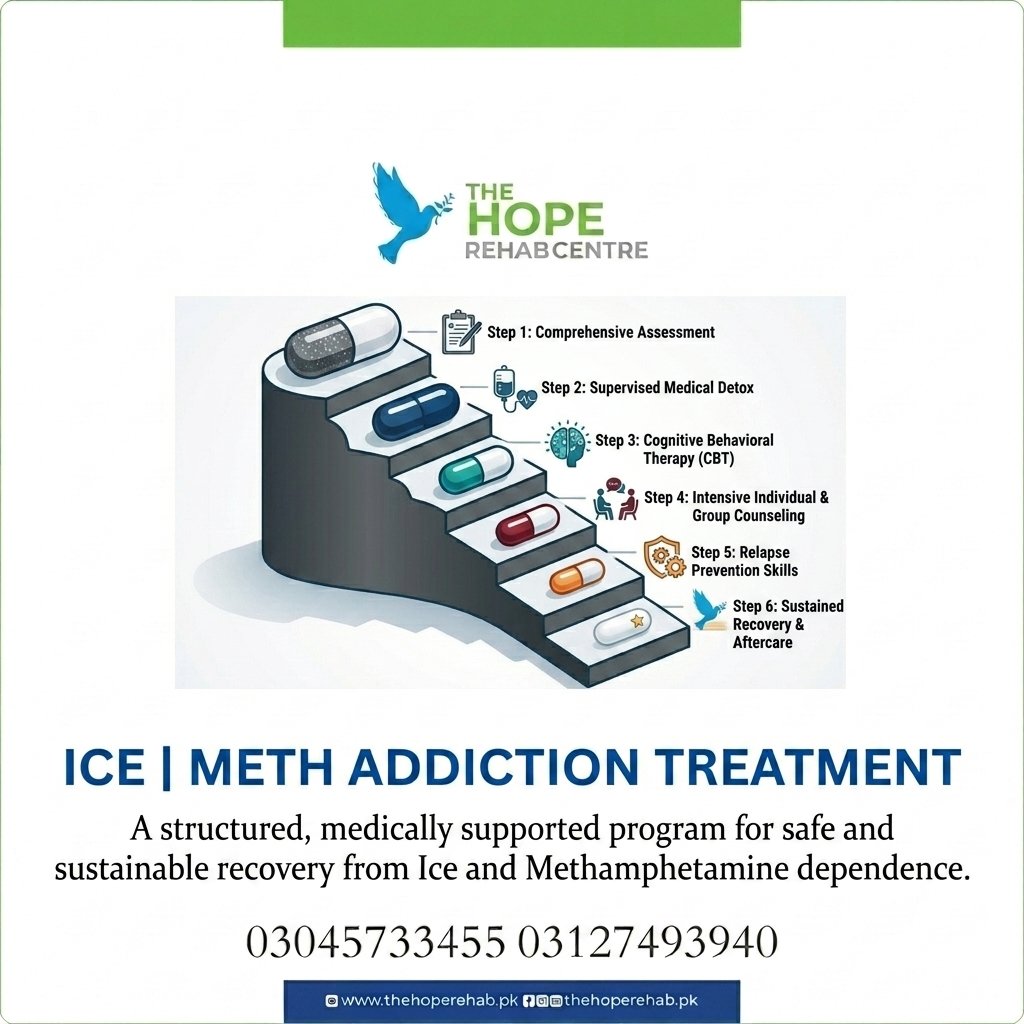
Treatment commonly focuses on behavioral and psychological support rather than relying on a single medication or intervention.
Potential components include:
Behavioral Therapy
Behavioral therapy can help individuals identify patterns associated with methamphetamine use and develop healthier responses to cravings, stress, and high-risk situations.
Individual Counseling
One-to-one counseling can provide a confidential setting to explore substance use, emotional difficulties, motivation, and recovery goals.
Group Support
Appropriately structured group sessions may help reduce isolation and provide opportunities to learn from others facing similar challenges.
Mental Health Care
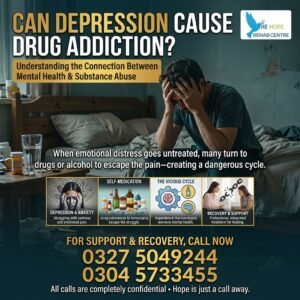
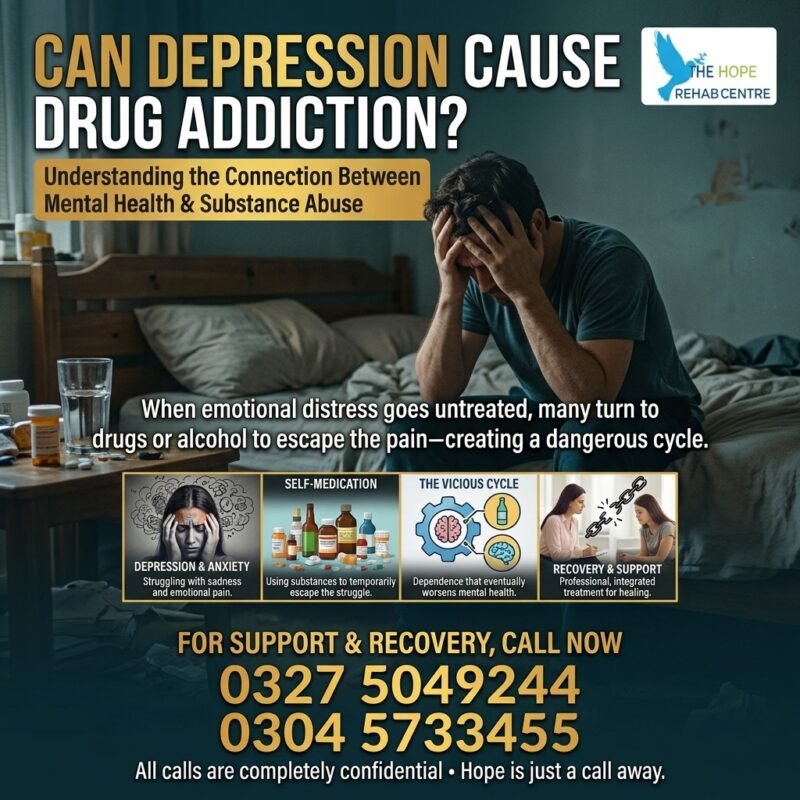
Depression, anxiety, trauma, or psychotic symptoms may occur alongside stimulant addiction. These concerns should be assessed and treated when present.
Family Support
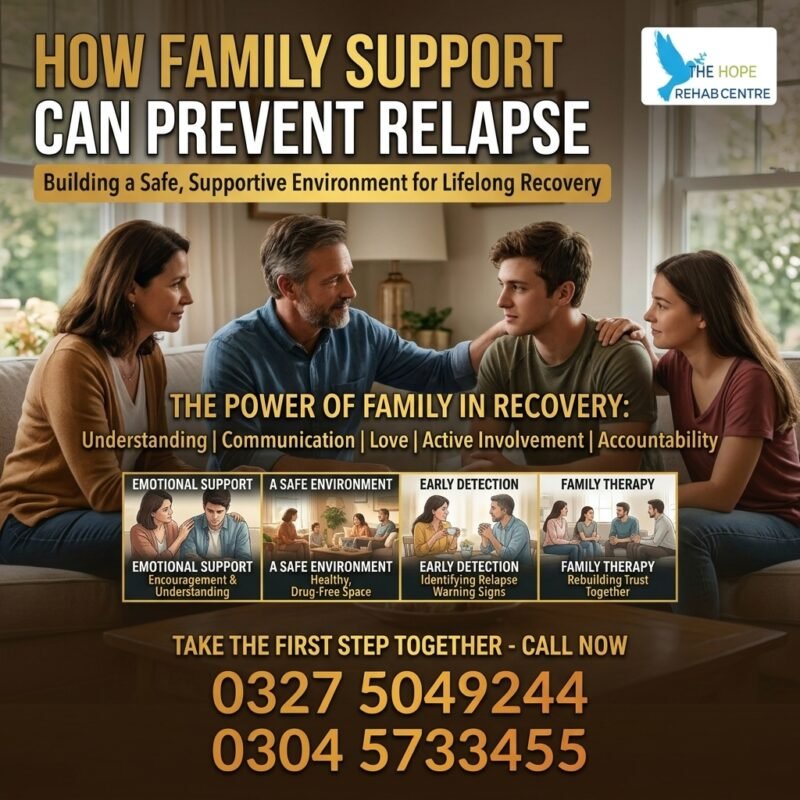
Family education can help relatives understand addiction, improve communication, establish boundaries, and recognize situations that may require professional intervention.
Withdrawal and the Early Recovery Period
When someone who regularly uses methamphetamine stops, they may experience a “crash” followed by withdrawal-related symptoms. These can include:
- Fatigue
- Increased appetite
- Sleep changes
- Low mood
- Irritability
- Anxiety
- Difficulty concentrating
- Strong cravings
Withdrawal experiences vary. Although stimulant withdrawal may differ from alcohol or sedative withdrawal, significant depression or suicidal thoughts can occur in some individuals.
Professional support is particularly important when there are concerns about self-harm, severe psychiatric symptoms, or other medical problems.
The Role of a Rehabilitation Center
A rehabilitation setting can provide structure while an individual works on the underlying factors associated with substance use. Depending on clinical needs, rehabilitation may provide counseling, behavioral interventions, recovery education, family involvement, and relapse-prevention planning.
The Hope Rehabilitation Center Islamabad, Pakistan can serve as a setting where individuals and families explore appropriate rehabilitation options based on professional assessment rather than a one-size-fits-all approach.
Relapse Prevention for Methamphetamine Addiction
Recovery doesn’t end when substance use stops. Cravings and triggers can emerge weeks or months later, particularly during stressful periods.
A relapse-prevention plan may involve:
- Identifying people, places, and situations associated with drug use
- Recognizing early warning signs
- Developing healthy coping skills
- Maintaining supportive relationships
- Establishing regular sleep and daily routines
- Continuing counseling when appropriate
- Seeking help promptly when cravings become difficult to manage
A return to use should be treated as a signal to reassess treatment needs rather than as proof that recovery is impossible.
How Families Can Help
Families can make a meaningful contribution by providing support without judgment. Helpful steps may include listening, encouraging professional care, maintaining appropriate boundaries, and avoiding behaviors that unintentionally support continued drug use.
Family members should also protect their own mental and physical health. Supporting someone with addiction can be stressful, and relatives may benefit from counseling or other forms of support.
Frequently Asked Questions
1. Is ICE or methamphetamine addictive?
Yes. Methamphetamine has a significant potential for dependence and can lead to a substance use disorder, particularly with repeated use.
2. What are common signs of methamphetamine addiction?
Strong cravings, inability to control use, repeated unsuccessful attempts to quit, neglect of responsibilities, and continued use despite harmful consequences can indicate problematic use.
3. Can methamphetamine addiction be treated?
Yes. Treatment can include behavioral therapy, counseling, mental health care, family support, and continuing recovery services. The appropriate approach depends on individual needs.
4. Is medication available specifically to cure methamphetamine addiction?
There is no single medication that can be relied upon as a universal cure for methamphetamine addiction. Behavioral and psychosocial treatments are important components of care, while clinicians may address individual medical or psychiatric needs separately.
5. When should someone seek urgent help?
Immediate medical or psychiatric assistance is appropriate when someone experiences chest pain, seizures, severe agitation, hallucinations, extreme confusion, difficulty breathing, or thoughts of self-harm or suicide.
Conclusion
ICE | METH Addiction can affect physical health, mental well-being, relationships, and daily functioning. Because methamphetamine dependence can involve both behavioral and psychological challenges, recovery often requires more than simply stopping drug use.
Professional assessment, behavioral therapy, counseling, family support, mental health care, and relapse-prevention planning can form important parts of an individualized recovery pathway. At The Hope Rehabilitation Center Islamabad, Pakistan, a compassionate and person-centered approach can help individuals and families understand available treatment options while maintaining realistic expectations.