Finding an appropriate Mental Health Rehabilitation Center in Islamabad can be an important step for individuals experiencing persistent psychological, emotional, or behavioral difficulties. Mental health challenges can affect relationships, education, employment, physical health, and everyday functioning. When symptoms become difficult to manage independently, professional support can provide structure and guidance.
Mental health rehabilitation is not simply about treating symptoms. Depending on a person’s needs, it may involve psychological assessment, counseling, behavioral therapies, psychiatric care, family education, and support with rebuilding daily routines. The Hope Rehabilitation Center Islamabad, Pakistan recognizes the importance of approaching mental health concerns with dignity, privacy, compassion, and individualized care.
Understanding Mental Health Rehabilitation
Mental health rehabilitation focuses on helping individuals improve functioning and develop practical strategies for managing ongoing psychological difficulties. Treatment needs vary considerably between people.
Some individuals may need short-term counseling, while others may benefit from more structured or continuing support. The appropriate approach depends on symptoms, diagnosis, personal circumstances, safety concerns, and professional assessment.
A mental health rehabilitation program may address emotional regulation, coping skills, communication, relationships, stress management, and healthy daily routines.
When Mental Health Rehabilitation May Be Needed
Professional support may be appropriate when mental health symptoms persist or begin interfering significantly with everyday life.
Possible warning signs include:
- Persistent sadness or hopelessness
- Excessive anxiety or fear
- Major changes in sleep or appetite
- Social withdrawal
- Difficulty concentrating
- Significant mood changes
- Loss of interest in normal activities
- Problems managing work or education
- Difficulty maintaining relationships
- Changes in behavior or daily functioning
These symptoms can have different causes, so professional assessment is important rather than relying on self-diagnosis.
Common Mental Health Conditions
A Mental Health Rehabilitation Center in Islamabad may provide support for individuals experiencing different psychological conditions, depending on the services and clinical expertise available.
Depression and Anxiety
Depression can involve persistent low mood, loss of interest, fatigue, changes in sleep, and difficulty concentrating. Anxiety disorders may involve excessive worry, fear, restlessness, or physical symptoms associated with heightened stress.
Counseling and evidence-based psychological treatments can help appropriate individuals develop skills for managing these conditions.
Severe Mental Health Conditions
Conditions such as schizophrenia, bipolar disorder, and severe mood disorders may require ongoing psychiatric care alongside psychosocial rehabilitation.
People experiencing hallucinations, severe confusion, extreme agitation, or an inability to care for themselves may require urgent professional assessment. Immediate emergency help is appropriate when there is an imminent risk of harm.
Signs That Professional Support May Help
Not every period of sadness or stress requires rehabilitation. However, persistent or worsening symptoms deserve attention.
Seeking an assessment can be particularly important when mental health difficulties interfere with daily responsibilities, relationships, physical health, or personal safety.
Early professional support may also help identify whether symptoms are related to a mental health condition, substance use, medication effects, physical illness, or a combination of factors.
Assessment and Individualized Care
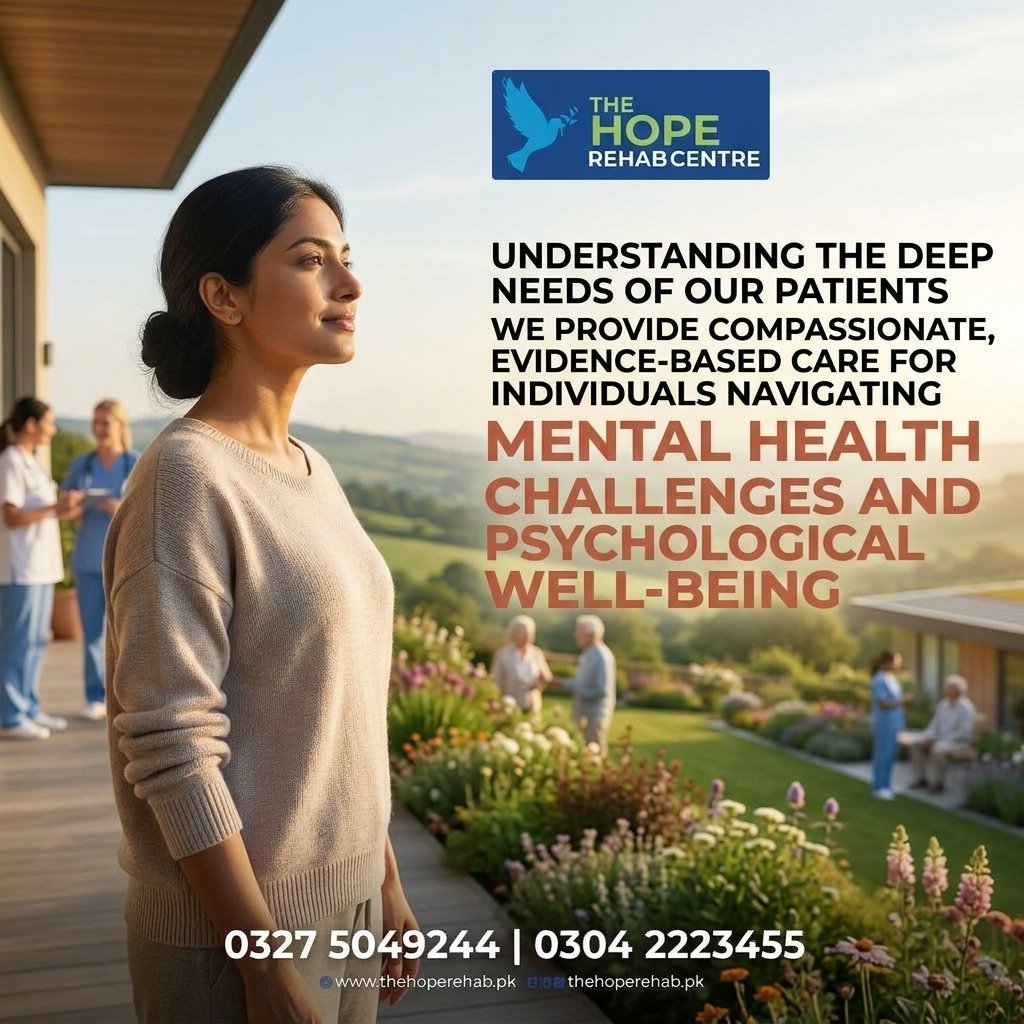
A comprehensive assessment is an important foundation for mental health treatment. Professionals may explore:
- Current symptoms and their duration
- Previous mental health history
- Physical health conditions
- Medication history
- Substance use
- Family and social circumstances
- Previous treatment experiences
- Current safety concerns
The information gathered can help establish an individualized care plan. Treatment should be adjusted as a person’s needs change rather than following a rigid approach.
Counseling and Behavioral Therapy
Psychological counseling can help individuals understand their thoughts, emotions, behaviors, and triggers. Depending on the condition, evidence-based approaches such as cognitive behavioral therapy may be considered.
Therapy can focus on coping skills, stress management, emotional regulation, communication, problem-solving, and healthier behavioral patterns.
The specific therapy should be selected by an appropriately qualified professional based on the person’s needs.
Medication and Psychiatric Support
Some mental health conditions may require medication as part of treatment. Psychiatric medications should be prescribed and monitored by qualified healthcare professionals.
Medication isn’t appropriate for every person or every condition. Decisions about medication should consider symptoms, medical history, possible side effects, other medicines, and individual circumstances.
Dual Diagnosis and Co-Occurring Conditions
Mental health conditions and substance use disorders can occur together. For example, an individual experiencing depression or anxiety may also struggle with alcohol or drug dependence.
When both concerns are present, treating only one may leave important factors unresolved. An integrated assessment can help identify co-occurring conditions and guide appropriate care.
Family Support in Mental Health Recovery
Mental health difficulties can affect the entire family. Relatives may feel worried, confused, or uncertain about how to provide support.
Family education can improve understanding of mental health conditions and encourage healthier communication. Families can also learn how to establish appropriate boundaries while supporting treatment.
However, relatives shouldn’t be expected to replace professional care. Mental health treatment should remain guided by qualified healthcare providers.
Aftercare and Relapse Prevention
Mental health recovery often continues after an intensive treatment period. Aftercare can provide ongoing support as individuals return to normal responsibilities.
Depending on individual needs, aftercare may include follow-up appointments, counseling, medication monitoring, family involvement, peer support, and healthy lifestyle routines.
Recognizing early warning signs can also help individuals and families seek professional assistance before symptoms become more severe.
Choosing a Mental Health Rehabilitation Center in Islamabad
When evaluating a Mental Health Rehabilitation Center in Islamabad, consider several practical factors:
- Are qualified mental health professionals involved?
- Is a comprehensive assessment provided?
- Are treatment plans individualized?
- Can co-occurring substance use be assessed?
- Is psychiatric care available when appropriate?
- Are family education and counseling considered?
- Is privacy respected?
- Is there a clear follow-up or aftercare plan?
- How are mental health emergencies handled?
A responsible healthcare provider should communicate clearly about its services and avoid promises of guaranteed outcomes.
The Hope Rehabilitation Center Islamabad, Pakistan
The Hope Rehabilitation Center Islamabad, Pakistan provides a setting where individuals and families can seek structured support for rehabilitation and related mental health concerns. Depending on individual circumstances, care may involve assessment, counseling, behavioral support, family education, and continuing recovery planning.
Mental health treatment should always be individualized. The appropriate type and intensity of care depend on a person’s symptoms, diagnosis, physical health, safety needs, and professional assessment.
Frequently Asked Questions
1. What does a mental health rehabilitation center do?
A mental health rehabilitation center can provide structured support such as psychological assessment, counseling, behavioral interventions, rehabilitation planning, and continuing care, depending on the individual’s needs.
2. Who may benefit from mental health rehabilitation?
People experiencing persistent mental health symptoms that interfere with daily functioning may benefit from professional assessment. The appropriate treatment setting depends on the person’s condition and level of support required.
3. Can mental health rehabilitation treat depression and anxiety?
Depression and anxiety are treatable conditions, and evidence-based psychological therapies may help many people. Some individuals may also require medication or other forms of professional care.
4. Can addiction and mental health problems be treated together?
Yes. When substance use and mental health conditions occur together, an integrated approach can address both concerns as part of an individualized treatment plan.
5. When is emergency mental health care necessary?
Immediate professional or emergency assistance is appropriate when someone is at imminent risk of harming themselves or others, is severely confused or disconnected from reality, or cannot safely care for themselves.
Conclusion
A Mental Health Rehabilitation Center in Islamabad can provide valuable structured support for people facing persistent psychological and behavioral challenges. Effective care begins with appropriate assessment and should reflect the individual’s health, symptoms, circumstances, and recovery goals.
Counseling, behavioral therapy, psychiatric support when needed, family education, and aftercare can all contribute to a comprehensive approach. At The Hope Rehabilitation Center Islamabad, Pakistan, a compassionate and individualized approach can help people take practical steps toward improved functioning and ongoing mental health recovery.