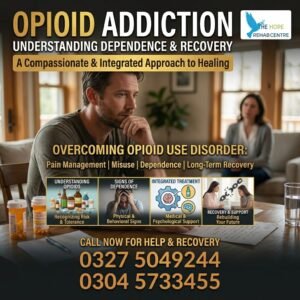
Opioid addiction is an important global health issue facing individuals, families and communities. Opioids include prescription pain medications as well as illegal drugs that work on the brain to relieve pain while also blocking out signals with sensations of relaxation or pleasure. While they can be effective medications with medical supervision, chronic or inappropriate use has the potential for physical dependence and addiction.
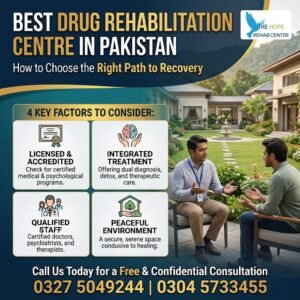
Opioid addiction has damaging effects on our physical health, emotional well-being, relationships and also obligations to be met in daily society. With treatment, time and support recovery is achievable. Contact Addiction Treatment centers at The Hope Rehabilitation Center Islamabad, Pakistan offering personalized treatment programs to help people with Opioid addiction through compassionate care, professional guidance and evidence-based therapies.
What Is Opioid Addiction?
Opioid use disorder (OUD) is a chronic illness defined as continued opioid use despite repeated, clinically relevant adverse consequences related to the substance. The brain grows accustomed to the opioids, then it becomes harder and harder to quit without assistance.
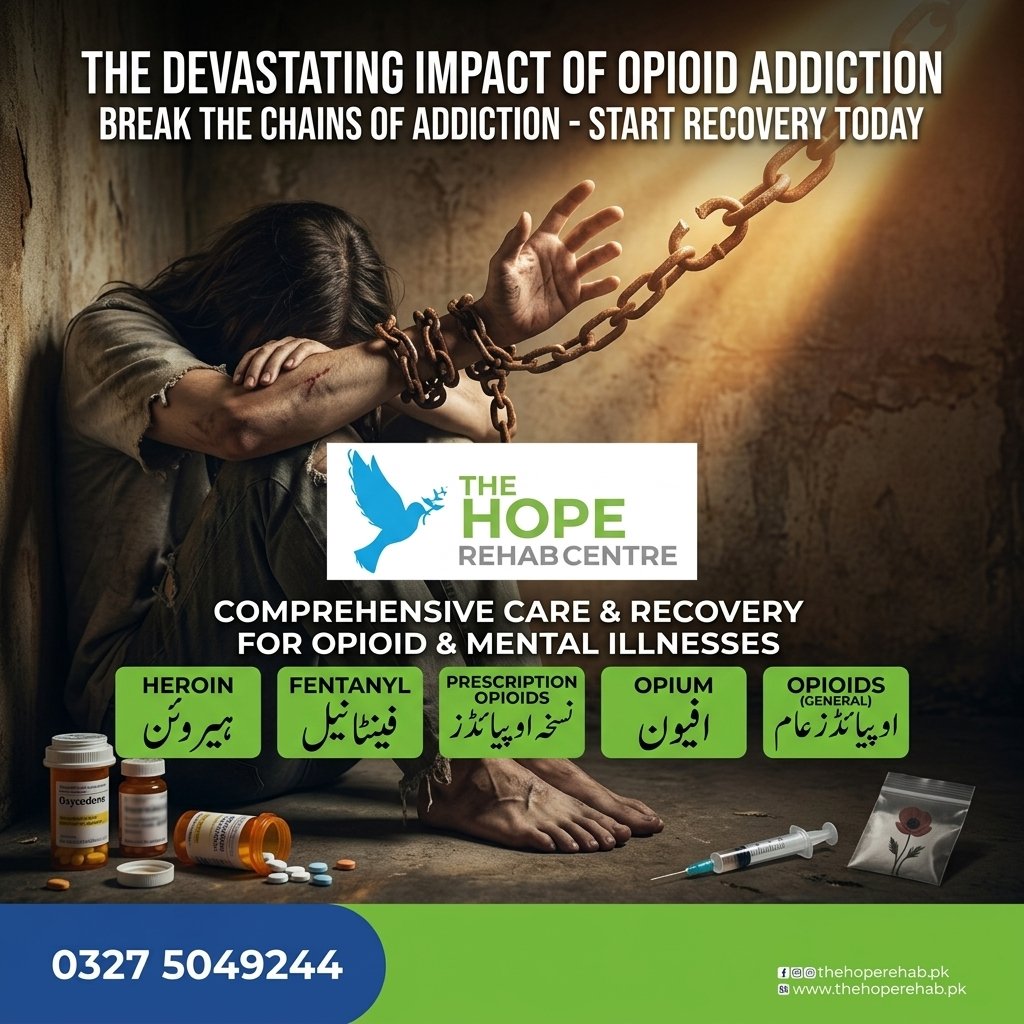
Common opioids include:
- Morphine
- Codeine
- Oxycodone
- Hydrocodone
- Fentanyl
- Heroin
- Methadone (when misused)
- Tramadol (when misused)
Dependence grows over time, even when there are valid medical reasons for a prescription opioid.
Signs & Symptoms of Opioid Use Disorder
Knowing the warning signs of opioid addiction allows those afflicted and their families to get more professional help before it gets too serious.
Physical Symptoms
- Persistent drowsiness
- Constricted pupils
- Slowed breathing
- Frequent constipation
- Weight loss
- Poor personal hygiene
- Low energy levels
Behavioral Symptoms
- Taking opioid more than the prescribed amount
- Visiting multiple doctors for prescriptions
- Letting your work, school or family responsibilities slip
- Social withdrawal
- Substance use-related financial problems
- Persistent desire or unsuccessful efforts to cut down or control opioid use
Emotional Symptoms
- Anxiety
- Depression
- Mood swings
- Irritability
- Poor concentration
- Loss of motivation
Our healthcare professionals in the assessment process give comprehensive assessments to examine the level of addiction and formulate tailor-made treatment practices accordingly at The Hope Rehabilitation Centre Islamabad Pakistan.
Causes and Risk Factors
There are a number of reasons that can result in addictions to opioids, such as:
- Long-term prescription opioid use
- Remember: has PTSD changed what you know about drug use?
- Family history of addiction
- Chronic pain conditions
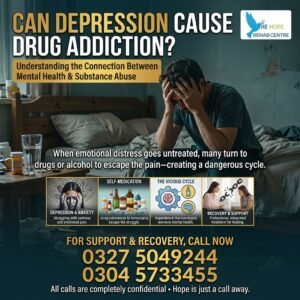
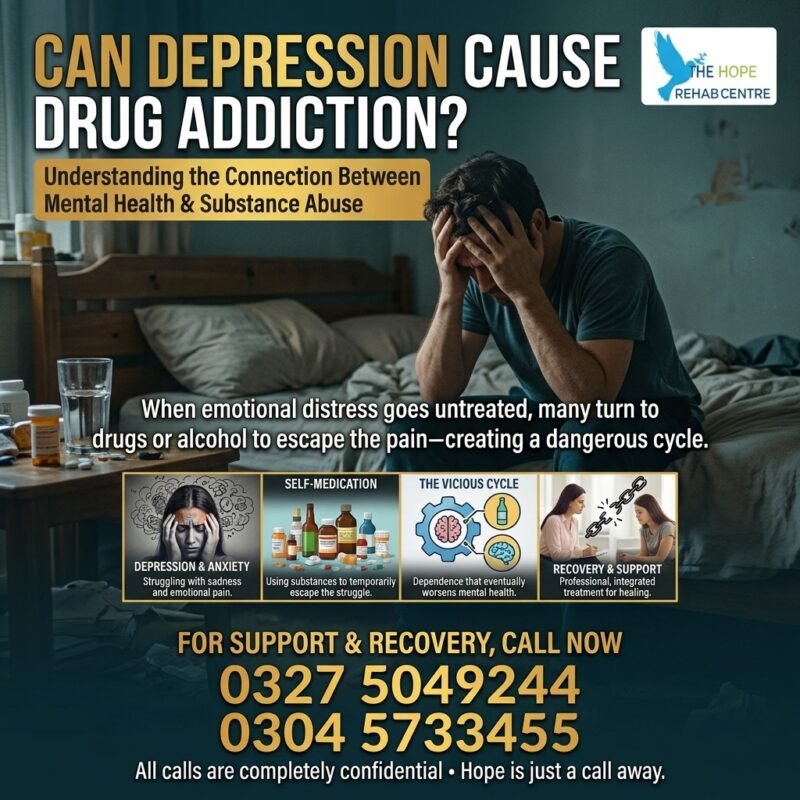
- Mental health conditions including anxiety or depression;
- Emotional trauma
- High levels of stress
Having this insight into these contributing factors allows healthcare providers to focus on the underlying causes of addiction rather than simply substance use.
Health risks of opioid use over an extended period
Opioid use on the long term can have influence positive or negative in nearly everything of health.
Physical Health Risks
- Respiratory problems
- Digestive complications
- Hormonal imbalances
- Increased risk of infections
- Reduced immune function
- Accidental overdose
Mental Health Effects
Opioid dependence can also lead to:
- Depression
- Anxiety disorders
- Emotional instability
- Sleep disturbances
- Cognitive difficulties
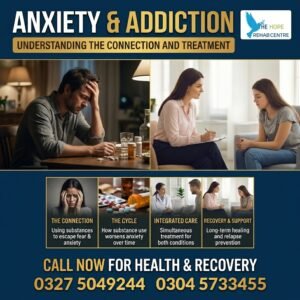
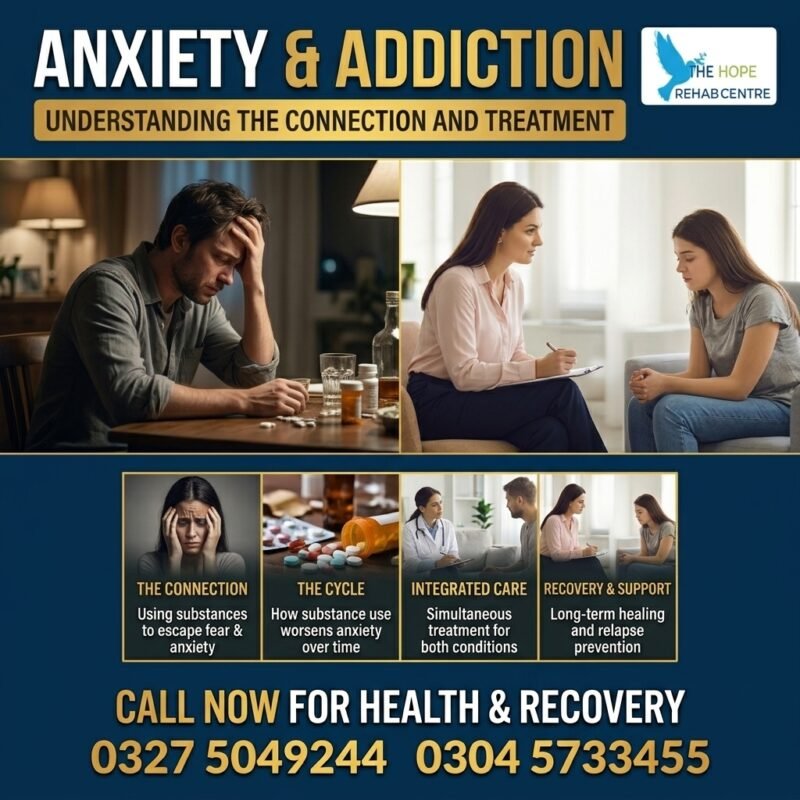
Is able to be in a facility which offers more holistic treatment that treat both the addiction and any underlying mental health conditions.
Treatment Options for Opioid Addiction
Opioid use disorder treatment is typically a combination of medical treatment, psychological and emotional support, and long-term care for sobriety.
Medical Assessment and Detoxification
Management starts with careful clinical assessment. When someone has developed a physical dependence, medically managed detox may be appropriate to help with the safe management of withdrawal symptoms.
Individual Counseling
The process of counselling is to identify the triggers for an emotional reaction, establish new healthier ways to cope with your feelings, and inspiration and motivation for long term recovery.
Cognitive Behavioral Therapy (CBT)
CBT is prefaced in recognizing unhealthy thoughts and behaviors while learning practical steps to help cope with urges and reducing the chance of a relapse.
Group Therapy
The approach supports peer interactions, connection and accountability while learning from each other during the journey of recovery.
The Hope Rehabilitation Center Islamabad, Pakistan creates personalized treatment plans based on each client´s medical history, personal goals, and needs for recovery.
Relapse Prevention and Long-Term Recovery
The end of treatment does not necessarily end in recovery. Continued support is necessary to sustain lasting progress.
Relapse prevention strategies may include:
- Recognizing personal triggers
- Developing healthy daily routines
- Continuing therapy and counseling
- Participating in recovery support groups
- Learning stress management techniques
- Building positive social connections
These strategies contribute to the development of resilience and ongoing recovery.
The Importance of Family Support
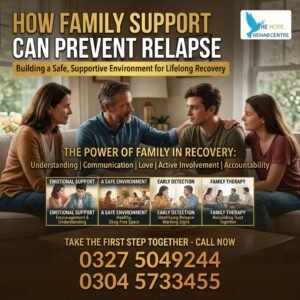
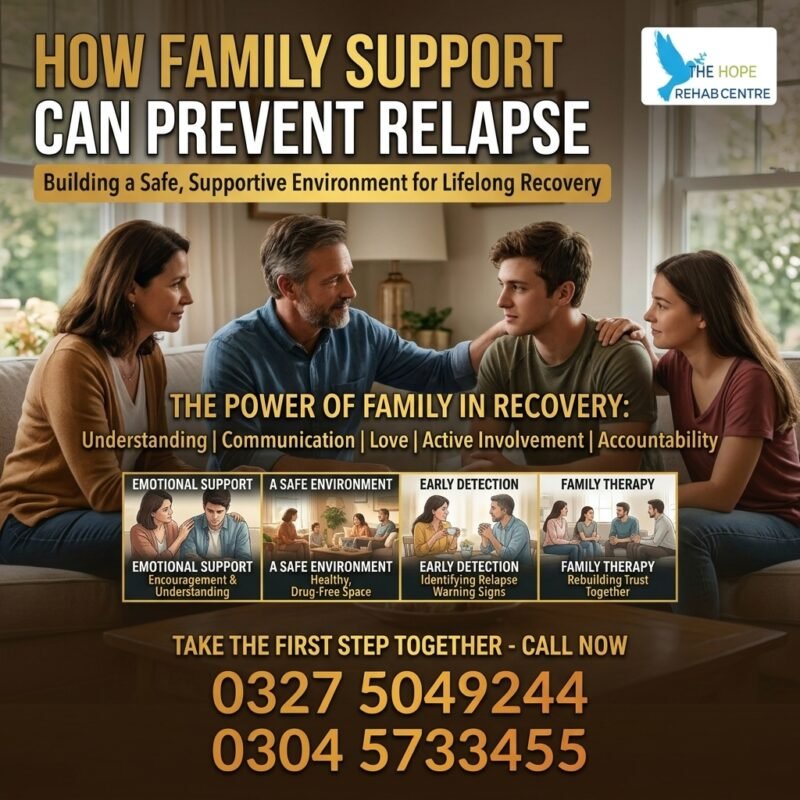
Family can help during recovery. With an understanding of what addiction is and healthy communication skills, families can encourage without enabling destructive behaviors.
Family counseling may help:
- Improve communication
- Rebuild trust
- Reduce conflict
- Strengthen emotional support
- Encourage long-term recovery
At The Hope Rehabilitation Center Islamabad, Pakistan, family involvement may be part of the individual treatment plan whenever it will assist in their recovery.
Frequently Asked Questions (FAQs)
1. What is opioid addiction?
Opioid addiction is a chronic, relapsing disorder characterized by compulsive, at times uncontrollable use of opioids despite harmful consequences.
2. Prescription pain medications: Are they addictive?
Yes. Some prescription opioids are known to cause physical dependence or addiction, especially when taken over a period of time, in greater amounts than prescribed, or for reasons other than pain relief.
3. Is opioid withdrawal treatable?
Yes. Withdrawal symptoms are frequently less dangerous when done under the care of a medical doctor as part of an overall treatment plan.
4. Therapies used in the treatment of opioid addiction.
Treatment involves counseling, Cognitive Behavioral Therapy (CBT), group therapy, family support, relapse prevention planning and medical detoxification if necessary.
5. How to Opioid Addiction In People Recover?
Yes. However, many people find long-term recovery by following an individualized treatment plan, maintaining counseling or family support, and continuing healthy lifestyle changes.
Conclusion
Opioid addiction is a chronic, relapsing health disorder that can impact every facet of life, but it is treatable. However, with early intervention, compassionate care and an evidence-based treatment plan, anyone can be empowered to regain their health and head toward lifelong recovery.
The Hope Rehabilitation Center Islamabad, Pakistan is designed and continues to work at providing treatment in a holistic approach for opioid addiction including comprehensive medical evaluation, psychiatric assessment, personalized medication regimens, individual and family therapy along with educational workshops and physical activities. This holistic approach focuses on healing the patient physically and emotionally, giving people the tools they need to live a healthier life while getting lasting recovery from addiction.