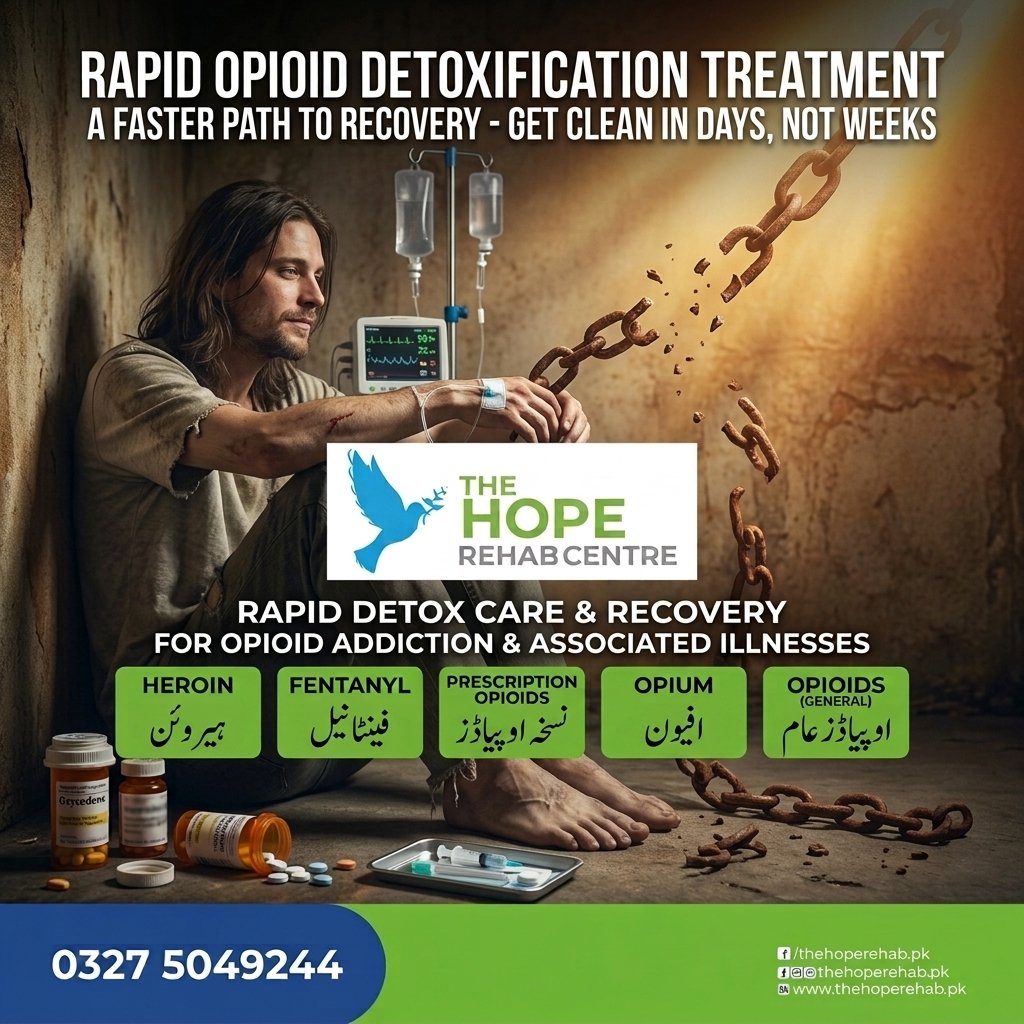
Rapid detox treatment is a specialized medical procedure that aims to accelerate the body’s detoxification process for individuals with opioid dependence. It is performed under strict medical supervision and may be considered only for carefully selected patients after a thorough clinical evaluation. Because rapid detox carries potential risks and is not suitable for everyone, it should only be discussed with qualified healthcare professionals.
While detoxification can help manage physical dependence, it is only the first step in recovery. Long-term success generally requires counseling, behavioral therapies, relapse prevention planning, and continued support. At The Hope Rehabilitation Center Islamabad, Pakistan, treatment plans are individualized to each person’s medical condition, substance use history, and recovery goals, with patient safety remaining the highest priority.
What Is Rapid Detox Treatment?
Rapid detox treatment is a medically supervised procedure that is designed to shorten the duration of opioid withdrawal. During the procedure, specially trained healthcare professionals closely monitor the patient’s condition while managing withdrawal symptoms.
Rapid detox is primarily associated with opioid dependence and is not considered an appropriate treatment for every type of addiction. A comprehensive medical assessment is necessary to determine whether an individual may be a suitable candidate.
It is important to understand that rapid detox does not cure addiction. Instead, it addresses physical dependence and should be followed by comprehensive rehabilitation services.
Who May Be Considered for Rapid Detox?
Healthcare professionals evaluate several factors before considering rapid detox treatment, including:
- Type of opioid used
- Duration of opioid dependence
- Overall physical health
- Mental health status
- Medical history
- Previous treatment experiences
Not every individual with opioid addiction is an appropriate candidate. In many cases, standard medically supervised detoxification may be safer and more suitable.
At The Hope Rehabilitation Center Islamabad, Pakistan, every patient receives a detailed assessment before treatment recommendations are made.
Benefits of Professional Detoxification
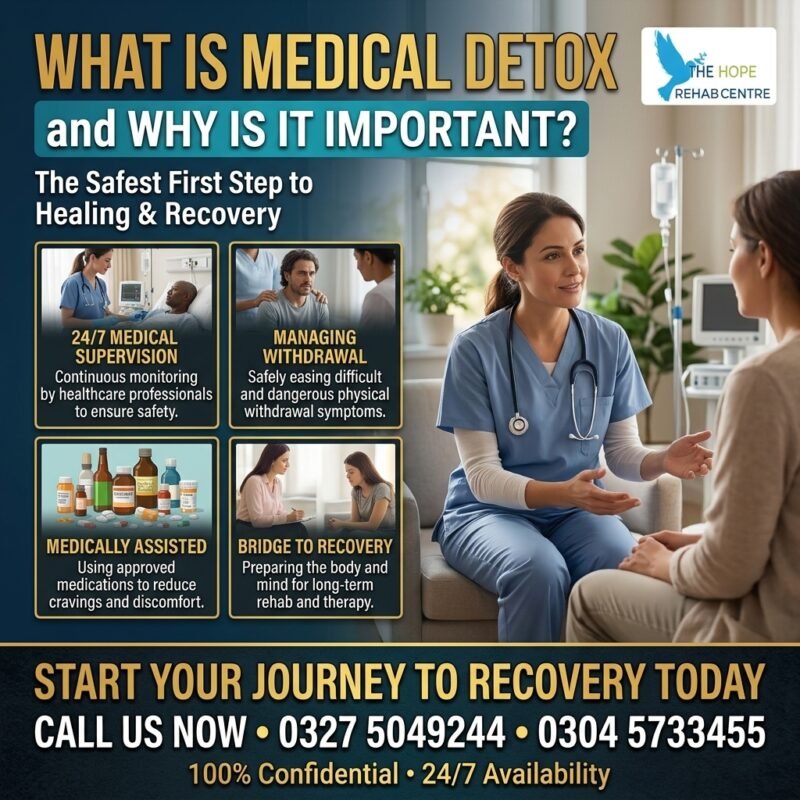
When clinically appropriate, medically supervised detoxification offers several advantages:
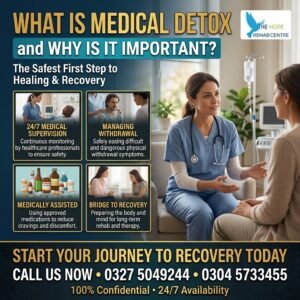
- Continuous medical monitoring
- Professional management of withdrawal symptoms
- Individualized treatment planning
- Safe transition into rehabilitation
- Preparation for long-term recovery
The primary goal is to support patient safety while helping individuals begin their recovery journey.
Why Detoxification Alone Is Not Enough
Although detoxification removes opioids from the body, addiction also involves emotional, behavioral, and psychological factors. Without addressing these underlying issues, the risk of returning to substance use may remain higher.
Comprehensive recovery often includes:
Individual Counseling
Counseling helps individuals explore emotional triggers, develop healthier coping strategies, and strengthen motivation for recovery.
Behavioral Therapy
Evidence-based approaches such as Cognitive Behavioral Therapy (CBT) can help patients identify harmful thought patterns and replace them with healthier behaviors.
Group Therapy
Group sessions provide peer support, encouragement, and opportunities to learn from others with similar experiences.
Family Counseling
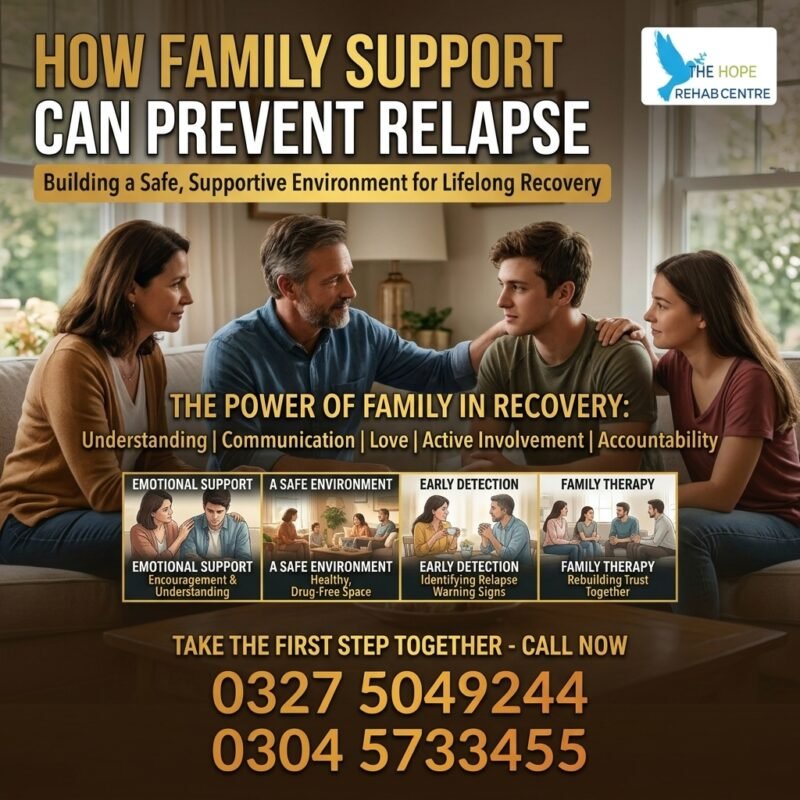
Family education and counseling can strengthen communication, rebuild trust, and create a more supportive home environment.
At The Hope Rehabilitation Center Islamabad, Pakistan, detoxification is integrated into a broader treatment program that supports long-term recovery.
The Importance of Relapse Prevention
Recovery continues well after detoxification is completed. Relapse prevention focuses on helping individuals maintain healthy habits and manage future challenges.
Common relapse prevention strategies include:
- Recognizing personal triggers
- Stress management techniques
- Building healthy daily routines
- Continuing professional counseling
- Participating in recovery support programs
- Strengthening family support systems
Ongoing care is an important component of sustainable recovery.
Safety Considerations
Rapid detox treatment should always be performed in a properly equipped medical setting under the supervision of experienced healthcare professionals.
Patients should never attempt detoxification without professional guidance, particularly when opioid dependence is severe. Healthcare providers carefully monitor vital signs, withdrawal symptoms, and overall health throughout the detoxification process.
Recovery After Detox
Successful recovery involves much more than completing detoxification. Long-term improvement often depends on continued treatment and healthy lifestyle changes.
Recovery plans may include:
- Individual therapy
- Mental health support
- Lifestyle counseling
- Aftercare planning
- Relapse prevention education
- Ongoing follow-up care
These services help individuals maintain progress while adapting to everyday life without substance dependence.
Frequently Asked Questions (FAQs)
1. What is rapid detox treatment?
Rapid detox treatment is a medically supervised procedure that may shorten opioid withdrawal for carefully selected patients. It requires comprehensive medical evaluation and close clinical monitoring.
2. Is rapid detox suitable for everyone?
No. Rapid detox is not appropriate for every individual or every type of addiction. Healthcare professionals determine eligibility after a detailed medical assessment.
3. Does rapid detox cure addiction?
No. Rapid detox addresses physical dependence but does not treat the psychological and behavioral aspects of addiction. Continued rehabilitation and counseling remain essential.
4. What treatments are recommended after detoxification?
Most individuals benefit from counseling, behavioral therapy, family support, relapse prevention planning, and ongoing aftercare following detoxification.
5. Why is medical supervision important during detox?
Professional supervision helps monitor withdrawal symptoms, manage potential complications, and support patient safety throughout the detoxification process.
Conclusion
Rapid detox treatment may be considered for carefully selected individuals with opioid dependence, but it is only one part of a comprehensive recovery plan. Because addiction affects both the body and the mind, long-term recovery usually requires counseling, behavioral therapies, family involvement, and ongoing support.
At The Hope Rehabilitation Center Islamabad, Pakistan, patient safety, individualized care, and evidence-based treatment remain the foundation of every recovery program. Through comprehensive assessment, medically supervised detoxification when appropriate, and continued rehabilitation services, individuals are supported in building healthier lives and achieving sustainable recovery.