Rapid Detox Treatment in Islamabad, Pakistan is a term sometimes used to describe approaches intended to accelerate the process of managing withdrawal from certain substances. The idea can sound appealing to people who want to complete detoxification quickly, but rapid detox isn’t suitable for everyone and can involve significant medical considerations.
Detoxification should begin with an appropriate clinical assessment. The substance involved, duration of use, physical health, mental health, previous withdrawal experiences, and other medications can all influence the safest treatment approach.
At The Hope Rehabilitation Center Islamabad, Pakistan, individuals and families considering addiction treatment should understand that detoxification is only one part of recovery. Ongoing treatment is generally needed to address the psychological, behavioral, and social aspects of addiction.
What Is Rapid Detox Treatment?
Rapid detox generally refers to methods intended to shorten or accelerate the period during which withdrawal symptoms are experienced. The term has been used particularly in connection with opioid withdrawal, sometimes involving medications and, in some approaches, sedation or anesthesia.
Different facilities may use the term “rapid detox” to describe different procedures. Therefore, individuals should ask healthcare providers exactly what treatment is being proposed, which medications are involved, who will supervise the procedure, and what medical monitoring is provided.
The term itself does not guarantee that a treatment is safer, more effective, or appropriate for a particular person.
How Is Rapid Detox Different From Standard Detox?
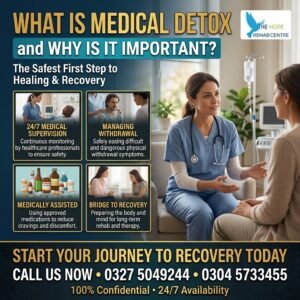
Traditional medically supervised detox generally focuses on gradually managing withdrawal symptoms while monitoring the person’s physical and psychological condition.
Rapid or accelerated approaches aim to reduce the duration of certain withdrawal stages. However, speeding up withdrawal doesn’t necessarily mean that the underlying addiction has been treated.
A healthcare professional should assess the potential benefits and risks before recommending any accelerated detoxification approach.
Who May Need Detoxification?
Not everyone who uses drugs requires the same type of detoxification. The need for medically supervised withdrawal management depends on the substance, pattern of use, level of dependence, medical history, and potential withdrawal complications.
Withdrawal from some substances can be medically dangerous. Alcohol and certain sedative medications, for example, can cause severe withdrawal symptoms, including seizures or delirium.
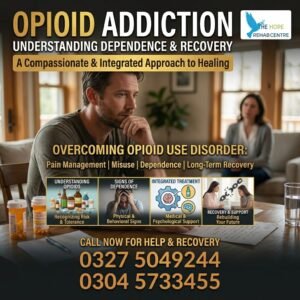
Opioid withdrawal can be extremely uncomfortable and may increase the risk of returning to opioid use, particularly after tolerance decreases.
For these reasons, detox should be planned with qualified healthcare professionals.
What Happens Before Rapid Detox?
A thorough assessment should take place before any detoxification procedure.
Healthcare professionals may evaluate:
- Substance use history
- Frequency and duration of use
- Previous withdrawal experiences
- Physical health conditions
- Mental health history
- Current medications
- Use of multiple substances
- Allergies and other medical risks
This assessment helps determine whether an accelerated approach is appropriate or whether another form of withdrawal management would be safer.
Medical Monitoring During Detox
Withdrawal can produce changes in heart rate, blood pressure, hydration, mood, sleep, and other aspects of health.
Appropriate monitoring depends on the detox method and the person’s medical condition. If sedation or anesthesia is involved, additional medical considerations apply.
People should ask who will monitor them, what emergency equipment is available, and how complications will be managed.
These questions are particularly important when considering procedures marketed as extremely fast or “one-day” detox solutions.

Potential Risks and Limitations
Rapid detox isn’t risk-free. Depending on the specific procedure, potential concerns may include complications related to medications, sedation or anesthesia, dehydration, cardiovascular problems, withdrawal symptoms, and other medical issues.
Another important consideration is that detoxification doesn’t eliminate the underlying causes of addiction.
A person may complete detox and still experience cravings, psychological dependence, behavioral triggers, or difficulties returning to everyday life.
Recovery After Detox
Detox is generally considered an initial stage rather than a complete addiction treatment program.
After detox, continuing treatment may include:
- Individual counseling
- Behavioral therapy
- Group support
- Family education
- Mental health treatment
- Relapse-prevention planning
- Continuing outpatient or residential care
The appropriate combination depends on the person’s needs and recovery goals.
Mental Health and Dual Diagnosis
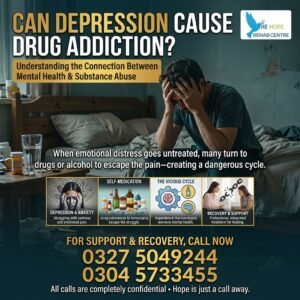
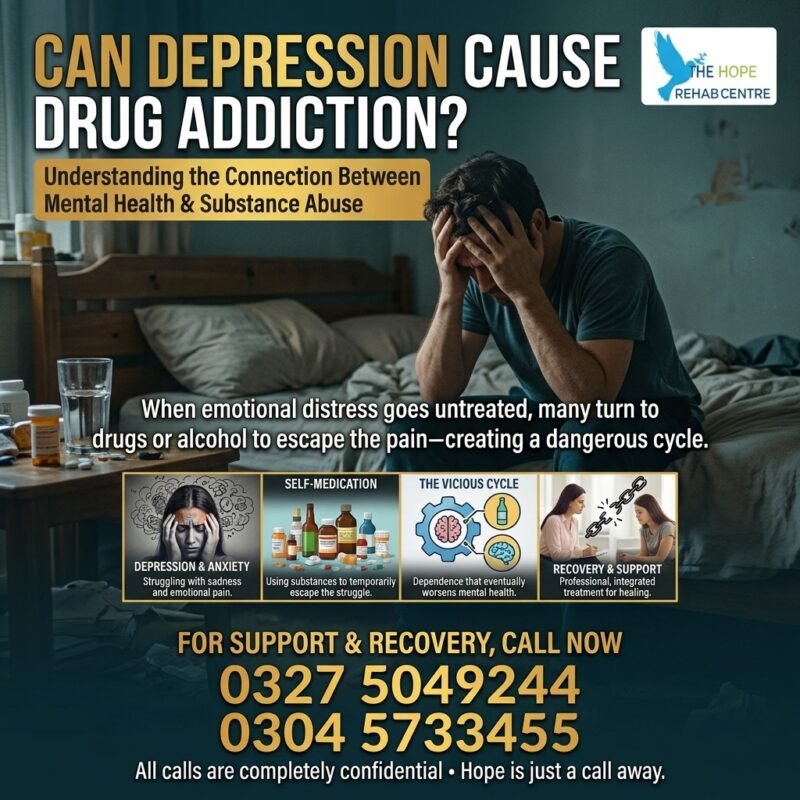
People experiencing addiction may also have depression, anxiety, trauma, or other mental health conditions. These concerns can affect substance use and recovery.
A comprehensive assessment should therefore consider mental health alongside addiction. When co-occurring conditions are identified, treatment planning can address both areas rather than focusing exclusively on withdrawal.
Choosing Rapid Detox Treatment in Islamabad, Pakistan
Anyone considering Rapid Detox Treatment in Islamabad, Pakistan should ask a provider detailed questions before proceeding.
Important questions include:
- What exactly does the detox procedure involve?
- Which medications are used?
- Is sedation or anesthesia involved?
- Who provides medical supervision?
- How are emergencies handled?
- What withdrawal symptoms should be expected?
- What treatment is available after detox?
- How is relapse prevention addressed?
- What happens if rapid detox isn’t clinically appropriate?
Clear answers can help individuals make informed healthcare decisions.
The Hope Rehabilitation Center Islamabad, Pakistan
The Hope Rehabilitation Center Islamabad, Pakistan provides a setting for individuals and families seeking support for addiction and rehabilitation-related concerns.
Detoxification should be approached as an individualized medical decision. The appropriate method depends on the substance involved, withdrawal risks, overall health, and professional assessment.
People considering treatment should discuss their medical history openly with qualified healthcare professionals and understand the proposed treatment before proceeding.
Frequently Asked Questions
1. Is rapid detox safe for everyone?
No. Rapid or accelerated detox isn’t appropriate for everyone. Safety depends on the substance, medical history, withdrawal risk, medications used, and the specific procedure.
2. Is rapid detox the same as addiction treatment?
No. Detox focuses primarily on withdrawal and physical stabilization. Comprehensive addiction treatment also addresses cravings, behavior, mental health, social factors, and relapse prevention.
3. Does rapid detox prevent relapse?
Detox alone cannot guarantee prevention of relapse. Continuing treatment, recovery planning, counseling, and appropriate follow-up are important components of longer-term recovery.
4. Is anesthesia always used during rapid detox?
No. “Rapid detox” can refer to different approaches. Some procedures may involve sedation or anesthesia, while others may not. Patients should ask their healthcare provider exactly what procedure is being proposed.
5. What happens after rapid detox?
After detox, individuals may require ongoing rehabilitation, counseling, medication-assisted treatment when clinically appropriate, mental health support, family involvement, and relapse-prevention planning.
Conclusion
Rapid Detox Treatment in Islamabad, Pakistan may be considered in specific clinical circumstances, but faster withdrawal isn’t automatically better or safer. The appropriate approach depends on an individual’s substance use, medical condition, withdrawal risks, and professional assessment.
For people considering The Hope Rehabilitation Center Islamabad, Pakistan, discussing treatment options with qualified healthcare professionals can help clarify whether detox is necessary and which level of care is appropriate. Most importantly, detox should be viewed as the beginning of recovery rather than the entire treatment process.