

Food addiction is a growingly recognized behavioral health disorder impacting physical, mental and quality of life. It is characterized by a pathological preoccupation with food and weight, including an irresistible compulsion to overeat, as well as reconcile painful emotions through binging; binge eating often occurs early in the morning and feelings of uncontrolled eating are followed by emotional distress. Nutritional Counseling at The Hope Rehab Center as a Reliable Addiction Treatment Center in Islamabad / Pakistan Nutritional counseling is an important and ethical part of helping patients recover from addiction.
This paper discusses the role of formal nutrition counseling in ameliorating food addiction, why it matters, and how it fits into a comprehensive rehabilitation program in the professional healthcare environment.
Food Addiction and its Health Effects
Food addiction is similar to addictive behavior. Hyper-processed foods which are high in sugar, salt and unhealthy fats can shift reward pathways in the brain, encouraging addictive eating behaviour. Over time, this results in obesity, metabolic issues and digestive problems, but also low self-esteem, anxiety and depression.
Unlike substance use disorders, food addiction treatment cannot rely on abstinence only because humans need to eat for living. This process of integration is what makes professional support the more crucial. How does an Addiction Treatment Center in Islamabad, Pakistan provide treatment for food addiction? A qualified treatment center has the staff and support to help individuals engage in an intervention and a long-term plan to address such issues through psychological therapy, medical care, and nutritional planning.
What Is Nutritional Counseling at an Addiction Treatment Center?
Nutrition counseling is a type of treatment initiated and directed by nutrition professionals, whereby nutritional values, eating habits or some other nutritional related behavior are modified. When addressing addiction recovery, nutrition counseling doesn’t focus on cutting out your favorite foods. Instead, it focuses on:
- Restoring nutritional balance
- Establishing a meaningful relationship with your eating habits
- Supporting brain and body healing
- Eliminating (or significantly reducing) triggers that are associated with cravings and relapse
At The Hope Rehab Centre, diet and nutrition therapy are registered in context-adapted treatment programs that provide ethical and realistic care at patients’ own pace.
Why Nutrition is Important for Food Addiction Recovery
1. Stabilizing Brain Chemistry
In addition, poor nutrition may interfere with neurotransmitters like dopamine and serotonin that are strongly tied to mood, impulse control and cravings. The type of nutrition listed above, you try to always eat a balanced meal with protein carbohydrates and fats), helps the brain chemistry stabilize. This stabilization can lead to decrease of emotional instability and better engagement in treatment process in an Addiction Treatment Center at Islamabad, Pakistan.
2. Managing Cravings and Triggers
Erratic eating patterns, intense hunger, or blood sugar levels can exacerbate cravings and compulsions. Nutrition counseling also includes learning how to eat for consistency and awareness, which can help minimize biological cues that resemble emotional cues to overeat.
3. Supporting Physical Healing
Behind food addiction sit digestion issues, fatigue, inflammation and metabolic problems. Nutrition directly affects gut health, energy levels, the immune system and overall physical recovery – all of which are critical basics for sustained change in behaviour.
Nutrition Counseling as part of Comprehensive Care plan
Individualized Nutritional Assessment
One’s journey with food addiction is a different story for every individual. Dietitians evaluate food choices, identify cultural issues, physical conditions and lifestyle concerns. This personalized methodology in dietary counseling allows individuals to learn thoroughly the practice of benefiting from what they eat and /or drink, this corresponds with the comprehensive care offered at a qualified Addiction Treatment Center in Islamabad, Pakistan.
Education Without Judgment
Most people with a food addiction feel shame and often guilty for the way they eat. Ethical nutrition counseling should be education instead of condemnation. Clients discover what affects mood, energy and cravings, by becoming knowledgable eaters who can satisfy their cues without fear or control.
Building Sustainable Eating Habits
Short-term diets usually fail in long-term recovery. Nutrition counselling centres on ages-old habits, such as meal planning and portion sizing, mindful eating, and emotional regulation. These are the skills that can keep a person moving forward in recovery after they have left formalized treatment.
Integration of Psychological and Behavioral Therapies
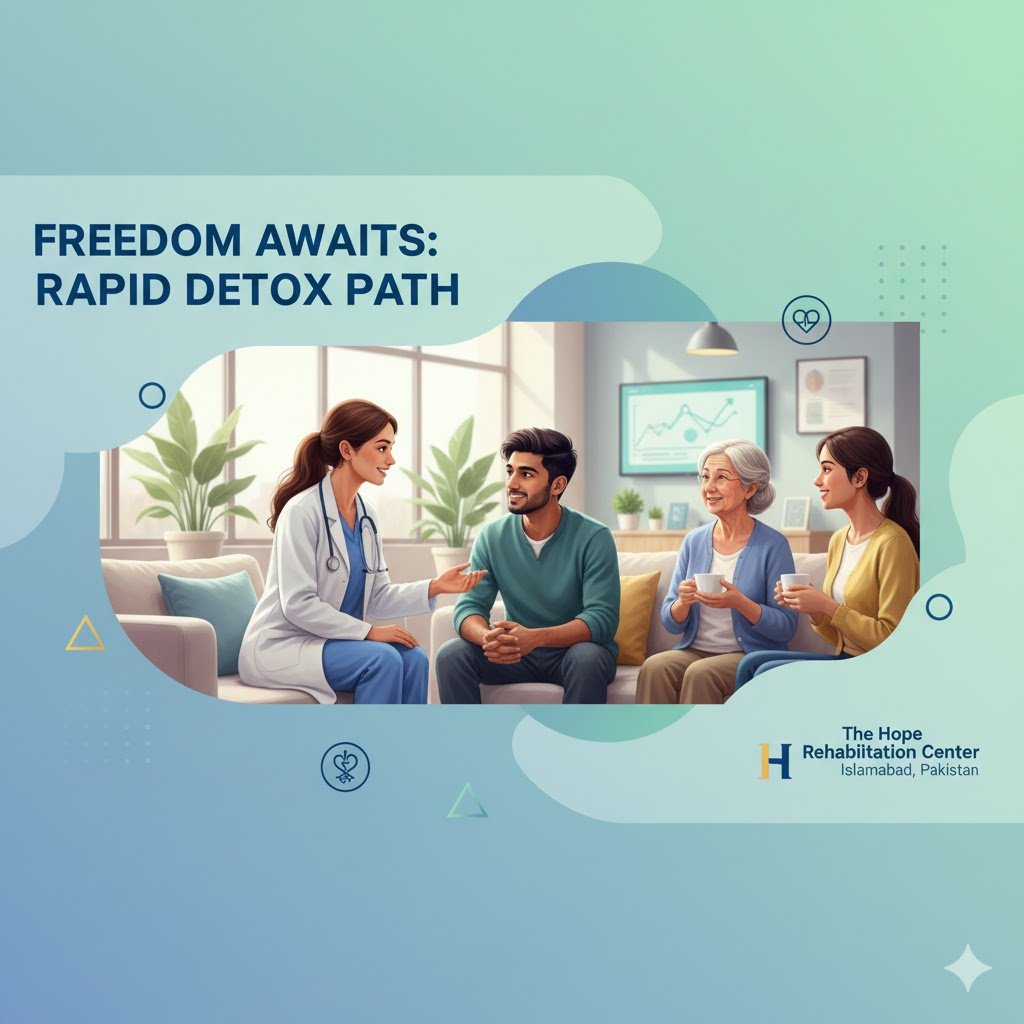
Best results are obtained when nutrition guidance is provided in conjunction with psychological intervention. “Therapies like cognitive behavioral therapy, and skills-based practices in emotion regulation can help people understand why they turn to food for comfort or control. By linking therapy and nutrition, clients may be able to deal with the emotional and physical elements of food addiction in a safe, supervised setting.
At The Hope Rehab Centre, we work as a multi-disciplinary team, so dietary advice compliments therapy aims and will not add extra pressure or unrealistic demands.
Addressing Co-Occurring Conditions Through Nutrition
Food addiction may frequently be accompanied by anxiety, depression, trauma or other substance misuse. These symptoms can be compounded by lack of adequate nutrition yet, with healthy eating patterns, emotional resiliency and stability are supported. A respectable Addiction Treatment Center in Islamabad, Pakistan pays attention to these intersections. It makes sure a patient’s nutrition advice is based on a sound mind rather than the behaviors related to food only.
Cultural Sensitivity and Practical Application
Good nutrition counselling honours food rituals and habits, family systems, as well as economic realities. Instead of telling individuals who are familiar with and may not have resources for a specific diet approach, these provide options that they might be accessing already to restrict the food choices in culturally appropriate, realistic ways.” This increases compliance and minimizes vexation, tending to keep recovery closer to arm’s reach.
More Benefits of Nutrition Counseling in Recovery
Successful treatment when nutrition counseling is included as part of the food addiction plan may lead to:
- Improved energy and concentration
- Reduced emotional eating episodes
- Better mood regulation
- More self-awareness regarding hunger and fullness
- Increased sense of control over one’s life
These such benefits support sustainable recovery, posttreatment improved quality of life.
FAQs
1. Is there such a thing as nutrition counseling for those with very serious food addiction?
No; there can be some real value in counseling around food-related issues at several stages of illness – from mild compulsive eating to more severe, particularly when part of a well-organized treatment regimen.
2. Is nutrition counseling about telling me what I can and can’t eat?
Healthy nutrition advice emphasizes balance and long-term sustainability, not diets that are rigid or unrealistic. We are aiming at building a natural relationship with food, not following restrictive rules.
3. How does nutrition consulting help with mental health recovery?
Optimal nutrition may help to support brain function, promote stable mood and maintain steady energy levels in order to optimise the efficacy of psychological interventions in the treatment of addiction.
4. Can nutrition counseling prevent relapse?
By minimizing physical triggers such as blood sugar spikes and dips, nutrition counseling can help by providing coping mechanisms for cravings that support lasting recovery and preventing slips.
5. Is nutrition counseling part of holistic care at an Addiction Treatment Center in Islamabad, Pakistan?
Yes. Centers such as The Hope Rehab Centre provide nutritional counseling as part of holistic, patient-centric programs which treat the physical, psychological and behavioral aspect of addiction.
Conclusion
Role of nutrition counseling in food addiction treatment and recovery is central to addressing the physical basis for recovery along with emotions and behaviors. In a reputable Addiction Treatment Center in Islamabad, Pakistan -lifeskills therapy acts as an intermediary between medical treatment, psychological counseling and basic life skills.
Nutrition The Hope Nutrition Plan is administrated with care, individual needs are respected, and professionalism is the standard for our staff. Through stabilization, education and balance, it helps individuals to restore a healthy relationship with food so that they can finally reach full recovery based in dignity and trust.