The most frequent type of nicotine addiction is smoking and it has been a global public health challenge for many years. And, while lots of people rush to smoke from curiosity, social influence or stress, nicotine use is so addictive that quitting can be hard. With time, its effects can impact the physical body and sounds good.
Quitting is difficult, and with the right mix of medical care, behavioral support, and personal resolve you can achieve recovery. Nicotine Dependency Program with Holistic care: The Hope Rehabilitation Centre Islamabad, Pakistan offers holistic healing approach for smoking addiction treatment that address all aspects of life to cope with nicotine dependency.
What Is Smoking Addiction?
Nicotine dependence, or smoking addiction, happens when your body and brain get addicted to nicotine in cigarettes and other tobacco products. Nicotine use that is repeated affects the brains reward system and results in cravings or withdrawal symptoms when a person attempts to stop.
Since smoking addiction is both physiological and behavioral, many people smoke even when they know it’s harmful.
Typical Symptoms of a Smoking Addiction
Acknowledging nicotine addiction is an essential first step in accessing care.
Physical Symptoms
- Strong nicotine cravings
- Struggling to go hours at a time without smoking
- Restlessness when unable to smoke
- Increased tolerance over time
- Withdrawal symptoms after quitting
Behavioral Symptoms
- Smoking immediately after waking up
- Smoking during stressful situations
- Repeated unsuccessful attempts to quit
- More than half of smokers falling back into smoking despite health concerns
- Prioritizing smoking over daily activities
Withdrawal Symptoms
People may see these things when they stop using nicotine:
- Irritability
- Anxiety
- Difficulty concentrating
- Increased appetite
- Sleep disturbances
- Mood changes
- Strong cravings
These symptoms can be extremely distressing but, if supported appropriately, are usually only temporary.
Health Risks of Smoking
When it comes to smoking, almost every organ in the body suffers and has an increased risk of multiple diseases.
Some potential health risks include:
- Heart disease
- Stroke
- Chronic lung disease
- Reduced lung function
- Various forms of cancer
- High blood pressure
- Weakened immune system
But cigarettes also directly affect energy levels, fitness and general well-being.
Causes and Risk Factors
The addiction to smoking is a complex interaction between physical, emotional and environmental factors.
Common risk factors include:
- Early exposure to tobacco
- Family history of nicotine dependence
- Stress and anxiety
- Social influence
- Mental health conditions
- Habitual smoking behaviors
An understanding of such factors contributes to the design of personalized interventions focused on managing nicotine dependence and its key underlying drivers.
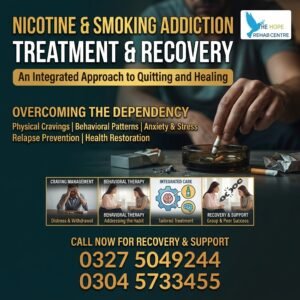
Treatment Options for Smoking Addiction
The best smoking cessation programs teach you how to deal with cravings and find alternatives for coping that are healthier.
Comprehensive Assessment
Treatment is initiated by assessing social and clinical history, health status, nicotine dependence and patient goals.
Individual Counseling
The counselling assist you perceive smoke behaviour and why it occurs, how one can establish the triggers, after which develops sensible options to assist quit smoking for good.
Behavioral Therapy
Evidence-based therapies like Cognitive Behavioral Therapy (CBT), enable people to alter maladaptive patterns of thinking, manage cravings and develop coping techniques that last a lifetime.
Group Support
They allow for accountability, encouragement and shared experience that can so often bolster one’s motivation to stay on a path of recovery.
The Hope Rehabilitation Center Islamabad, Pakistan devises an individualized treatment plan that caters to the distinctive needs of each patient within a framework designed to facilitate continued success even after rehab has ended.
Benefits of Quitting Smoking
There are many health advantages in every phase of life from quitting smoking.
Potential benefits include:
- Improved breathing
- Better heart health
- Increased energy
- Optimized taste and smell
- Reduced risk of smoking-related diseases
- Better overall physical fitness
- Improved quality of life
While it can take weeks and sometimes months to fully recover, many find that positive changes begin within days or even hours of quitting.
Preventing Relapse
Quitting nicotine is not the end of smoking recovery. It is imperative to learn how to deal with triggers and develop habits that can help you sustain over time.
Helpful relapse prevention strategies include:
- Identifying smoking triggers
- Practicing stress management
- Developing healthy daily routines
- Staying physically active
- Seeking ongoing counseling when needed
- Building supportive relationships
Building on confidence and giving long-term aftercare when possible, can improve the delivery of results.
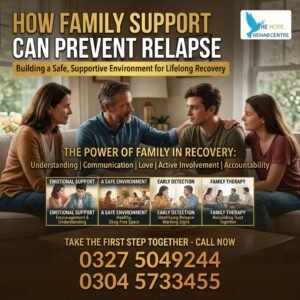
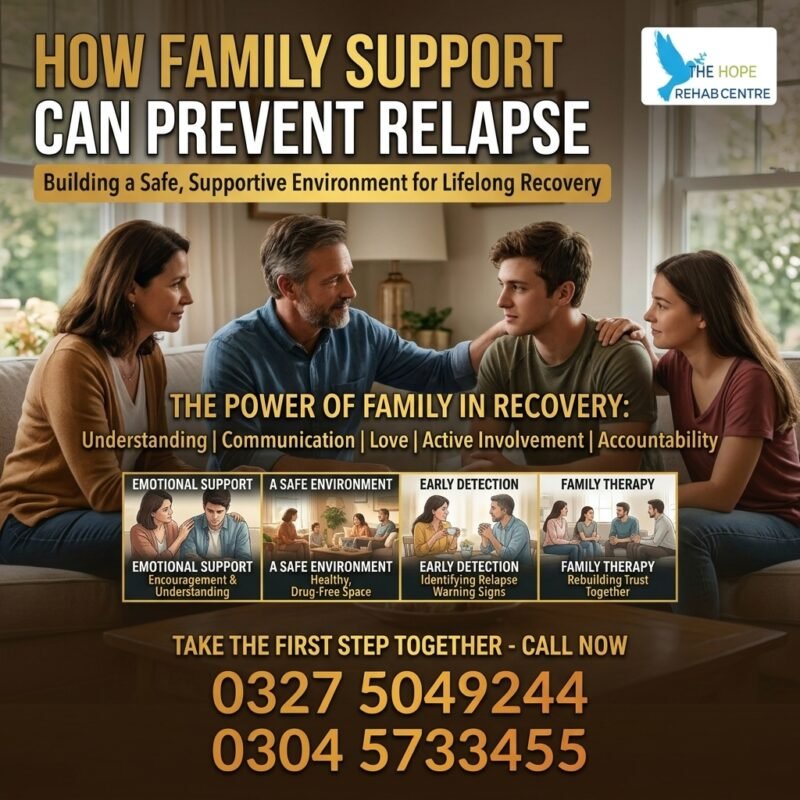
The Role of Family Support
In centrist countries, support from family can make is easy to stop smoking. Mentors who support efforts, hold you accountable to your desires and understand nicotine use disabilities are loved ones who know how addictive smoking can be.
Individualized Treatment Plans—Family Education is sometimes incorporated into the treatment plan as needed at The Hope Rehabilitation Center Islamabad, Pakistan.
Frequently Asked Questions (FAQs)
1. What is smoking addiction?
Chronic smoking is where the user has a physiological tolerating to nicotine and finds it difficult to quit using tobacco products.
2. Why is It So Hard to Quit Smoking?
Nicotine alters how the brain works in ways that lead to strong cravings and reflecting on withdrawal symptoms that make quitting difficult unless you get help.
3. Now based off of what is already known, can behavioral therapy get people to quit smoking?
Yes. Behavioral therapies like Cognitive Behavioral Therapy (CBT) focus on helping individuals identify the triggers for their addiction and teach coping mechanisms to deal with cravings along with developing healthy habits.
4. How long does a smoking addiction treatment take?
Depending on the amount of nicotine dependence, one may need treatment to stop using tobacco products successfully, and recovery progress is also a contributing factor in what treatment looks like.
5. Emotional Connection These questions reveal an underlying emotional connection to the habit of smoking that may help someone struggling with it better understand their behavior and choices.
Yes. Informing patients about how the chances of successful smoking cessation can be increased, personalized treatment, behavioral counseling, ongoing support and lifestyle changes all favorably impact on tobacco use in an add-on fashion: millions succeed.
Conclusion
The problem with smoking addiction is that this can actually be treated as it is mostly a physical and emotional health problem. When professionally guided, assisted with behavioral therapy and surrounded by continuous support, smoking cessation is a reachable goal allowing nicotine dependence to be conquered plus Long-Term Benefits of Having Smoke-Free Life.
The Hope Rehabilitation Center Islamabad, Pakistan specializes in treating smoking addiction with a focus on personalized treatment plans, evidence-based therapies, relapse prevention strategies and compassionate support. No two recovery paths are identical, yet it is possible to conquer your nicotine addiction forever with the appropriate treatment program.