Smoking addiction is a form of nicotine dependence that can affect physical health, emotional well-being, relationships, and everyday life. Although many people want to quit, nicotine can create strong cravings and withdrawal symptoms that make stopping difficult. A structured Smoking Addiction Program can provide the education, behavioral support, and professional guidance needed to work toward a smoke-free lifestyle.
Quitting is a personal process, and there is no single approach that works for everyone. Some people may stop independently, while others benefit from counseling, behavioral therapy, nicotine-replacement strategies, or medical support. At The Hope Rehabilitation Center Islamabad, Pakistan, smoking cessation support focuses on individualized care, realistic goals, and evidence-based approaches rather than promises of guaranteed results.
What Is a Smoking Addiction Program?
A Smoking Addiction Program is a structured approach designed to help individuals reduce or stop their dependence on nicotine. It addresses both the physical dependence created by nicotine and the habits, emotions, and situations associated with smoking.
A comprehensive program may include:
- Nicotine dependence assessment
- Individual counseling
- Behavioral therapy
- Smoking-trigger identification
- Craving-management strategies
- Family or social support
- Relapse prevention
- Follow-up care
The appropriate combination depends on a person’s smoking history, health status, previous quit attempts, and individual circumstances.
Why Is Nicotine Addiction Difficult to Overcome?
Nicotine affects areas of the brain involved in reward, attention, and mood. With repeated use, the body can become accustomed to nicotine. When nicotine intake decreases or stops, withdrawal symptoms may occur.
Common withdrawal symptoms include:
- Irritability
- Restlessness
- Difficulty concentrating
- Increased appetite
- Sleep problems
- Anxiety
- Strong cravings
Withdrawal experiences differ between individuals. Professional support can help people understand these changes and develop practical ways to manage them.
Key Components of a Smoking Addiction Program
Initial Assessment
A treatment plan should begin with an appropriate assessment. Healthcare professionals may consider the person’s smoking frequency, duration of tobacco use, previous attempts to quit, withdrawal experiences, medical history, and personal goals.
This information helps determine which interventions may be suitable.
Individual Counseling
Counseling gives individuals an opportunity to explore the reasons they smoke and identify situations that increase the desire to use tobacco.
Counseling may address:
- Stress-related smoking
- Social triggers
- Emotional habits
- Cravings
- Previous unsuccessful quit attempts
- Motivation and confidence
A personalized approach can make the quitting process more manageable.
Behavioral Therapy
Behavioral approaches can help individuals recognize the connection between thoughts, emotions, situations, and smoking behavior.
For example, someone who automatically reaches for a cigarette during stressful situations may learn alternative coping techniques, such as breathing exercises, physical activity, distraction, or talking with a supportive person.
Managing Smoking Triggers
Triggers are situations, emotions, or routines that can increase the urge to smoke. Common examples include:
- Stress at work
- Social gatherings
- Drinking tea or coffee
- After-meal routines
- Alcohol use
- Boredom
- Exposure to other smokers
Recognizing triggers is an important part of smoking cessation. Once triggers are identified, individuals can develop practical alternatives and prepare for situations in which cravings may occur.
Nicotine Replacement and Medical Support
Some individuals may benefit from nicotine-replacement therapy or prescription medications as part of a smoking cessation plan. These options can help manage nicotine cravings and withdrawal symptoms.
However, treatment should be selected according to individual health needs and medical history. A qualified healthcare professional can determine whether medication or nicotine-replacement therapy is appropriate.
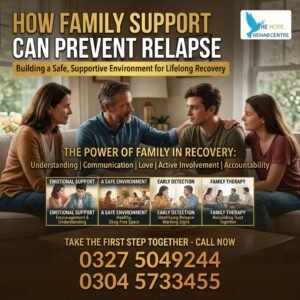
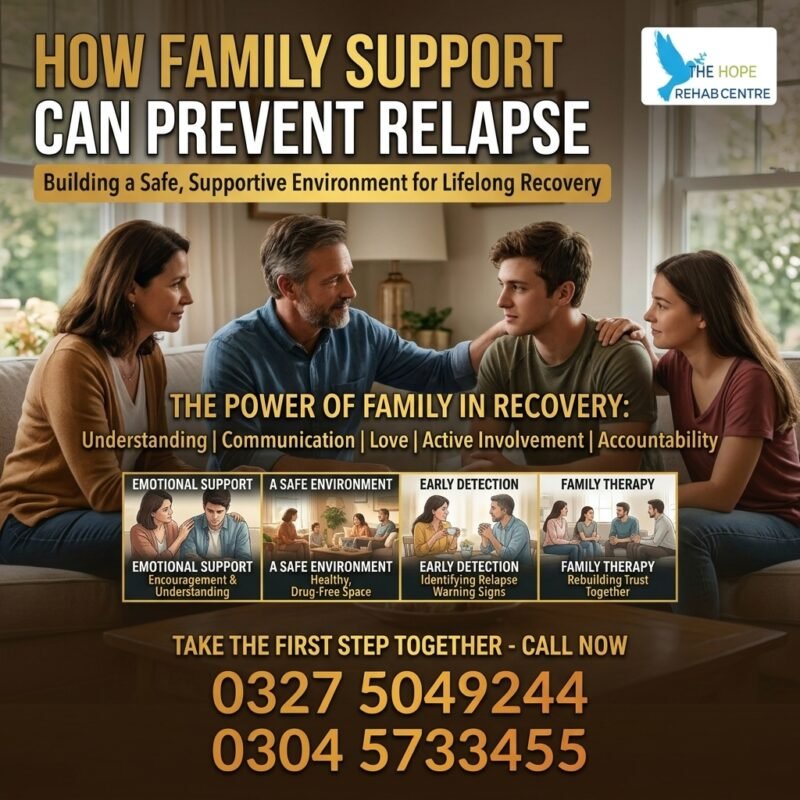
The Role of Family Support
Family and friends can provide valuable encouragement during smoking cessation. Support is generally most helpful when it is respectful rather than judgmental.
Loved ones can help by:
- Encouraging healthy routines
- Avoiding criticism after setbacks
- Supporting smoke-free environments
- Recognizing progress
- Helping manage stressful situations
At The Hope Rehabilitation Center Islamabad, Pakistan, family involvement may be incorporated when it is appropriate for the individual’s circumstances and treatment goals.
Relapse Prevention in Smoking Recovery
A return to smoking after an attempt to quit can be discouraging, but it does not mean that future attempts will fail. Reviewing what triggered the setback can provide useful information for adjusting the recovery plan.
Relapse prevention strategies may include:
- Identifying high-risk situations
- Developing alternative responses to cravings
- Maintaining healthy routines
- Managing stress
- Continuing counseling when appropriate
- Building a supportive environment
The goal is to learn from challenges and continue moving toward long-term tobacco cessation.
Benefits of Quitting Smoking
Stopping smoking can provide important health benefits over time. Depending on individual circumstances, quitting may contribute to improved cardiovascular and respiratory health and reduce the risks associated with long-term tobacco exposure.
Other potential benefits include:
- Improved physical stamina
- Better sense of taste and smell
- Reduced exposure to tobacco smoke
- Greater confidence in managing cravings
- Financial savings
- A healthier environment for family members
The health benefits of quitting can begin relatively soon and continue over the years.
How The Hope Rehabilitation Center Supports Recovery
The Hope Rehabilitation Center Islamabad, Pakistan recognizes that nicotine dependence can involve both physical addiction and deeply established behavioral patterns. A supportive treatment environment can help individuals understand their dependence, identify personal triggers, and develop practical strategies for changing their smoking habits.
Treatment decisions should always be based on an individual’s circumstances, health needs, and professional assessment.
Frequently Asked Questions (FAQs)
1. What is a Smoking Addiction Program?
A Smoking Addiction Program is a structured approach that helps individuals address nicotine dependence through counseling, behavioral strategies, education, and, when appropriate, medical or nicotine-replacement support.
2. How long does smoking addiction treatment take?
There is no fixed treatment period for everyone. The duration depends on nicotine dependence, smoking history, individual goals, response to treatment, and the level of ongoing support required.
3. Can counseling help with nicotine addiction?
Yes. Counseling can help individuals identify smoking triggers, develop coping strategies, strengthen motivation, and manage situations that may lead to cravings.
4. What happens if someone starts smoking again after quitting?
A setback can be used as an opportunity to identify triggers and adjust the treatment plan. Additional counseling or professional support may be helpful when needed.
5. Is medication used in smoking cessation programs?
Medication or nicotine-replacement therapy may be appropriate for some individuals. A healthcare professional should assess the person’s health and determine which options are suitable.
Conclusion
Smoking addiction can be difficult to overcome because nicotine dependence involves both physical withdrawal and established behavioral habits. A structured Smoking Addiction Program can provide practical tools, professional guidance, and ongoing support to help individuals work toward quitting.
At The Hope Rehabilitation Center Islamabad, Pakistan, smoking cessation support emphasizes individualized assessment, compassionate counseling, behavioral strategies, family support when appropriate, and relapse-prevention planning. Recovery takes time, and each person’s path to becoming smoke-free is different. With appropriate support and a realistic treatment plan, individuals can take meaningful steps toward better health and long-term freedom from nicotine dependence.