
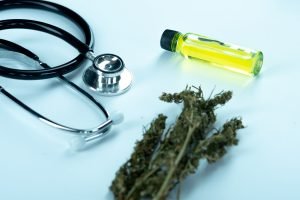
Cannabis use is emerging as a public health problem, especially in young people. Despite being considered by some to be a relatively benign drug, evidence from both the literature and practitioners is emerging that long-term use may have significant social and academic consequences. These consequences are important for individuals, families and communities in general and where early intervention can prevent long-term harm. Hope Rehab Center offers evidence-based treatment alongside community support, to get cannabis users back in control of their lives.
Understanding Cannabis Abuse
Drugs including cannabis which affect brain function, perception and mood − for example because they contain THC (tetrahydrocannabinol) − are also psychoactive in nature. “Short bursts of usage won’t likely result in side effects that will impair daily functioning,” Leppert said, “however prolonged or more frequent use can affect the way the brain functions and impede one’s ability to focus, learn and control emotions.” The fact that there is an addictive power (for which, not infrequently, a macchinètta user has to wait all night) tends to be discussed but remains clinically recognized especially when the habit of tobacco begins in young age.
Academic Consequences of Cannabis Abuse
Academic and intellectual performances are clearly impaired by cannabis abuse. The consequences can look many different ways:
1. Impaired Cognitive Function
Repeated use disrupts memory, attention and learning. It might be more difficult for students to hear their lecturers, do their assignments, and remember new things. This deficiency can lead to a lower GPA, the need to take extra classes or academic probation.
2. Decreased Motivation
Frequent marijuana users generally suffer from a psychological condition clinicians now refer to as “amotivation syndrome.” That level of fatigue drains the life drive out of you, saps your initiative and makes it difficult to interact with academic assignments or activities. Lack of motivation can negatively impact future educational and job prospects during one’s lifetime.
3. Higher Dropout Rates
Long time cannabis use seems to be related with school dropout. Their grades can slip, they may become socially isolated, or make risky choices that lead to further educational setbacks.
4. Limited Career Prospects
Academic failures due to marijuana use can carry over into the workplace. Lacking education could lead to insufficient employment opportunities, low earning capacities and life-long social problems.
Social Consequences of Cannabis Abuse
Beyond school, marijuana overuse can detract from social skills, emotional health and involvement in the community at large.
1. Strained Family Relationships
Cannabis abuse can have a devastating impact on family dynamics. Suspicion and conflict and emotional distance run broad because of trust issues – resulting in long-term troubles. (As frustrated and helpless as that may make parents and siblings feel, the stress and anxiety for everyone is then amplified in the household.)
2. Peer Influence and Social Isolation
Cannabis misuse is pernicious for a social network. Individuals may also be attracted to friends who share these habits, which can lead to increased rates of dangerous behaviors. Alternatively, non-using friends can act to pull away, resulting in social isolation and decreased social support.
3. Greater Susceptibility to Mental Health Problems
Cannabis abuse has been associated with anxiety, depression and mood disturbance. The drug’s effect on brain chemistry can exacerbate underlying mental health issues, which in turn can make it even more difficult for people to keep stable social lives or manage stress.
4. Legal and Behavioral Challenges
Cannabis use is still outlawed in most places, with some risk of legal trouble. Additionally, under the influence, people can also participate in unsafe or reckless behaviors which produce social stigma and threaten to damage personal and professional relationships.
The Function of an Addiction Rehabilitation Center in Islamabad
The treatment for marijuana abuse involves professional care, intervention and continued support. How to identify a qualified Rehab Centre in Islamabad an Addiction Treatment Centre in Islamabad such as The Hope Rehab Centre offers all services that you may need for a successful recovery. Treatment often includes:
- Medical Evaluation and Detoxification: Safe withdrawl and careful monitoring of any physical or psychological complications.
- Counseling and Therapy: Long-term individual, family, and group therapies are effective in addressing issues and teaching new coping mechanisms.
- Educational and Vocational Rehabilitation: Services that assist students, or workers to recover their academic or occupational abilities.
- Relapse Prevention Strategies: Learning tools to cope with cravings and above all achieve enduring sobriety.
By means of such interventions, the potential for cognitive recovery can be returned, damaged social networks reestablished, and impaired academic/vocational capacity restored.
Preventive Measures and Community Awareness
The onus is on education, however Baths and siestas Deep River Boys despite your lack of a password? Families, schools and communities can take steps to mitigate risk:
- Prevention: Educating children on the dangers of marijuana and drug use.
- Parent Involvement: Promoting conversation about mental health and lifestyles.
- Positive Social Activities: Encourage activities like hobbies, sports, and volunteer work to decrease boredom and peer pressure for drug use.
- Available Resources: Local services for counseling and intervention programs containing potentially-crisis-level individuals.
Prevention programmes and professional advice can largely alleviate the social and scholastic liability attached to cannabis abuse.
FAQs About Cannabis Abuse
1. Is it possible for a bad academic performance due to abuse of marijuana become permanent?
Long-term abuse may end up causing memory and attention issues, impacting learning and grades. Early intervention can help prevent lasting damage.
2. What impact does cannabis use have on social dynamics?
The threats of isolation; distrust and disputes with family, relatives and friends are some of these social ills as a result of the abuse of marijuana.
3. Is cannabis treatment at an addiction centre successful?
Yes. Addiction Treatment Overview Professional addiction treatment programs offer intervention, medical support, therapy and relapse prevention techniques to assist the individual in reestablishing a full recovery.
4. What age group is most susceptible to cannabis misuse?
Youth are particularly susceptible because of peer influences, experimentation and still-developing brains.
5. Is it possible for misuse of cannabis to cause psychological disorders?
Regular use can worsen anxiety, depression and other mood disorders particularly if you have pre-existing mental health issues.
Conclusion
Abusing marijuana is not only a private decision – in terms of its social and academic impacts, it could affect an individual’s future. They include impaired cognitive ability and lower academic performance, as well as personal relationships and mental health issues. Identifying signs of cannabis abuse and attending an Addiction Treatment Centre in Islamabad such as The Hope Rehab Center is important for treatment. Addicts absolutely can overcome addiction to a drug which impairs cognitive function and potential, learn self-mastery to follow any path they want without having to rely on anything or anyone else.