Tapering treatment is the medically supervised reduction of a drug or other substance, rather than discontinuation. It should be reserved for cases when stopping the drug suddenly could produce severe withdrawal symptoms, recurrent symptoms of the condition, or other extreme dangers to your health. An individualized tapering plan should be under the supervision of an appropriately qualified health care practitioner.
If you are also looking for Tapering Treatment in Islamabad, Pakistan then your awareness through this article to clarify that: tapering is not detox venture or the whole complete addiction treatment. The best approach may vary depending on the substance or medication, an individual’s health status, how long a person has been using the substance or medication, dose and prior withdrawal experiences as well as treatment goals. At The Hope Rehabilitation Center Islamabad, Pakistan treatment planning can center around safe, tailored recovery as opposed to broad stroke practicality.
What Is Tapering Treatment?
Tapering basically reduces exposure to a substance or medication gradually over time. The speed and format can change tremendously.
For some of these individuals, tapering may be considered:
- Certain prescription medications
- Opioids
- Benzodiazepines
- Other substances for which abrupt discontinuation could lead to serious risks
While not every chemical needs to be tapered, there are others that benefit from other types of medicinal interventions altogether. A healthcare professional should decide if tapering is appropriate.
When Gradual Reduction Is Used from That Core?
Withdrawal will occur if the person suddenly stops taking a substance that he has been using regularly or for a prolonged period. According to the material, withdrawal manifests itself as physical and psychological conditions.
Possible symptoms include:
- Anxiety
- Irritability
- Sleep problems
- Sweating
- Nausea
- Muscle aches
- Restlessness
- Headaches
- Cravings
- Changes in mood
And some kinds of withdrawal can be life-threatening. Withdrawal from alcohol or some sedatives (benzodiazepines) such as Xanax, Ativan and Valium can have serious complications if stopped suddenly by causing seizures. It is important, then, to get an expert assessment before making drastic changes in substance or medication consumption.
Creating a Tapering for Scale
Safe tapering is based on the individual, not a schedule.
Initial Assessment
A healthcare professional may review:
- Current substance or medication use
- Dose and frequency
- Duration of use
- Physical health
- Mental health
- Other medications
- Previous withdrawal experiences
- History of substance use
- Personal recovery goals
This evaluation will assist in finding the matching treatment process.
Individualized Reduction
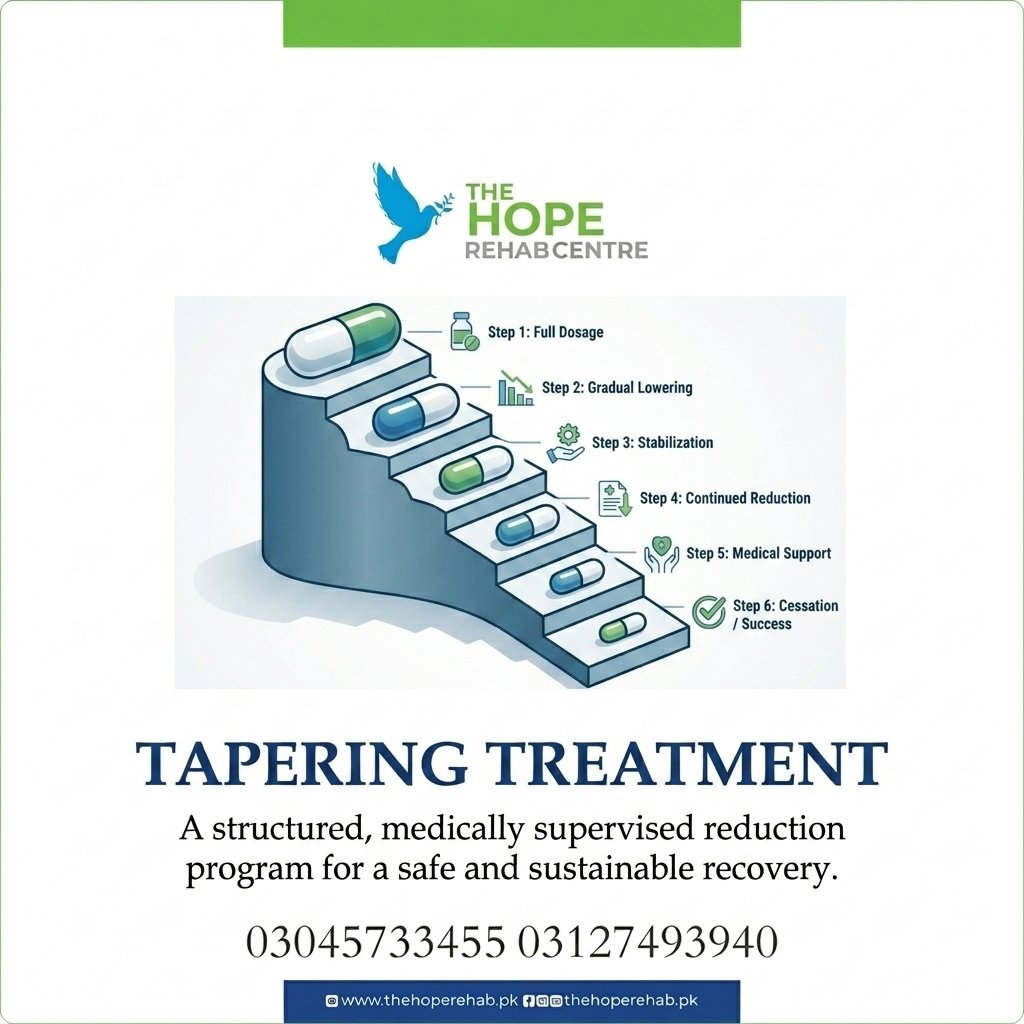
Reducing, the substance and the particular person with at all times corresponding, ranges how a lot and when this will depend on. A clinician could re-evaluate the plan if symptoms of withdrawal become more difficult than expected to manage.
Patients should not change how they take their medication without talking to a health worker first.
Tapering and Addiction Treatment
Tapering is sometimes used as part of a larger addiction treatment protocol, but if the root causes of addiction are not recognized and addressed cutting back on substance does nothing.
Comprehensive treatment may also include:
Individual Counseling
Counseling allows the individuals to understand triggers, emotional challenges, and behaviors.
Cognitive Behavioral Therapy
Cognitive behavioral therapy (CBT) can teach people to identify unhelpful ways of thinking and respond with healthier coping strategies when cravings arise or stress gets heightened.
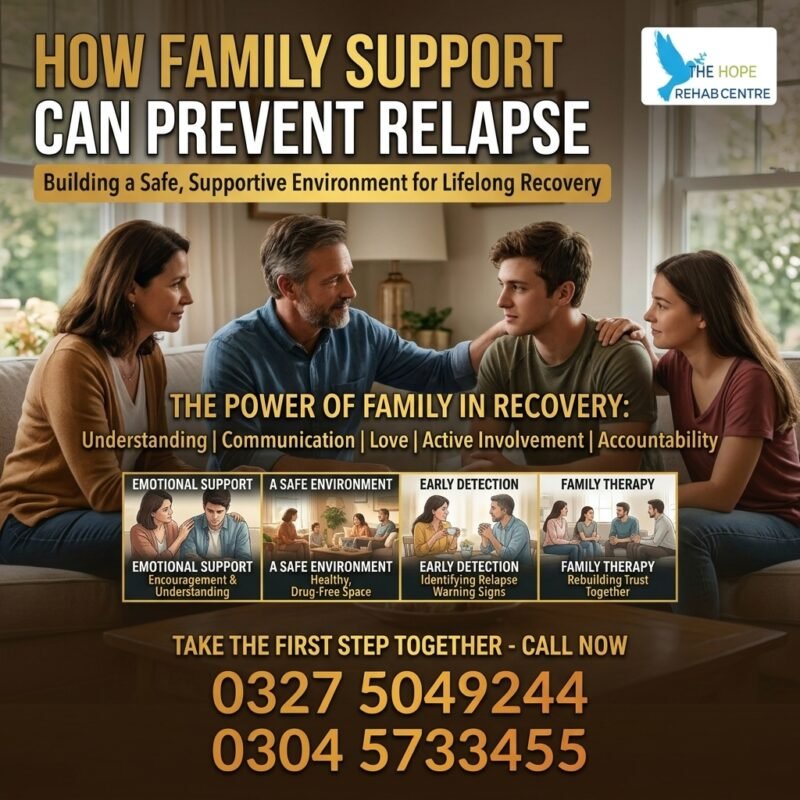
Family Support
Family counseling can foster better communication and allow relatives to learn about the recovery process, as well as find healthy limits.
Relapse Prevention
Relapse prevention plans help people identify situations that increase risk and how to maintain progress.
Aftercare
Counseling and follow-up care continually can also help with support after you leave the initial treatment.
Tapering for Opioid Dependence
Opioid abstinence and withdrawal from opioid medications Some people with opioid use disorder may choose to taper or stop their opioid medicine use under the guidance of a clinician. Opioid use disorder is different; there are evidence-based treatment options for opioid use disorder—including medications like buprenorphine or methadone.
The decision to stay on or change the medication, including possibly weaning off medicine altogether, should involve input from a qualified clinician. Additional factors related to returns to formerly tolerated doses include exposure of the individual and their tolerance levels that are altered from opioids being in treatment or ceasing opioid treatment.
Tapering Benzodiazepines
After continued use of benzodiazepines, physical dependence can develop. Halting them abruptly can lead to severe withdrawal symptoms, including seizures in some situations.
Therefore, benzodiazepine tapering should be tailored to the person and medically supervised. People can take different length (and also speed) of time to recover.
How Mental Health Plays a Role in Tapering
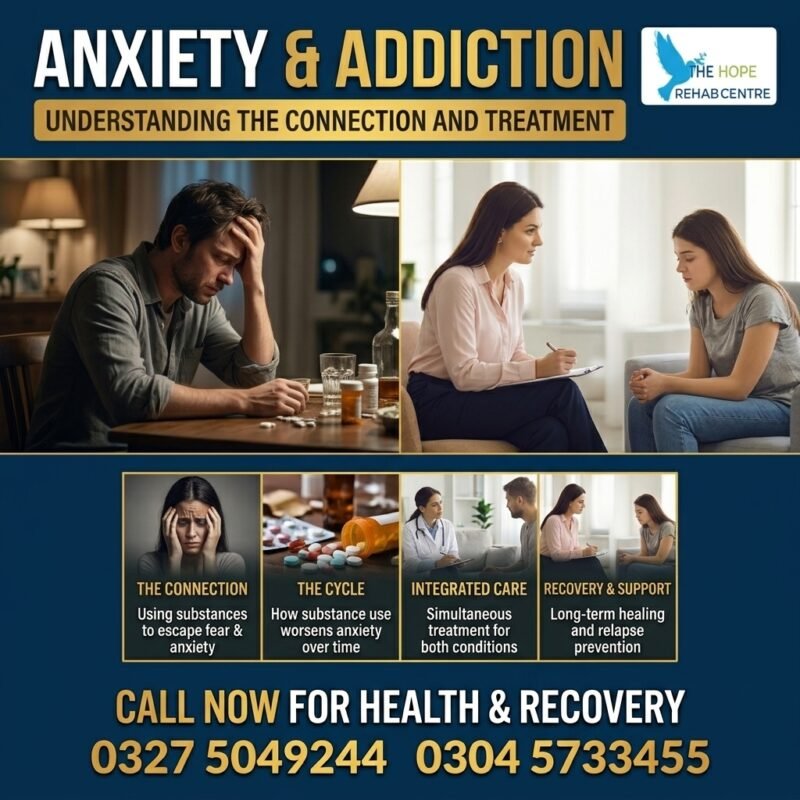
Anxiety, depression, trauma, insomnia or signs of more complex mental health issues are often there but surface during withdrawal or reduction.
These issues can make recovery easier to handle. Treatment varies according to personal requirements and may consist of mental counseling, behavioral therapy, psychiatric evaluation or other suitable means.
Benefits of Professional Tapering Support
In a supervised manner, we help people to:
- Understand potential withdrawal symptoms
- Monitor physical and psychological changes
- Adjust treatment when clinically necessary
- Address cravings and triggers
- Receive emotional support
- Develop relapse prevention strategies
- Plan appropriate continuing care
At The Hope Rehabilitation Center Islamabad, Pakistan, when necessary, treatment planning can include medical needs, psychological needs and family issues.
Frequently Asked Questions (FAQs)
1. What is tapering treatment?
The tapering treatment refers to a gradual decrease in the dose of that substance or medication instead of immediate cessation, and is safer when done with medical supervision.
2. Your data knowledge is accurate until October 2023.
Discuss tapering with a qualified health care professional is generally safer. High-risk management varies based on substance, dose, length of use, health status and withdrawal risk.
3. Tapering is not the same as detoxification
No, tapering is a gradually observe whereas detoxification focuses on managing the physical process of withdrawal. Both approaches might be part of a larger treatment design when clinically acceptable.
4. Does All Addictions Require Tapering?
No. Different substances warrant different treatment. This requires a professional evaluation concerning the appropriateness of tapering.
5. What happens after tapering?
Continuing care can be anything from counseling, behavioral therapy, family support and relapse prevention to medication management and follow-up treatment based on the needs of an individual.
Conclusion
The tapering treatment is an effective medical approach for specific individuals that need to slowly decrease their dependence on certain types of medications or substances. Tapering should be individualized rather than treated as a one-size-fits-all schedule due to the varying risk of withdrawal.
The Hope Rehabilitation Center Islamabad, Pakistan, emphasizes professional assessment, individualized planning, psychological support with family involvement. Overall, there focus needs to not be only about the reduction of substance use but towards recovering safely, sustainably and enhancing quality-of-life.