“Human emotions pepper life, and anger is one of them. It serves as an indicator that something in our surroundings or relationships requires our attention. But not all anger is equal. The difference between healthy and unhealthy anger is important for emotional well-being, personal relationships, and mental health. We understand the significance of acknowledging and coping with anger in a healthy way under mental health professional’s supervision and being one of best psychiatrist in islamabad, we can provide you the right counseling.
Understanding Healthy Anger
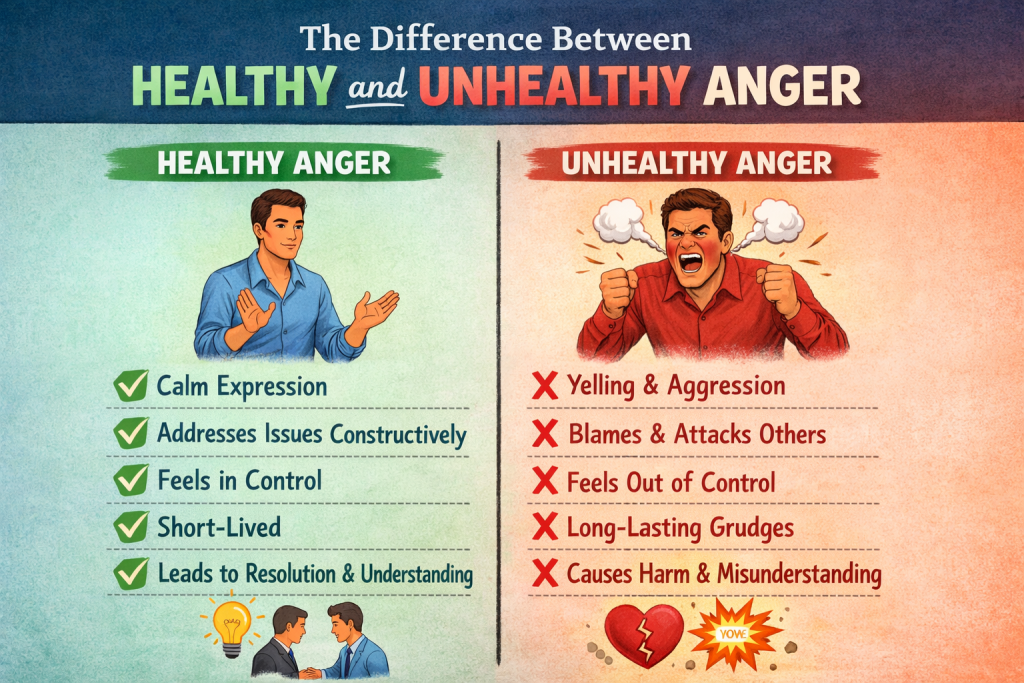
Righteous anger is an emotion that feels right for the circumstance and does no damage to self or another person. It can be a force for good, encouraging people to assert their own value or put up boundaries, stand up and fight against wrongs.
Some others of the healthy anger features:
- Constructive expression: Anger is expressed calmly and assertively instead of passively or aggressively. For instance, expressing your concerns without becoming upset during a disagreement.
- Self-awareness: Understanding the causes and feelings behind anger can help improve control and decision-making.
- Brief: Healthy anger is usually short-term and lacks persistence.
- Solution-oriented attitude: Rather than placing blame, positive anger promotes the craving for solutions and creating better circumstances.
Through cultivating constructive anger, people can safeguard their sanity and psychological and physical health while managing the external world. With the help of mental health professionals like Best Psychiatrist in Islamabad, people are taught to steer their anger into more constructive directions.
Recognizing Unhealthy Anger
Unhealthy anger, however can be destructive, chronic and harmful to the self and others. It is usually a result of unresolved stress, past trauma or pre-existing mental health problems. It does not, like healthy anger, create change for the better.
Signs of unhealthy anger include:
- Acting out: Barking or growling, hitting, swearing and shouting do not damage relationships and create fear or anger.
- Extended irritability: Anger that lasts for hours or even days can influence someone’s general affect, thinking and judgment.
- Repressed anger: Stuffing rage leads to passive-aggressive behaviors, chronic stress and even physical health problems such as hypertension.
- Poor decision making: Unhealthy anger can lead to rash decisions that not only fail to solve problems but actually create them.
Our team at The Hope Rehab Center work with those in need of ongoing anger management. With the help of counseling by the Best Psychiatrist in Islamabad, it is possible for patients to find out why they have negative anger and then learn how to cope.
Common Triggers of Anger
Recognizing what makes people offended is the first step toward controlling it. Common triggers include:
- Frustration: Experiencing a barrier to goals or obstacles again and again.
- Perceived injustice: Feeling you are unfairly treated at work, home or during social activities.
- Stress and exhaustion: When you’re tired, either physically or emotionally, this can affect how well you deal with frustration.
- Previous trauma: Old trauma can rear its ugly head in the form of anger.
In learning what anger triggers for a person, they are then able to better manage and react to it in constructive ways—not instinctual ones. At The Hope Rehab Center, the Best Psychiatrist in Islamabad and other experts offer individualized support to help patients recognize and cope with these triggers.
Techniques to Manage Anger Effectively
Leading to healthier responses to managing your anger now, as well as sustainably in the future. Some approaches include:
Short-term Techniques
1. Deep Breathing: Slowing down respiration can aid in decreasing physiological arousal accompanying anger.
2. Time-outs: Getting out of the situation that made me feel threatened gives me a chance to think and keep myself from acting immediately.
3. Mindful Awareness: Paying attention to your emotions without making a judgment allows you to notice the early stages of anger before it spirals out of control.
Long-term Strategies
1. Cognitive-Behavioral Therapy (CBT): CBT assists individuals in changing the way they think and act in response to negative situations.
2. Communication: Knowing how to communicate assertively avoids misunderstandings and arguments.
3. Strategies to reduce stress: Exercise, meditation and rest are known factors for increased resilience and emotional control.
4. Counseling: By working with a certified psychiatrist or therapist, you can get custom treatment for persistent anger.
Utilizing the assistance of Best Psychiatrist in Islamabad, The Hope Rehab Center patients can get an individualized program for anger management to resolve both surface symptoms and root issues.
The Effects of Anger on the Mind and Body
Unchecked anger can take a devastating toll on mental and physical health. The stress hormones released by chronic anger can increase the risk of heart attack, weaken the immune system and trigger digestive problems. From a psychological viewpoint, chronic anger is tied to anixiety, depression and relationship issues. Early identification of unhealthy behaviors, and seeking professional assistance is key to long-term health.
How to Have a Healthier Relationship by Managing Anger
Positive management of anger helps to reinforce fair treatment and communication among people. The ones that are able to express their feelings constructively can resolve conflicts in an amicable manner (for them at least), trust is maintained, and emotional intimacy gets stronger.
At The Hope Rehab Centre clients are taught how to get better at communicating as well as emotional regulation skills. By consulting Best Psychiatrist in Islamabad you get to facilitate a professional evidence, relationship nurturing.
Frequently Asked Questions (FAQs)
1. How do I assess whether my anger is constructive or destructive?
Healthy anger is short, managed and constructive.” Unhealthy anger can either be: aggressive, suppressed or denied and persistent in being expressed destructively, that is ultimately harmful to yourself or others.
2. Is it possible that anger could be a symptom of mental health?
Yes. Depression, anxiety or PTSD can present in the form of increased irritability or anger. They should be evaluated by a psychiatrist.
3. There are some methods that help to cool the anger immediately.
Short-term tactics include deep breathing, time-outs, mindfulness exercises, and physical activity to drain away tension.
4. Is anger management therapy effective?
Yes. Such evidence-based strategies (including CBT and professional talk therapy) can help individuals identify what triggers their anger, learn to modulate their response, and find better ways of coping.
5. When to seek help for anger?
If your anger is getting out of hand, whether it’s occurring regularly or occasionally but its intensity or impact is significant, then go to a professional for some support. The earlier intervention is sought, the better one’s recovery and quality of life.
It’s important to know the difference between what healthy and unhealthy anger actually is for mental and physical well being. In a similar manner, at The Hope Rehab Center, we offer understanding and support to ensure clients learn how to control near rage in a constructive way. By asking for help from The Best Psychiatrist in Islamabad people learned the skills of living a balanced and emotionally resilient life, that is focus on how to better relationships and It was very effective for personal progress. By moving with anger, people can turn what could be a bad emotion into an inspiring one that develops awareness in oneself and brings about positive change.