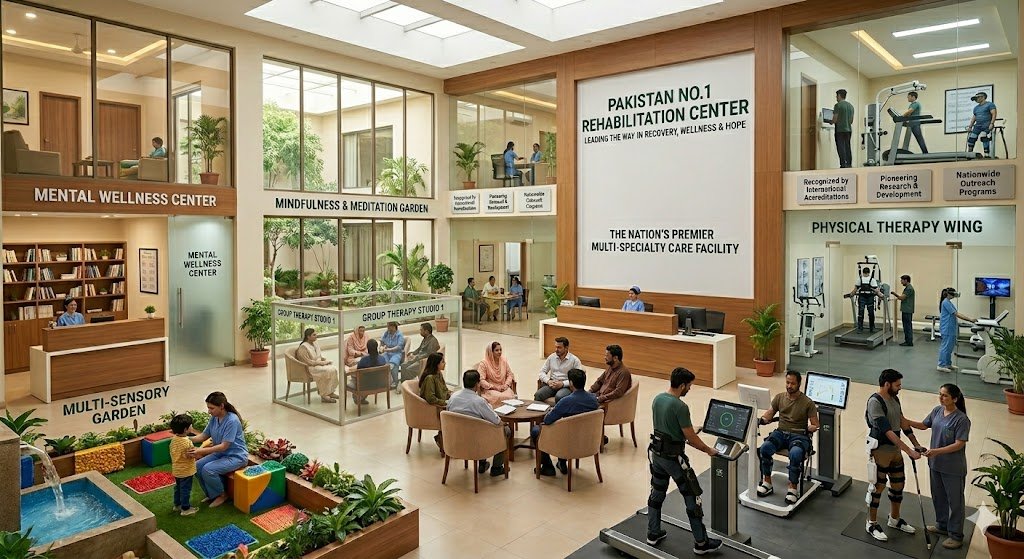
Alcohol addiction is a serious and complex health condition that affects individuals, families, and communities. Recovery requires more than willpower—it demands structured medical care, psychological support, and long-term rehabilitation strategies. In the context of Alcohol Addiction Islamabad Pakistan, professional rehab centre services play a vital role in helping individuals regain stability, rebuild their lives, and reduce the risk of relapse.
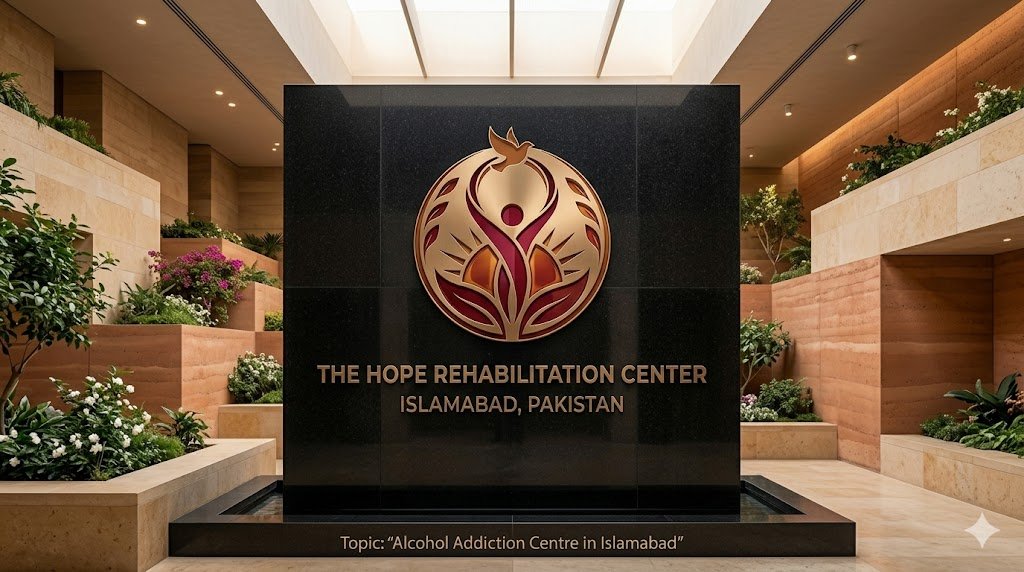
At The Hope rehab best Rehabilitation Center Islamabad, Pakistan, alcohol addiction treatment is approached with compassion, confidentiality, and clinical responsibility. The focus remains on patient safety, dignity, and evidence-based care rather than unrealistic promises. Understanding how rehabilitation services support alcohol recovery can help families make informed and confident decisions.
Understanding Alcohol Addiction as a Medical Condition
Alcohol addiction, also known as alcohol use disorder (AUD), is not simply a habit. It is a chronic condition that affects brain chemistry, behavior, and decision-making abilities. Individuals struggling with alcohol dependence may experience:
- Strong cravings and loss of control
- Increased tolerance and withdrawal symptoms
- Neglect of responsibilities
- Social and relationship difficulties
- Physical health complications
In Alcohol Addiction Islamabad Pakistan, awareness is gradually increasing that alcohol dependency requires medical and psychological intervention rather than judgment or stigma. Early diagnosis and structured rehabilitation significantly improve long-term outcomes.
The Importance of Professional Rehab Centre Services
Rehabilitation centres provide a safe, structured, and supportive environment for individuals seeking recovery. Unlike informal attempts to quit, professional rehab services address both the physical and psychological aspects of addiction.
1. Medically Supervised Detoxification
Detoxification is often the first step in alcohol addiction recovery. Sudden withdrawal from alcohol can cause symptoms such as anxiety, tremors, nausea, insomnia, and in severe cases, seizures.
Medically supervised detox ensures:
- Continuous monitoring of vital signs
- Safe management of withdrawal symptoms
- Reduced medical risks
- Emotional support during early recovery
In responsible Alcohol Addiction Islamabad Pakistan treatment settings, detox is conducted carefully to prioritize patient safety and comfort.
2. Comprehensive Psychological Assessment
Addiction rarely exists in isolation. Many individuals experience underlying mental health conditions such as depression, anxiety, trauma-related disorders, or stress-related challenges.
Rehab centre services include:
- Psychological evaluation
- Dual diagnosis assessment
- Personalized treatment planning
At The Hope rehab best Rehabilitation Center Islamabad, Pakistan, mental health professionals work to identify contributing factors and create individualized care plans tailored to each patient’s needs.
Therapeutic Interventions in Alcohol Recovery
Therapy is a cornerstone of alcohol addiction treatment. It helps individuals understand triggers, modify harmful behaviors, and build healthier coping strategies.
Cognitive Behavioral Therapy (CBT)
CBT is widely used in alcohol addiction recovery. It focuses on identifying negative thought patterns that contribute to substance use and replacing them with constructive behaviors.
Individual Counseling
One-on-one therapy sessions provide a confidential space for individuals to explore emotional struggles, trauma, or stress that may have contributed to alcohol misuse.
Group Therapy
Group therapy encourages peer support and shared learning. Patients benefit from hearing similar experiences, reducing feelings of isolation and shame.
In Alcohol Addiction Islamabad Pakistan, combining medical treatment with evidence-based psychotherapy increases the chances of sustainable recovery.
The Role of Family Support in Rehabilitation
Alcohol addiction affects the entire family system. Misunderstanding, frustration, and emotional strain are common among loved ones.
Rehabilitation centres often include:
- Family counseling sessions
- Education about addiction as a disease
- Guidance on setting healthy boundaries
- Relapse prevention awareness
At The Hope rehab best Rehabilitation Center Islamabad, Pakistan, family involvement is encouraged when appropriate and with patient consent. A supportive home environment plays a critical role in maintaining recovery progress.
Relapse Prevention and Aftercare Planning
Recovery does not end after completing an inpatient or outpatient program. Long-term sobriety requires continuous effort and structured support.
Effective relapse prevention strategies include:
- Identifying high-risk triggers
- Developing stress management techniques
- Building healthy daily routines
- Attending follow-up counseling sessions
- Strengthening social support systems
In the context of Alcohol Addiction Islamabad Pakistan, aftercare services are essential in helping individuals transition back into daily life while maintaining sobriety.
Addressing Stigma and Promoting Confidential Care
Stigma remains a barrier to seeking treatment for alcohol addiction. Many individuals hesitate to ask for help due to fear of social judgment.
Ethical rehabilitation services emphasize:
- Confidentiality and privacy
- Non-judgmental communication
- Respect for patient autonomy
- Culturally sensitive care
At The Hope rehab best Rehabilitation Center Islamabad, Pakistan, the goal is to create a safe and respectful environment where individuals feel understood rather than criticized.
Holistic Rehabilitation Approach
Modern rehab centre services recognize that alcohol addiction impacts physical, emotional, and social well-being. A holistic approach may include:
- Nutritional guidance
- Physical wellness activities
- Stress reduction techniques
- Structured daily routines
- Life skills training
This comprehensive strategy ensures recovery focuses not only on stopping alcohol use but also on rebuilding a balanced and meaningful life.
Benefits of Seeking Professional Help for Alcohol Addiction
Choosing professional rehabilitation offers several advantages:
- Medical supervision during withdrawal
- Structured therapeutic programs
- Reduced risk of complications
- Supportive recovery environment
- Access to trained addiction specialists
While no treatment can guarantee permanent results, evidence-based rehabilitation significantly improves the likelihood of sustained recovery.
Frequently Asked Questions (FAQs)
1. What are the signs that someone needs rehab for alcohol addiction?
Common signs include inability to control drinking, withdrawal symptoms, neglecting responsibilities, relationship problems, and repeated unsuccessful attempts to quit.
2. Is detox always required before starting therapy?
Not always, but for individuals with physical dependence, medically supervised detox is often recommended to ensure safety during withdrawal.
3. How long does alcohol rehabilitation typically last?
The duration varies depending on individual needs, severity of addiction, and treatment response. Programs may range from a few weeks to several months.
4. Can alcohol addiction be treated alongside mental health conditions?
Yes. Many rehab centres provide dual diagnosis treatment to address both addiction and underlying mental health disorders simultaneously.
5. Is treatment confidential?
Professional rehabilitation centres follow strict confidentiality standards to protect patient privacy and maintain trust.
Conclusion
Alcohol addiction is a complex condition that requires structured medical and psychological care. Rehab centre services play a central role in guiding individuals through detox, therapy, relapse prevention, and long-term recovery planning.
In Alcohol Addiction Islamabad Pakistan, facilities such as The Hope rehab best Rehabilitation Center Islamabad, Pakistan provide compassionate, evidence-based care designed to support individuals and families through every stage of recovery. By focusing on patient safety, ethical treatment, and holistic healing, rehabilitation services continue to be an essential pillar in the fight against alcohol dependency